
How to feed peppers: mineral and organic fertilizers
Content
Fertilizing peppers in a greenhouse
To grow good, juicy peppers, agricultural experts strongly recommend using fertilizer when growing this crop. Certain care guidelines will also be necessary to ensure faster growth and flawless fruit.
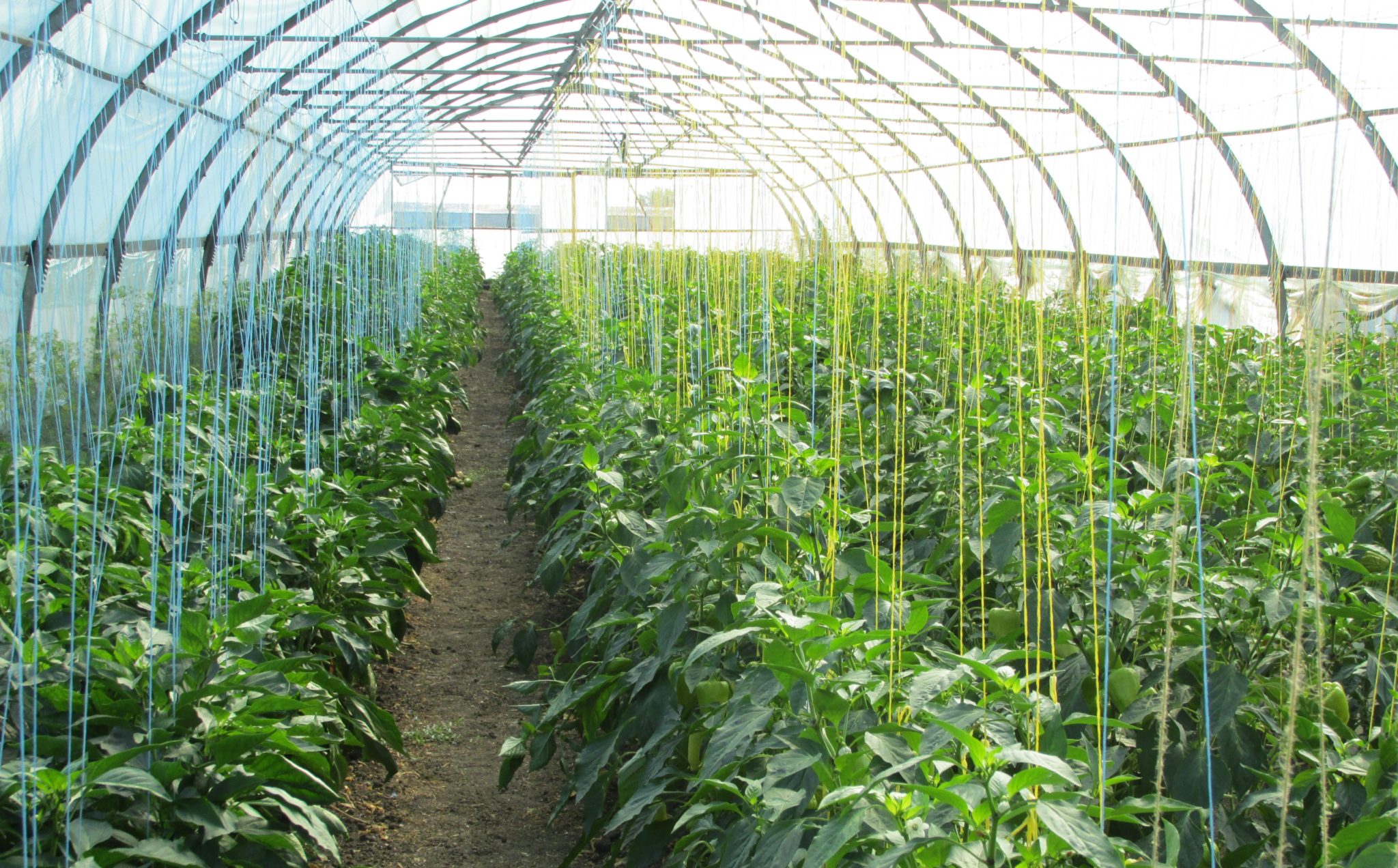
First of all, you'll need to prepare the soil before planting the seedlings. Even if gardeners use purchased soil, they should still add fertilizer before planting. It's best to add fertilizer two weeks before planting the pepper plants. For proper growth, it's crucial to ensure the soil contains all the necessary micronutrients and minerals from the very beginning.
Mineral additives, ammonium nitrate, superphosphates, and potassium sulfate are most often used for soil nutrition in greenhouses. These components are best used for soil preparation and after the peppers have begun to bear fruit.
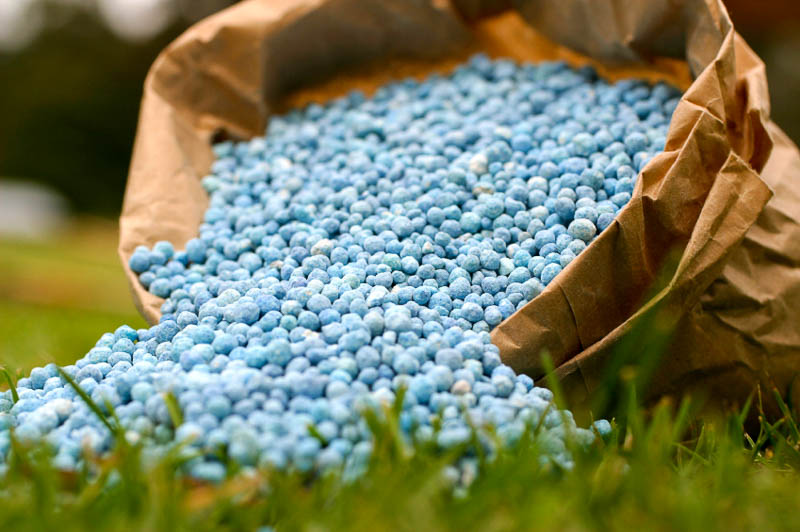
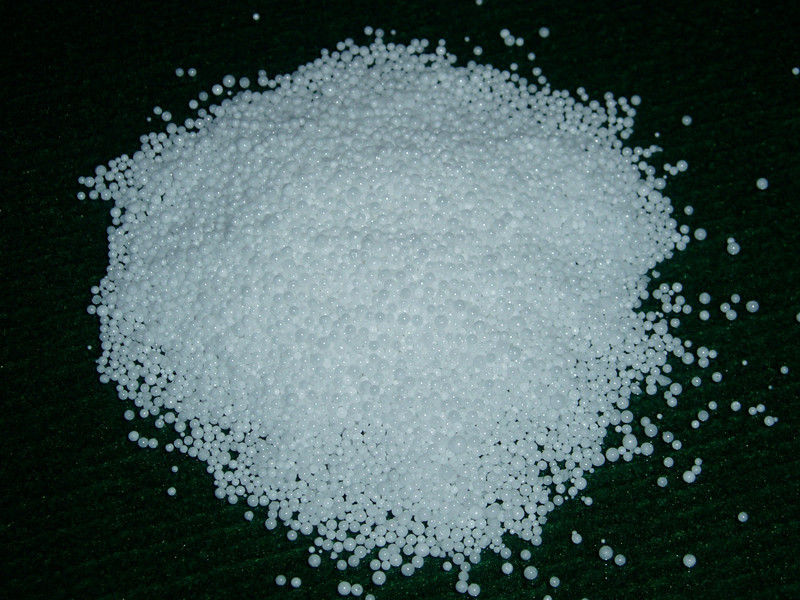
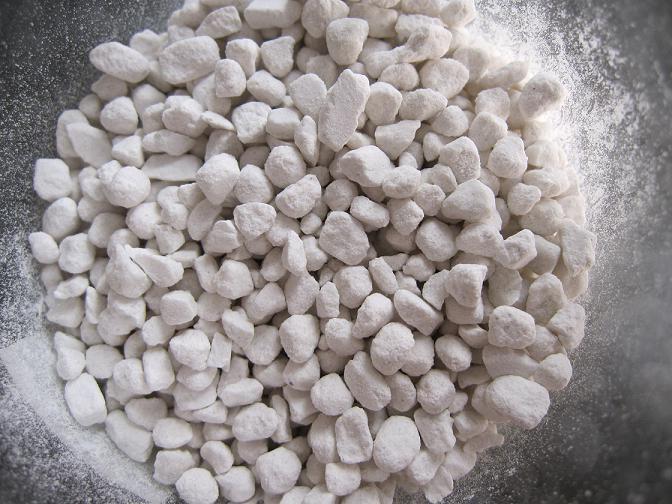
To ensure strong pepper growth and large, juicy fruits, high-quality fertilizers must be applied promptly and in the right amount. With proper care, the leaves will have a rich, dark green color (unless, of course, the particular variety has certain unique characteristics). By following a few rules, you can get a good harvest.
Fertilizing after planting
Why is it necessary to fertilize seedlings after planting? This question is quite common these days.
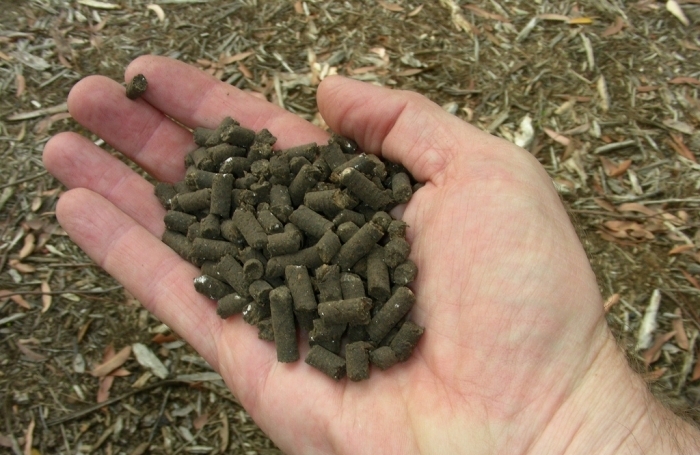
When planting young seedlings that haven't yet established themselves and adapted to the new conditions, fertilizer should not be used. After two to three weeks, it's best to apply organic fertilizer that doesn't contain concentrated chemicals. Eggshells, ash or wood ashes, bird droppings, and manure from herbivores can be used.
After planting, you can apply two light fertilizers if the soil is fertile enough (free of clay or stones). The first should be applied 2-3 weeks after planting the seedlings, and the second when the buds begin to set. It's best not to overdo it with chemical fertilizers, as this can negatively impact the leaves and fruit. They will have a watery taste and lack the aroma of a ripe vegetable, and this can also negatively impact the health of anyone who eats the peppers.
Some gardeners use ammonia as a fertilizer for peppers. It contains nitrogen compounds, which are essential for vegetable crops. Ammonia is added to water, and then the seedlings can be watered at the roots. Besides fertilizing the soil, ammonia can repel insects with its strong, pungent odor.
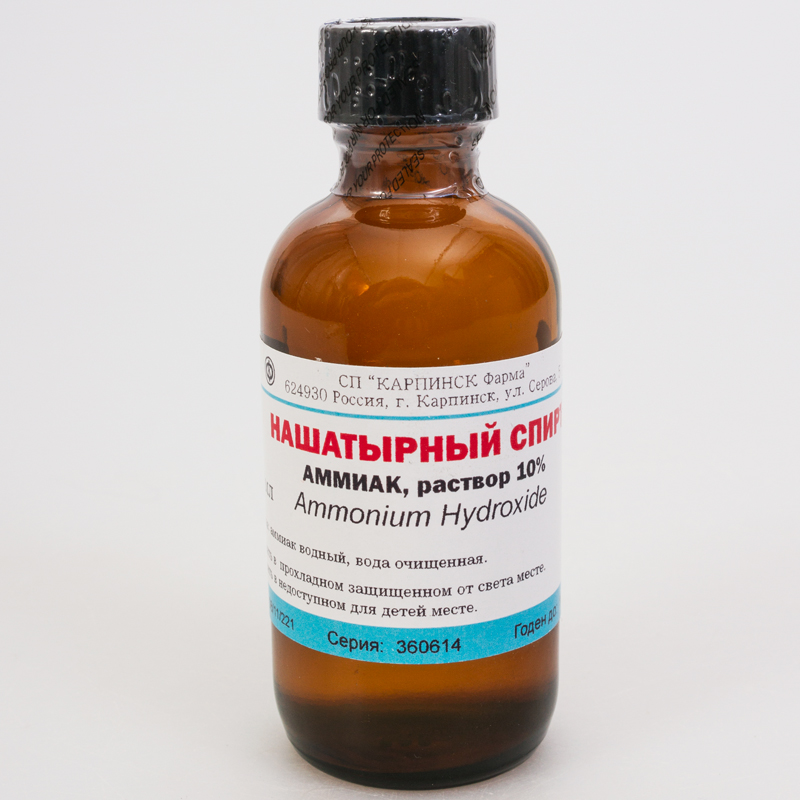
Ammonia can also quickly remove pale green hues. After watering the soil with the solution, you'll notice the leaves becoming richer and brighter within a few days. This indicates the plant is being supplied with nitrogen and oxygen. This improves photosynthesis and nutrition for the pepper. The accelerated process caused by the ammonia solution is explained by its faster absorption compared to other forms of nitrogen.
Care
The future planting location doesn't significantly affect care or soil preparation techniques. A greenhouse makes it easier to protect seedlings from weather changes, temperature fluctuations, wind, and rain. It's also much easier to maintain a stable humidity level here, ensuring consistent pepper growth.
Beginning gardeners often encounter poor pepper growth due to frequent, premature cold snaps, which can spoil some of the harvest. This causes the leaves to wilt, the plant to gradually bend, and the stem to weaken. Weather is a crucial factor in the growth of this crop. Such problems can be avoided by growing the peppers in a greenhouse. This is especially true for gardeners living in northern regions.
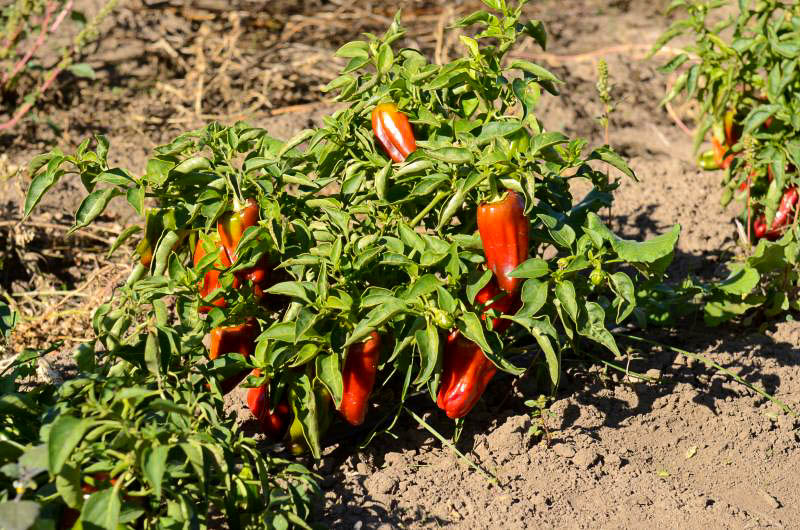
When growing peppers outdoors, you will need to monitor their condition more closely and periodically spray the seedlings against various pests and pathogenic microflora.
Leaf color is an indicator that seedlings are growing poorly or are experiencing nutritional issues. If the leaves turn pale or begin to wilt, more careful care is needed. Once you determine why your peppers are wilting, you should address the problem as quickly as possible.
This problem most often arises because the seedlings are experiencing a lack of water in the soil. This vegetable isn't as demanding as cucumbers, but it still requires regular watering and fertilization.
To ensure good growth, peppers need to be watered at the roots. Ideally, this should be done every 3-4 days, loosening the top layer of soil when a dry crust forms.
Video: "Sweet Peppers in Mid-June. Care, Fertilizing, and Variety Selection"
The video explains how sweet peppers develop, how to care for them, and what to feed them with in mid-June.
Protection from pests and diseases
Since most vegetable crops are highly susceptible to dangerous diseases that can significantly reduce or completely destroy the harvest before the end of the season, certain precautions must be taken. Selected varieties are more resistant to pests and diseases, but if peppers are grown in harsh conditions, even increased resistance will not protect the seedlings from death.
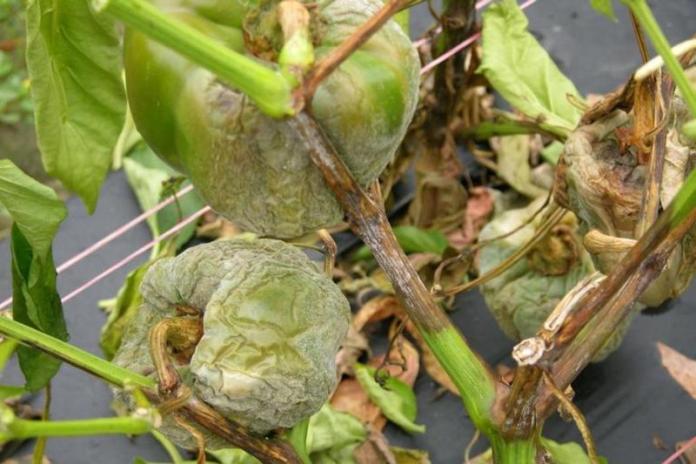
Late blight poses a particular threat to peppers. This fungal disease develops if proper care for seedlings is not followed. It can be triggered by low temperatures and dampness. If spores remain in the soil from the previous season (for example, after potato harvesting), the pepper crop will be at increased risk.
Therefore, it's advisable to use specialized antifungal agents. This can be done by spraying seedlings either in advance to prevent the disease from developing, or when the first characteristic signs are detected.
You can also prepare some treatments based on folk recipes. The main ingredients in these treatments can be sour milk or yogurt, and manganese. Each of these can be prepared separately.
When using sour milk, simply dilute about a liter of the mixture in a bucket of warm water. After thoroughly mixing, let it steep for several hours, then apply to the pepper leaves and stems.
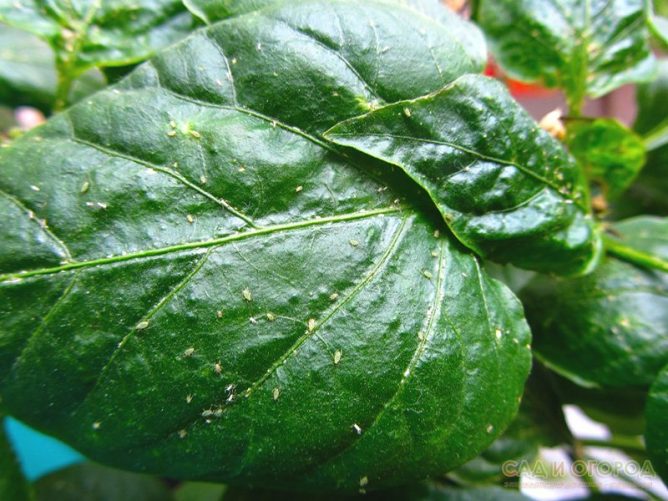
In addition to dangerous diseases, there are many pests that can significantly reduce pepper yields. They begin to eat the leaves and damage the stems of seedlings. In rural areas where vegetable crops are grown in large quantities, it is crucial to treat pepper plants promptly to prevent this problem.
Ammonia is a very effective pest control agent. Add ammonia to water, then add a little iodine to enhance the effect. Mix thoroughly, then apply to all seedlings. Ammonia effectively combats aphids, mole crickets, ants, and gnats.
Ammonia has a very pungent odor that insects dislike, and iodine also has an antibacterial effect. Remember, it's best to wear a mask or respirator while working, as inhaling the pungent odor can cause dizziness.
If you follow all the care measures to ensure rapid pepper growth, you can reap a bountiful and delicious harvest at the end of the season. In greenhouses, you can then plant fresh herbs.
Video: "The Ideal Fertilizer for Peppers and Tomatoes"
This video shows how to prepare a fertilizer for peppers, tomatoes, and cucumbers using natural plant-based ingredients.