
How to feed pepper seedlings at home: what fertilizers to use
Content
How to feed seedlings for growth?
Today, you can find completely different opinions on whether it's necessary to fertilize peppers at all while they're growing. Some gardeners believe that frequent fertilizing will stretch the young seedlings and make them unsuitable for planting. Others are convinced that a small dose of fertilizer should be applied with each watering; only then will the seedlings grow strong and healthy.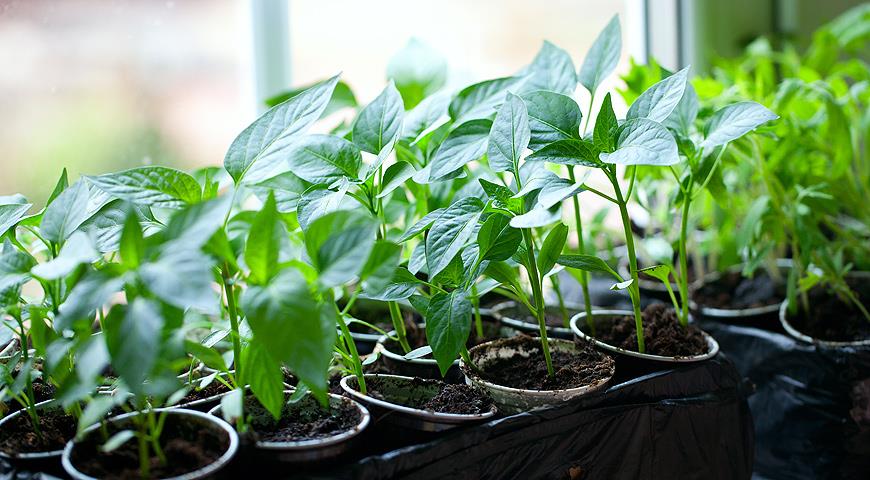
How often and what to feed pepper seedlings at home depends on the quality and composition of the growing medium. Typically, two feedings are performed throughout the entire period from germination to transplanting, and in some cases three, depending on the nutrient content of the medium. If a special soil mix for nightshade seedlings was used during planting, an early (first) feeding is not necessary, as the soil already contains all the necessary additives to provide the seedlings with nutrition during the initial stage.
If the seeds were sown in ordinary garden soil, then it is advisable to carry out the first feeding as soon as the seedlings have a pair of true leaves. This time is considered the most suitable for transplanting seedlings, and if this procedure is carried out, fertilizing should be postponed for two weeks. At the very beginning of seedling development, it is best to use mineral fertilizers: urea (5 g) and superphosphate (30 g) per 10 l of water, ammonium nitrate (20 g), superphosphate (30 g), and potassium salt (10 g) per 10 l of water. At this stage, potassium humate, ash, and compost can be used. Liquid manure is not recommended, as it leads to excessive growth of green mass.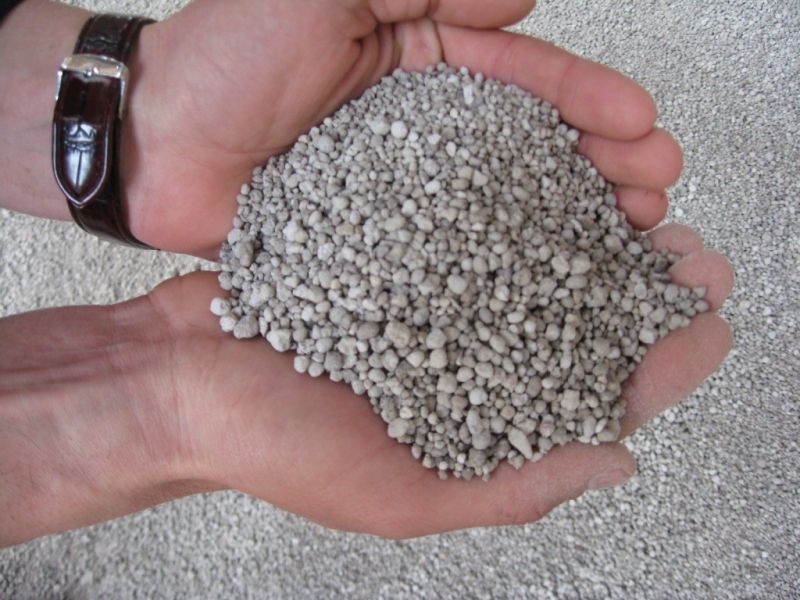
The next (second) feeding is carried out 10-14 days after the first. The nutrient solution composition is the same, but the concentration should be approximately doubled, as the peppers have grown and require more nutrients. Now you can use 50 g of superphosphate and 20 g of potassium. If your seedlings are developing well, you can easily do without this feeding – avoid over-fertilizing the soil.
The final fertilizing should preferably be done a few (4-5) days before transplanting. At this stage, the potassium dosage should be increased (30-50 g/10 l of water) – this will improve the plants' survival rate after transplanting and will positively impact future fruiting. Wood ash is a good source of potassium. In addition to the potassium mixture, superphosphate (40-50 g/10 l of water) should be added. This fertilizing is very important for peppers, as it will help the plants recover more quickly after transplanting.
Video: "Feeding Pepper Seedlings"
This video will show you how to feed pepper seedlings.
Natural fertilizers
Fertilizing pepper seedlings isn't limited to chemical-based mineral mixtures. Most gardeners use equally effective and safer folk remedies:
Herbal infusion with ash. To make it, you first need to prepare the infusion itself. Chop 1 kg of fresh nettles, add a bucket of water, and let it steep for 1-2 weeks until the fermentation process is complete. Then strain the mixture and dilute it with water and ash at a concentration of 100 ml of infusion and 20 g of ash per 1 liter of water.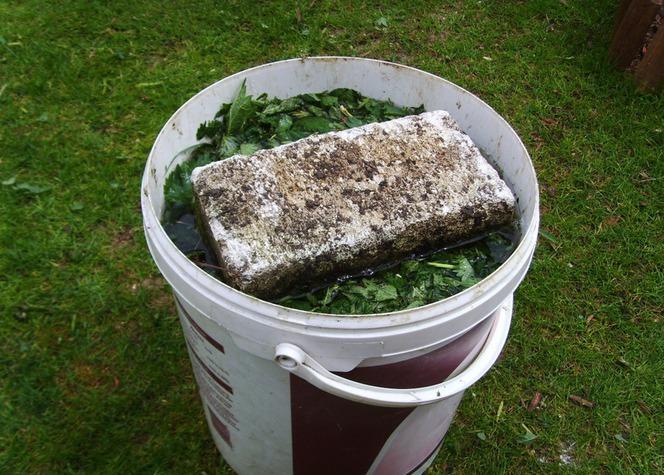
Black tea. Pour 3 liters of water over a glass of used tea leaves, let steep for 5 days, and then use to water seedlings.
Banana peels. The peels from 2-3 bananas are soaked in water (2-3 liters) for 3 days. Then, strain and use for watering 2-3 times. This solution contains a lot of potassium, as well as other salts and microelements.
Eggshells. Can be used as an infusion or crushed and added to the substrate. To prepare the infusion, fill a jar one-third full with eggshells, top it up with water, and let it steep for 3-4 days. The characteristic smell of hydrogen sulfide indicates the infusion is ready. The infusion strengthens plants and stimulates their growth.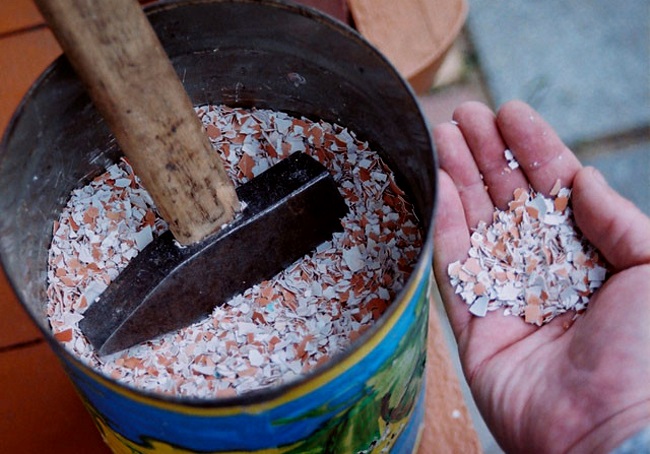
Onion peels. An excellent way to protect plants from pests, including bacteria and fungi. Dry onion peels can be added to the soil, or used as an infusion for watering. The infusion is prepared by mixing 10 g of peels per 1 liter of water and steeping for 4-5 days.
Iodine and yeast
These two fertilizer components are suitable for virtually all vegetable crops, including peppers. Yeast contains beneficial fungi, amino acids, proteins, and various micro- and macronutrients that accelerate plant growth at all stages. Iodine is an excellent antiseptic, increasing resistance to disease and damage.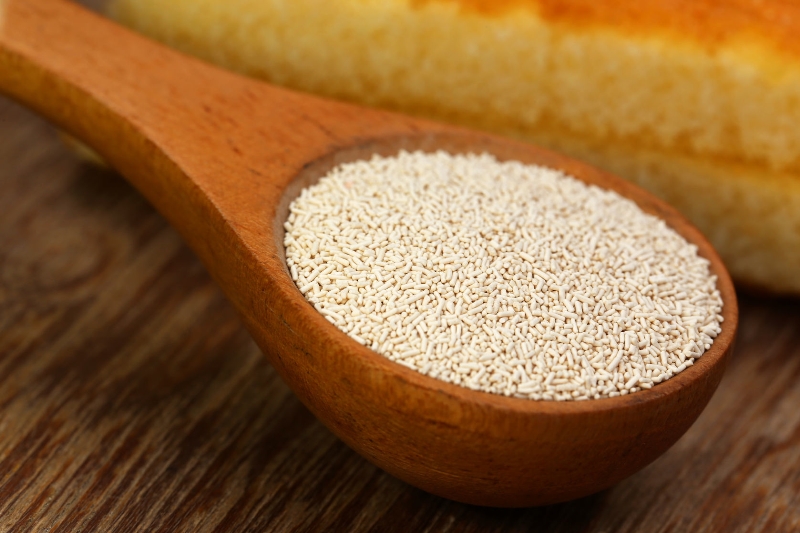
Yeast feeding has the most beneficial effect on the development of seedlings:
- promote more active formation of green mass;
- strengthen and accelerate the development of the root system;
- help plants take root faster and survive transplantation more easily;
- increase resistance to diseases, droughts and excessive moisture;
- inhibit fungal activity and improve soil microflora.
Treating seedlings with an iodine solution prevents infection, increases fruit set, and improves fruit flavor. Furthermore, preparing an antiseptic solution is very simple: dissolve 2 drops of iodine in 1 liter of water and then use it for watering. Iodine can be used in combination with mineral fertilizers. Before flowering, seedlings are fed with the following mixture: potassium (20 g), phosphorus (10 g), and iodine (10 g) per 10 liters of water. Many gardeners use whey or boric acid with a few drops of iodine to feed nightshade plants.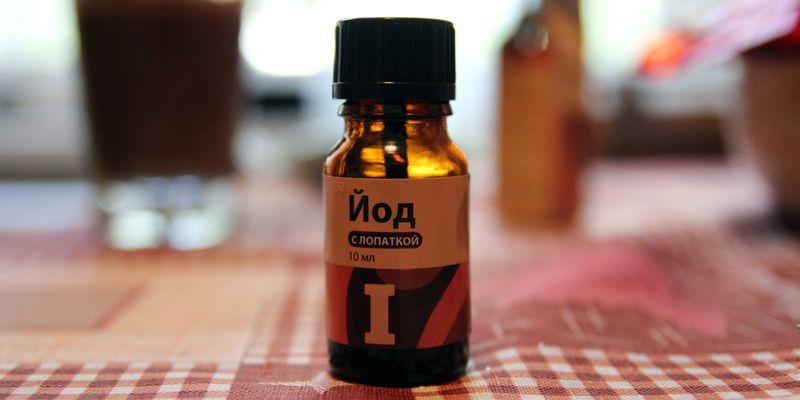
To prepare the yeast solution, dissolve 200 g of yeast (fresh or dry) in 1 liter of warm water and let it sit for several hours. For more active fermentation, you can add 100 g of sugar. Before watering, dilute the fertilizer with water at a ratio of 1:10. To make the mixture more nutritious, add 0.5 liters of ash per 10 liters of the diluted solution.
Ready-made mixtures
You can do it even easier – use ready-made fertilizer mixtures that are diluted with water to the required concentration before use, or are already in a diluted form:
- "Kemira-Lux" is a ready-made composition for indoor plants and seedlings, used at a concentration of 1 g/1 l of water for the first feeding and 2-3 g/1 l of water for the second and subsequent feedings;
- "GUMI Kuznetsova" is a powerful stimulating mixture containing a complex of nutrients (phosphorus, nitrogen, potassium, sodium), used for pepper seedlings at a concentration of 1 g / 1 l of water;
- "Kristalon" is a stimulating solution for growth and root formation, contains a complex of microelements in chelated form, for fertilizing seedlings diluted 2 g / 1 l of water;
- "Ideal" is a universal complex mixture based on vermicompost. It accelerates plant development and increases resistance to diseases and stress. For the first feeding, dilute 0.5 ml/1 l of water, for the second and subsequent feedings, 1 ml/1 l of water.
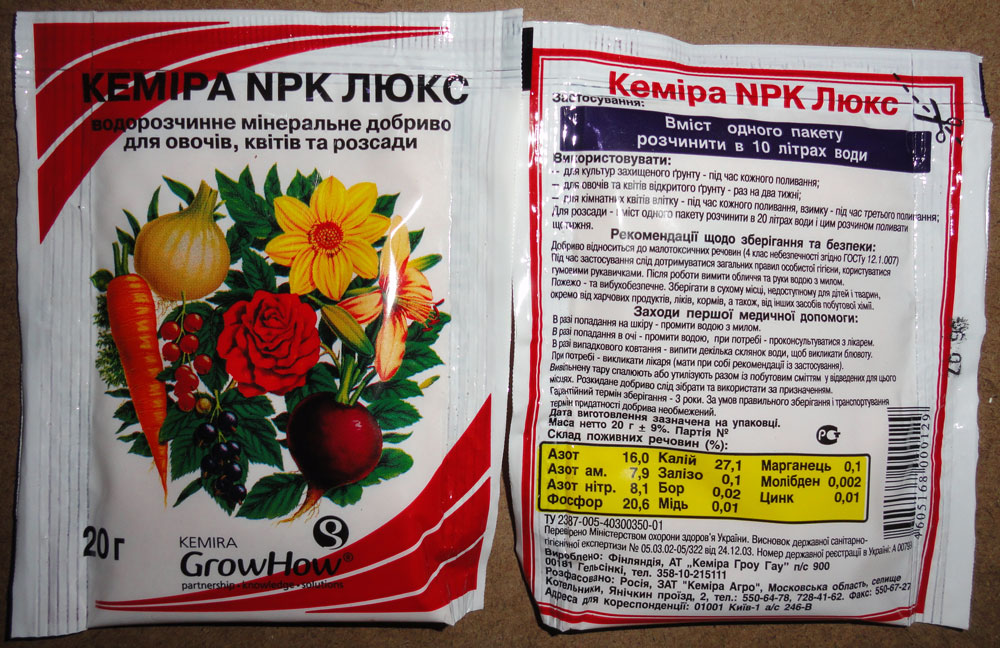
When using such mixtures for seedlings, strictly adhere to the recommended concentration - it should be 2 times less than for adult plants.
Rules for fertilizing
To ensure that fertilizers bring maximum benefit, a number of rules should be followed when applying them:
- The first and most important rule is that it's better to underfeed plants than overfeed them. This means avoiding exceeding the recommended fertilizer concentration, as a deficiency can be easily replenished, while an excess is much more difficult to correct.
- For seedlings, only liquid fertilizers are used, which are applied to the soil or under the roots - if the solution accidentally gets on the leaves, they must be washed with water;
- It is better to fertilize in the morning so that the soil dries out during the day - cooling of wet soil at night provokes the development of fungal diseases;
- nutrient solutions should be slightly warm (slightly warmer than room temperature);
- any fertilizers should be applied to well-watered and loosened soil;
- You cannot feed pepper seedlings with fresh manure (solution);
- You should not fertilize immediately after picking or replanting.
Signs of nutritional deficiency in plants
Scheduled fertilizing isn't always enough for normal seedling development. If the substrate the seedlings are growing in isn't very fertile, or the fertilizers weren't chosen correctly, the plants may lack certain nutrients, which will quickly affect their appearance.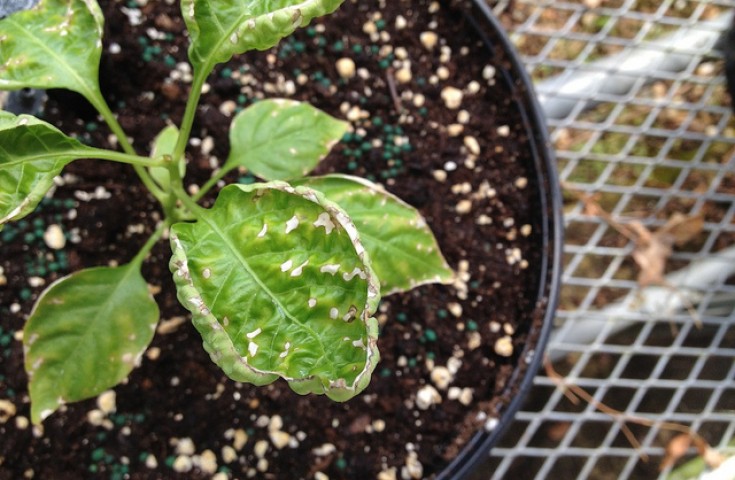
You can determine which minerals or microelements you are lacking by the following signs:
- the lower leaves have become lighter and thinner – a sign of nitrogen deficiency;
- if the top becomes lighter and dries out, there is not enough iron;
- wilting leaves are a sign of copper deficiency;
- bluish veins or a purple underside of the leaf indicate a phosphorus deficiency;
- curling of leaves at the edges – lack of magnesium;
- darkening of the stem indicates a lack of boron;
- apical rot is a sign of calcium deficiency;
- Yellow or dried out leaf edges are a sign of potassium deficiency.
Any of these signs indicates the need for additional supplementation of the missing element. This allows you to monitor and promptly adjust the seedlings' development, which will help ensure healthy planting material and, consequently, a wonderful harvest in the future.
Video: "Seedling Care"
From the video you will learn how to properly care for seedlings.