
A review of the best varieties and hybrids of sweet peppers
Content
Early
Gardeners most often plant early varieties of sweet peppers, taking into account their warming times. Here are some examples of the most common varieties of this popular bell pepper, along with descriptions of their characteristics and other distinguishing features.
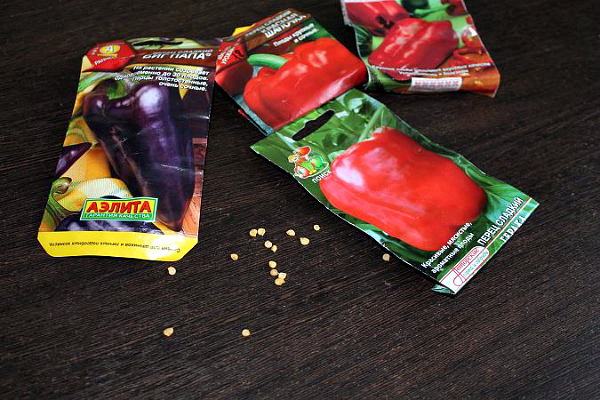
Lumina
Lumina fruits reach an average weight of 120 grams and are white-gold or pale green, with a pinkish tint sometimes visible. The color depends on the soil type and the vegetable's micronutrient and vitamin content. The more sunlight the fruit receives, the lighter it becomes. It has a sweet, watery taste, but is not overly aromatic, lacking the distinctive odor that would distinguish Lumina from others. The fruits are elongated cone-shaped and thick-walled. It is very popular among farmers and is one of the first to appear at markets. Lumina requires little care, is undemanding in open ground, and produces a good harvest with infrequent watering. It is primarily planted outdoors. Ripe vegetables can be stored in a cool, dry place for up to 4 months and are easy to transport, as they do not wrinkle or crack. Given the low growing costs, they are inexpensive.
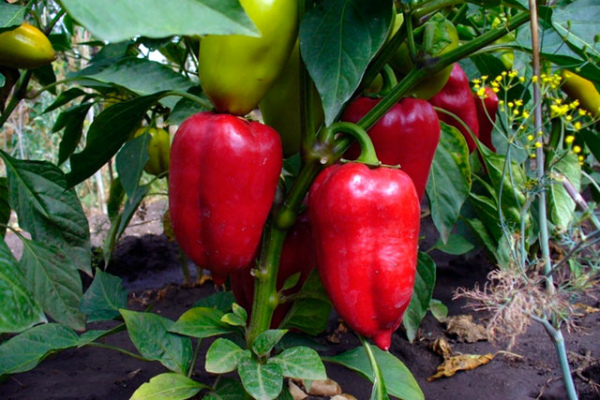
Ivanhoe
Although recently bred, this pepper has already proven itself. This vegetable pepper ripens 3.5 months after the first shoots emerge. Unlike fully ripened fruits, they don't yet have the same rich flavor and color, but they are still edible. Ivanhoe peppers are typically cream or white, and when fully ripe, they turn red or orange. Each fruit averages around 130 grams in weight and has a narrow, conical shape with walls over 6 mm thick.
Bull
An early-ripening yellow bell pepper. The fruits are thick-walled and large, and each can weigh up to half a kilogram. Its flavor is typically watery. It's not ideal for preserves; it's best used in salads or stuffing. The bushes are tall (up to 60 cm) and strong enough to support the ripe fruit.
Health
Another variety that ripens very early, this pepper plant can produce up to 15 fruits at a time. Its shape is the same as most varieties—conical—but the fruits are small.
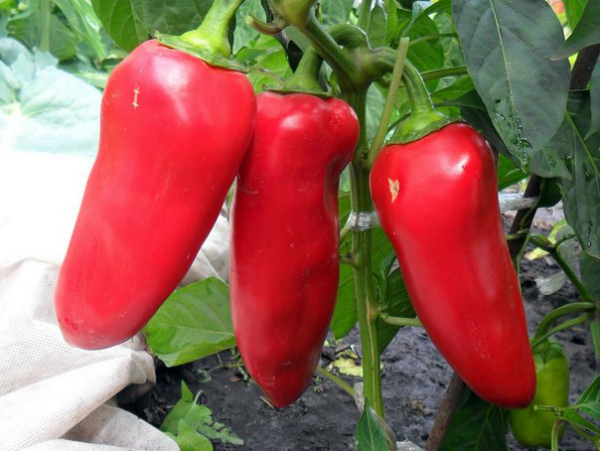
Marinka's Tongue
This vegetable variety was grown in Ukraine. It is commonly planted in open ground due to its good tolerance to variable weather conditions. A single plant can produce a large number of fruits, so they will need to be tied to supports. The fruits are thick-walled, large, and weigh over 200 grams on average. The shape of the fruits is elongated and narrow, with a distinctive curve. Ripe peppers can range in color from light to dark red.
Apricot Favorite
This variety has low bushes, and the fruits themselves are medium-sized—approximately 130-150 grams when fully ripe. A characteristic feature of Favoritka is its constant and consistently high yield, even in the most unfavorable seasons.
Tusk
This variety grows very large and tall (over one and a half meters) and produces a delicious sweet pepper with a fragrant aroma. The elongated cylindrical shape, predominantly red in color, and medium-sized fruits.
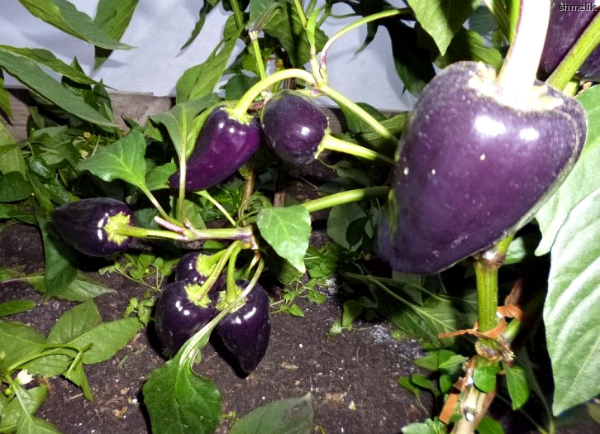
Big Daddy
A colorful variety that can be either red or purple. It's resistant to various diseases and produces a consistent harvest.
Orange miracle
Large bushes, reaching a meter in height, bear medium-sized fruits. The fruits are cube-shaped and turn bright orange when ripe. They have a sweet taste and a pleasant aroma.
Early pepper varieties gradually gave way to hybrids. These new varieties were bred to accentuate specific characteristics of a variety and combine most of its best qualities in a single genetic plant. However, hybrids require more sophisticated cultivation and equipment and are most often planted in greenhouses rather than open ground. Seeds for hybrid varieties are also expensive.
Hybrid colored varieties can have any color, even purple, and an unusual shape.
Mid-season
Mid-season pepper varieties are generally chosen for their flavor and are grown in appropriate latitudes. Bell pepper varieties can vary significantly in fruit weight, growth rate, and fruit shape.
A gift from Moldova
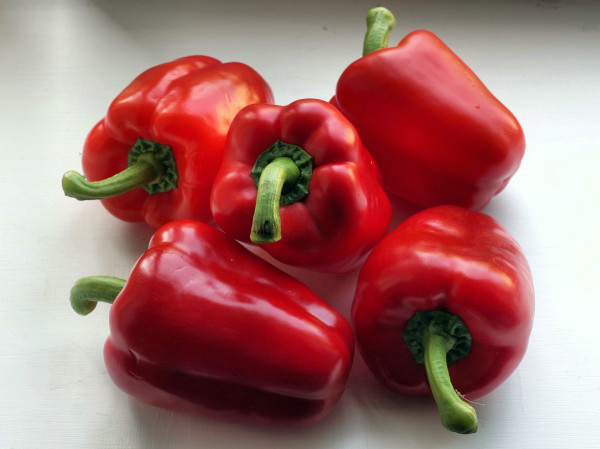
Podarok Moldovy is a variety that is highly resistant to various weather conditions, adapts well to heat and frequent rainfall, and is undemanding of soil fertility. For this reason, Podarok Moldovy is planted outdoors rather than in greenhouses. This variety has a high yield and is rarely susceptible to disease. This salad pepper has proven itself in a wide variety of regions, which speaks positively to its adaptability. On average, each Podarok Moldovy fruit weighs 80-90 grams. Like most bell pepper varieties, it has a bright red color, thick walls, and a conical shape. Podarok Moldovy is quite stable for long-term storage, is easy to transport, and has a very high yield. Podarok Moldovy was bred specifically for cultivation in Crimea and Kuban, but is not suitable for northern regions.
Cherry pepper
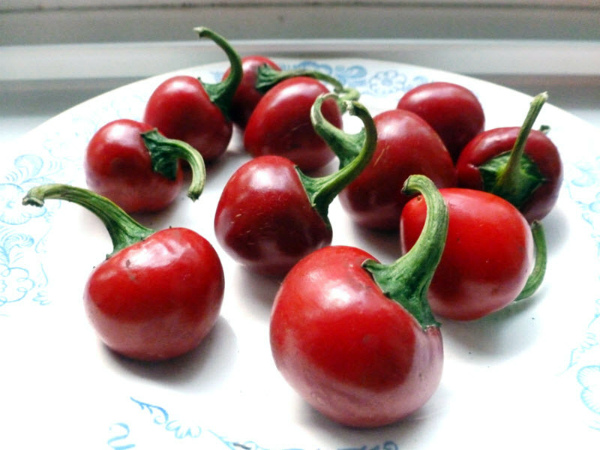
This variety is a common vegetable, but its fruits are characteristically small. This makes cherry tomatoes ideal for canning. They are rich in proteins, carbohydrates, fiber, vitamins, and microelements. Their color can be either yellow or red.
Purple Othello F1
A genetically bred variety, it has tall bushes and medium-sized, cone-shaped fruits. Before the peppers fully ripen and turn brown, they turn purple. Purple is a fairly rare color.
Chinese peppercorns are considered mid-season. Most varieties are so pungent that they are often confused with chili peppers. Chinese peppercorns come in a variety of colors, from white to purple.
Video: "Review of Successful Bell Pepper Varieties"
See which varieties have proven successful in greenhouse conditions in northern Russia.
For the Moscow region
Pepper varieties grown in the Moscow region typically require special weather resistance, as the climate is not suitable for all varieties. For example, the Podarok Moldovy variety is not well suited to the Moscow region. For higher yields, consider planting the plants in greenhouses rather than in open ground.
Atlantic is one of the varieties best grown in a greenhouse. This hybrid salad pepper offers large, thick walls and ripens fairly early. The fruits have an elongated, barrel-shaped form. It's also worth noting that the fruits are resistant to many diseases, resulting in a good yield.
Other varieties worth considering for planting include Malinovoye Chudo, Chardash, Funtik, and Buratino. These varieties were bred specifically for temperate climates and yield about two kilograms of fruit per bush.
Early-ripening varieties for planting in the Moscow region include Zaznayka, Korneta, Litsedey, and Kupidon. They have very good yields and are easy to care for.
For Siberia
Since Siberia has a very harsh climate, not all varieties of sweet pepper can be grown in these areas.
Over the past 30 years, resistant vegetable varieties have been developed that can maintain their yields in such conditions. Planting "Gift of Moldova" in these areas is not recommended, as it is not known to tolerate cold.
If gardeners don't have the opportunity to plant pepper varieties appropriate to their climate, it's best to avoid planting this vegetable crop until they can obtain suitable seeds.
Plants grown outdoors will be more vulnerable and may not survive inclement weather. Therefore, it will be necessary to cultivate the soil and protect the seedlings in specially equipped greenhouses and hotbeds.
The best varieties for this area will be hybrids, as they are genetically bred to tolerate cold climates.
Take the Triton variety, for example. This colorful variety was bred for very early fruiting. It tolerates adverse weather conditions well. Therefore, it can be planted in the southern regions of Siberia. For this area, Triton is one of the best options.
Also suitable for growing in Siberia are Topolin, Chardash, Red Giant, Lastochka, Alyosha Popovich, and Pervenets Sibiri.
Video: How to Choose the Right Pepper Variety
To avoid making a mistake when choosing seeds, watch this video.