
Description and secrets of successful cultivation of Ramiro peppers
Content
History and zoning of Ramiro pepper
One of the most popular varieties of sweet pepper today was developed in Italy. It has been cultivated in Europe for over 20 years, but its cultivation is not limited to this area, and it has successfully established itself in Latin America.
But the debate about the pepper's origins continues. Most farmers have concluded that Ramiro is not a cultivar, but a type of cultivar that encompasses several hybrid forms. Some professional gardeners are convinced that it is, in fact, a cultivar, because the seeds often retain varietal characteristics.
Ramiro seeds are produced in Holland, Italy, Spain, and even Lebanon. But the cultivar's originator is undoubtedly the European brand De Ruiter.
Characteristics and description of the variety
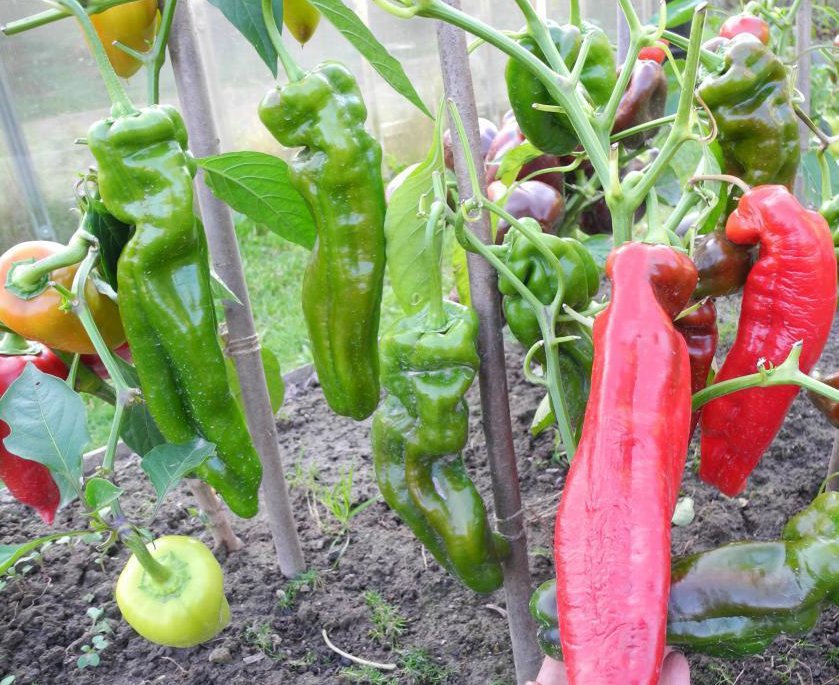
Ramiro's appearance resembles a large specimen of the famous chili pepper. But the similarities end only in appearance.
Botanical portrait of a plant
Externally, the Ramiro bush is virtually indistinguishable from its nightshade relatives. However, not everyone can boast a robust bush, reaching a height of about a meter. The stems are quite strong and flexible. The bright green leaves darken over time and acquire a more intense hue. The flowers are small, white, with a yellow center. A single bush typically produces up to 12 fruits.
Peppers can be planted both in greenhouses and in the open ground. Ramiro is relatively undemanding of weather conditions, but requires ample amounts of sunny days.
Description and taste of pepper
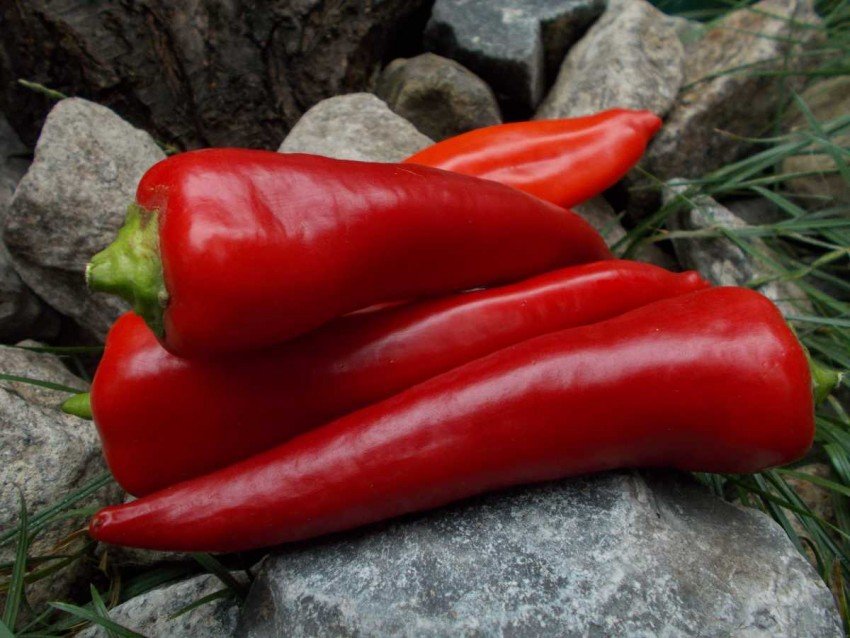
In fact, it's very easy to identify the Ramiro pepper by the characteristic creases near the stem. Because the fruit is very long, up to 30 cm, it appears quite thin. The diameter is about 4 cm, with a wall thickness of up to 6 mm, and the seed pod (seed receptacle) is very small. The walls are very thin and elastic. A single pepper can weigh 90-160 g.
As for the colors of Ramiro fruits, it can be red (the most common), yellow, orange and rarely green.
Interestingly, yellow and orange fruits are juicier and softer.
The pepper's flavor is distinctly sweet, without a hint of bitterness or paprika, delicate and mild. The pods have a pleasant, subtle aroma.
-
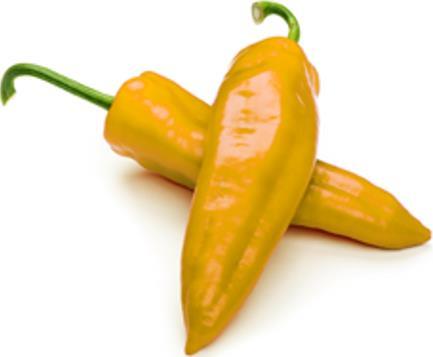
- Yellow
-
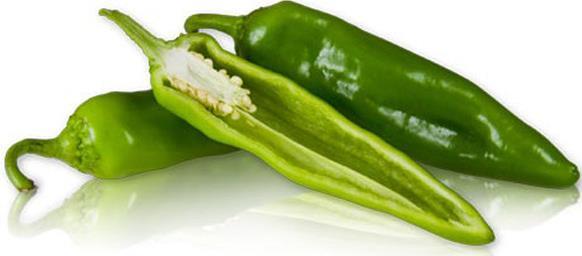
- Green
-
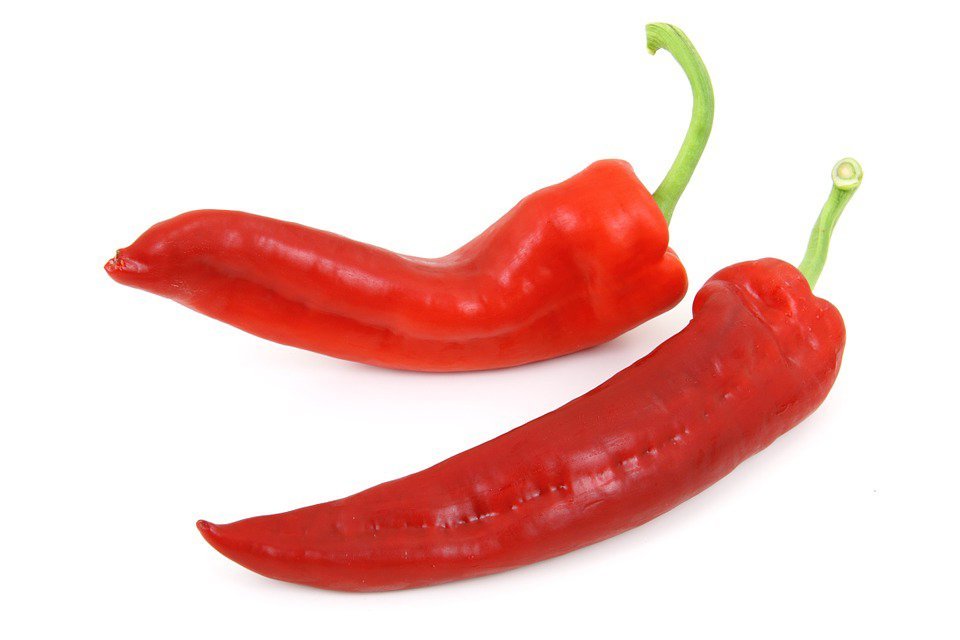
- Red
Fruit ripening rate
Ramiro ripens earlier than other common varieties, but it takes a little over three months from sowing for the fruit to fully ripen. It's recommended to sow the seeds for seedlings at the end of February; in a greenhouse, this can be done mid-February.
Productivity and scope of application
A single Ramiro pepper bush can yield up to 12 large fruits. Its delicate, mild, and mild flavor makes it suitable for both fresh and cooked use. The peppers are especially good in dressings and sauces, thanks to their thin walls, juiciness, and virtually seedless nature.
Ramiro is rightly considered the leader among its peers in vitamin C content. The fruit also contains vitamins B, H, and PP, as well as numerous minerals (calcium, potassium, selenium, phosphorus, iron, and others), fiber, and natural sugars. Consuming this product has a beneficial effect on the gastrointestinal tract, promotes the elimination of toxins, and is ideal for dieting and detoxing.
However, consuming this product raw should be done with extreme caution: it can cause some heaviness and discomfort in the intestines. People prone to allergic reactions should also exercise extreme caution.
Advantages and disadvantages
It's extremely rare to find a product that has no flaws. Ramiro is no exception. While peppers have many advantages, they also have some drawbacks that can be a turn-off for gardeners.
- large, strong bushes with a large number of fruits;
- Suitable for growing in greenhouses and open ground;
- high productivity;
- excellent taste and commercial characteristics;
- wide range of applications;
- good for health.
- seeds for seedlings should be purchased, as independently collected ones may lose the main characteristics of the cultivar type;
- quite late ripening period in open ground.
Video: Growing Ramiro Peppers
This video shows how to germinate garden crop seeds.
Growing and caring for Ramiro peppers
Growing peppers from seeds purchased from producers is not a difficult process, but it is labor-intensive and time-consuming. However, if you follow the advice and recommendations of experienced gardeners, you're guaranteed excellent results.
Experienced gardeners recommend planting peppers behind taller crops to protect the bushes from strong winds and drafts.
Planting seeds
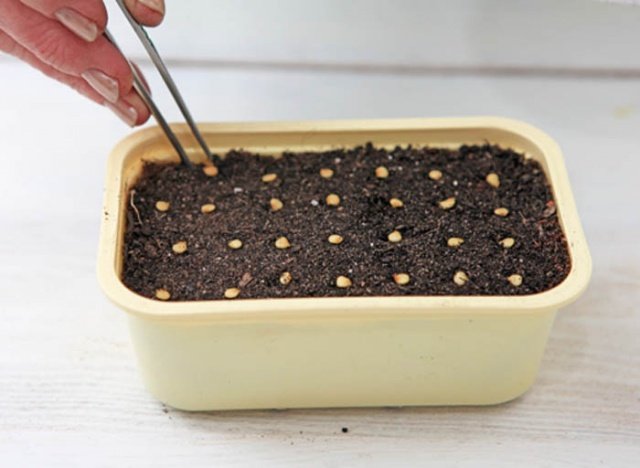
To speed up seed germination, it's recommended to soak the seeds in a potassium permanganate solution (which also serves as a disinfectant) until they swell completely before sowing. Afterward, place the seeds on slightly damp cotton wool for a couple of days.
You can make your own fertile soil from soil, humus, and sand. However, you should be careful to prevent fungal spores and pest larvae from getting into it. To do this, add a cup of ash to the mixture.
The container for germinating seeds should be small, no more than 12 cm in diameter. The seeds are sown at a depth of up to 1.5 cm, and the first shoots will appear within 24 hours. The emerging shoots are thoroughly moistened and covered with a glass dome.
Growing seedlings
The seedlings need comfortable growing conditions. Daytime temperatures should be between 21–22°C (70–72°F), with nighttime temperatures dropping to 15°C (59°F). Once the seedlings reach a height of 5 cm (2 inches), the temperature should be raised to 27°C (80°F). Frequent watering is not recommended, as this can lead to root rot. The soil should also not dry out; it's best to rely on the condition of the top layer of soil. The glass cover should be removed for a short time at least once a week to allow the seedlings to air out.
Transplantation into open ground
It's important to keep one thing in mind: you can't plant peppers in the same spot; you need to alternate the crop with cucumbers, cabbage, zucchini, or pumpkin.
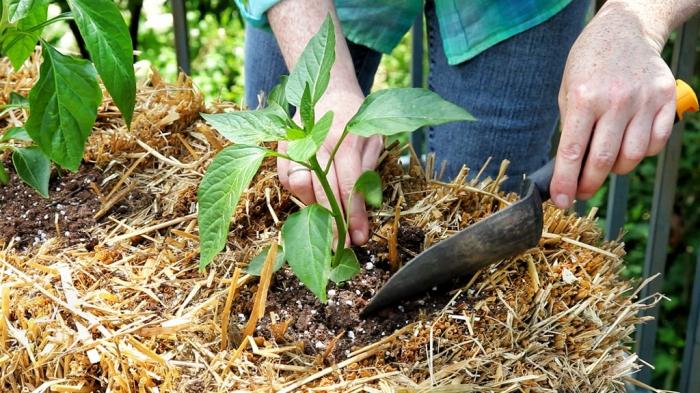
The soil should be light and pre-disinfected with copper sulfate. Depending on the region, seedlings are planted in May or June, at a rate of 4–5 plants per 1 m. The planting depth should be slightly deeper than that of the seedlings' original containers.
Watering and fertilizing
Water for irrigation should be warm and settled. This can be achieved by collecting water in the morning and warming it in the sun throughout the day. Typically, watering is done once a week, but in hot weather, watering should be done every few days. Increase the frequency of watering during flowering.
Bush formation
The formation is carried out in several stages. First, the top flower is removed, and further shaping occurs after the bush has acquired several stems and at least 10 leaves. Typically, 3-4 stems are left and the number of ovaries is regulated. The remaining shoots are removed. The lower leaves are also gradually removed to speed up the ripening process.
Resistance to diseases and pests
By following all crop care guidelines, you can successfully prevent diseases. However, if you create favorable conditions for diseases—overwatering, low temperatures—fungal infections can develop. Diseases can be controlled with copper-containing preparations and fungicides, such as "Barrier" and "Zaslon," which can also be used preventatively.
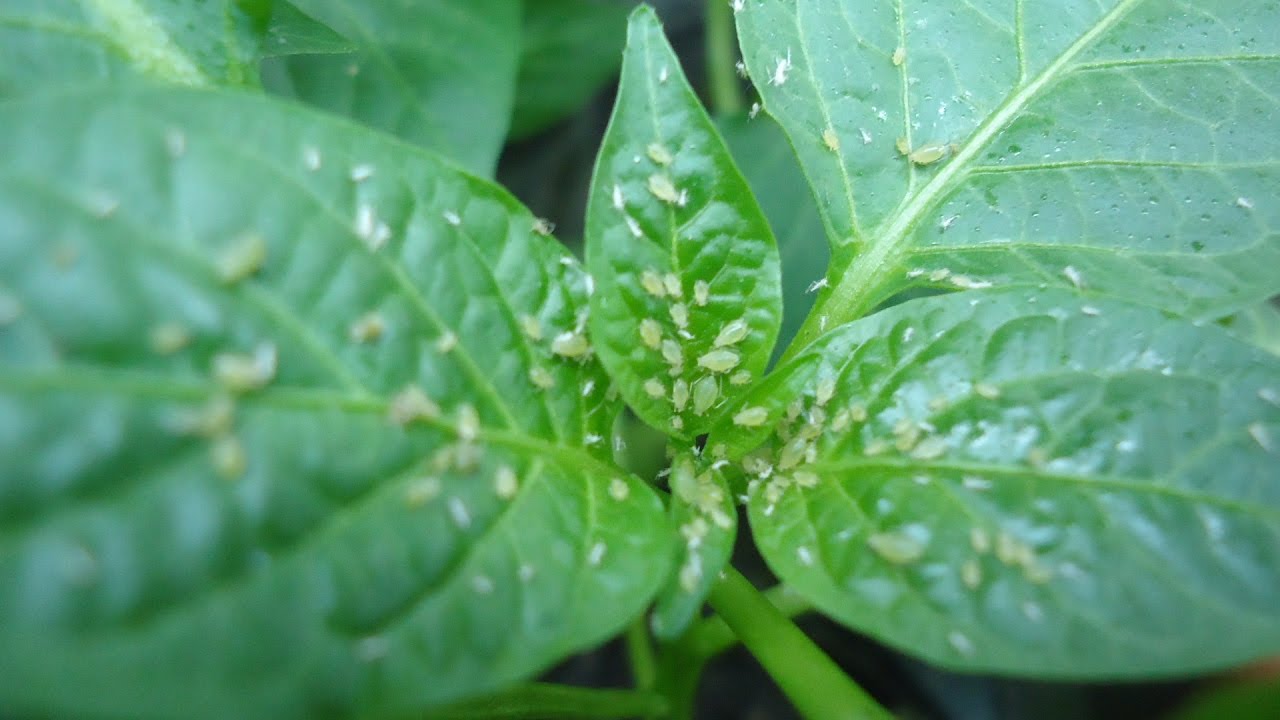
Peppers, including Ramiro, often attract slugs, aphids, spider mites, and wireworms. Insecticides are best for controlling them, but folk remedies like wood ash and garlic infusion can also be used as a preventative measure.
Reviews from gardeners
"My family loves various preserves. Ramiro is great for salads, lecho, and sauces. It's also a good choice for vegetable soups and grilling. I've been growing it myself in a greenhouse for several years now. We haven't had any problems yet."
"Very sweet and tasty. Not as juicy as bell peppers, but a great alternative for salads. I plant them with tomatoes and next to garlic. They're rarely bothered by pests, and they're easier to water."
Ramiro is an excellent choice for those who prefer sweet pepper varieties. Furthermore, growing your own seedlings will save you money and ensure you get the results you're looking for.