
Growing chili peppers at home
Content
What you need to know about him
Chili pepper, also known as cayenne pepper, is one of the most ancient plants. This species belongs to the Solanaceae family. Its cultivation as a cultivated plant began as early as 6,000–7,000 BCE. This pepper species is native to Bolivia. However, it arrived in Europe much later.
Chili peppers were originally used as a tasty spice for various dishes, but scientists later discovered their beneficial properties. The peppers are rich in vitamins C and A, making this plant widely used in folk medicine. Medicinal products made with this pepper variety are used to treat the following ailments:
- headache;
- arthritis;
- colds;
- poisoning.
Therefore, having such a plant will not only be beneficial from a gastronomic point of view, but also useful in terms of having a “folk healer” in the house.
The fruits of this plant can be green or red. The color depends on the pepper variety. Few people realize that hot chili peppers (both red and green) can be grown at home. Moreover, the peppers themselves, grown at home, can have fruits of different colors (red or green), as well as different shapes. Here again, everything depends on the variety chosen.
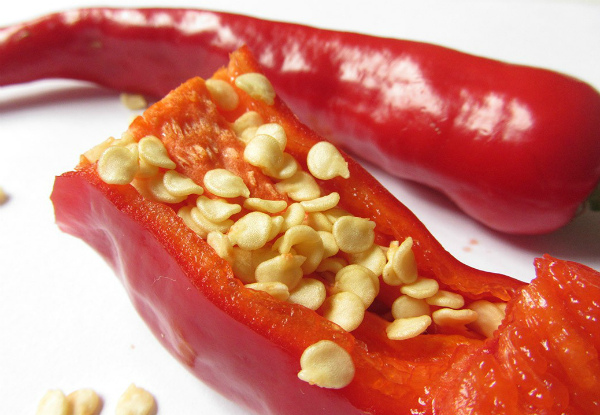
Each pepper (red or green) grown this way contains a large number of seeds, which can be stored and later used to grow seedlings. The seeds of this pepper are round and yellow, with a diameter of about two millimeters.
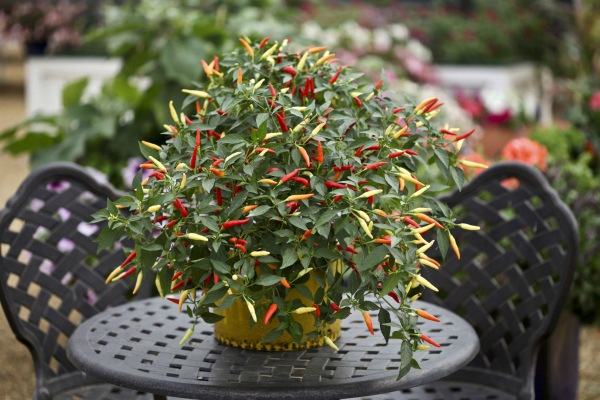
Homegrown peppers produce vibrantly flavored fruits. They can be used in a variety of culinary creations, serving as a seasoning or ingredient. They can also be preserved or used as a traditional medicine in the form of tinctures and poultices. Furthermore, these peppers (red or green) can be stored at home. Properly stored, they will provide a delicious, spicy seasoning for holiday dishes this winter.
In addition, it should be said that home-grown peppers have an excellent appearance and can be used for decorative purposes to decorate the home.
As we can see, growing hot peppers at home will be an excellent solution.
Preparing seedlings
People who grow hot chili peppers (red or green) at home often use seedlings. Of course, you can always simply plant a seed in a pot of soil. But in this case, you'll have to wait much longer for the first shoots to emerge, and the end result may not be what you expected.
Therefore, to grow chili at home, you need to get seedlings. The first step is to plant and germinate the seeds correctly.
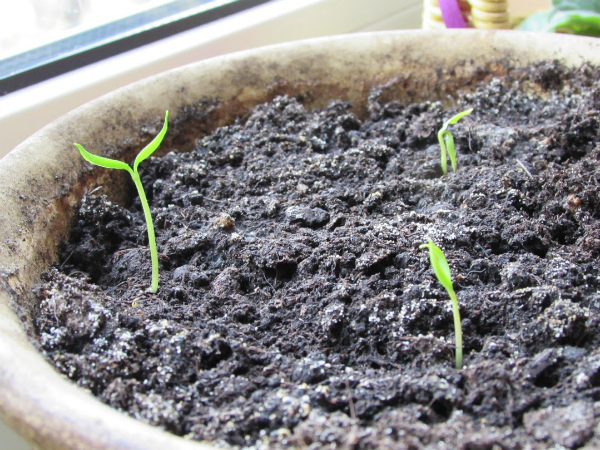
To germinate chili pepper seeds, they must not only be stored properly but also planted. To do this, perform the following steps:
- Place the seeds between damp paper towels and leave them there for 4–5 days. This will speed up the germination process.
- After the specified time, remove the seeds. They should appear swollen and begin to sprout. This means it's time to sow them.
- Sow the sprouted chili seeds in a shallow box.
- Planting material should be spaced 5 cm apart. This will prevent the seedlings from becoming too elongated.
- The seeds should be planted in fertile soil to which vermiculite has been added.
- It is recommended to immerse the planting material into the soil shallowly, approximately 0.5 cm.
- After planting is complete, the soil should be watered.
Please note that each pepper variety (red or green) has its own germination time.
This must be taken into account when growing plants using seedlings, as this period can last up to 3–4 weeks.
While monitoring the seedlings' growth, it's important to periodically check the soil. If it begins to dry out, sprinkle it with water. The watering regime for chili plants should be balanced, maintaining a happy medium. This means the soil should remain moist, but never overwatered. Both excessive humidity and dryness negatively impact seed germination.
Furthermore, to successfully grow hot pepper seedlings, just like tomatoes, a specific temperature regime must be maintained. It's important to remember that each chili variety (red or green) requires a specific temperature level for its seeds to be stored and grown. On average, the temperature for these plants grown indoors should be maintained between 22–25 degrees Celsius (72–77 degrees Fahrenheit). This temperature must be maintained consistently.
When the first green shoots of future seedlings appear on the surface, it's time to adjust their growing conditions. Maintaining the desired results is crucial at this stage. To ensure the seedlings continue to develop and grow, they need the necessary light. Insufficient light will cause them to stretch excessively, leading to thinning and discoloration.
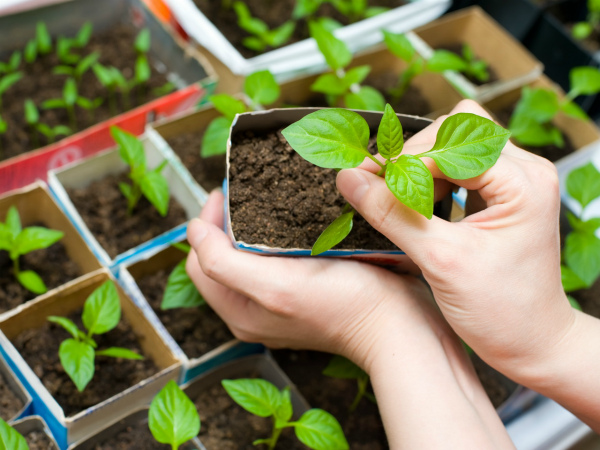
The most reliable and effective way to illuminate hot pepper seedlings is with artificial light. Lamps should be positioned 25–30 cm above the seedlings. Chili plants should receive 18 hours of daylight per day. To ensure accuracy, the lamp can be equipped with a timer.
Once you've created all the necessary conditions for seed germination, all you need to do is be patient and continue watering and caring for them until they develop strong seedlings that can be planted in their permanent location—a flower pot.
Landing
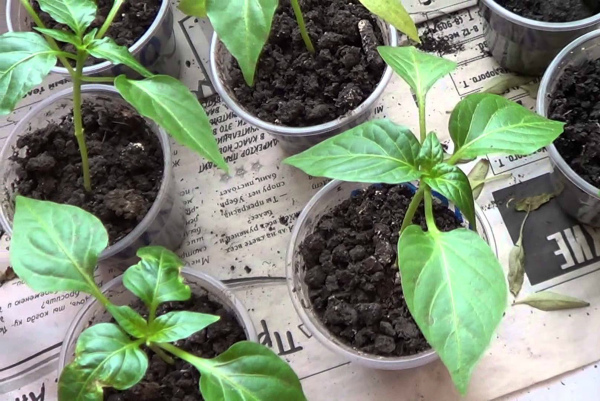
Hot pepper seedlings are planted only after they have developed two pairs of leaves. Their presence signals the need for replanting. This procedure is as follows:
- The planting container should be 8–10 cm in diameter and shallow. Plastic pots are the most suitable. You can also use those left over from other houseplants. Ceramic pots are not recommended.
- At the bottom of the container we form a drainage layer at least 3 cm thick.
- After this, we pour a soil mixture suitable for growing peppers into the pot.
- We plant the seedlings to a depth of 0.5 cm, without burying the stems.
- After this, we sprinkle the sprout with soil.
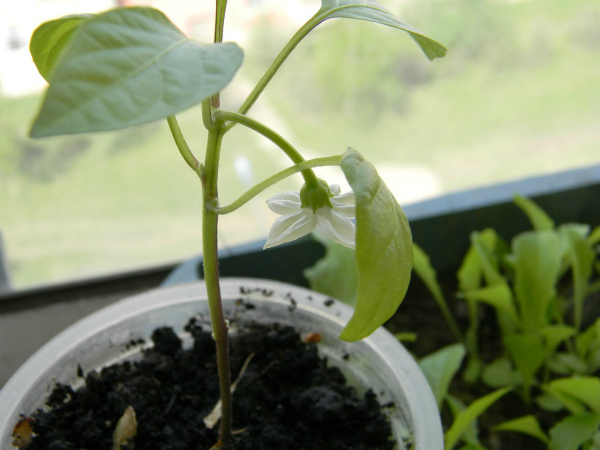
After planting, the seedlings should be pressed down around the sprout to retain moisture. Then water the plant. The next watering should be done in a week. By this time, the seedlings' root system will have time to adapt and establish itself. Until then, avoid overwatering the soil. This is due to the immature root system. Watering the seedlings too early will cause them to rot. Protect the plantings from excess moisture throughout the growing season. However, to achieve an excellent harvest, peppers require specific care.
Care
Caring for hot peppers begins with planting the sprouted seeds. At this stage, the most important thing is creating the optimal light conditions for the plant. While lamps provide additional illumination during the dark hours, during the day, the seedling trays should be placed in a bright location, avoiding direct sunlight.
When the seedlings have formed 2-3 true leaves, they are pricked out to a distance of 10-12 cm. In this case, it is necessary to pinch off a quarter of the main root. This is necessary to allow the root system to begin to grow. Prick out each individual plant individually. Failure to do this can cause the seedlings to become very leggy.
When transplanting, it is important to remember that it is not recommended to plant the seedlings below the level they were at when they emerged.
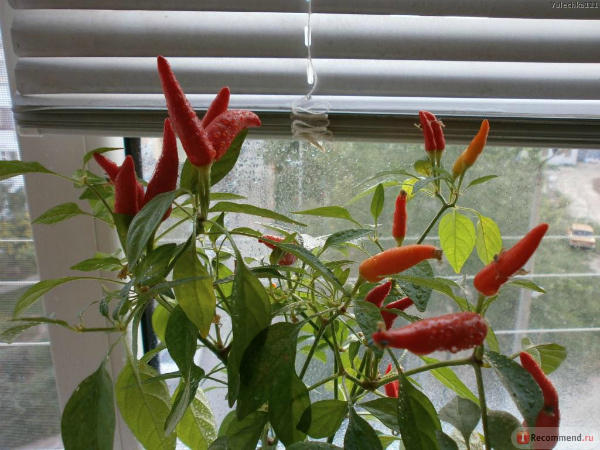
Caring for seedlings and transplanted sprouts involves periodic watering, but avoid overwatering the soil. If indoor humidity is below 50%, pepper leaves should be misted with warm water. Both seedlings and mature plants should be protected from overwatering.
The beginning of growth of transplanted seedlings and their final rooting begins approximately 15–20 days after planting.
Please note that side-sonning is not necessary for peppers grown on a windowsill. Furthermore, staking is not necessary, as the stems will be strong enough to support the entire plant and its fruit.
During flowering, the branches of the bush should be gently shaken to promote pollination. It's also recommended to rotate the pot toward the window every day. This will ensure uniform growth. Hot peppers grown indoors require regular feeding every 2-3 weeks. If properly cared for, the fruit harvested from the bush can be stored indoors.
As you can see, growing chili peppers isn't difficult. Follow the guidelines above, and you'll succeed.
Video: Growing Hot Peppers at Home
This video will give you practical tips and advice on how to grow hot peppers at home in a flower pot.