
Pepper fire and its cultivation
Content
Growing in open ground
The Ogonyok pepper is quite common in open ground. To grow it in the garden, you first need to start seedlings. This requires seeds, which can be purchased at a specialty store or collected from last year's harvest.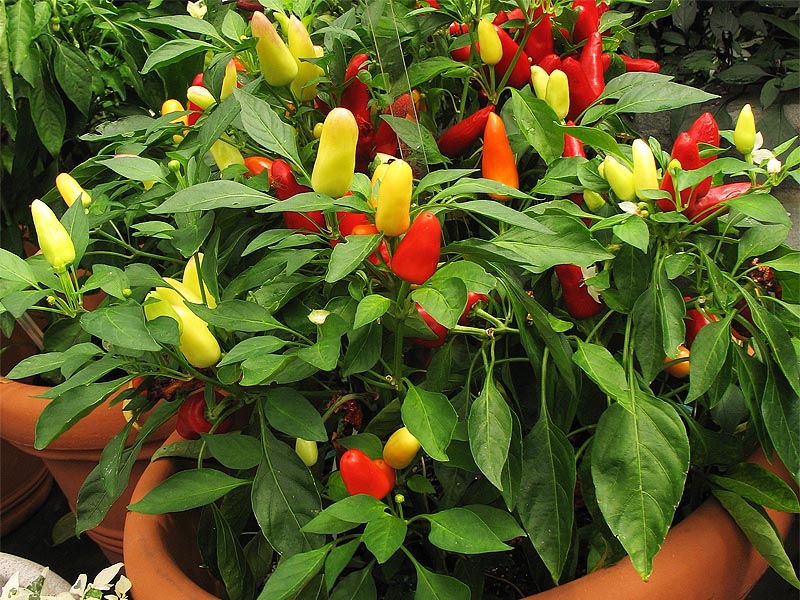
Experts recommend planting seedlings for this pepper variety in late March. They can also be sown in early April. Typically, the seeds are planted using the classic pepper method. However, the "snail" method has recently become particularly popular. Using this technique, sowing should be done as follows:
- First, you need to purchase a laminate underlayment. It should be 2 mm thick. This underlayment can be purchased at any hardware store;
- Next, we roll the lining into a tube, which will imitate a snail;
- We fix the folded lining with threads and fill it with soil;
- Next, the soil must be moistened and seeds must be sown into it;
- After this, we cover the structure with soil and wait for the first shoots.
Once the first shoots appear and grow a little (3-4 true leaves appear), they should be transplanted into small peat pots. This method has become quite popular among gardeners because it doesn't require much space and produces excellent seedlings.
Transplanting seedlings into open ground occurs when the young plants have 10-12 leaves and are 20-25 cm tall. It's important to remember that two weeks before planting in the garden, seedlings should be hardened off by placing them on a balcony or glazed terrace for a short period of time.
The timing of planting seedlings in open ground depends on the region's climate. The ideal temperature for this crop is 20-25 degrees Celsius. Young plants can be planted in holes (spaced 25-30 cm apart) or in raised beds.
Before planting seedlings in their permanent location, apply fertilizer to the bottom of the holes or beds. During planting, you can pinch off the top of the plant. This will help form a lush and fruitful bush. However, to ensure excellent fruit production, proper care is essential. 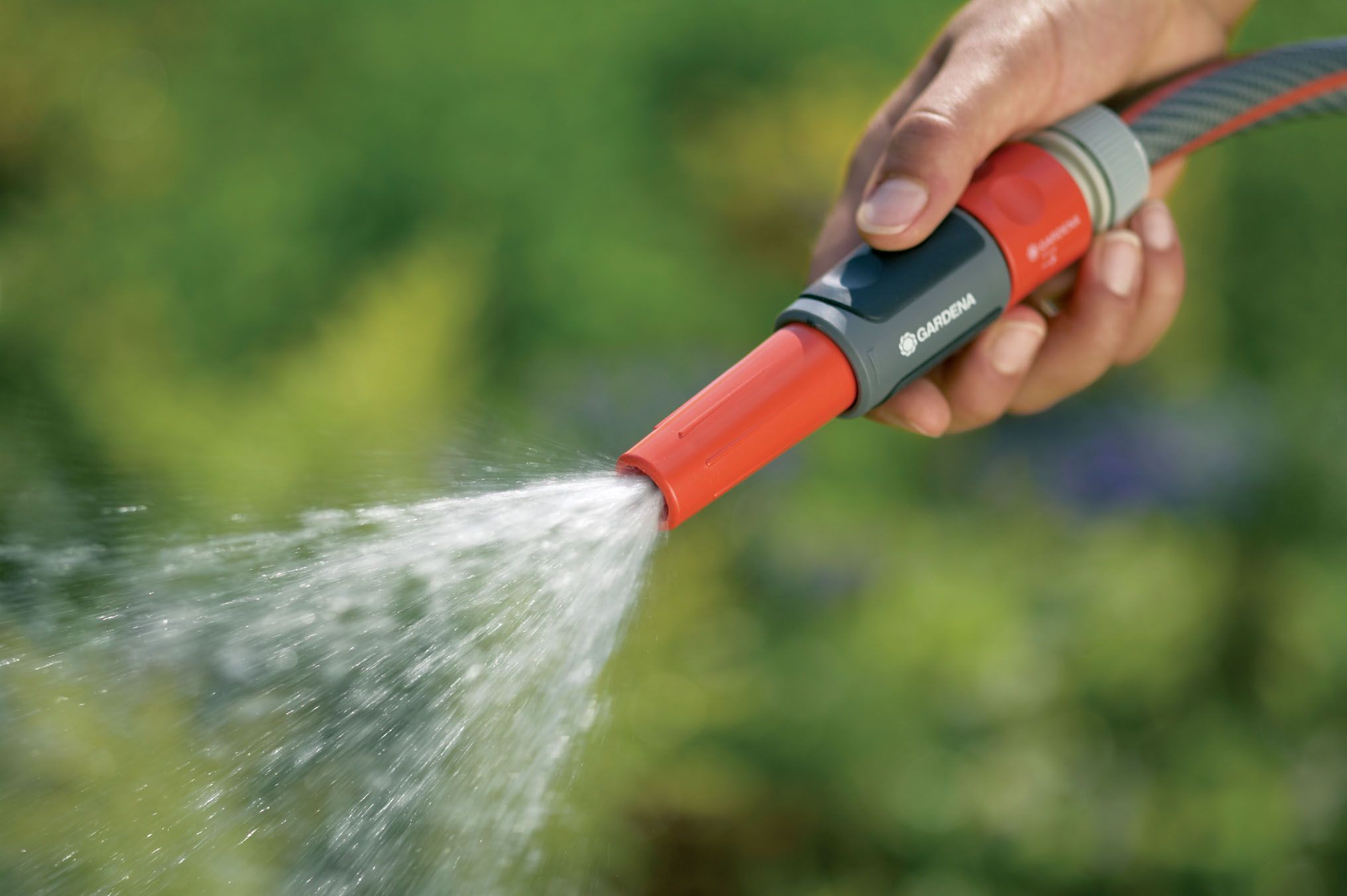 In open ground, care for plantings of this crop will look like this:
- Water regularly and thoroughly. However, avoid overwatering the plants, as this can lead to root rot;
- Fertilizing. This is especially important during flowering and fruit formation. Chicken manure is an excellent solution for this variety. The plants can be sprayed with micronutrients, which will speed up the ripening process;
- weeding;
- mulching the soil.
If properly cared for, the bushes will grow tall, bushy, and healthy, producing an excellent harvest.
Video "Growing"
This video will show you how to grow Ogonyok pepper.
Growing on a windowsill
To always have a hot pepper on hand, many people grow Ogonyok indoors. A windowsill is an excellent location, as it will receive the light it needs to grow and fruit.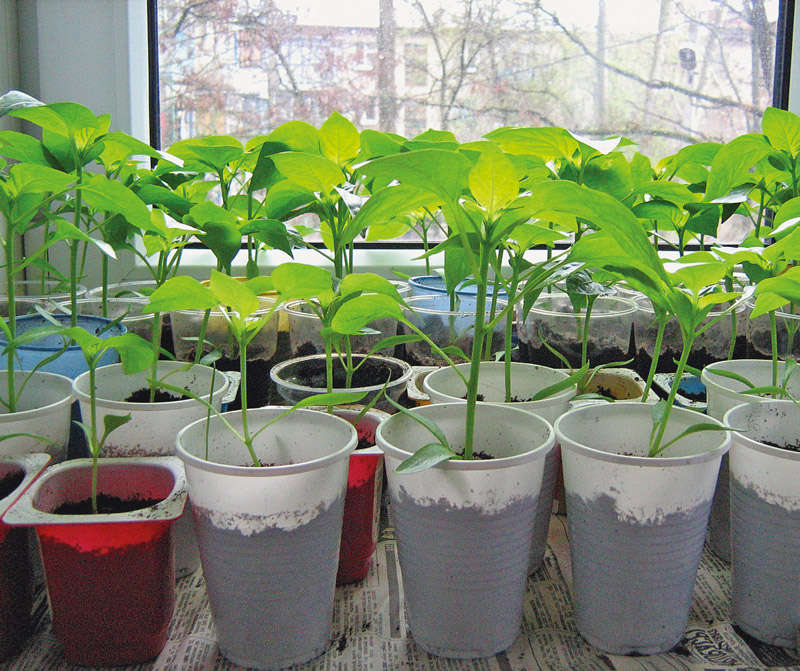
It's worth noting that this plant is somewhat fussy in indoor conditions. However, knowing all the nuances and subtleties of its care shouldn't cause any problems.
When growing Ogonyok indoors, it is important to consider the following points:
- Pot placement. The plant should be placed in a bright, cool spot. A windowsill facing southwest or southeast is best;
- Capacity. The pot should have a capacity of 3-5 liters. It is advisable to choose a ceramic container;
- Lighting. During the cold season, the Ogonek plant on the windowsill should be provided with additional lighting. The plant should be illuminated for 12 hours a day. It is best to use phytolamps that produce blue-violet light.
- Temperature conditions. The temperature in the room where the pepper will be kept should not exceed 15 degrees Celsius. At higher temperatures, the plant will begin to shed its flowers. Its leaves will turn yellow and then fall off.
- To grow Ogonyok, the room must have adequate humidity. This is especially important in hot rooms;
- Water regularly to prevent the soil in the pot from drying out. Remember, the soil shouldn't be too wet.
In addition to the above parameters, it's important to choose the right soil mixture. An excellent solution is to use garden soil, to which you should add humus and sand. These components are added in a 2:1:1 ratio. Drainage at the bottom of the pot is essential. This can be done using broken brick and crushed stone. The soil should be changed in the spring.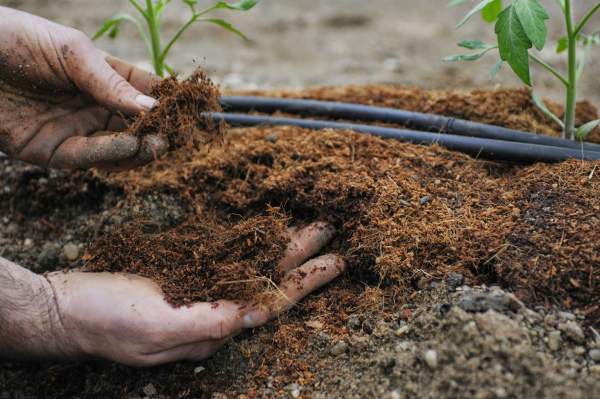
It's important to remember that when growing hot peppers indoors, regular fertilizing is essential. To ensure a good harvest, Ogonyok should be treated with a ready-made complex fertilizer. Fertilizing should be done once every two weeks.
If you follow the above recommendations, caring for Ogonyok at home will be easy and will bring you a good harvest.
Transplantation and propagation
Repotting and propagation are crucial aspects of growing the Ogonyok pepper. This is usually done once every two years. Each time, use a new container that's slightly larger than the previous one. When repotting, use a soil mixture made from peat, turf, humus, and river sand.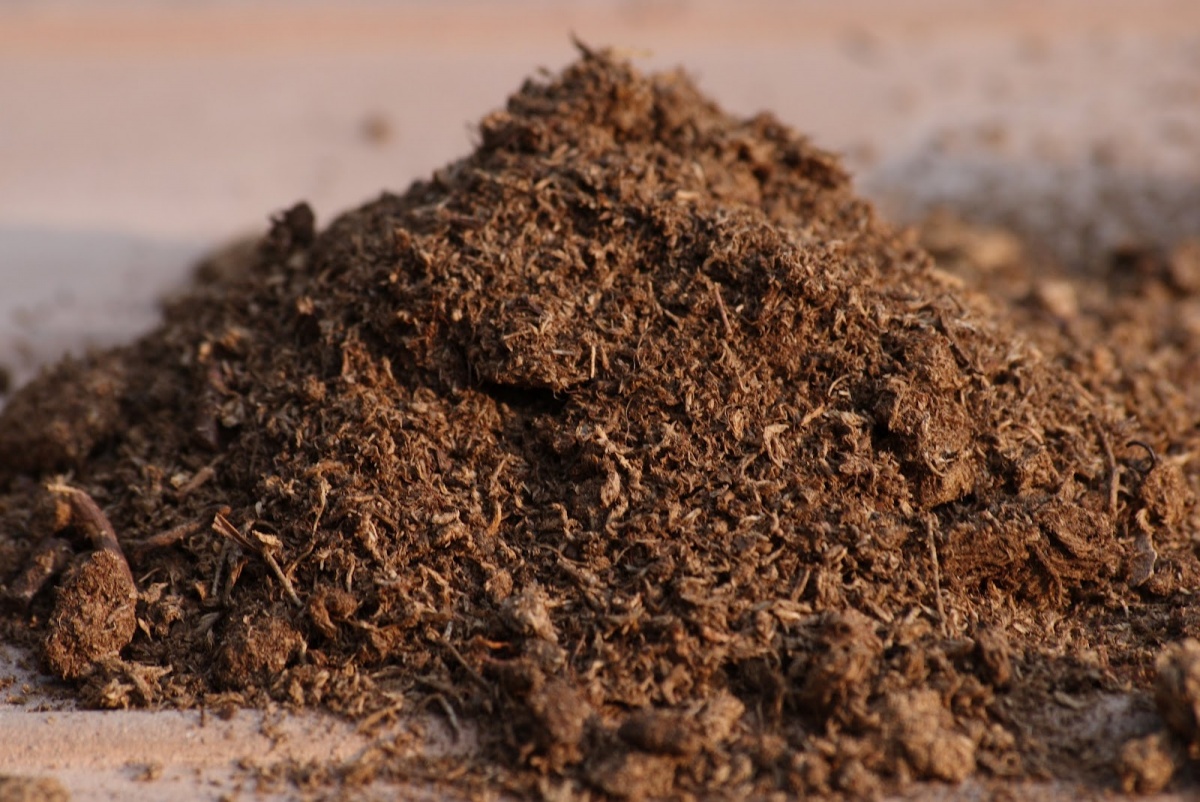
This variety of hot pepper can be propagated in three ways:
- seeds;
- seedlings;
- cuttings.
When using seeds, check their germination rate before planting. To do this, place them in water. Remove any that float to the surface, as they will not germinate. To germinate, soak the remaining seeds for 24 hours. Plant 4-5 seeds in a special nutrient-rich soil. Sow to a depth of 0.6 cm or broadcast. Cover the seeds with a thin layer of soil. Spray the soil and cover with plastic wrap. Sow the seeds in February.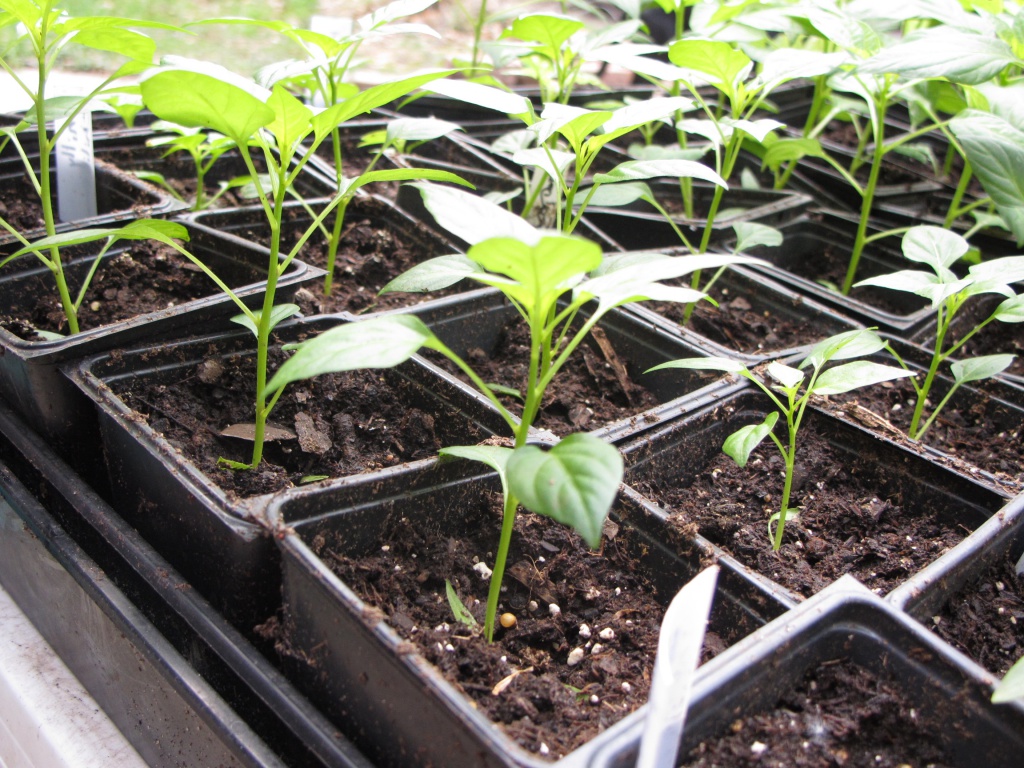
If everything is done correctly, the first shoots will appear in 10-15 days. After 10 days, the first feeding with chicken manure or cow dung should be done. When the young plants have developed true leaves, they are pricked out. Regular watering is essential.
Propagation by seedlings involves placing the seeds in a damp cloth. They should be kept at room temperature.
They are planted in peat pots when the first sprouts appear. Water the soil thoroughly the day before planting the sprouted seeds. After planting, cover the container with glass and place it in a warm place. Then, when the seedlings have developed four leaves, they are transplanted into larger pots. Drainage should be created at the bottom of the container. After this, the seedlings are placed in a sunny spot. Water the bushes through the tray and only with room-temperature water. Fertilizer is added to the soil after watering. During the summer, fertilizer is applied every two weeks.
Another method for propagating Ogonyok is by cuttings. This is a vegetative method that, unlike seeds, allows for the preservation of varietal characteristics. To obtain a cutting, a branch is cut from the mother plant. It is then placed in loose, light soil. After this, it is watered and covered with a plastic bag. In about a week, the cutting will root.
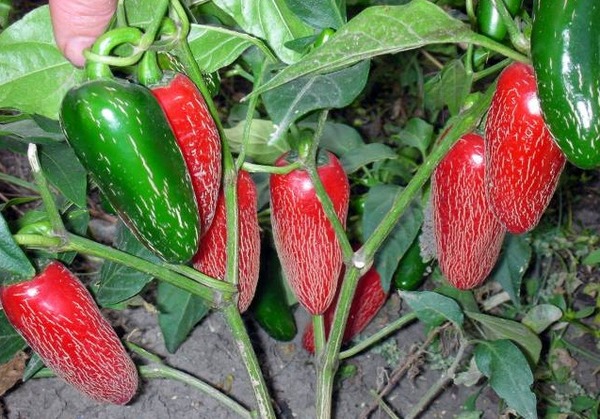
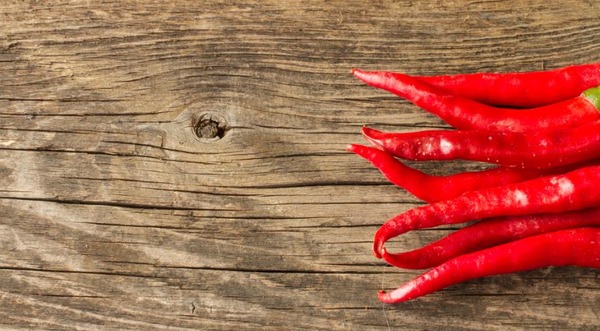
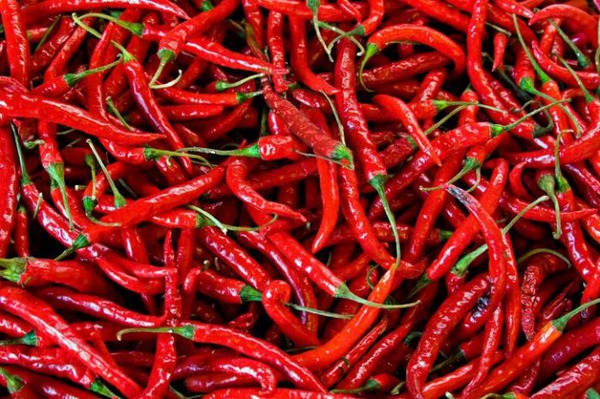
Although there are three methods for propagating hot peppers, the most effective of them is the seed method.
Pest and disease control
If peppers grown outdoors or on a windowsill are not properly cared for, they may become diseased or attacked by insect pests. These pests can appear when moving the plant from the garden to the house.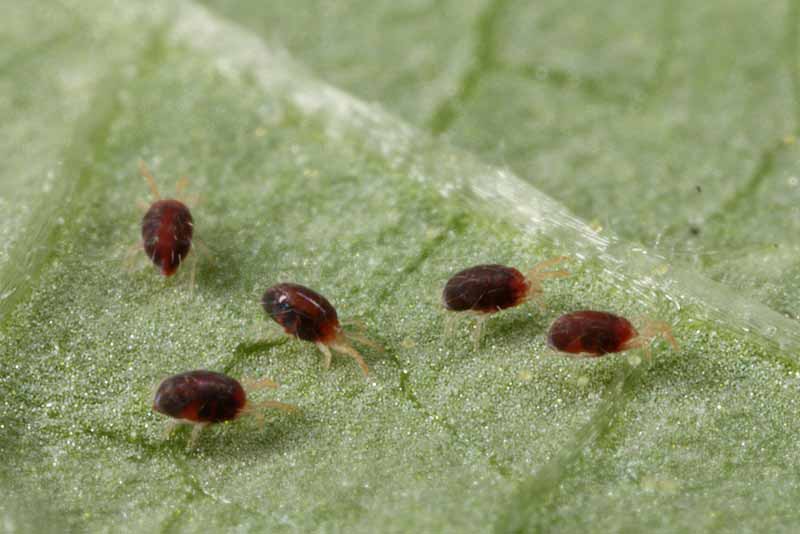
The Ogonyok pepper most often suffers from spider mites and aphids. However, there's no need to fear these pests, as this plant contains capsaicin, which is often used as an effective pest control agent. Therefore, the plant will soon drive away these unwanted "guests" on its own. To speed up this process, you can grind two peppers in a meat grinder. Pour water over the resulting pulp at a ratio of 1:10. Let the solution sit for 24 hours. Then strain it and add some bar soap. Add 1 teaspoon of soap per liter of water. Spray the affected plant with the resulting solution every five days.
Very often, poor pepper health can be improved by improving proper care. For example, flowering may be prevented by excessive use of nitrogen-containing fertilizers. If the leaves have changed color and become pale, additional illumination with a phytolamp is needed. Only when these measures fail should pathogenic microflora and pests be considered as the cause.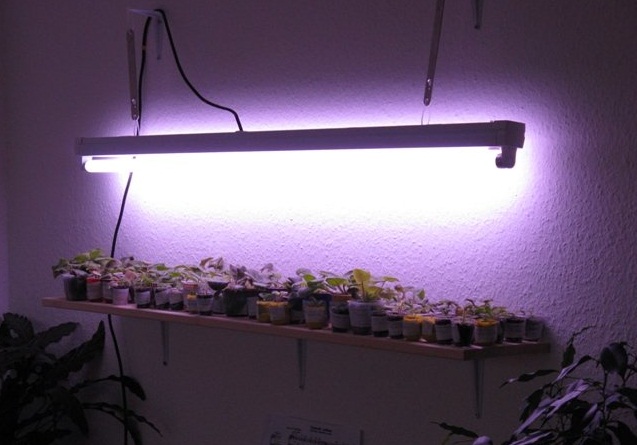
As we can see, caring for the Ogonyok pepper, both indoors and outdoors, isn't all that difficult. The key is following proper agricultural practices, which will not only allow you to reap an excellent harvest but also maintain the health and vigor of the plant itself.
Video "Transplant"
This video will show you how to transplant peppers.