
How to grow red peppers at home
Content
Sowing seeds
To grow hot red peppers at home, you need to select the right seedlings. The quality of the seeds directly affects the germination of the sprouts. To ensure successful seeding and a strong plant, select the right seedlings:
- select only well-dried seeds;
- they should not show signs of disease or decay, or mechanical damage;
- their size should be average.
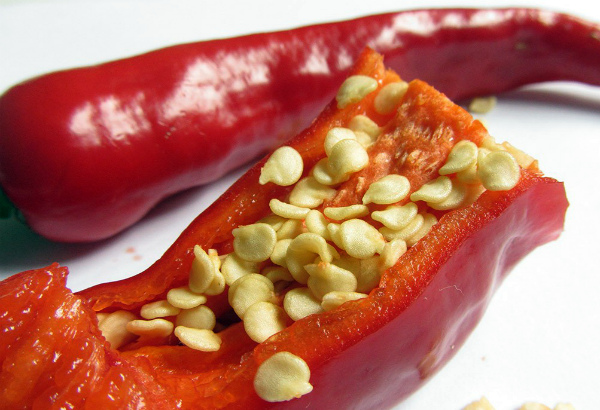
It is also important to choose the right variety to increase your chances of success when growing it. To grow hot fruits at home, you need to choose low-growing and compact varieties whose height does not exceed 50 centimeters. Here, it is worth giving preference to varieties such as Confetti, Goldfinger, Falcon's Beak, Bishop's Crown, etc.
For indoor growing, seeds can be sown year-round. For indoor planting, mid-February is the best time. At this time, daylight hours are sufficient for plant development. It's worth noting that hot peppers are quite demanding in terms of light. This should be taken into account when growing seedlings and mature plants.
Red pepper seeds can be sown in any container (flower pot or wooden crates). The choice depends on the amount of seed you plan to sow.
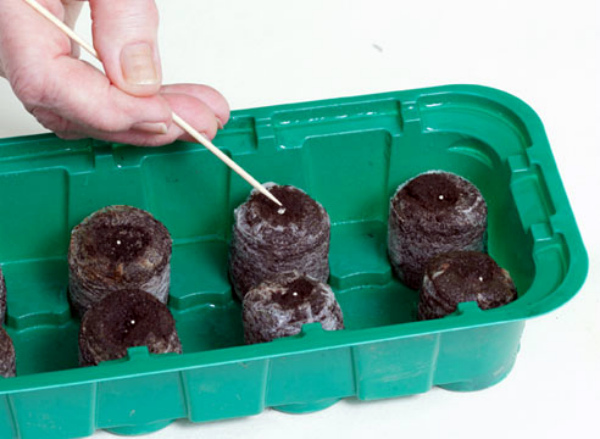
To increase the chances of seed germination, they need to be given additional stimulation before planting. To do this, follow these steps:
- We wrap the seeds in cloth and place them in water that has been heated to 40 degrees.
- After this, cover the planting material and leave it for three hours. You can also soak the seeds in warm water and leave them for 24 hours. During this time, it's important to ensure that the seeds don't dry out.
- The temperature in the room where the soaked planting material will be located should be +25 degrees.
- If planting is to be done in winter, the seeds will need additional illumination.
After stimulating the planting material, sow it in a prepared container filled with soil. Place the seeds in the soil to a depth of 1–1.5 centimeters. Then water the plantings. To maintain the desired soil moisture level, cover the top of the plantings with glass or a container.
Hot red pepper varieties take a long time to germinate. It can take two weeks from planting until the first shoots appear. Therefore, be patient and don't panic if you don't see any signs of life after a week.
Caring for seedlings
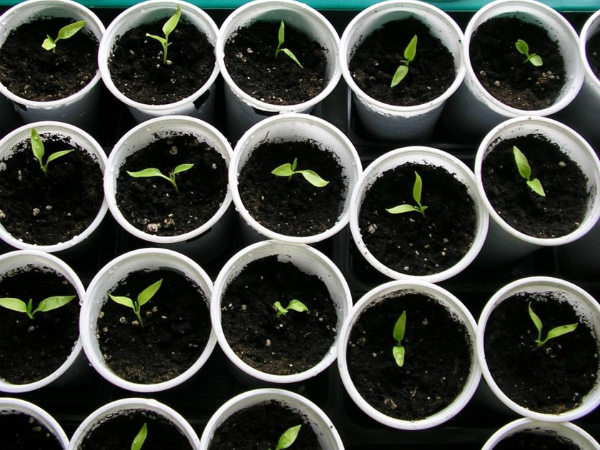
Once the first leaf appears, the seedlings require specific care. When sowing seeds in a large container, if they are densely populated, thinning is essential. Only the strongest and tallest seedlings should be retained.
Once the seedlings have 2-3 leaves, they need to be transplanted into individual pots. One-third of the root mass should be removed. This is done to ensure the seedlings can develop a proper root system.
In addition, red pepper at the seedling stage has the following recommendations for cultivation:
- During the first week, after the first leaf appears, the air temperature should be lowered to 20 degrees Celsius. During this time, red hot peppers also require additional lighting.
- Pricking out is done in small containers. The optimal diameter is 8–10 cm. Plastic cups are best for pricking out.
- When the seedlings reach 10–15 centimeters in height, they should be transplanted into a larger pot, which should also receive good light. The container with the seedlings should be placed in a warm location. The seedlings are transplanted into a larger pot approximately two months after the first shoots appear.
- Before planting the plant in its permanent location, it must be hardened off for several days.
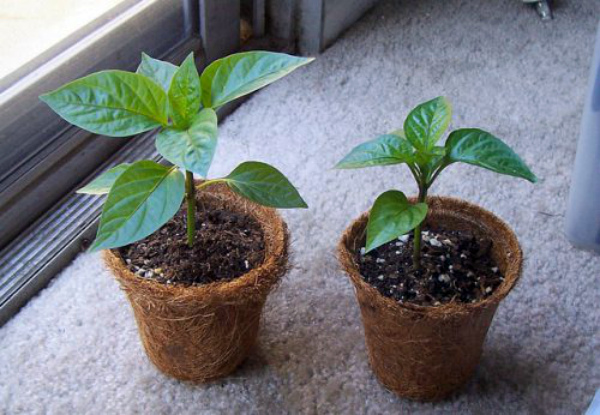
Red peppers planted in a spacious pot can be grown either on a balcony or a windowsill. However, it's important to remember that the room temperature should not drop below 10–12 degrees Celsius at night.
Growing conditions
Red hot peppers can be grown indoors without much effort. However, to ensure a healthy, strong plant that will produce abundant fruit, proper care is essential. With proper care, your red pepper will thrive for many years, delighting you not only with its fruit but also with its vibrant appearance.
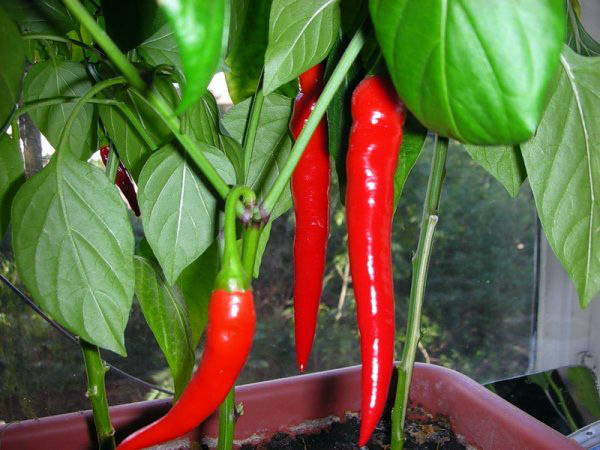
Caring for this cultivated plant at home is slightly different from that for seedlings. In this case, consider the following:
- Lighting. If the bush doesn't get enough light, the condition of its leaves will be the first to be affected. The leaves will begin to turn yellow and soon fall off. To avoid this, place the plant pot in a well-lit area—a south-facing windowsill.
- Heat. Temperature and lighting are key factors when growing hot red peppers. During warmer months, the plant pot can be placed outside to warm up, if possible. The optimal temperature is 18°C at night and 22°C–23°C during the day.
- Pinching the top of the bush. This procedure will allow you to have a lush and flourishing plant on your windowsill. Some experts claim that if the growing conditions have been properly met, pinching is not necessary. However, this is extremely rare.
- Watering. To obtain a better quality harvest, watering must be done correctly. Moisten the soil twice a week. Water only with warm water.
- Air humidity. If the air in the room is dry, the leaves of the bush need additional moisture.
- Soil loosening. This should be done periodically to enrich the soil with oxygen, stop pathological stagnation processes, and make it fluffier.
- Fertilizing. Fertilizing is an important aspect of care. Fertilizer should be added to the container every two weeks. Be especially careful with nitrogen-containing fertilizers, as too much can kill the plant.
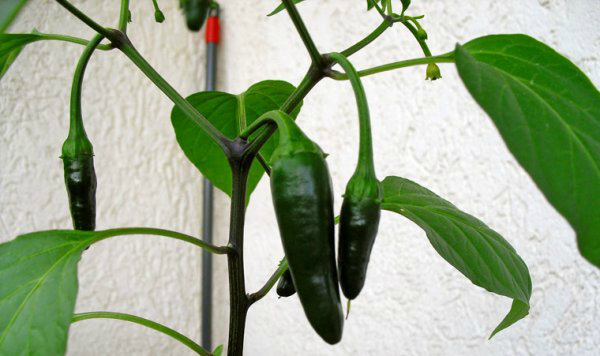
There are also a few other nuances. For example, if you want your hot pepper to produce large fruits, you should remove some of the flowers when they're blooming profusely. Be careful not to damage the leaves surrounding the flowers.
Any damaged leaf should be removed completely to prevent it from drawing nutrients away.
The plant's flowering period indoors is May–June. Fruiting, if properly cared for, can continue until late autumn.
Some varieties of hot peppers are self-pollinating. If you grow other varieties indoors, they should be pollinated using a brush.
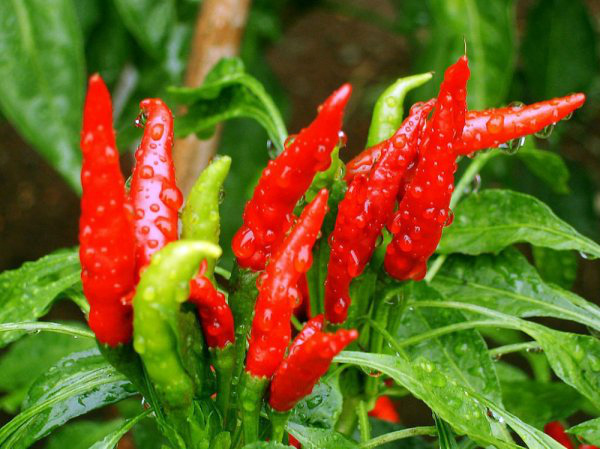
If necessary, the bush can be pruned to give it a more decorative appearance. However, pruning is often done to remove damaged leaves or those showing signs of disease.
Since hot peppers are heat-loving plants, proper care is most important during the cold season. Winter care is slightly different than summer care. For example, the temperature will be different, staying at least 18 degrees Celsius. Fertilizing can be avoided entirely during the winter. Watering should also be reduced to a minimum. The key is to prevent the soil in the pot from drying out.
It's important to remember not to plant sweet and bitter varieties on the same windowsill. Otherwise, pollination will cause the sweet variety to develop hot peppers.
Video: "Growing Red Peppers"
This video explains when to plant seedlings, when to transplant them into the ground, and how to care for red peppers.
Transfer
An important step in caring for peppers at home is repotting the plant. This is done for seedlings, as well as for mature plants, to transfer them to their permanent location.
Make holes in the bottom of the pot to allow excess water to drain. Use special repotting soil. It will contain the optimal combination of nutrients needed for the transplanted plant to quickly adapt.
As we can see, growing and caring for red hot peppers at home is a feasible task even for inexperienced vegetable growers.
Video: "Hot Peppers Grown on a Balcony"
Admire this beautiful hot pepper bush growing on the balcony of an apartment building.