
Hot Jalapeno Peppers and Their Care
Description
These days, it's hard to imagine popular Mexican dishes that don't include hot peppers. This ingredient gives them their distinctive piquancy. Jalapeños are a world-famous chili pepper, yet Mexicans often consume them rather than the fiery red variety. Incredibly, some chefs in our country don't even know about jalapeños. Yet, in their homeland, they are extremely popular.
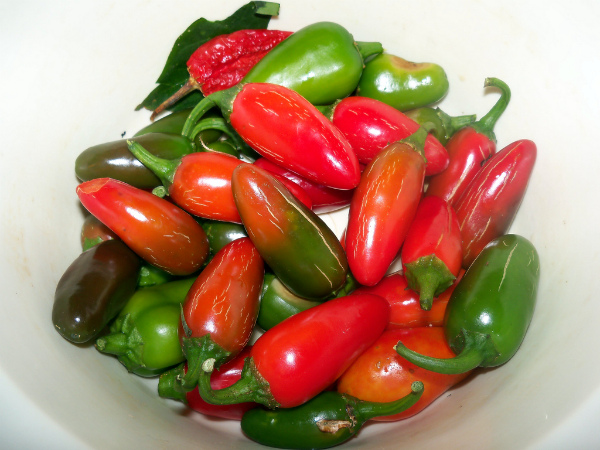
Jalapeño peppers contain highly pungent enzymes that can severely irritate the skin during harvest. For this reason, they are harvested with special protective gloves to protect the skin from unpleasant burns.
There are many varieties of jalapeño peppers. They can differ in growing area, appearance, color, aroma, and heat level.
Among the most common types of culture, the following three varieties can be found:
- Espinaltico – pods with pointed ends;
- Peludo – peppers are thick and quite long;
- Morita – the pods are short and rounded.
Although jalapeño is a chili pepper, it's not particularly hot, making it suitable for use in a wider range of dishes. It's a perfect choice for those who prefer to avoid overly spicy foods.
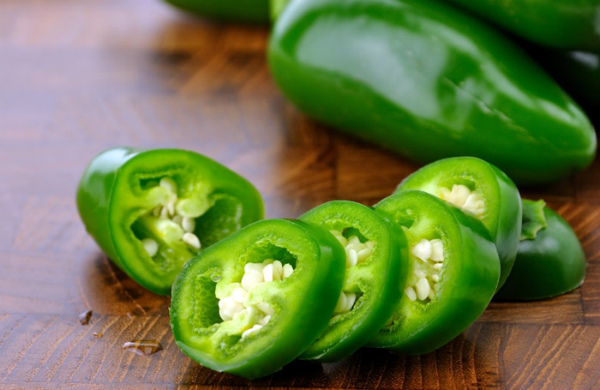
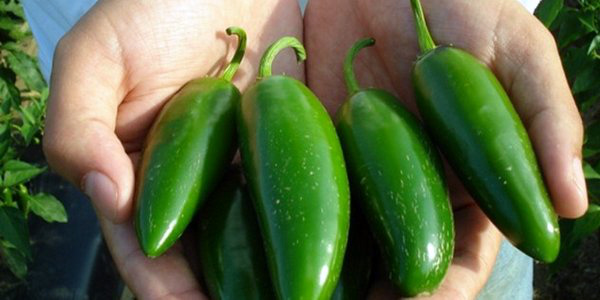
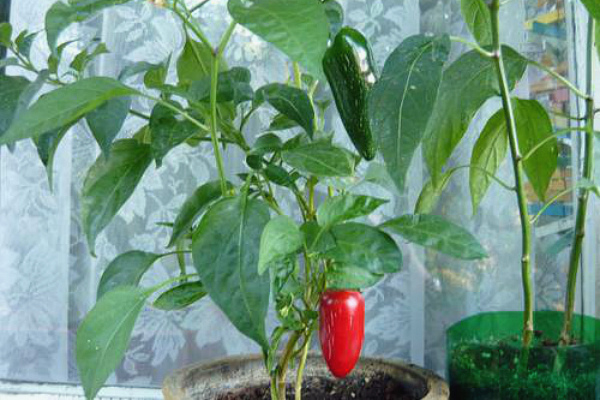
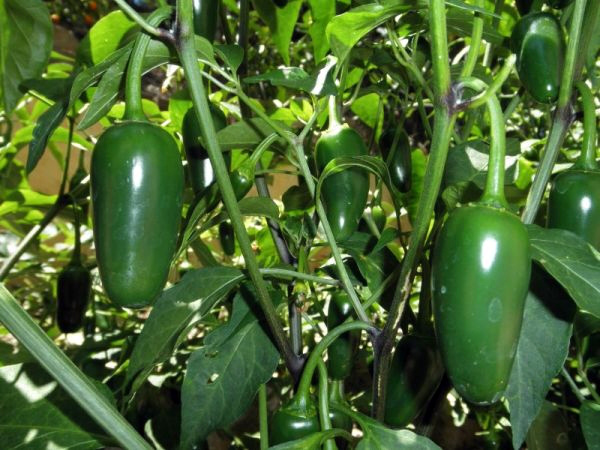
Since Jalapeño is not particularly demanding, it can be grown indoors - in open ground in a garden or in a pot on a windowsill. It grows quite quickly. A characteristic feature of this variety is the formation of tall, sturdy standard bushes. Each bush produces an average of 30 fruits. Each pepper weighs up to 50 grams, measures up to 3 centimeters in diameter, and reaches up to 8 centimeters in length.
This pepper variety is primarily harvested when it's green. When fully ripe, the fruits turn dark red. Each fruit contains numerous seeds for planting the following season.
Fruits that turn red when ripe are considered lower quality. They can be dried, baked, or buried. They are also used to make chipotle (a Mexican spice).
Like most peppers, jalapeños are rich in vitamins and sodium and potassium. They also contain essential micronutrients, including iron, manganese, magnesium, calcium, zinc, and even selenium. They also contain essential oils, plant sugars, linoleic acid, carotenoids, chavicin, and capsorubin.
Regular consumption of jalapeño peppers improves vision (vitamin A). It can also help alleviate insomnia, depression, and fatigue, stabilize the cardiovascular system, normalize blood sugar levels, strengthen blood vessel walls, and improve skin and hair health.
Despite the small amount of vegetables consumed, they are still beneficial and have a positive effect on health.
It is strongly recommended not to eat this pepper if a person has been diagnosed with gastrointestinal diseases, kidney or liver problems.
Agricultural technology
Growing jalapeños is simple. The pepper thrives in almost any climate.
Seeds for planting are usually purchased from specialty stores. They can then be harvested from the harvest.
Before planting, soak the seeds in a potassium permanganate solution to disinfect the planting material. Afterwards, place them on damp cotton wool in a location out of direct sunlight. Cover with gauze and let sit for up to three days. This will preserve the seeds in a greenhouse-like condition. Also, remember not to allow the cotton wool to dry out, and moisten it as needed.
Peppers are planted in the spring. Jalapeños take 50 to 75 days to grow. Soil can be purchased directly from the store. The most suitable soil type is suitable for flower and vegetable crops. For normal growth, the soil needs minerals and vitamins.
If gardeners are unable or unwilling to purchase soil, they will need to prepare the soil on their property. This requires preliminary preparation of the planting site. You should combine soil, sod, humus, peat, and sand in a separate container. A small amount of wood ash can then be added. After mixing, the prepared soil is poured into seedling trays.
Sow the seeds at a shallow depth, 1 cm is sufficient. Then water the soil with a spray bottle rather than a direct stream. If you sow the pepper seeds too deeply and overwater them, they will rot in the soil.
Jalapeños thrive in warmth, so they need to be protected from wind, drafts, and cold weather. When growing this hot pepper, it's best to plant it in a greenhouse. Since the optimal temperature for its growth is 25-30 degrees Celsius (77-86 degrees Fahrenheit), it's important to create conditions that are easy to maintain. Furthermore, this perennial plant needs to be preserved over the winter. To achieve this, the greenhouse temperature should be maintained at a minimum of 12 degrees Celsius (55 degrees Fahrenheit) during the winter.
It's advisable to cover the soil with plastic during the early stages of growth. With proper care, the plant will begin to flower at home soon after planting. Flowering typically lasts until mid- to late August.
Plants can be fertilized 3-4 times throughout the season. Animal manure, bird droppings, and wood ash are all suitable. You can also use ready-made mixtures from stores, such as Stimul.
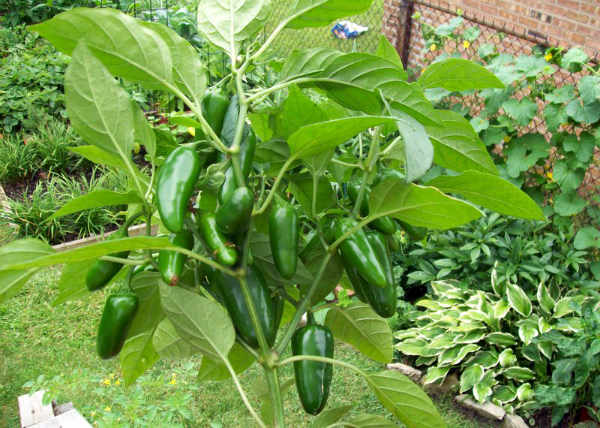
Peppers need to be watered regularly and frequently. If the soil dries out, the flowers will begin to fall off, significantly reducing the future harvest. Keep the soil moist at all times, as this variety requires more water during growth than other peppers.
Harvesting can begin before the fruits are fully ripe, as time affects the vegetable's flavor. Wear gloves when harvesting.
It's best to store picked fruit outdoors for no longer than two weeks. For longer storage, place it in sealed containers or jars, storing it in a dark, dry place.
Pests and diseases
Because jalapeños contain pungent enzymes, they are virtually immune to insect and other pest attacks. Spider mites may appear indoors, but to remove them, simply wipe the foliage with a damp cotton ball, removing all signs of the pest's activity.
If you follow all the care instructions for peppers, they won't get sick. It's also important to remove all sources of infection if an infection affecting other crops is detected in the greenhouse.
Video “Jalapeño is a superfood”
This video will give you new insights into the properties of the Jalapeno pepper.