
Habanero pepper: characteristics of the variety and cultivation
Content
Features of the variety
The Habanero pepper is one of the hottest varieties of this vegetable crop. It belongs to the chili pepper family. Those who can taste the pepper after the intense heat note the fruity, citrusy notes. However, this variety also has a delicate, floral aroma.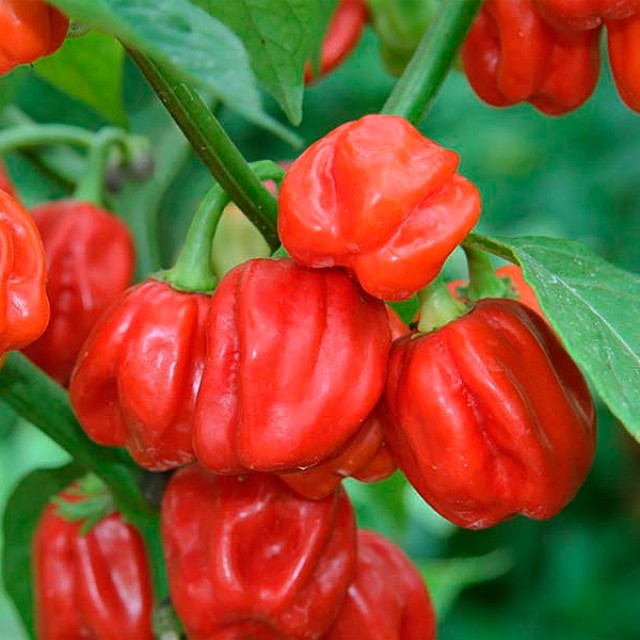
Few people dare to eat this capsicum raw. Because of its spiciness, Mexicans used it in their religious ceremonies. Today, many restaurants in the country serve dishes that are particularly popular with locals. The fruits of this crop are often used as a seasoning or as an additional ingredient in preserves.
The Habanero is native to South America and Mexico. It was previously believed that the plant was cultivated in China. However, no evidence has been found to support this claim. The variety only reached Asia and Europe after Columbus's discovery. Its gradual spread around the world began in the 15th century.
Today, this variety of hot pepper is grown in gardens. But it can also grow indoors. In fact, many grow it not for its fruit, but purely for ornamental purposes. The plant itself is quite beautiful. The bright red pods look stunning on a small bush covered in shiny green leaves.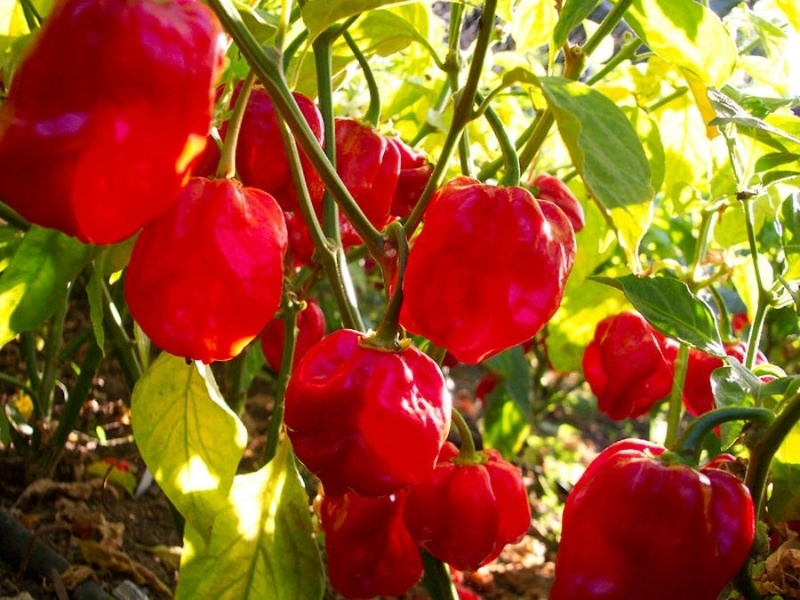
Whatever the type of cultivation used, certain agricultural practices must be followed to obtain a bountiful and plentiful harvest. Moreover, they will vary depending on the growing method: indoors, in a greenhouse, or outdoors. With proper care, the plants will produce a harvest several times a year.
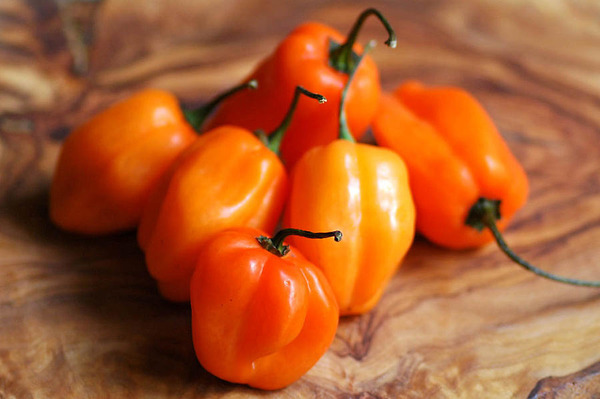
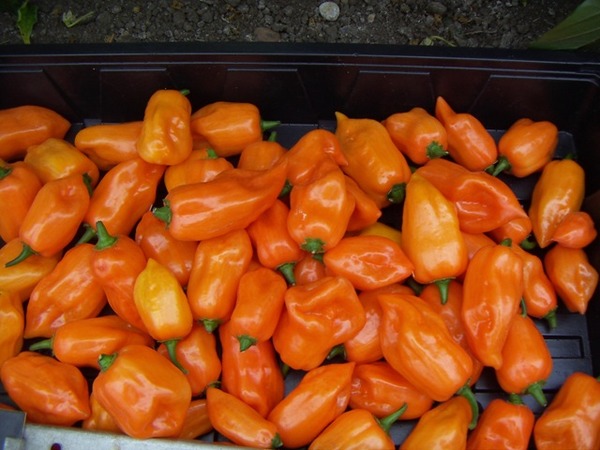
The fruits themselves are shaped like a neat, small heart. They are very similar in appearance to paprika. This variety is known for its good yield. Even a single small bush can yield 2-3 kg of hot peppers. A single plant can produce up to 90 small fruits. When ripe, they weigh no more than 50 grams.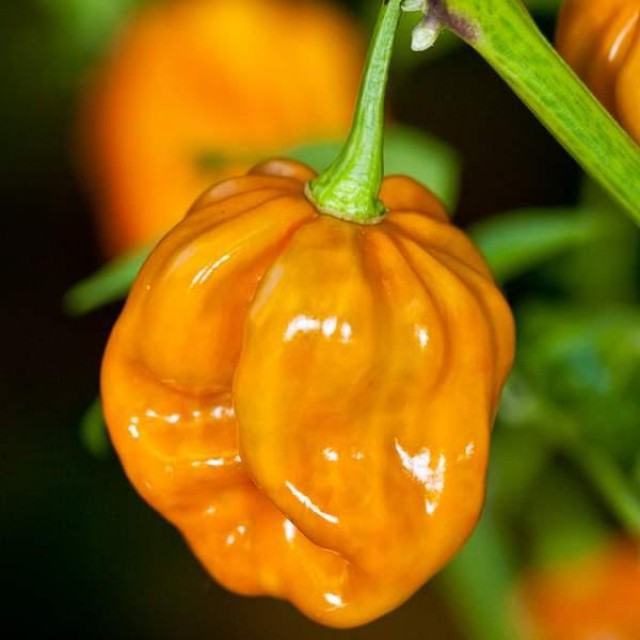
Fruit color can vary. Habanero varieties come in the following colors:
- orange;
- red;
- chocolate.
It's worth noting that Habanero peppers are a veritable treasure trove of vitamins and trace elements. They contain a lot of calcium, iodine, phosphorus, potassium, iron, as well as vitamins A, B, C, and D. This rich composition gives the fruit the following beneficial properties:
- is an antioxidant;
- acceleration of metabolism;
- slows down the aging process;
- improves the functioning of the digestive tract;
- helps in the treatment of viral and cold diseases;
- increases resistance to stress;
- elimination of back pain;
- helps treat arthritis.
But remember, this folk remedy should be used with extreme caution. Before using it, be sure to find out all the contraindications for this type of pepper. You should also be very careful when adding it to dishes. After all, a small amount of pepper is enough to add a spicy kick.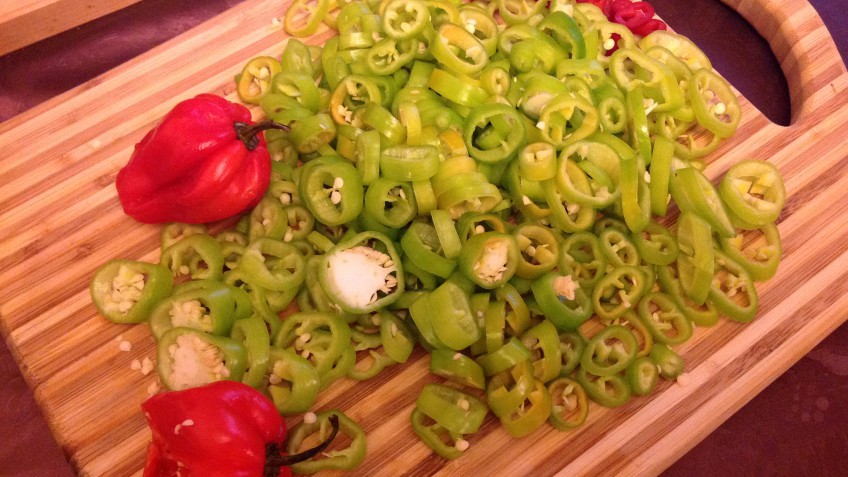
Thus, it can be concluded that the Habanero is characterized by the following features:
- very spicy taste;
- beneficial properties based on its rich vitamin and mineral composition;
- beautiful decorative appearance.
However, to grow this miracle in your garden or windowsill, you need to know the basic rules for caring for, transplanting, and propagating this vegetable crop.
Video "Features"
From the video you will learn many interesting facts about this Habanero pepper.
Propagation and transplantation
Propagation is an important aspect of growing Habanero peppers. The plant is propagated by seeds. These can be purchased at a specialty store. However, you can also harvest seeds from your own crop. To do this, follow these steps:
- they should not be picked from the bushes for 10 days;
- After this, the peppers are laid out to wilt gently. Pick the peppers only while wearing gloves. Do not touch your face with these gloves, as this can burn your mucous membranes.
- then the peppercorns are cut and the seeds are removed;
- then dry them in a warm place;
- After they have dried well, the seeds are placed in bags for storage.
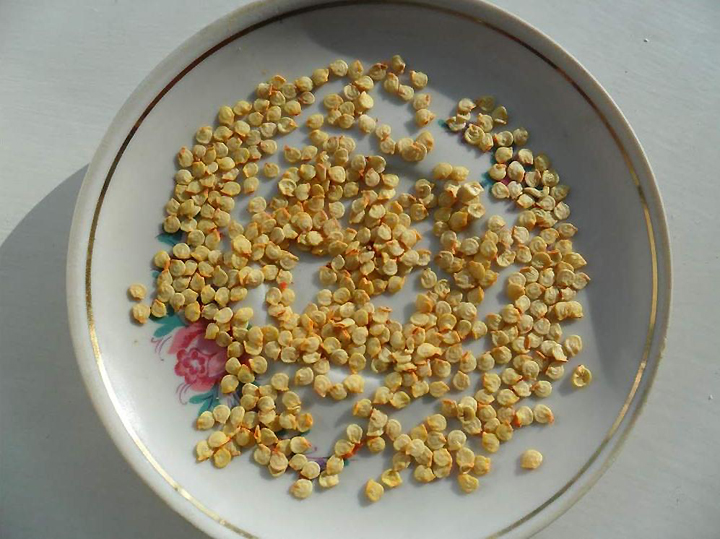
To obtain strong and high-quality young bushes, it is necessary to adhere to the following propagation sequence:
- the seed material must first be laid out on a wet napkin;
- within a few days the seeds should swell and begin to germinate;
- The soil prepared for growing pepper seedlings should be moist. However, avoid overwatering, as excess moisture can kill the plants.
- Sprouted seeds should be buried in the soil to a depth of approximately 10 mm.
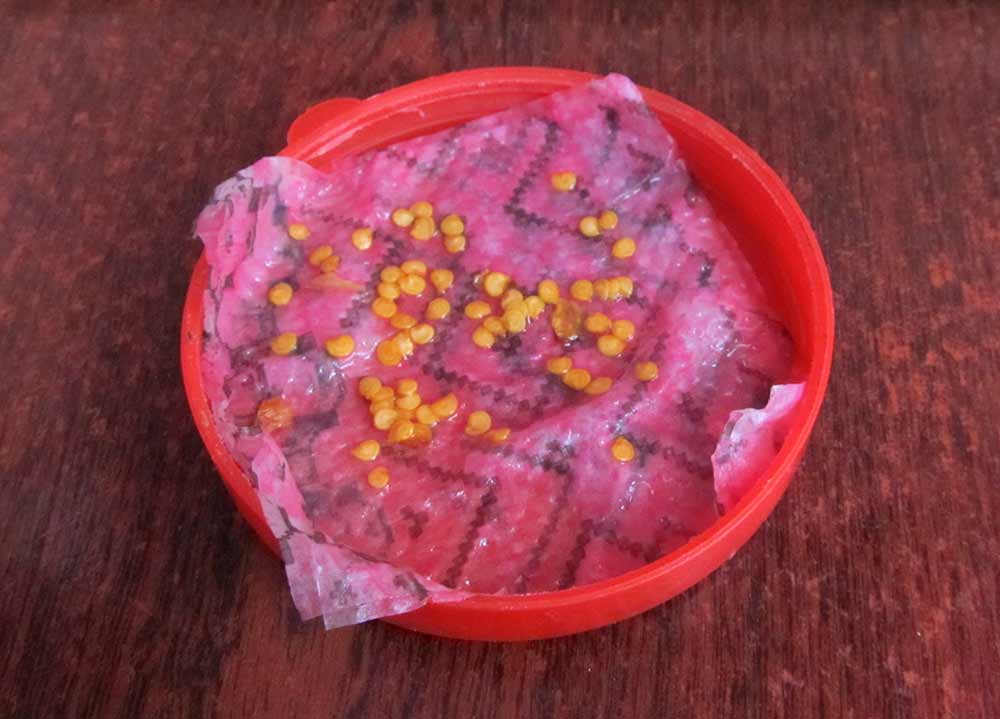
Now all that's left is to wait for the first shoots to appear. When green shoots appear above the soil, you can assume propagation is proceeding according to plan.
When propagating Habanero peppers, remember to provide them with optimal light levels. If the plant experiences insufficient light, the fruits will develop thinner and their color will be less intense.
Artificial lighting should be provided for young seedlings. Grow lights should be placed at least 30 cm above the pepper plants. Supplemental lighting can help ensure rapid and healthy growth, ultimately resulting in high-quality seedlings.
Once the young seedlings have developed several true leaves, they can be repotted for further cultivation. For this purpose, use a container of small width and depth. Standard plastic cups are an excellent choice.
Once the plants reach 15 cm in height, they can be transplanted into a larger pot or garden bed. If you plan to transplant peppers into the garden, the most important factor is temperature. Outdoor temperatures should be at least 15 degrees Celsius (59 degrees Fahrenheit) for the seedlings to properly adapt to their new location. If this temperature isn't met, all the transplanted plants will simply die.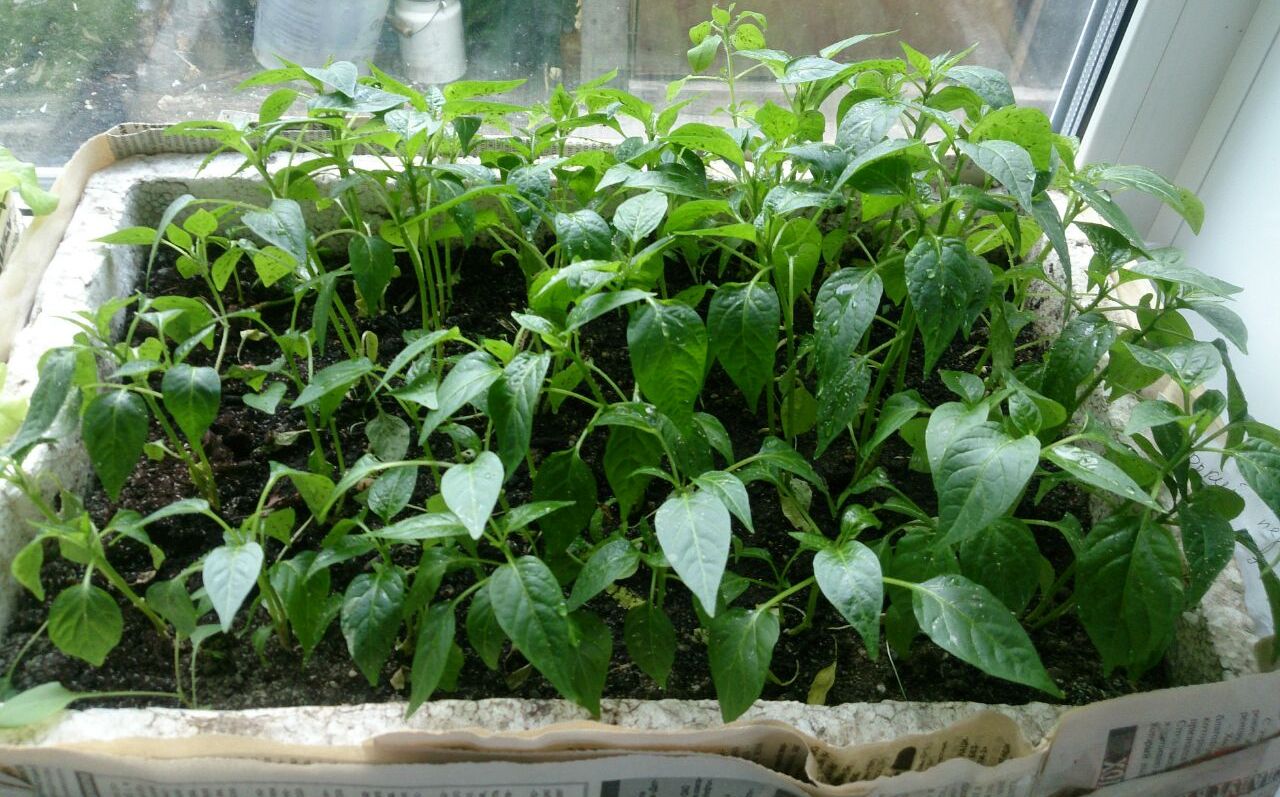
Habaneros can be grown in greenhouses. When grown in such structures, the crop shows excellent fertility. This is because greenhouses allow for control over parameters such as humidity and temperature. With proper care, peppers can grow quite tall in greenhouses.
Care instructions
The Habanero pepper is a perennial plant. Therefore, it's crucial to provide the right conditions for its growth and development. These conditions will ensure good fruit production for several years to come. With proper care, the plant will produce fruit even in winter when grown indoors.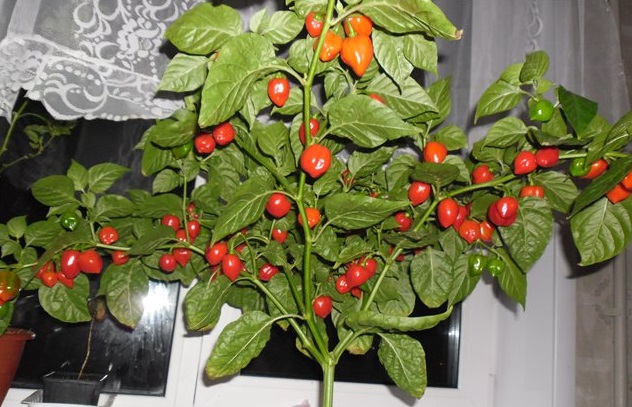
It's worth noting that the Habanero variety is very heat-loving. The bushes thrive in areas that receive ample daylight. However, they don't tolerate drafts. This is important to keep in mind when growing the plant both outdoors and indoors on a balcony. It's also worth noting that in most regions of our country, it's best to grow the "Mexican" in greenhouses, where it's easier to control key parameters (humidity and temperature).
The best soil for this vegetable crop is slightly acidic. Peppers should be watered regularly. However, avoid overwatering, as this will destroy their exquisite aroma.
To obtain a larger harvest, experts recommend picking some of the flowers during the flowering period. However, a good harvest is only possible with timely fertilization. Depending on the growing season, compost and mineral fertilizers should be added to the soil. The first fertilization is carried out 15 days after planting the bushes in their permanent location.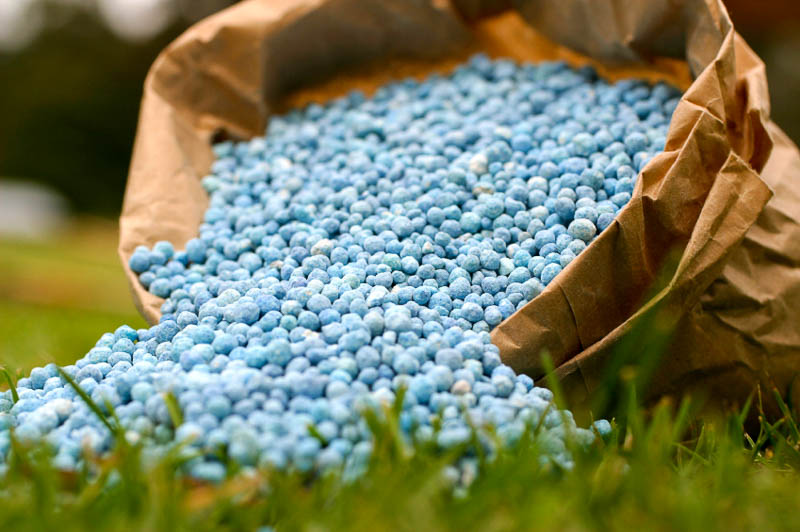
When growing peppers on a windowsill, place the pot on a brightly lit sill. Supplemental lighting should also be used. At home, watering depends on the time of year:
- in winter, watering is reduced as much as possible;
- Heavy watering is carried out in early April. At this time, the bushes begin to develop actively;
- Young plants should be watered regularly. However, avoid overwatering the bushes. Otherwise, they will become diseased and susceptible to pest attacks.
- Usually indoor peppers are watered twice a day.
To give the plant a beautiful decorative appearance, the bushes are shaped by pruning. To achieve a lush crown, the tops are pinched. However, this procedure is not necessary.
To ensure long-term fruiting, experts recommend removing the first flowers. This will help the bush strengthen and gain strength for future abundant fruiting. To ensure a good harvest, growth stimulants can be used during the flowering period.
When grown in greenhouses or beds, habanero peppers will be pollinated by flying insects. At home, you'll need to use a brush.
To protect plantings from pests, preventative treatment of bushes is carried out.
Benefits of pepper
By growing Habanero peppers in your garden or at home, you'll enjoy spicy and delicious fruits. This pepper is an essential culinary ingredient. The fruits can be used as ingredients in sauces and various preserves. Habanero is also used as a seasoning. Chefs use it to enhance the flavor of fish and meat, as well as many soups.
An ingredient in many dishes, even in small amounts, this plant acts as an appetite stimulant. It's also worth remembering that this pepper has a rich composition. Therefore, it is often included in traditional medicine tinctures.
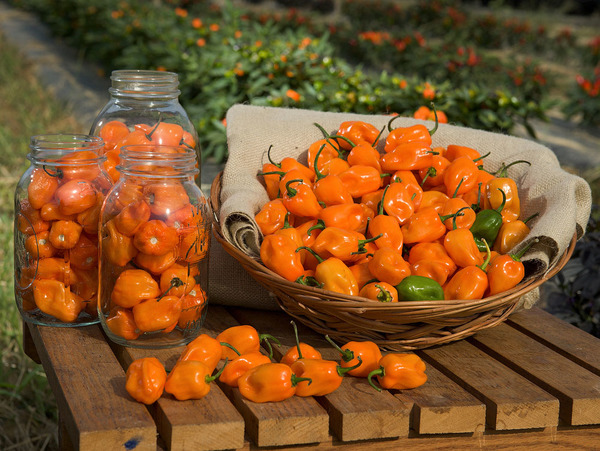
Among other things, this plant is prized for its excellent ornamental appearance. The bushes will look great both in the garden along the perimeter of flowerbeds and at home on windowsills (both in the kitchen and elsewhere). Moreover, it can be grown without any problems in any conditions.
As we can see, the Habanero is an interesting vegetable crop. This plant is perfect for gourmets and those who enjoy spicy food, as well as those who prefer folk remedies. This variety will be a real find for home gardeners. The key to success is simply following basic care guidelines.
Video "Growing"
This video will show you how to grow peppers at home.