
The best pepper varieties for polycarbonate greenhouses
Content
How to choose the right variety
Most of us, when we go to a seed store, are guided, frankly speaking, primarily by the packaging. Seeing a picture of a fleshy, glossy vegetable, we sincerely believe that exactly the same fruit will grow in our garden, without realizing how much effort we'll have to put in to achieve it. But it's not that simple. 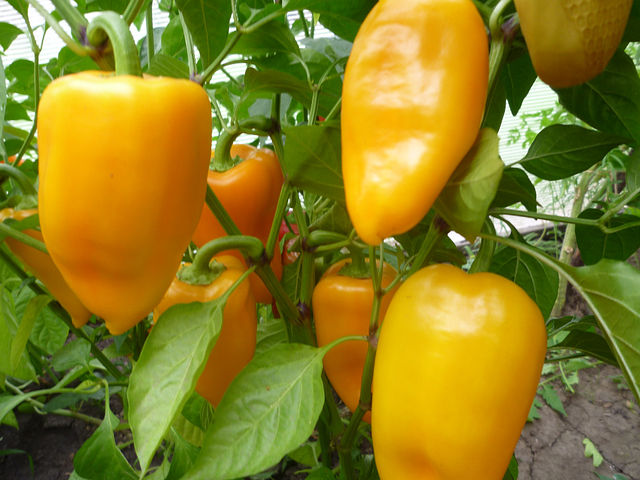 Greenhouse pepper varieties vary in their characteristics, so don't rely on the colorful packaging; instead, ask the seller the right questions:
- The first thing you need to consider is the size of your greenhouse: tall plants will not be able to thrive in a low greenhouse;
- The second important factor is ripening time. If you have your own greenhouse, you can purchase early, mid-season, or late-season pepper varieties and plant them all at once to ensure a long-lasting harvest.
- Disease and pest resistance – unfortunately, each region has its own specific diseases and pests that affect specific vegetable crops. Be sure to consult with more experienced gardeners and choose pepper varieties that are most resistant to the problems specific to your region.
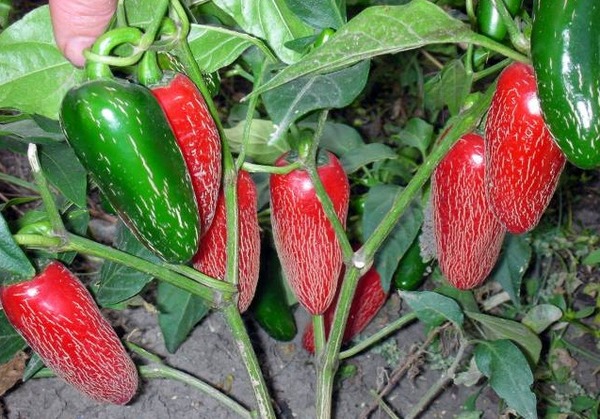
Note: If you have late-season peppers growing in your plastic greenhouse, try digging up a few plants and bringing them indoors to plant in flower pots. This will extend the fruiting period well into winter.
Video "Growing Features"
From the video you will learn how to properly grow this vegetable in a greenhouse.
Conditions and regional affiliation
Every pepper variety, without exception, has its own unique growing conditions, which, in turn, directly depend on the region you live in. Here are the key conditions that have a significant impact on the crop's yield:
- Light intensity is probably the only requirement equally important for all varieties: greenhouse peppers generally require additional lighting. If this requirement isn't met, you may encounter problems with leggy plants, weak growth, and failure to produce fruit. If your greenhouse is designed with any Japanese lighting fixture, you can forget about insufficient light.
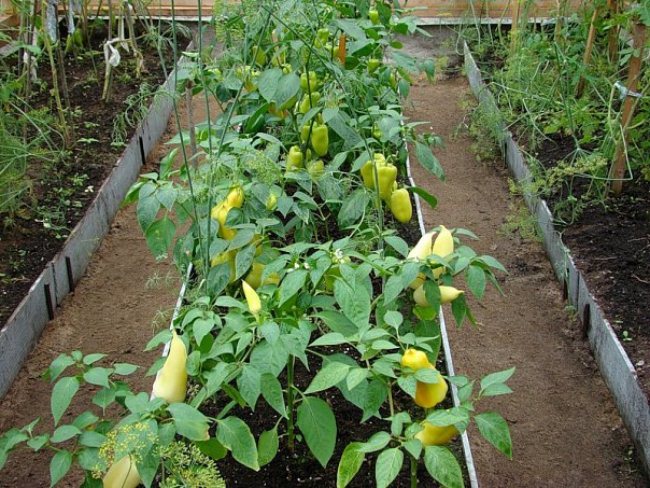
- The regional origin of the chosen variety—even the most productive peppers intended for southern regions won't produce a bountiful harvest in the northern part of the country (even in the best, most protected greenhouse). To avoid disappointment, try to choose locally bred varieties—then you'll be guaranteed that the crop will thrive and produce good results.
Hybrid or variety
Understanding what exactly you're planning to plant in your greenhouse—a hybrid or a cultivar—is essential to knowing whether collecting seeds from the grown fruit makes sense. Every breeder will confirm that collecting seeds only from cultivars will ensure you get the desired results. 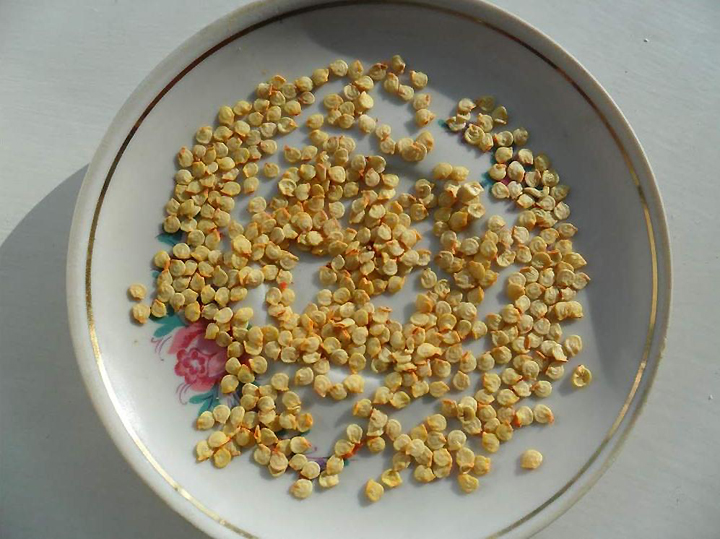 If you sow seeds collected from a hybrid (usually labeled f1 on the packaging), there's no point in expecting a harvest—the varietal traits or qualities of such plants are not passed on to the next generation. This is the unique feature of hybrids: they are certainly high-yielding and disease-resistant, but you'll have to buy the seeds again and again every year, and you won't be able to preserve the variety you like.
Color, size and shape
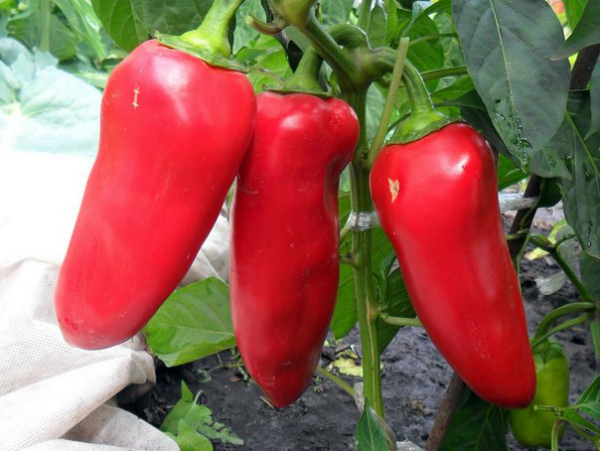
Today, there's a huge variety of fruit shapes available to domestic gardeners: peppers can be elongated conical, pyramidal, round, elliptical, ribbed capsule-like, or long and thin like a stick. The fruit's surface also varies—it can be smooth, bumpy, thick-walled, or thin-walled. Another difference is the flesh's density—it can be either tender or firmer. A detailed description of each variety's distinctive characteristics will be included on the seed packaging, but it's best to consult with the seller to select the variety you'd like to grow in your greenhouse. 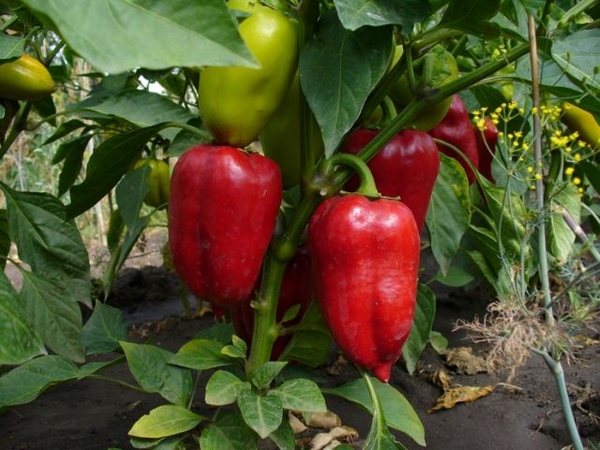 It's worth remembering that you shouldn't plant different types of crops (for example, sweet and hot peppers) in the same greenhouse: in any case, you'll be raising the greenhouse walls to allow pollination, which can lead to cross-pollination and the plants losing their characteristic qualities (or, conversely, in the case of sweet peppers, acquiring an undesirable spiciness).
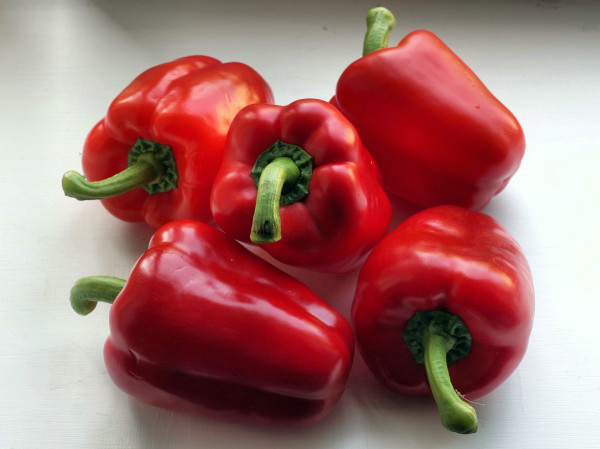
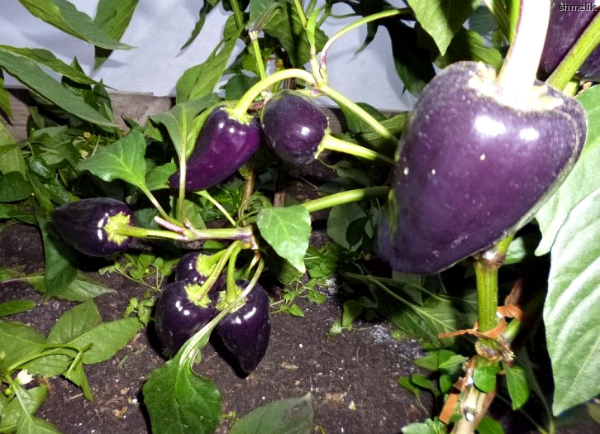
The range of fruit colors is quite wide – from the classic and familiar red to exotic dark purple and even black.
Here the choice will depend on your personal preferences – whether you want to admire monochrome in your greenhouse, or still want to see a riot of colors.
Don't forget about such features as the need to shape the bush (for some varieties, removing side shoots and leaves is essential). Another crucial factor for gardeners is the shelf life of the fruit, as we're not growing a harvest for just one day; often, homeowners prefer to preserve their own peppers, and not all varieties are suitable for this. As you can see, you can't do without competent, detailed advice.
Description of popular greenhouse varieties
- The Atlant pepper is ideal for growing in small polycarbonate greenhouses. A mature plant reaches only 80 cm in height, so it doesn't require a high ceiling. The fruit ripens in just over 100 days from the first shoots. This pepper variety is considered high-yielding and fairly early maturing, producing large fruits weighing over 100 g each. The flesh is juicy yet firm, with excellent classic flavor characteristics. At technical maturity, the fruits are bright green; at consumer maturity, the fruits are characterized by the familiar red color.
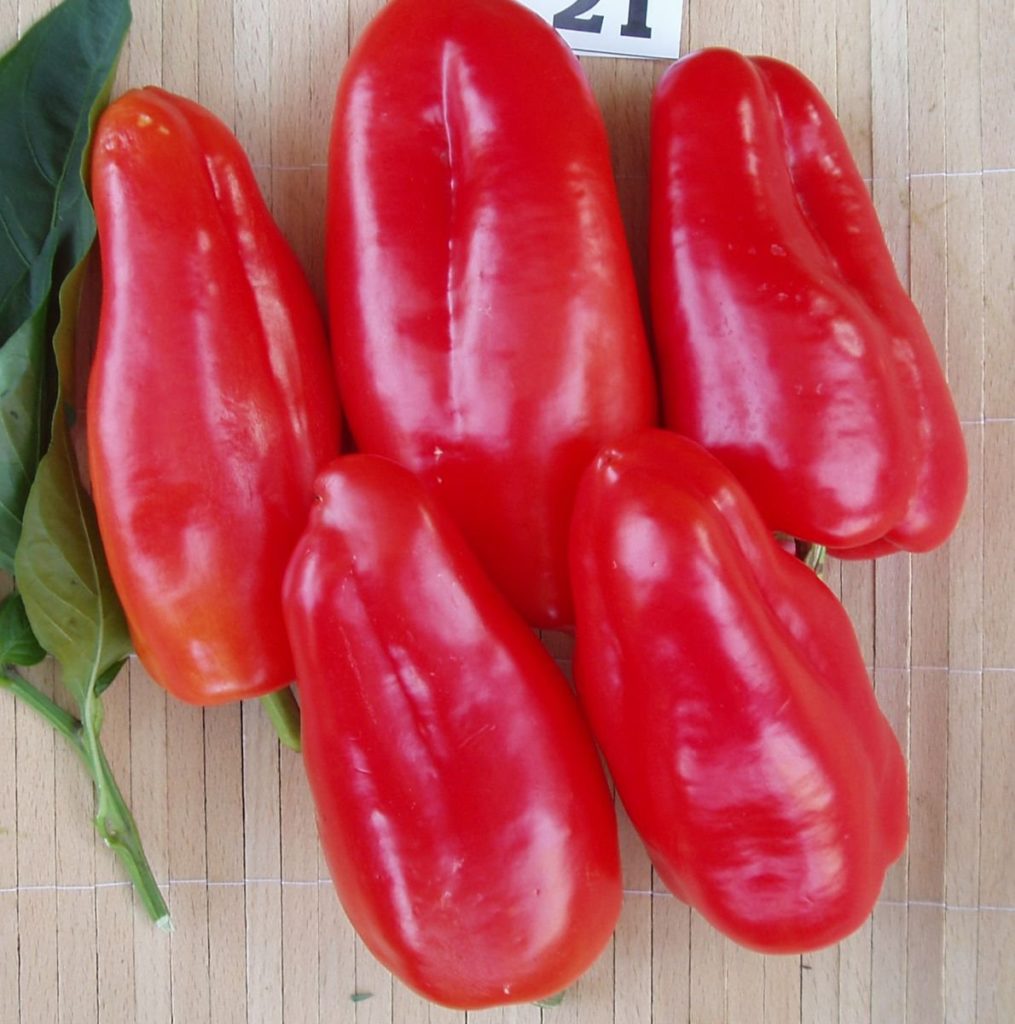
- Alyonushka is a popular hybrid variety, one of the most popular and beloved by farmers of all mid-early peppers. The growing season lasts from 100 to 120 days, and each bush reaches a height of 1 meter. The plants produce large, pyramidal-shaped fruits, weighing approximately 120 grams each. When fully ripe, the peppers turn bright red; at technical maturity, the fruits are light green.
- Prince Silver is an early variety (ripening in approximately 120 days). The bushes are fairly low-growing, reaching approximately 70 cm in height, and are compact and stable. The plants produce cone-shaped, smooth-walled fruits with tender, soft flesh. Many gardeners prefer to harvest these peppers before they reach consumer maturity: at the technical stage, the fruits are bright yellow, turning a deep red as they fully ripen. The peppers are fleshy and medium-sized, weighing approximately 90 g each. This variety is especially popular among domestic farmers for its high disease resistance.
- Orange Miracle is a variety as cheerful as its name suggests. It's ultra-early ripening—the first fruits can be harvested as early as 90 days after germination. Technically ripe peppers have a pleasant lemon color, later turning a deep orange. The fruits of this variety are quite large—each weighing 150 g—with fleshy, juicy pulp and thick skin. These plants shouldn't be planted in a low greenhouse—the bushes grow up to 120 cm.
- Hercules is an interesting and unusual pepper. Its distinctive fruit shape is distinctive—it's a distinctive cubic form. This mid-season variety bears fruit approximately 120 days after germination, forming compact, low bushes—each no more than 60 cm tall. The fruits are large, reaching 200 g, with thin walls and tender flesh, offering a classic flavor. This variety boasts increased resistance to infections that affect greenhouse plants.
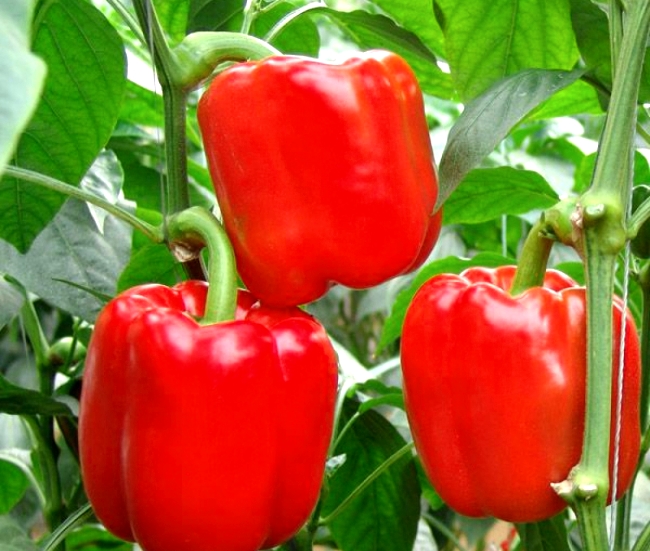
- The California Miracle is a very popular pepper among Russian gardeners. It produces perfectly prismatic fruits with a distinctive scarlet hue. Why is this variety so popular? The answer is simple: these peppers store well, maintaining their flavor and appearance for a long time. Although the California Miracle was bred specifically for Moldova, it is successfully grown in our region by selecting late-ripening varieties and sowing them in greenhouses.
- Arsenal is a mid-season variety distinguished by its characteristic compactness and low (up to 70 cm) bushes, as well as high yields. It produces medium-sized, cone-shaped fruits, each weighing approximately 120 g. Until ripening, Arsenal peppers are soft green, but turn a muted red upon completion of their ripening.
- Buratino, when grown in greenhouses, is considered a mid-early variety, reaching maturity in approximately 100 days. The shape of the fruit gives the variety its name—they are elongated and conical, slightly reminiscent of the famous fairytale character's distinctive nose. Ripe peppers have a distinctive classic red color, weighing approximately 150 g. The plants are medium-sized, no taller than 100 cm.
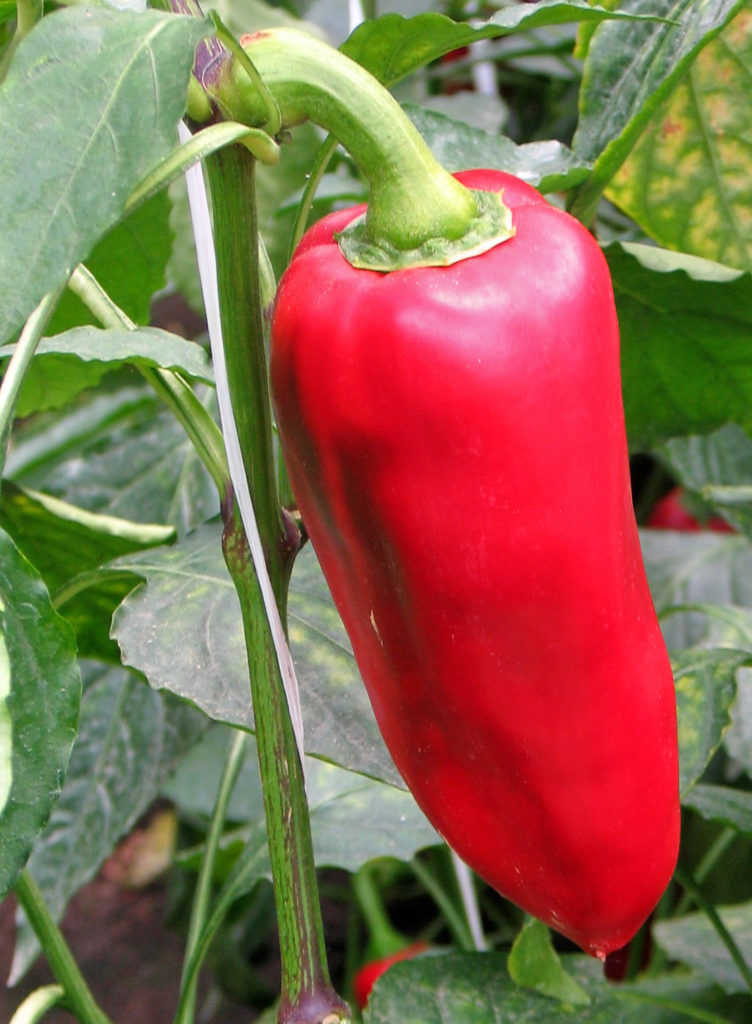
- Golden Tamara is a popular pepper variety due to its unique shape—from a distance, the fruits can be mistaken for tomatoes. Ripe peppers are quite large, weighing around 200 g each, and are delicious, juicy, and fleshy. The pepper walls are also unique, reaching 1 cm in thickness. The plant is compact and short, growing only about 90 cm. Although this variety is early maturing, it can be stored effectively for a long time, and the fruits also look great when canned at home. Another advantage of Golden Tamara is its resistance to viral plant diseases.
- The Swallow is a mid-season, delicious pepper with red, cone-shaped fruits. The plant forms a fairly tall bush—up to 120 cm—but produces relatively small fruits, weighing only about 140 g. This small size is more than compensated for by the quantity of peppers, as well as their properties—the Swallow keeps well.
- Cardinal is an unusual and very attractive hybrid variety. Upon reaching consumer ripeness, the fruits acquire a unique purple color, reminiscent of eggplant. The bushes grow large—over a meter tall—and the fruits are also impressively sized, weighing approximately 180g each.
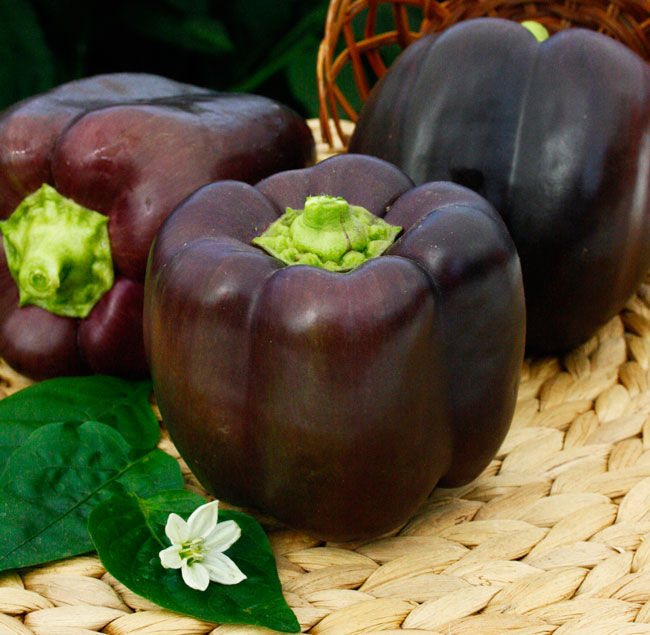
- Winnie-the-Pooh—this playful name conceals an excellent early pepper variety, a favorite among Russian gardeners. Plant it and you'll be generously rewarded with large, truncated cone-shaped fruits—up to 170 g. These peppers are best used immediately after harvesting; they won't keep for long. Winnie-the-Pooh is characterized by juicy, soft flesh, thin skin, and excellent flavor.
- Claudio is a Dutch pepper variety. It's considered a late-ripening variety, requiring more than three months to fully ripen. However, you'll be generously rewarded with incredibly large fruits—each weighing over 250 g. The peppers' coloring is also unusual—they have a distinctive brownish-red hue. The plant forms a very large and robust bush, growing up to 130 cm in height. This variety is noted for its shelf life and resistance to most diseases.
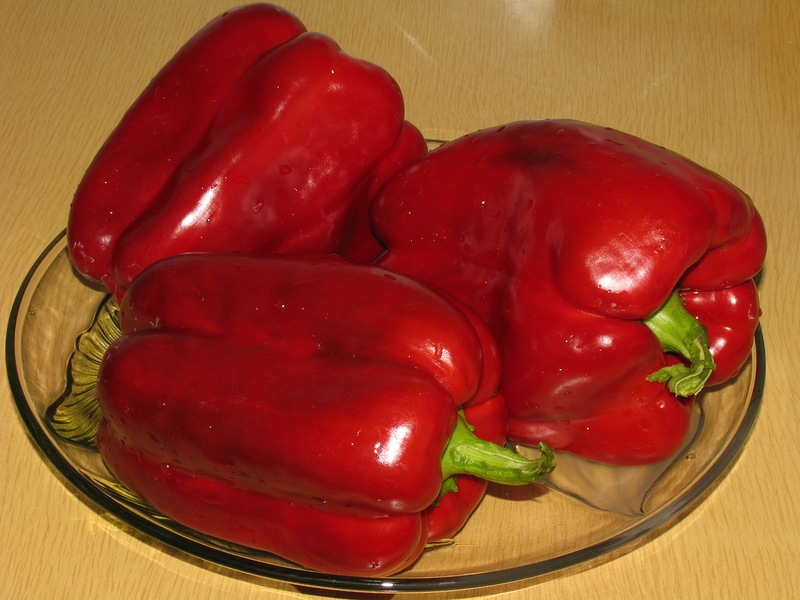
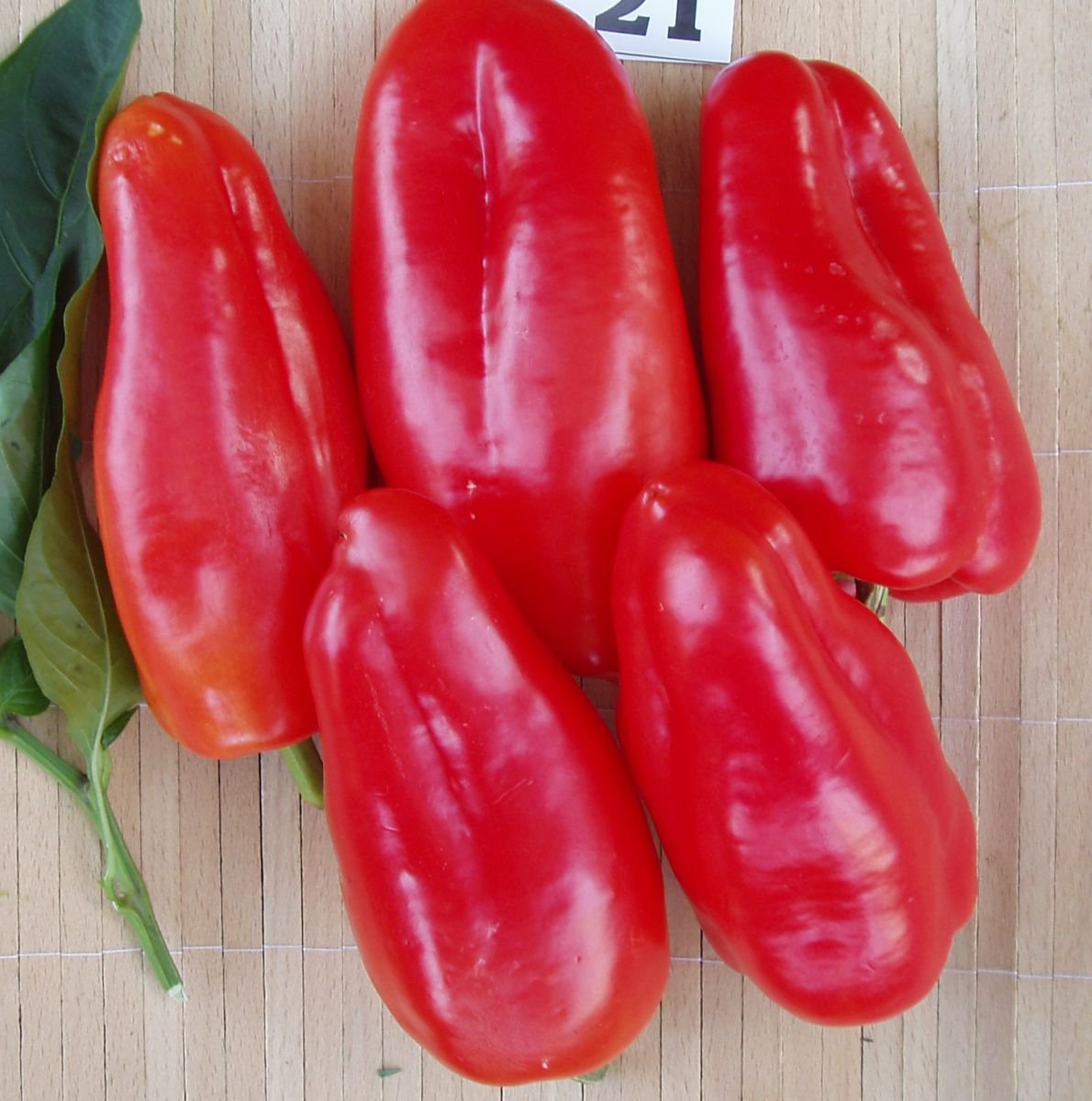
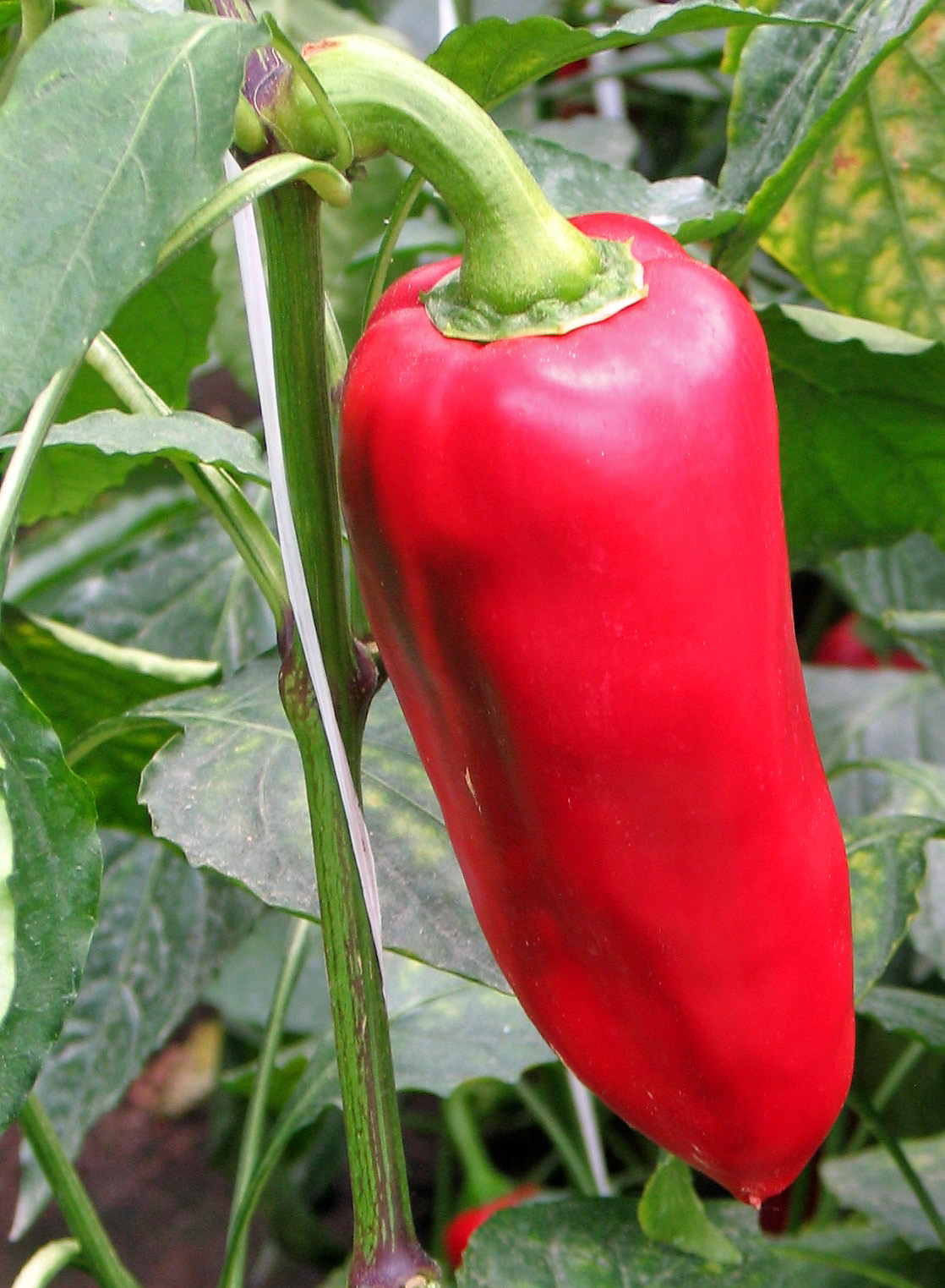
Regardless of which of the varieties described above you choose, the selection characteristics aren't the most important factor. Proper care, adherence to agricultural practices, and timely pest prevention and, if necessary, control play a huge role. Without these key factors, no one will be able to grow a decent harvest, even in greenhouse conditions.
It's also important to remember that although peppers aren't particularly demanding crops, they're still quite demanding: don't be lazy about growing seedlings that can be transferred to a greenhouse when the time is right.
Next, all that's left to do is ensure optimal humidity, regular ventilation and fertilization, as well as loosening the soil and removing weeds. If you do everything right, you're destined for a bountiful and abundant harvest, the envy of all your neighbors.
Video "Successful Varieties"
This video will tell you about the most productive pepper varieties.