
Pepper variety "Bogatyr": detailed description
Content
General description
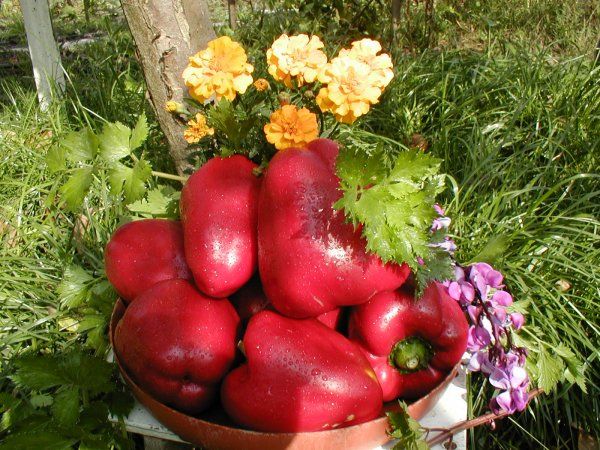
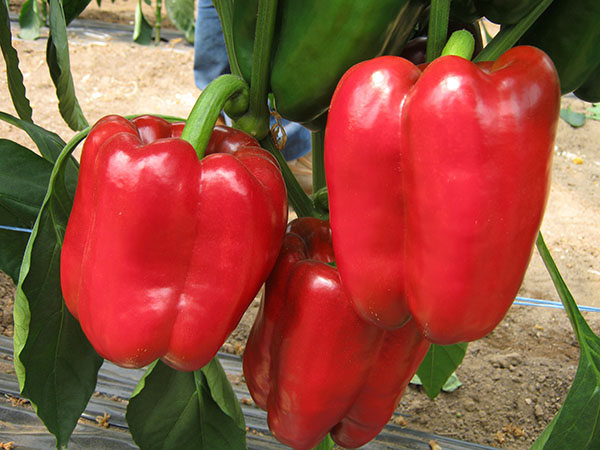
This variety is characterized by a medium ripening period, meaning it takes 115-130 days from mass germination to fruit formation. The bush is tall (55-70 cm), lush, and branched, with dark green, robust leaves. The downward-hanging fruits are trapezoidal in shape, with ribbed tips.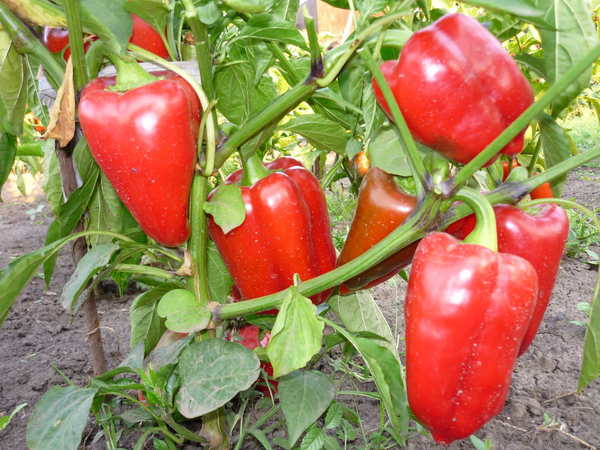
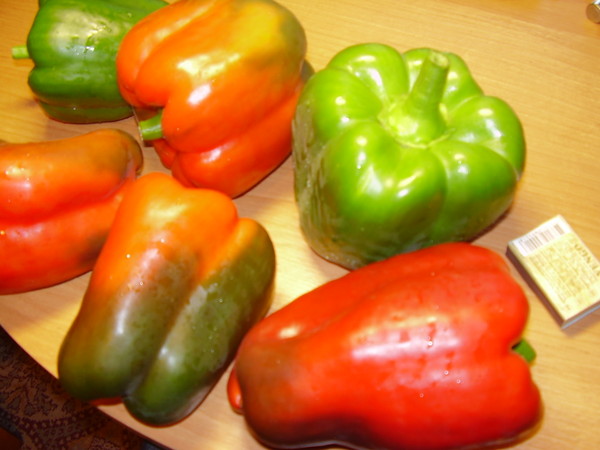
The fruit is light green at technical maturity and red at biological maturity. The wall thickness ranges from 4.9 mm to 5.8 mm. The first fruits are very large, reaching 200-220 g in weight, while subsequent fruits weigh 130-150 g. 100 g of early ripe fruit contains 5.8-8.3% dry matter, 3.1-6.7% total sugar, and 92.4-128.6 mg vitamin C.
The variety was developed by the Moldovan Research Institute. The originator of the variety in our country is Agrofirma Poisk, LLC, located in the Moscow region. The variety was entered into the state register in 1996, where it is recommended for professional cultivation in the North Caucasus and Lower Volga regions. The popularity of "Bogatyr" significantly exceeds these boundaries. In commercial cultivation, this pepper is valued for its consistently high yields, averaging 400 centners per hectare. For home gardens, the average yield is 7 kg per square meter. The fruits withstand transportation and storage well. This variety is resistant to tobacco mosaic virus and is slightly susceptible to verticillium wilt and blossom-end rot.
Video "Description"
This video describes the Bogatyr pepper variety.
Growing
Since peppers begin bearing fruit quite late, they are grown from seedlings alone. The best time to sow them is late February or early March. The seeds must be soaked for 20 minutes in a weak solution of potassium permanganate or any fungicide, after which they are placed between several layers of cloth and moistened. In a warm (25°C) location, sprouts should appear within a week.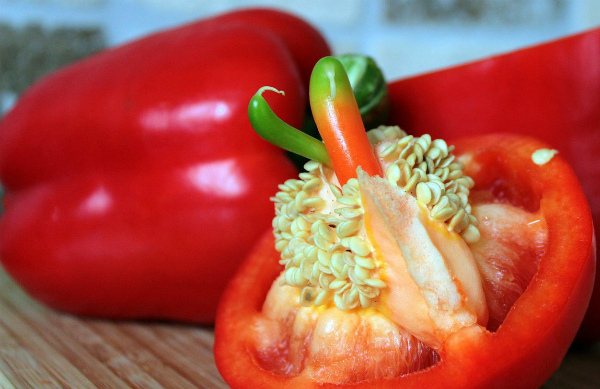
Particular attention must be paid to the preparation and disinfection of the soil, due to the fact that peppers are highly susceptible to fungal diseases. The seeds are placed in a prepared container, spaced 1.5-2 cm apart, and covered with a 1-centimeter layer of soil. Until germination, the container is wrapped in plastic and maintained at a temperature of 25 degrees Celsius. Subsequently, a well-lit location and a temperature of 15-17 degrees Celsius are required. After about a month, the seedlings will develop 3-4 true leaves.
At this time, transplant the peppers into individual cups, taking care not to damage the roots or plant them too deep. Initially, they will need shade from the bright sun. It's crucial to ensure the soil doesn't cool below 15 degrees Celsius, as seedling growth stops at 13 degrees Celsius. Fertilize the peppers twice before planting them outdoors. The first time is two weeks after transplanting, and the second time is the same amount of time later. You can use Kristalon complex fertilizer, applied in liquid form, following the package directions.
Before planting in their permanent location, seedlings need to be hardened off, so they are given fresh air walks, increasing their duration each day. Peppers are planted in prepared beds at the age of two to two and a half months, when the average daily temperature reaches -15-17°C. The planting pattern is 40 cm between plants and 60 cm between rows. Peppers do not tolerate cold, heavy soils, so clay soils should be amended with peat and humus in the fall. When planting, any complete mineral fertilizer containing nitrogen, potassium, and phosphorus can be added directly to the hole. 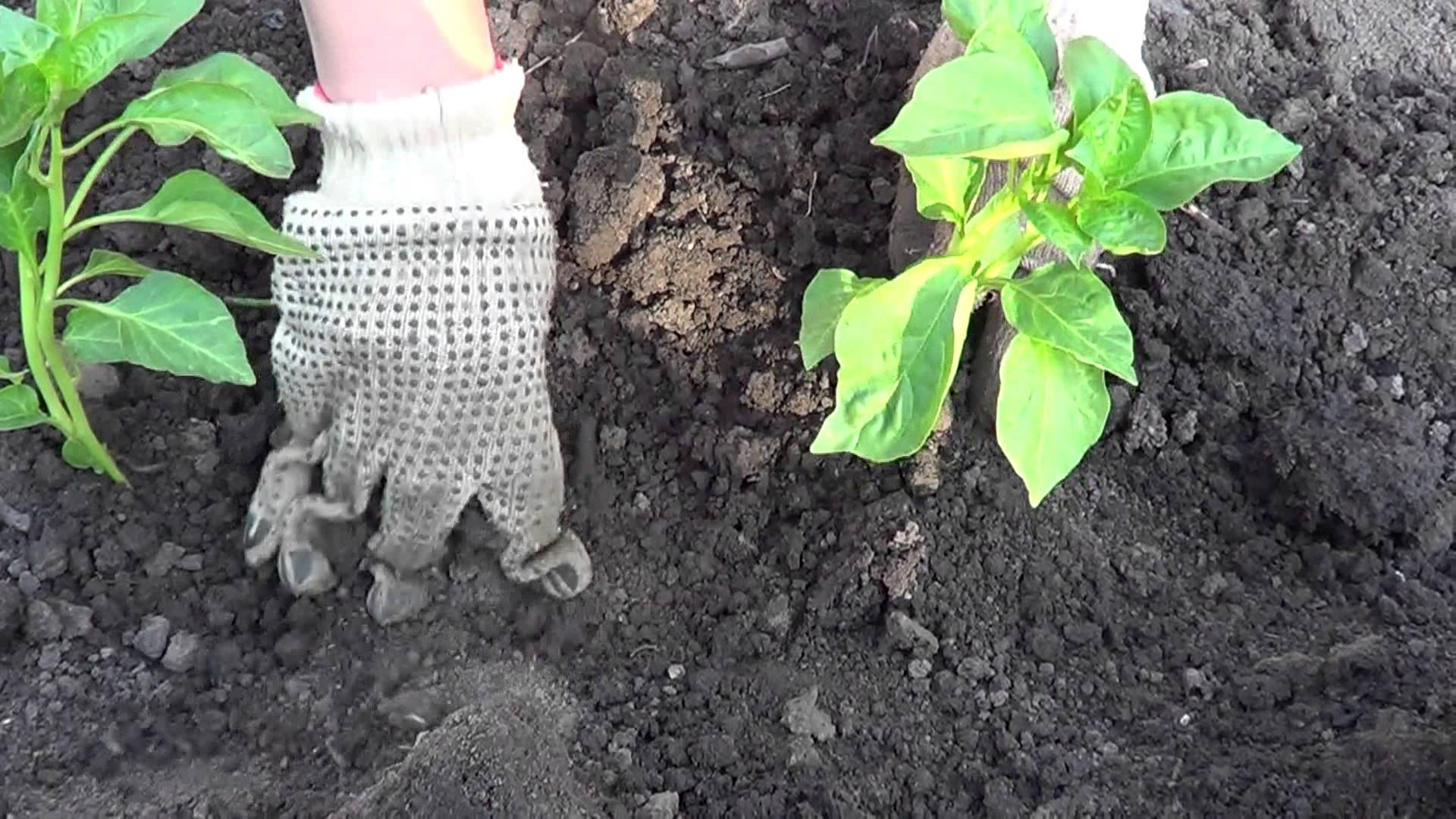 Further care consists of timely watering, loosening the soil, and fertilizing, which can be applied either at the root (a 1:10 solution of chicken manure) or by spraying (1 tablespoon of nitrophoska per bucket of water). "Bogatyr" bushes may require staking, which is done by driving a stake near the bush and securing it to it.
Diseases and pests
Black leg is a fungal disease that destroys seedlings due to excessive watering and low temperatures.
Cladosporiosis (brown spot) affects leaves, stalks, and fruit ovaries. Brown spots appear first on the lower leaves, gradually moving upward. The ovaries fail to develop and fall off. This fungal disease requires preventative spraying with fungicides before the fruit ripens.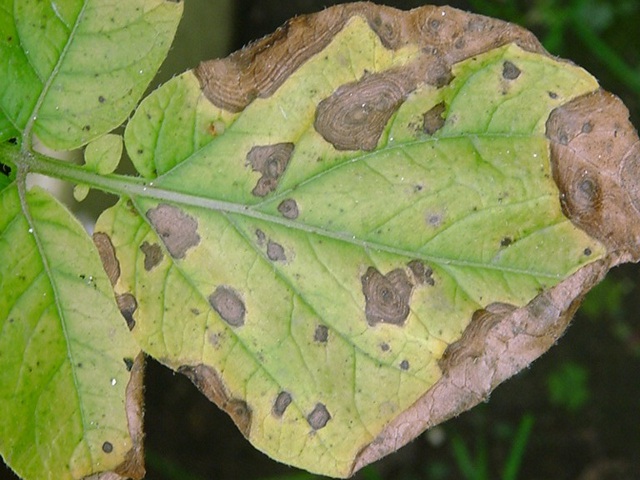
Gray mold affects fruits at all stages of development, leaving them covered with rotten spots and gray mold. As with the previous case, it's best to prepare for this disease by spraying with antifungal agents.
Slugs eat leaves and fruits, causing them to rot. To combat them, dust the soil with mustard powder and ground pepper.
Spider mites weaken plants by feeding on their sap. To combat them, you can use an eco-friendly folk remedy: crush 1 cup each of dandelion leaves and onion (or garlic) and dilute it in 10 liters of water with a tablespoon of liquid soap. Spray the leaves and fruits with the strained infusion.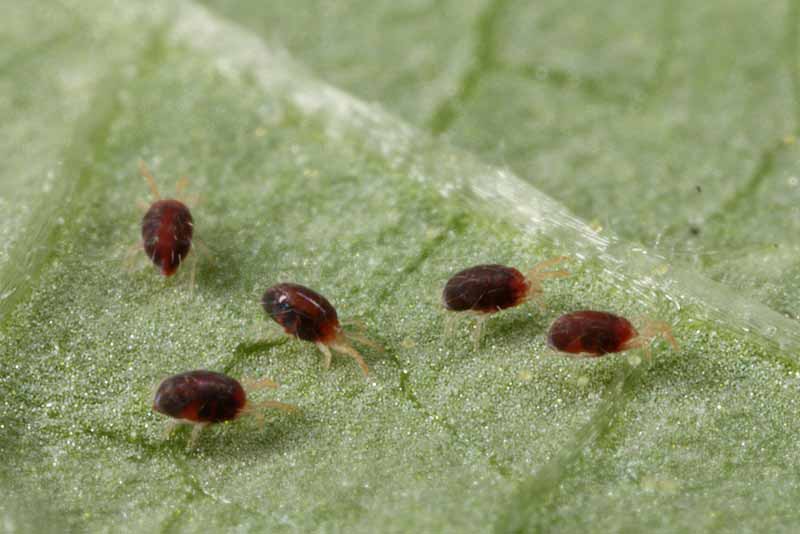
The cutworm produces two clutches of eggs per season, which hatch into caterpillars that damage leaves, flowers, and fruit. To combat this, you can use a wormwood decoction (1 kg in 3 liters of water, boil for 15 minutes), spraying the plants twice, once a week apart.
Useful qualities
Useful qualities of the Bogatyr variety:
- high yield;
- mid-season maturity, which allows for relatively quick fruiting;
- resistance to serious diseases;
- excellent taste;
- high content of vitamin C.
Sweet peppers hold the record among vegetables for ascorbic acid content. They also contain the rather rare vitamin P, which makes blood vessels more elastic and helps vitamin C cleanse them of cholesterol plaques.
Thanks to this combination, regular consumption of bell peppers reduces the risk of stroke by 46%. The B vitamins, silicon, iron, and potassium they contain improve blood composition, skin and hair condition, boost mood, and normalize sleep. Peppers also contain iodine, essential for normal metabolism and intellectual development.
Video "Growing"
This video will show you how to grow the Bogatyr pepper variety.