
Why do cucumber embryos turn yellow in a greenhouse and what can be done about it?
Content
Diseases
No matter how wonderful the conditions vegetable growers try to create in their greenhouses, the plants there sometimes get sick, and some even lose their fruit due to disease.
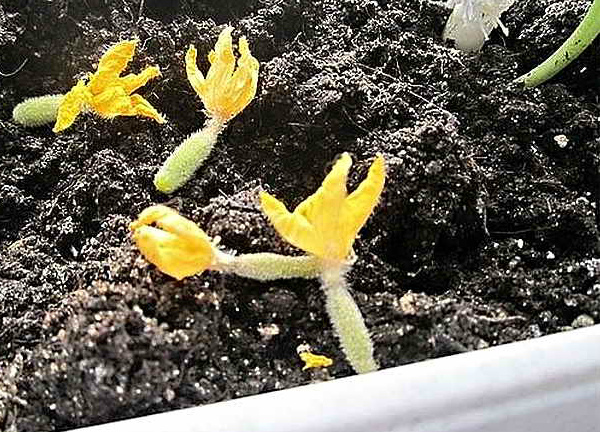
If cucumber tops are left in the greenhouse from last year (which should never be done) and if weeds are not removed promptly, there is a risk of powdery mildew developing on the plants. Weeds or old leaves can carry infection and fungal spores, which cause the disease. In the garden, this can occur after heavy rains, especially in areas with excessive moisture. A white coating appears on the leaves. The plants turn yellow and dry out. This is why small fruits or ovaries fall off.
Plants can also be affected by downy mildew, which also causes yellowing and loss of fruit. This disease is fungal. While the white coating seen with regular powdery mildew appears early in the infection, with downy mildew, the onset of the disease is completely unnoticed. Only when the mycelium has permeated the entire plant does a white coating appear on the underside of the leaves. Once the spots appear on the leaves, treatment is often too late, and the entire plant dies.
Spraying with an ash infusion and a solution of laundry soap helps combat powdery mildew. Downy mildew almost always kills greenhouse plants because it's detected late, but it's worth a try. You can treat cucumbers with antibiotics, such as penicillin, terramycin, or streptomycin, dilute them tenfold, and spray them on the plants.
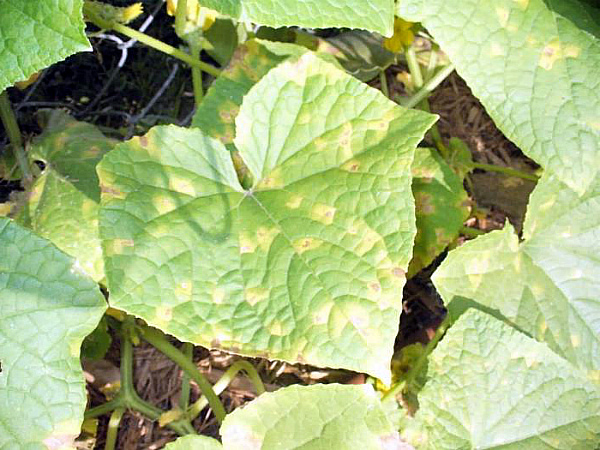
Another fungal disease that can destroy cucumbers is root rot. This disease attacks the plant's roots. Symptoms include browning of the root collar, yellowing and drying of lower leaves, and the dropping of fruit buds.
Fungal diseases are easier to prevent than to cure, so it's important to disinfect the greenhouse, remove old vegetable tops, prevent weed growth, and, of course, maintain proper temperature control, ventilate the greenhouse, maintain proper spacing between plants when planting, and prevent them from casting shade on each other.
At high temperatures and humidity, cucumbers in a greenhouse can be susceptible to bacterial wilt. Brown spots appear on the leaves, followed by damage to flowers and fruit buds. Why does this happen? Most often, the infection hides in the seeds. Bordeaux mixture can help combat this disease, and it's advisable to treat seedlings with copper sulfate (but do this in microdoses before planting them in their permanent location).
Pests
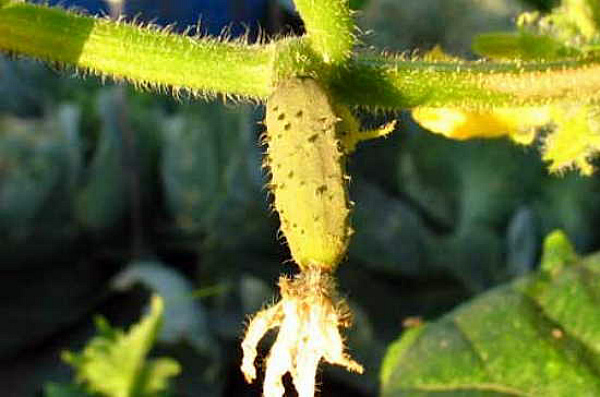
Pests often find their way into greenhouses. This could explain why cucumber buds are turning yellow and ovaries are dropping. This can be caused, for example, by the presence of melon aphids. Small spots on the leaves initially turn yellow, then they grow larger and turn dark green. Not only do these pests feed on plant sap, they also secrete substances that are toxic to plants and transmit viruses, bacteria, and fungi.
Weeds are often the culprit behind aphids when growing vegetables under protection, so they need to be mercilessly controlled. Gardeners typically plant aphid-repellent plants near vegetables. A row of onions, garlic, coriander, or fennel emits a strong enough odor to repel pests. Lavender or marigold bushes can be planted between cucumbers; aphids also dislike them. Some homeowners, on the contrary, plant plants that will attract aphids, making them forget about the vegetables. Mallows, beans, and petunias can attract aphids, as can nearby linden, viburnum, and bird cherry trees. It's also a good idea to attract ladybugs; they are excellent at repelling aphids.
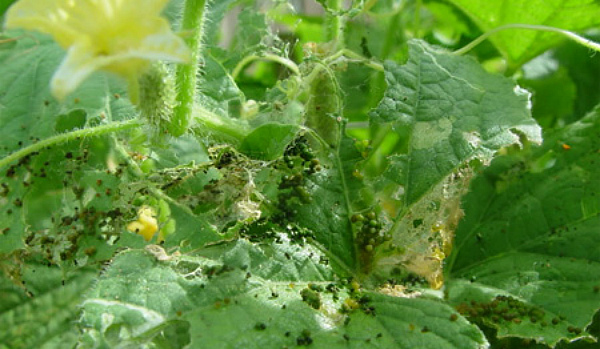
Spider mites also feed on plant sap. Their presence causes fruit buds to turn yellow and fall off. First, you'll notice webbing on the underside of leaves, then flowers and fruits become covered with small yellow spots. If left untreated, the entire plant will soon be covered in webbing, and then the mites will move on to healthy vegetables. To prevent this, carefully inspect all plants at the first sign of webbing, remove (and destroy) any affected parts, eliminate weeds between the vegetables, and then treat the plants with specialized products.
Some vegetable growers prefer home remedies. Treating greenhouse plants with a spice infusion has shown good results. It's made like this: ground cinnamon and ground cloves are poured into water, brought to a boil, garlic juice is added to the infusion, cooled, and mixed with laundry soap. Apply this mixture to the plants several times, paying special attention to the undersides of the leaves.
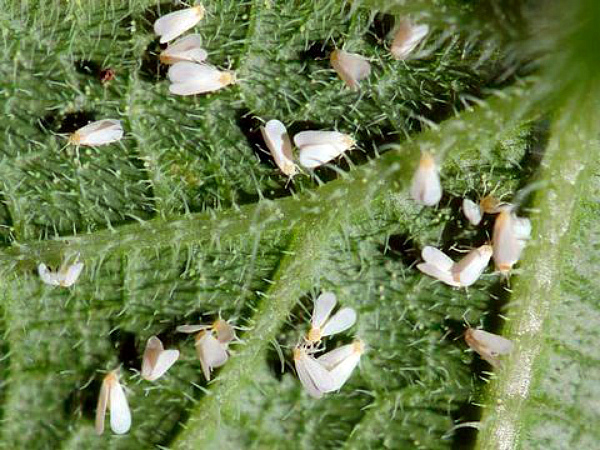
Another harmful pest is the greenhouse whitefly. This tiny moth grows no more than 2 mm, but its larvae cause significant damage to vegetables. The larvae feed on plant sap, simultaneously covering it with a coating that harbors fungi. This means they not only destroy the plant, sapping its vigor, but also contribute to the spread of various diseases. If cucumber pupae are turning yellow and falling off, it's quite possible that greenhouse whiteflies are involved. They appear in the greenhouse along with weeds or planting material. Garlic and soap sprays are helpful in controlling whitefly larvae and aphids.
Temperature
It's no wonder cucumbers are grown in protected soil—they need a comfortable temperature. When the air temperature drops to 13 degrees Celsius, the buds die, and all parts of the plant stop growing and developing. If the temperature approaches 30 degrees Celsius, the ovaries also turn yellow and fall off. After 32 degrees Celsius, pollen becomes sterile—that's why such high temperatures in greenhouses are unacceptable.
It is necessary to set up a ventilation system so that the required temperature is always maintained, which is no less than +15 and no more than +25 degrees.
Cucumbers love warmth, which isn't always available in the spring in most temperate regions, so these vegetables are usually grown in greenhouses to create optimal temperature conditions.
Watering
Cucumbers thrive in warmth and moisture, which is why proper watering is crucial. Insufficient water causes cucumber buds to turn yellow and fall off.
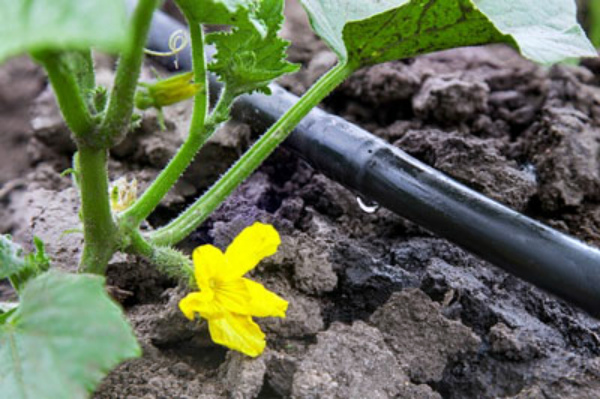
Watering should be done in the morning (on a hot day) or around midday if it's cool outside. The water should be no colder than 25 degrees Celsius. If you water with cold water, the plant will only develop male flowers—in this case, no ovaries will form at all, and any that have already appeared will fall off.
Improper care
It happens that the buds of fruit turn yellow and fall off of perfectly healthy plants in ideal conditions. Why? Because the greenhouse was planted with a variety that requires insects for pollination, rather than a self-pollinating one. If this happens, open the windows and doors and attract bees by placing saucers of sugar syrup. You can also place male flowers in the syrup.
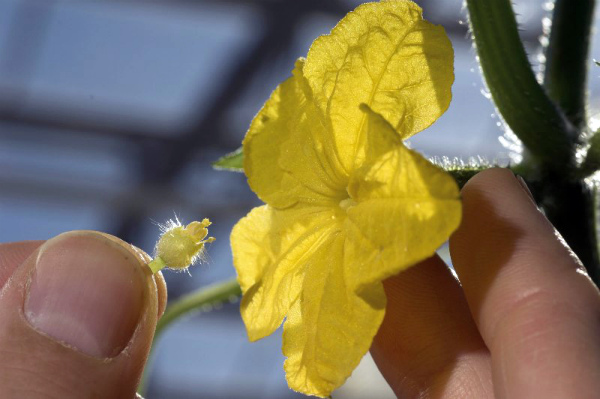
Some vegetable growers pollinate their plants themselves. This should be done in the morning between 6:00 AM and 10:00 AM (this is the time when pollen is most active). Use a soft brush to brush the stamens of several male flowers, then transfer the pollen to the pistils of the female flowers. Alternatively, you can simply carefully pick the male flowers and rub them over the female flowers.
Proper care of cucumbers in a greenhouse will provide the owner with a rich harvest, but you just need to know what it consists of. Much has already been said about temperature and humidity. It's important to emphasize that in the high humidity that cucumbers thrive in, they shouldn't grow too densely. Avoid allowing weeds to grow too large or failing to remove old tops properly—this can lead to infection with various viruses, fungi, and bacteria, which can cause irreparable damage to the future harvest and add to the owner's worries. After harvesting, remove (or destroy) all plant debris, disinfect the greenhouse, and replace the soil.
Everyone knows that greenhouse vegetables need nitrogen, potassium, and phosphorus, but sometimes people forget that cucumbers also need other elements, such as manganese, calcium, boron, copper, zinc, and others. Therefore, complex mineral fertilizers, or at least wood ash, should be used. However, an excess of nitrogen should be avoided, as it stimulates the growth of foliage (leaves and stems) at the expense of fruit set.
Bush formation is crucial. Gardeners want a lot of fruit, so they think the more ovaries they produce, the better the harvest. This isn't always the case. There are varieties and hybrids that produce a lot of ovaries, but they may not all receive enough nutrition to ripen. That's why the main stem and a few shoots are usually left in the greenhouse. Fruit must be harvested promptly; if you leave the cucumbers growing, new fruit will not develop. On the contrary, timely harvesting stimulates further growth.
Video: "Causes of Yellowing of Cucumber Embryos"
If you're wondering why cucumber ovaries are dying, watch this video. You'll learn about the causes and treatment options.