
Pinching as the most important part of caring for cucumbers in a greenhouse
Content
Why do it?
Many novice gardeners don't understand why pinching is necessary at all, as they already get a decent harvest from their cucumbers, whether they grow them outdoors or in a greenhouse (made of polycarbonate or other material). The question "why pinching cucumbers is important" can be briefly answered by the following list of benefits this procedure provides (if performed correctly):
- allows you to shape the plant in the desired way for growing, using various methods (trellises, wire, etc.);
- helping the plant grow properly;
- easier care of plantings;
- simplification of the cucumber picking process;
- stimulating the formation of female flowers on plants;
- cucumbers formed after pinching (in a greenhouse or open ground) do not taste bitter;
- the fruits begin to actively accumulate nutrients;
- Increased yield. This occurs because, if pinching is done correctly, the plant devotes all its energy to producing tasty fruit rather than growing foliage.
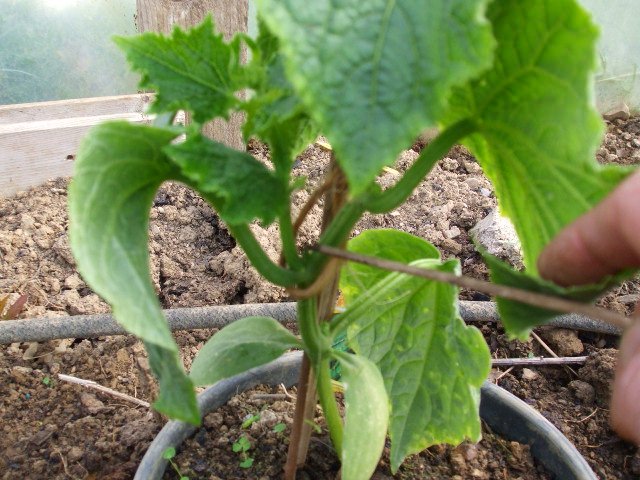
Try pinching and compare the harvest with what you'd get from plants without this procedure. The result with pinching is guaranteed to be many times greater and better in taste.
Many gardeners are lucky and harvest a good cucumber crop from their plants. But this only proves that the plants have produced many female flowers. No one can guarantee that similar care will yield the same results next year, as male flowers (sterile flowers) can always form instead of female flowers.
As we can see, pinching is an essential step to ensure proper and complete care of your plants. This is true for both plants planted in a greenhouse (made of polycarbonate or other materials) and those grown outdoors.
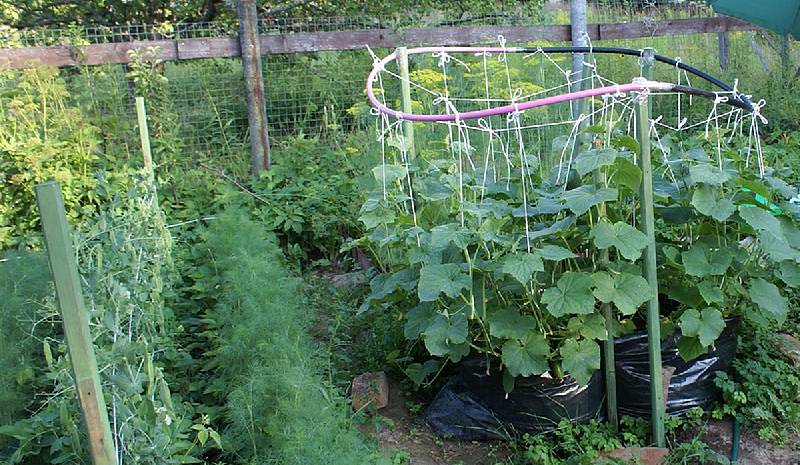
Thus, pinching has only advantages. However, there are situations when it is not necessary to do so on lateral shoots. The main disadvantage of this element of cucumber care is that all actions must be performed correctly and with great care. As a result, specific pinching patterns have been developed for each variety. This should be taken into account when growing cucumbers in a greenhouse (for example, made of polycarbonate) or in the open ground.
How to pinch correctly
The pinching process for different cucumber varieties requires different steps. However, there are some general guidelines that apply to all plant types. These include:
- The time to pinch off. This process must be completed before flowering begins;
- the growth of plants should not exceed 25 centimeters;
- Once the lower ovaries have been removed, all the plants' energy will go toward fruit formation. If they are left untreated, the rate of ovary development will be slow. As a result, a good harvest can be forgotten.
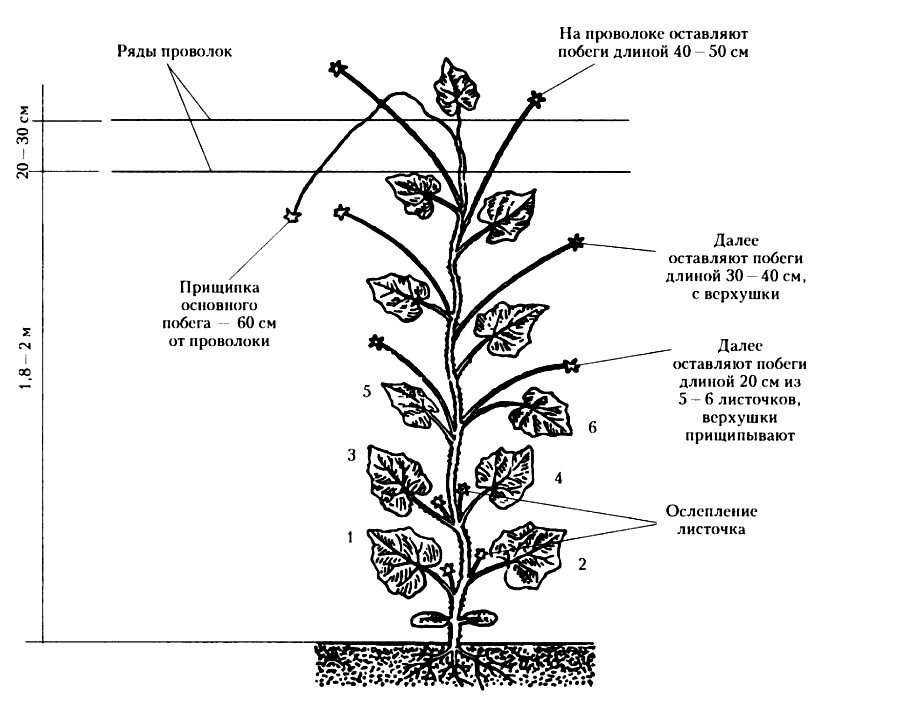
These points can be considered the same for all methods used for pickling cucumbers. This process can be divided into the following subtypes:
- for insect-pollinated varieties;
- for parthenocarpic varieties;
- for cucumbers grown in open ground.
The first two methods can be implemented in a greenhouse, although insect-pollinated varieties are better suited for outdoor cultivation. Let's look at the steps in each case in more detail.
Video: "How and When to Pinch Cucumbers. Why Pinch Cucumbers?"
The author talks about the technology of shaping cucumbers using pinching, as well as what to use to pinch cucumbers.
Insect-pollinated varieties
Many people today grow insect-pollinated varieties in greenhouses. As the name suggests, pollination of these plants requires the help of insects. In a greenhouse, where insects are generally not allowed, pollination of female flowers is done manually with a brush and a lot of patience.
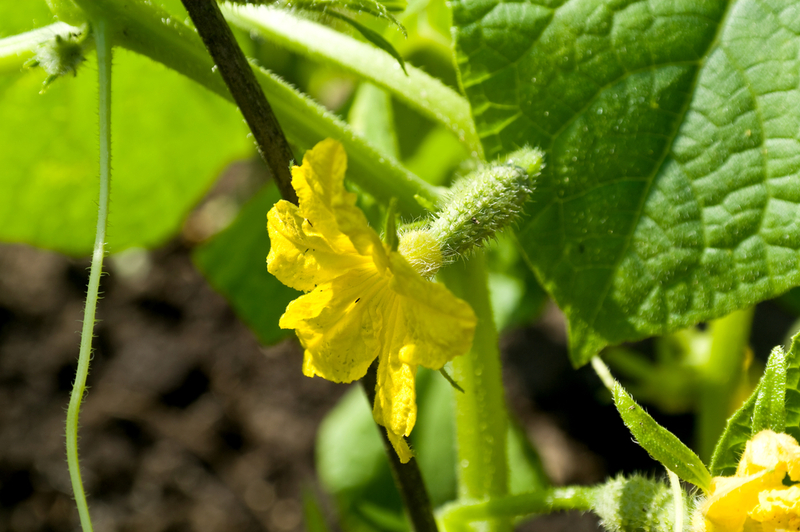
It's worth noting that when growing these varieties in a greenhouse, the biggest challenge is the abundance of male flowers. Therefore, pinching is essential for a bountiful harvest.
Let's look at the preparation stage that precedes pinching:
- the seedlings are not planted too densely;
- periodic fertilizing is carried out;
- After planting the seedlings, you need to wait 2 weeks;
- Then, before pinching, experienced gardeners recommend installing a trellis to support the plants. Using a trellis, you can easily separate the main stem from the side shoots.
A step-by-step instruction for the pinching procedure (how this process should be carried out correctly) is as follows:
- At the beginning of pinching, you need to form a weave by cutting the top above where the sixth leaf will be located. This will stimulate the formation of side shoots;
- in the future, the stepchildren will need to be tied up;
- We leave three sprouts on the plant and remove everything else.
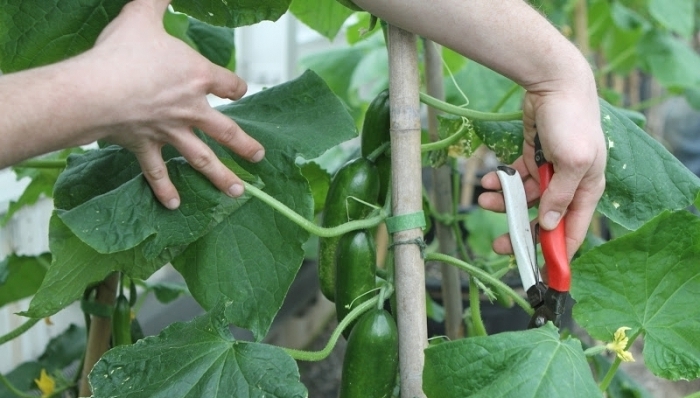
This method has proven particularly effective for hybrid varieties. For other varieties, only one shoot needs to be left. This will become the main shoot for the bush. After this, the further steps are as follows:
- Each remaining shoot should form 4 growth points. Fruit will form on these points;
- a small number of leaves should be left on the shoots to feed the fruits;
- Leaves damaged by infection and insects must be removed.
After pinching, cucumber care remains the same. Properly following this process will ensure a bountiful harvest.
Parthenocarpic varieties
Parthenocarpic varieties do not require insect pollination. Therefore, these plants are ideal for greenhouse cultivation. Parthenocarpic bushes often produce fertile flowers. Therefore, pinching is not necessary to increase overall yield.
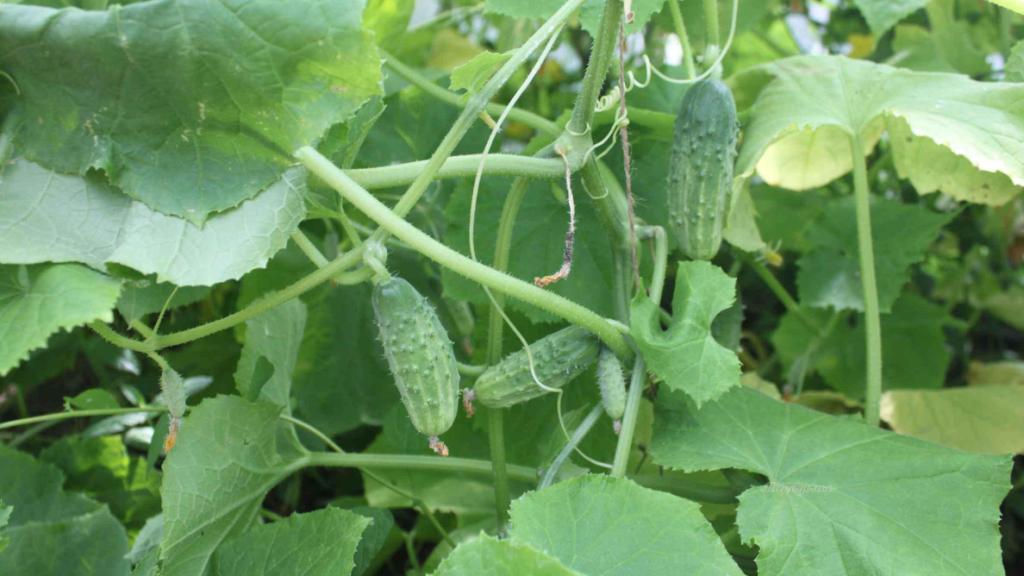
These varieties produce new shoots quite quickly. Therefore, pinching is necessary to achieve the desired density and light level. To do this, follow these steps:
- we fix the plant on the trellis;
- when the main stem reaches 50 cm, the side shoots need to be removed;
- inflorescences and ovaries are also removed;
- in the blinding zone (the lower part of the plant), pinch off the shoots that appear on the side, slightly above the first leaf;
- remember that you need to save one ovary;
- This procedure is carried out at a height of about 50 cm;
- at a height of 1-1.5 meters from the soil there should remain 3-4 shoots, a couple of leaves and two ovaries;
- 3-4 ovaries and several leaves should remain above.
If the plant continues to grow, it should be moved over the trellis. When the ground on the other side of the trellis is 20 cm away, the growing point is removed. That's all there is to it.
Varieties in open ground
When growing cucumbers in open ground, pinching will depend on the planting density. If the plant has short stems, then pinching may not be necessary at all, as it will not affect the yield. But if the shoots have formed long, then the following measures are carried out:
- The top is removed. This is done when the main shoot reaches one meter in length, and the lateral shoots reach half a meter;
- Other shoots should also form on the lateral shoots. Their size should not exceed 20 cm.
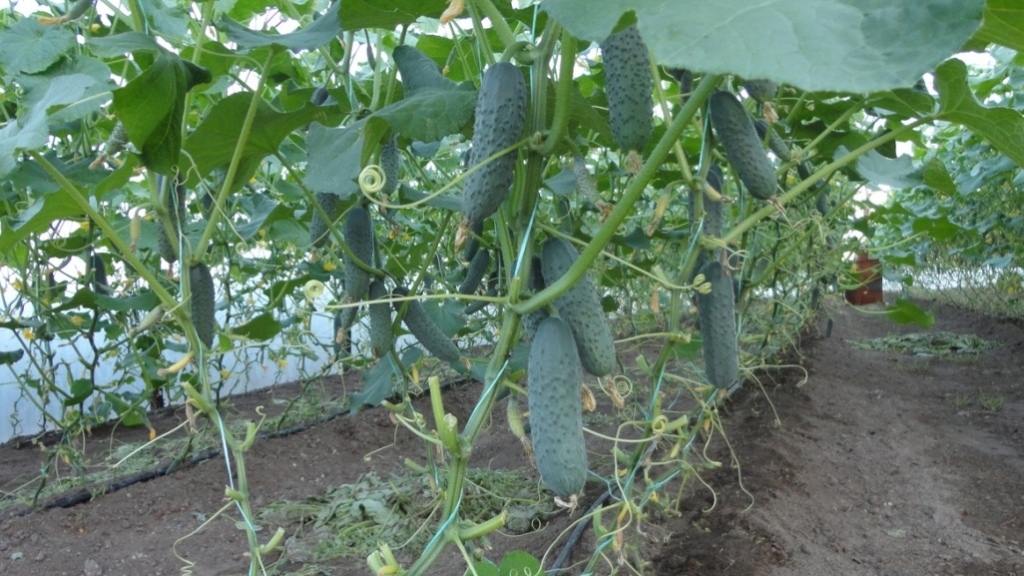
This scheme applies to cucumbers that have been tied up. If they haven't been tied up, pinching is done as follows:
- on the main shoot, the growth point is removed after the fourth leaf;
- on lateral shoots, we eliminate the growth point after the second leaf;
- when growing hybrids, pinching is done on lateral shoots;
- all axillary shoots that have already formed must be removed;
- It is also necessary to remove the ovaries and barren flowers that were formed first.
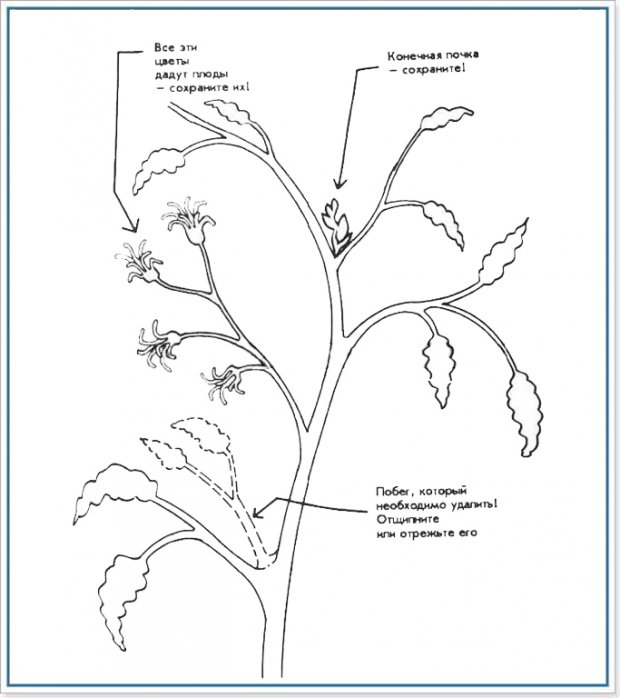
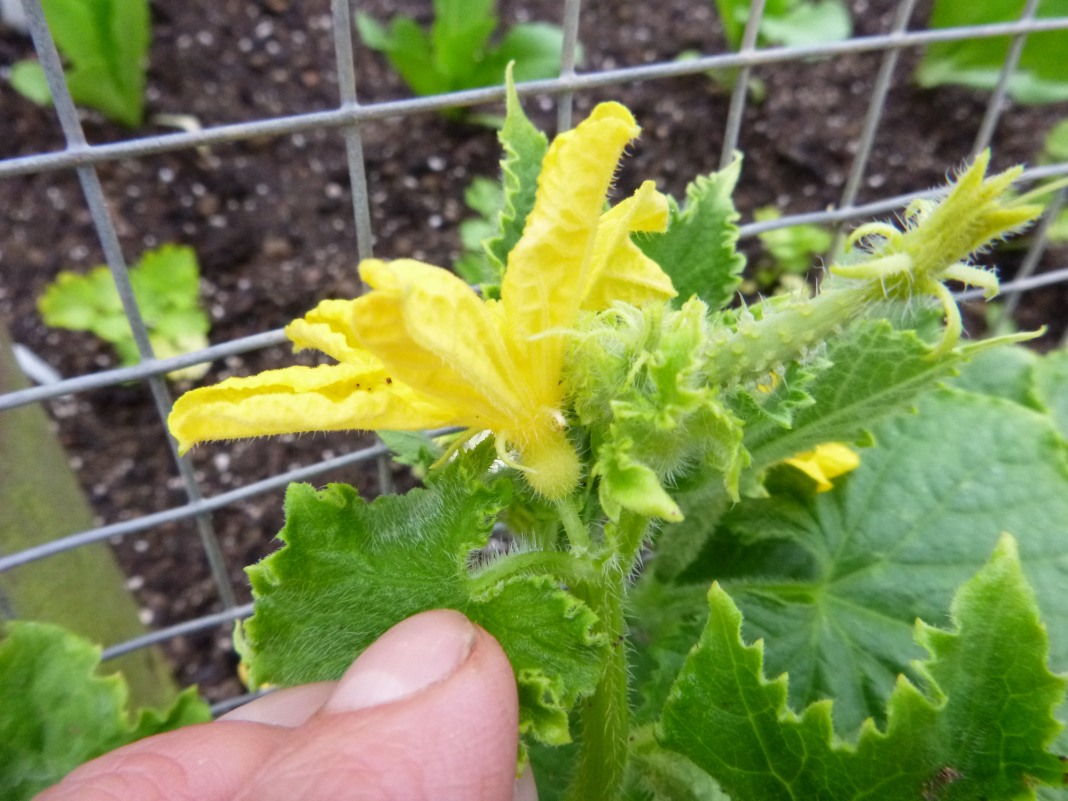
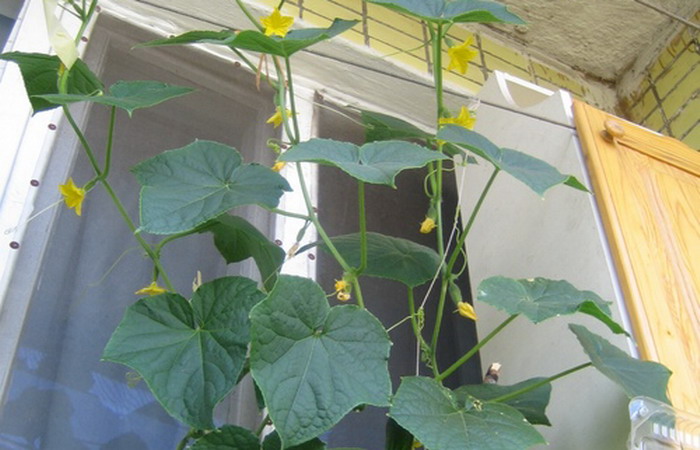
Pinching cucumbers is an important part of care for various varieties and requires following a step-by-step procedure. If done correctly, you're sure to get a bountiful and delicious harvest.
Video: "When and Why to Pinch Cucumbers"
The author of the video answers the question "why and when to pinch cucumbers."