
Tips for fertilizing cucumbers in a greenhouse
Content
Signs of mineral deficiency and excess
Both mineral deficiencies and excesses negatively impact greenhouse crops. Fortunately, with the help of experienced gardeners, this process can be recognized.
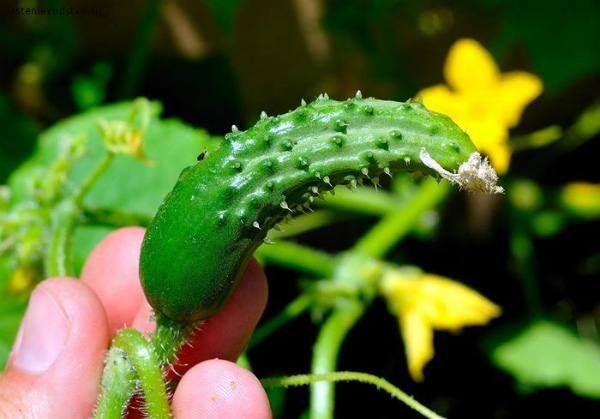
Signs of potassium deficiency include bulbous or hooked cucumbers, as well as a light stripe along the edges of leaves and wilting. Restoring the balance of this macronutrient can be achieved by regularly watering with ash. This solution should be applied to the roots of the plants, using at least a liter of fertilizer per each application. You can also use a solution containing potassium phosphate at a rate of one teaspoon per liter of water.
Nitrogen deficiency manifests itself as narrowing of the fruit tips and widening of the stalk. Cucumbers may also require nitrogen if their vines become thin and their leaves become small.
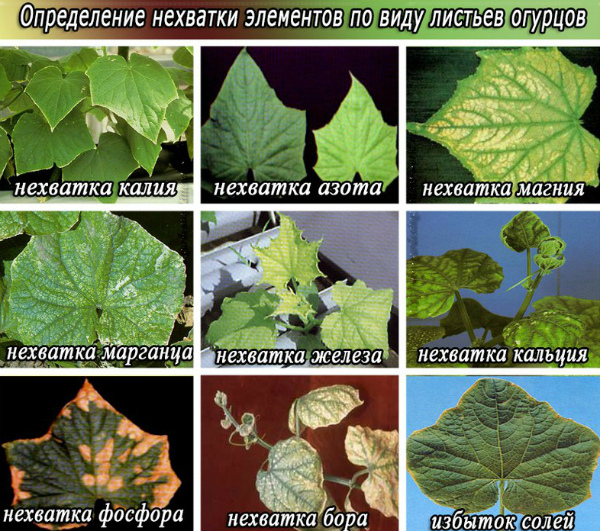
Thin cucumber stems are a sign of phosphorus deficiency. Additionally, multicolored hues may appear on the undersides of the leaves. Plants that require phosphorus typically have a prolonged flowering period, and fruit set is poor. Cucumbers do not have an excess of phosphorus.
Many greenhouse cucumber gardeners notice yellowing leaves. This is most often due to a lack of nitrogen or phosphorus. High temperatures can also cause yellowing leaves.
Damaged tops of bushes and dying tips of lower leaves are signs of calcium deficiency.
Cucumbers with spotted leaves require micronutrient feeding.
If it is difficult to determine the cause of poor cucumber growth and the mineral that is causing the problem, you can apply a complex fertilizer containing various nutrients.
Feeding schedule
There are specific fertilizing schedules and principles depending on the species. The main thing is to follow them and avoid overfertilizing.
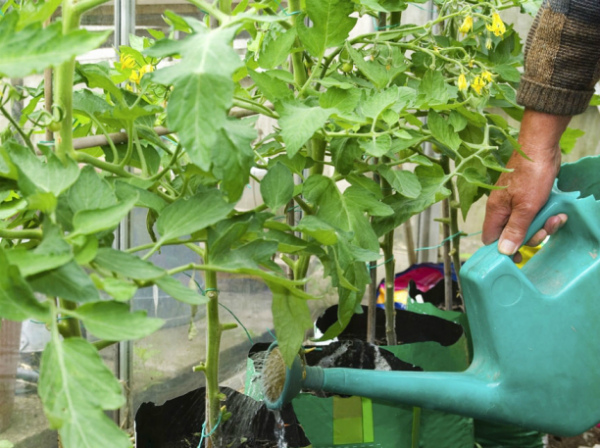
Fertilizing cucumbers in a polycarbonate greenhouse at the roots is done when the plant has just a few leaves on the stem. Nitrate is the ideal fertilizer for cucumbers during this period. Three weeks after the first fertilization, the next one is applied. At this time, cucumbers begin flowering and the first ovaries are forming. Therefore, it is necessary to enrich the soil with ash and potassium using a mixture of chicken manure and cow dung.
Mineral fertilizers are an excellent alternative to organic ones. Properly fertilizing the soil means reducing the nitrogen content and increasing the potassium content.
After a couple of weeks, the greenhouse cucumbers should be fed again with a mullein solution (2.5 tablespoons per 10 liters of water). The final feeding should be done after two weeks with the same solution. The effectiveness of these fertilizers will be enhanced if combined with watering.
Foliar feeding is done differently, but it's no less important. It can increase yields. In this case, you can use both complex fertilizers and individual elements. Plant nutrition solutions can be either chemical (available for purchase) or more natural, homemade solutions (for example, urea diluted in water).
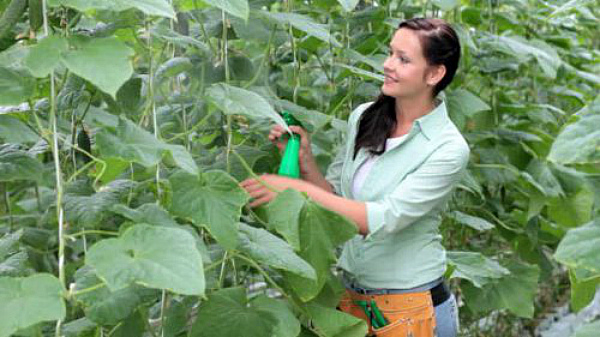
Foliar feeding should be carried out in four stages:
- two weeks after planting cucumbers in the soil;
- when inflorescences appear;
- with the beginning of stable fruiting of the plant and during the ripening period of cucumbers;
- to extend the harvest period and increase its volume.
Types of fertilizers
There are two main types of fertilizing cucumbers in a greenhouse using organic or mineral fertilizers:
- foliar;
- root.
To ensure good fruit growth, three to four foliar feedings are sufficient throughout the summer. These fertilizers share some common features, but also differ in certain aspects.
The effectiveness of each type of fertilizer depends on summer weather conditions. For example, foliar fertilization is ideal for cloudy, rainy summers, while root fertilization is ideal for hot, dry summers.At low temperatures, the plant cannot absorb nutrients through the roots, so it is better to fertilize cucumbers by spraying.
Foliar fertilization is best done at night or during periods of increased cloud cover. It's best to spray cucumbers with a good sprayer, as fine droplets are more easily absorbed through the leaves.
Cucumbers are fed at the roots when the plant's root system is well developed. It's best to fertilize vegetables this way immediately after watering.
A specific type of root fertilizer is yeast infusion. This nutrition is ideal for cucumbers. Yeast fertilization promotes plant and fruit growth. It enriches cucumbers and the soil with nitrogen, potassium, and phosphorus. Therefore, many gardeners use yeast infusion and recommend it to others. It's important to remember to apply yeast carefully. Otherwise, it can harm the plant. It's best to apply yeast at night or on a cool day.
Greenhouse cucumbers are fragrant, healthy, and fresh. By following all the rules for feeding organic matter, mineral fertilizers, and yeast, you can nourish the plants with nutrients and reap a bountiful harvest.
Video: "Potassium Fertilizers for Cucumbers"
This video explains in detail the consequences of a potassium deficiency or excess in the soil. You'll learn how to provide cucumbers with sufficient amounts of this mineral.