
Why do cucumbers wilt in a greenhouse and what can be done about it?
Content
Failure to comply with the terms and conditions
Cucumbers are a common crop, but experienced gardeners know they can be quite demanding. To ensure a bountiful harvest, care recommendations and advice must be strictly followed.
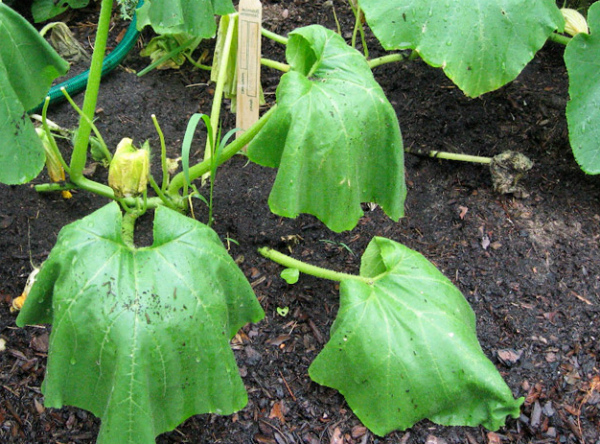
The main problems that arise with cucumber growing conditions:
- Watering. For the plant's health and harmonious development, it needs abundant watering. However, it's important to know when to water, as excessive amounts of water can cause root rot and the death of the entire plant. Insufficient watering can cause the leaves to wilt. It's also important to remember that when watering, avoid getting the leaves wet.
- Spacious planting. These plants thrive on space and maximum development and growth. Ignoring this can result in wilted leaves.
- Proper placement of beds in a greenhouse. If the plant is exposed to direct sunlight, this is likely the reason why the leaves are wilting. High and narrow beds can also cause this phenomenon, as water drains quickly from them, causing the plant to dry out due to lack of moisture.
- Fertilizers for cucumbers are crucial. An overabundance or deficiency of minerals can cause leaves and stems to wilt.
- Poisoning plants. Cucumbers react very sharply to herbicides.
- Poorly chosen planting. For example, planting cucumbers next to tomatoes is strictly not recommended, as the humidity levels required for their proper development differ.

What to do if cucumbers don't look good? First of all, it is necessary to understand the reason why the leaves are wilting, and then solve the problem that has arisen. For example, if underwatering is the cause, you should begin providing the plants with ample and regular water. It's important to ensure that the moisture doesn't spread throughout the soil, but remains at the base of the stems. This works best when the bed is level or a small funnel is created to prevent water from spreading into undesirable areas.
To boost the overall health of the plant, use a bright pink solution of potassium permanganate. Spraying is essential. Regular watering and hilling will restore the plant to its former lush growth and healthy appearance.
To remove herbicides from cucumbers, spray and water the plants generously. This will allow the toxic substances to penetrate deep into the soil and no longer cause any harm to the plant.
Weather
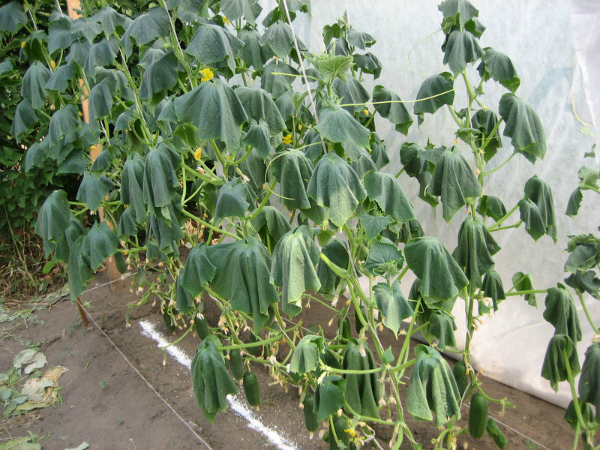
This crop is very sensitive to changes in weather conditions. Even small temperature fluctuations can affect the plant's vigor. The cucumber root system is particularly sensitive to low soil temperatures.
If a sudden cold snap has occurred and you haven't had time to insulate the soil, then the answer to the question of why plants in the greenhouse are wilting lies precisely in this reason.
Diseases and pests
If cucumbers are wilting, but the previous points are excluded, then a thorough inspection of the plant for diseases and pests will help to find the reason why this is happening.
The most common diseases of cucumbers:
- white rot;
- fungal diseases.
Root rot attacks the roots, depriving the plant of adequate nutrition, causing all parts to wilt. It's difficult to explain why this disease occurs. A greenhouse creates a unique microclimate that can contribute to this condition. It's best to take the necessary measures immediately upon detection to prevent the remaining plants from wilting.
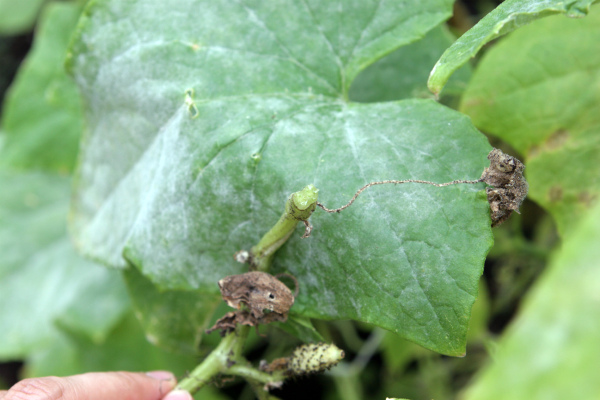
This disease can be diagnosed by brown spots at the base of the stems. These spots then merge. Once the plant tissue is completely covered in this color, it begins to rot. In most cases, these changes occur during the active fruiting period. Sudden temperature fluctuations are especially detrimental to the plant during this time. Treatment involves spraying with a special, widely available product called Trichodermin.
Fungal diseases include fusarium wilt, which causes all plant parts to wilt. This disease is characterized by a wilted crown and rot at the base of the stem. If you notice these signs, it's best not to wonder how or why this happened, but to immediately treat with medications such as Kornevin, Gitrauxin, and Photosporin.
The most common pests are aphids and spider mites. A soapy solution can be used to get rid of aphids. Experienced gardeners apply this solution in different ways, using rags or other improvised means. Spraying with an infusion of onion peels helps get rid of spider mites.
Video: "White Rot of Cucumbers in a Greenhouse"
In this video, the editor-in-chief of "Magic Garden" magazine explains how white rot affects greenhouse cucumbers and how to combat it.