
The main reasons why cucumbers turn yellow in a greenhouse
Content
Low temperatures
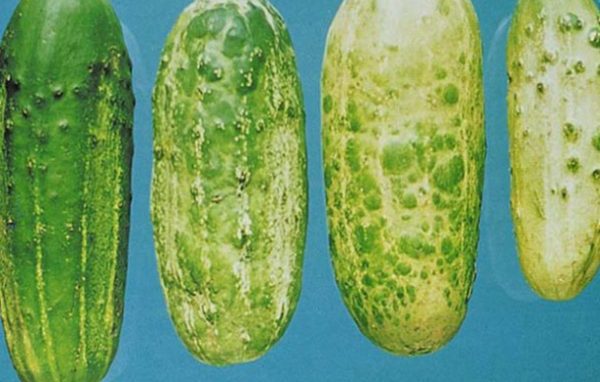
One of the most common causes of yellowing leaves is excessively low temperatures. Cucumbers are heat-loving plants, requiring abundant sunlight and a stable temperature of 23°C to 26°C at all times. If frost causes the temperature in the greenhouse to drop below 18°C, it's understandable why the leaves will turn yellow. In this case, it's necessary to raise the indoor temperature, for example, by adding organic fertilizers (cow manure, horse manure) early in the season, before planting.
Lack of moisture
Another common cause is insufficient soil moisture. Cucumber seedlings are particularly vulnerable to drought. For abundant growth, healthy foliage, and nutrient absorption from the soil, cucumbers require regular watering. Otherwise, they stop distributing the stored moisture to the leaves, maintaining healthy stems, buds, and fruit. What should you do in this case? If you can't regularly water your greenhouse plants (for example, if you're traveling), leave containers of water throughout the greenhouse to humidify the air, or set up an automatic watering system.
Video: "The Most Common Mistakes When Growing Cucumbers"
An informational video that will help you avoid serious problems with cucumbers through proper care and cultivation.
Mineral deficiency
If you monitor watering and the beds are warm, but don’t know why the cucumber leaves are turning yellow, then pay attention to the soil fertilization. If the plant lacks the nutrients needed for active metabolism, it will begin to turn yellow. If the yellowing is concentrated along the leaf edges, it needs fertilizing with potassium and magnesium. If the leaf is uniformly yellow with dark green veins, it needs iron and manganese. If the yellowing is primarily on the upper part of the plant, cucumbers, their seedlings, and cucumbers need copper.
Why is fertilizer necessary, and why do cucumbers have little chance of growing healthy without it? It's simple: plant growth requires a specific combination of mineral and organic nutrients that activate and support vegetative processes. Three to four foliar applications are recommended throughout the season to maintain adequate mineral levels.
Lots of ovaries
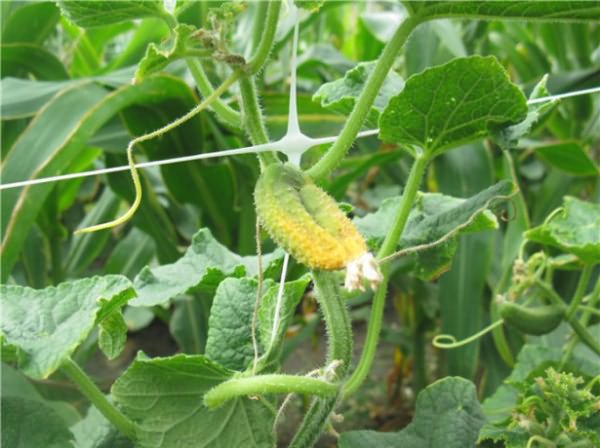
Exhaustion can also be the cause of yellowing leaves. During flowering in a greenhouse, too many ovaries can form, causing some to fall off and yellowing less frequently. An abundance of ovaries exhausts the plant, which is why it's important to apply foliar feeding just before fruiting—this way, you support the plant during this grueling marathon. Another reason for the formation of numerous ovaries? Perhaps you overfed the plants during the first half of the season, causing them to produce as many ovaries as possible, but the nutrient supply has run out and they can no longer continue.
Diseases
Greenhouses are a haven for most diseases that prey on cucumbers. Some fungal diseases prefer the greenhouse microclimate, which is why it's important to treat plants with fungicides.
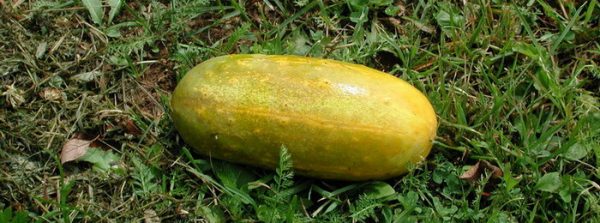
Powdery mildew causes leaves to turn yellow and become coated. Temperature fluctuations and cold watering promote growth. Downy mildew also causes leaves to turn yellow and then fall off. Finally, one of the most dangerous diseases is root rot, which destroys the plant's roots, causing the stems and leaves to turn yellow.
Pests
A variety of insects also make their home in greenhouses. The most destructive are spider mites, which attack vegetables in large colonies, and whiteflies, which eat every leaf. Ultimately, their attacks result in the plant turning yellow and, in some cases, dying. Preventative insect treatments are recommended, as well as regular thinning of the plantings to avoid creating favorable conditions for spider mites and whiteflies to thrive.
Video: "Causes of Yellowing on Cucumber Ovaries"
An informational video that will answer many questions most gardeners have.