
Why do cucumbers grow crooked in a greenhouse?
Content
Watering
Many problems with cucumber growth and fruiting stem from the simplest procedure—watering. It's hard to believe, but it's true: often, even experienced gardeners don't know how to properly water greenhouse plants, resulting in a host of diseases or even death.
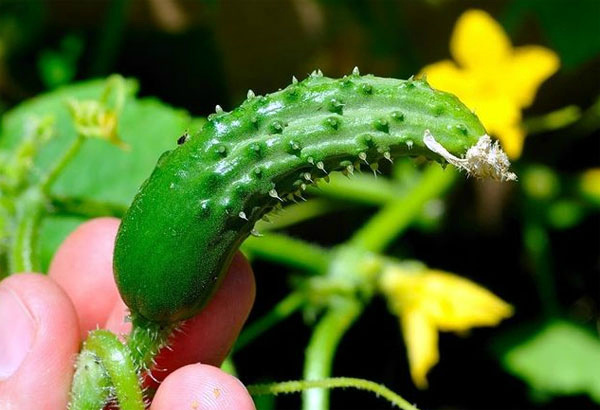
There are several possible causes of improper watering:
- Watering with cold water. Given the relatively stable air and soil temperatures in the greenhouse, a specific microclimate is created that is favorable for cucumber growth. Therefore, it's crucial to monitor the water temperature. If it's much lower than the soil temperature, you'll chill the plant's roots. This, in turn, will force them to redistribute their accumulated resources to offset the damage.
- Insufficient watering. Cucumbers thrive on moisture and wilt during dry periods. Overly dry soil slows down vegetative processes, which affects fruit development. Essentially, the plant switches to water-saving mode, spending minimal resources on fruit formation, causing them to become deformed and smaller.
- Overwatering. Just like underwatering, overwatering leads to deformed fruits. This occurs due to root rot and the inability to absorb beneficial micronutrients from the soil, as they are washed away by the excess water.
Lack of light and heat
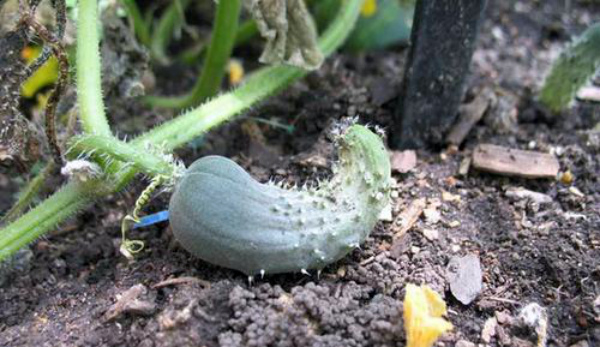
It may sound a bit strange, but crooked cucumbers growing in a greenhouse are caused by a lack of warmth and light. The ideal temperature for cucumber growth is 23–26°C (73–80°F). If it's higher, cucumbers become wilted, quickly turn yellow, and wilt, while if it's lower, they become diseased and produce crooked fruit. Even when growing cucumbers in a greenhouse, carefully monitor the weather forecast and insulate the area if frost is predicted. It's especially important to monitor the temperature during the final flowering phase, just before fruiting begins.
Insufficient light is another scourge of cucumbers. This can occur for a variety of reasons: cloudy weather, overgrowth, or an improperly constructed greenhouse. Regardless of the cause, insufficient light negatively impacts the plant's growth and photosynthesis, leading to the fruit becoming deformed into a hooked shape.
Planting too densely causes cucumbers to wither. It's essential to remove side shoots and pinch the plants to thin out the dense foliage and make life easier for the plants.
Fertilizers
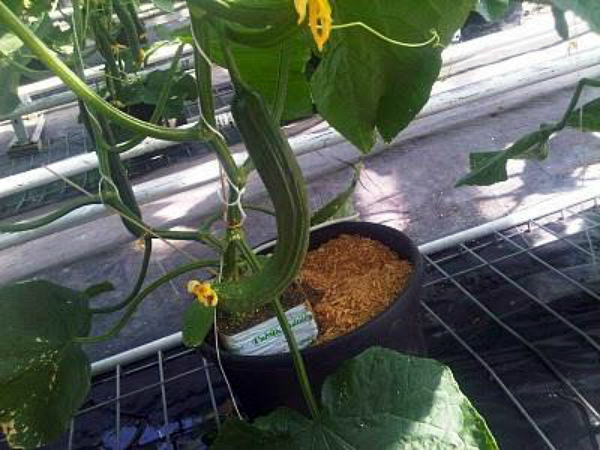
Fertilizing the soil in a greenhouse is always a pressing issue. Is what's being applied during soil preparation sufficient, or is more needed? The ratio of various mineral and organic fertilizers has a significant impact on cucumber growth. Both a deficiency and an excess of these nutrients in the soil can lead to deformed fruits. A deficiency of phosphorus, potassium, iron, copper, and nitrogen causes the plant's leaves to turn yellow, and the fruits lose their flavor and become small. An excess of any of these elements, however, causes a similar effect: the plant behaves strangely and produces little or no fruit.
Hooked fruits grow due to a lack of potassium. It's a well-known fact that fertilizing with yeast, herbal infusions, chicken manure, or cow dung leaches potassium from the soil. Without it, proper fruit development won't occur. As a result, you end up with sprawling cucumber bushes bearing small, unsightly fruits.
If zucchini, dill, or pumpkins were the cucumbers' predecessors in this location, the soil will be depleted of micro- and macronutrients, leading to plant dystonia, completely inhibiting their growth and fruiting. Try to avoid this growing sequence and apply timely complex fertilizers and fertilize the soil. This will eliminate the problem of unsightly, small, or crooked cucumbers.
Parthenocarpic neighbors
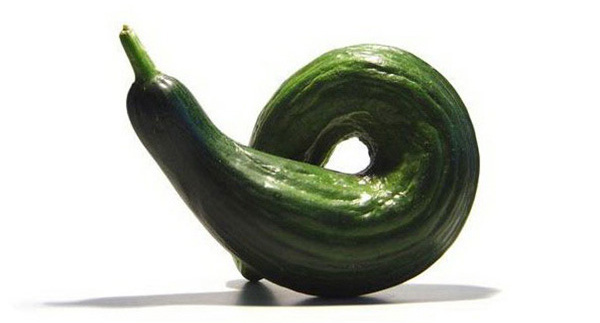
Parthenocarpic cucumber varieties, meaning those that produce fruit without pollination, don't do well in a greenhouse with other varieties, whether common or hybrid. Try to separate them by placing them at opposite ends of the greenhouse or even in separate rooms. If you do decide to plant parthenocarpic cucumbers with insect-pollinated varieties, separate them with thick cloth to reduce airborne contact. Why is this necessary? Pollen from hybrid varieties that falls on parthenocarpic varieties pollinates the inflorescences, disrupting their inherent fruit formation and development. This can result in crooked fruits.
Untimely harvest
When growing any plants in a greenhouse, it's important to harvest ripening cucumbers on time. This will preserve the quality and flavor of the fruit, preventing it from rotting or being damaged by insects. It will also help the cucumbers form subsequent fruits without any problems. Leaving ripe cucumbers on the vine for too long will deprive the plant of the chance to produce more fruit.
Harvest fresh fruits every 2-3 days to ensure continued fruiting of cucumbers in the greenhouse.
Another cause of crooked fruit is planting cucumbers in the same spot for several years in a row. Firstly, this increases the risk of fungal diseases (root rot, gray mold, downy mildew, copperhead). Secondly, a toxin called coline accumulates in the soil during growth. Its excess affects the shape and size of the fruit.
Video: Growing Perfect Cucumbers
This video explains how to grow perfect cucumbers from seed to harvest.