
Why cucumbers in a greenhouse don't ripen: common mistakes
Content
Preparing the greenhouse
Preparing the greenhouse for cucumber planting should begin in the fall. During this period, it's essential to clear the greenhouse soil of debris—remnants of last year's plants. About 0.1 meters of the top layer should be completely removed, as no amount of cleaning can completely remove last year's plant debris. Furthermore, such "waste" usually contains a large number of harmful substances. It can also harbor various microorganisms and parasites.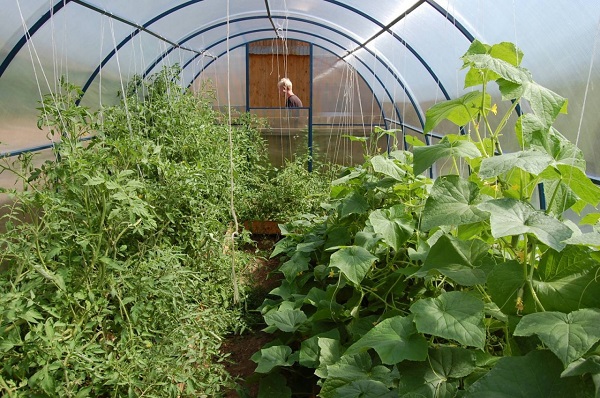
Greenhouse preparation includes the following components:
- Greenhouse treatment. This requires a tailored approach to treating wood and metal frames. Iron frames can be treated with water-based paint, while wooden frames require treatment with copper sulfate.
- Use a shovel to remove the top layer of soil and place it in pre-prepared garbage bags. After this procedure, dig up all the soil in the room as quickly as possible. The quality of the procedure directly affects the degree of removal of pathogens from the soil. Fertilize the soil immediately. It's best to burn the soil collected in the bags, as it will no longer be useful, and the fire will kill any remaining "enemy" microorganisms. This soil renewal should be performed every three years.
- Disinfection of the soil can be accomplished by fumigating the entire room. After this procedure, a month later, the greenhouse should be ventilated.
- Disinfection of the room itself can be carried out using chlorine lime.
Video "Reasons"
This video will tell you why cucumbers don't fill out or grow.
Basic mistakes
Gardeners often notice that cucumbers grown in greenhouses don't fill out. Why does this happen, and what can be done about it?
Most often, this phenomenon is observed due to certain errors in vegetable cultivation practices. Therefore, the situation can be improved by simply correcting these errors.
The soil in the greenhouse is not renewed.
It can be said that one of the biggest and most common mistakes in cucumber cultivation is ignoring soil renewal in the greenhouse.
If you don't carry out the renewal procedure, you may not get a harvest at all next year, as the plant's fertility will be at risk. Therefore, it is better to cultivate the soil in advance and prepare it for planting cucumbers.
Soil is home to many bacteria and microbes that can cause fungal diseases, such as downy mildew. This disease often attacks young plants. Therefore, if no action is taken, future harvests will be impossible. Signs of the disease include changes in shape and drying out of cucumbers.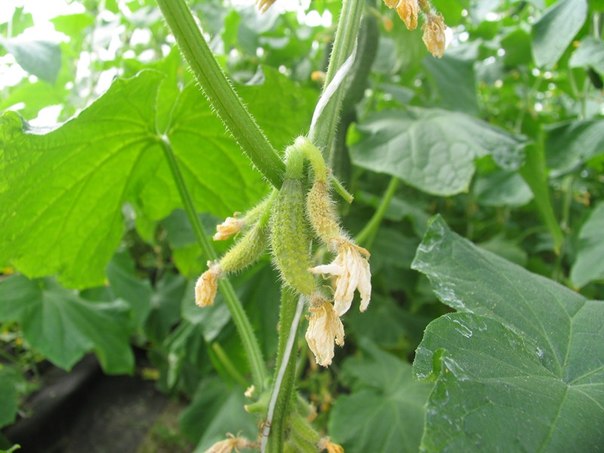
A common mistake many gardeners make is damaging the plant's roots. This crop has a long growing season. Therefore, the best way to propagate it is from seedlings. Young plants should be transplanted when they are 25 to 36 days old. These seedlings quickly establish themselves and begin to bear fruit.
If you're planting from seed, pay close attention to soil temperature. Insufficiently warm soil in the greenhouse can cause the seeds to rot. Sometimes, it's possible to wait for favorable weather conditions; however, in this case, planting will be significantly delayed.
Incorrect landing
Another reason why cucumbers aren't filling out well in a greenhouse could be improper planting. Gardeners often plant cucumbers too close together to save space. This can lead to different varieties of vegetables growing in the same bed, which is not ideal. For good growth and proper development, it's important to monitor the temperature, light levels, and ventilation.
The distance between plants should be at least 0.2 meters. Only in such conditions will the plants be able to breathe, grow actively, and not disturb their fellow plants. Furthermore, the plant's roots will be able to develop actively and become firmly anchored in the soil.
Chemical treatment and improper treatment
Often, cucumbers may not fill out due to non-compliance with the regime and the amount of fertilizer applied.
Cucumbers are very sensitive to fertilizers. Some varieties may not grow at all if they lack certain nutrients or elements. Fertilizing usually actively enriches the soil with nutrients, without which normal growth and a bountiful harvest are impossible.
Fertilizing cucumbers should be done systematically. Don't simply add every available fertilizer to the planting hole. It's best to apply nutrients weekly. Increase the fertilizer dose when you notice signs of starvation. When applying multiple times, the cucumber needs to be moistened, as it thrives on moisture.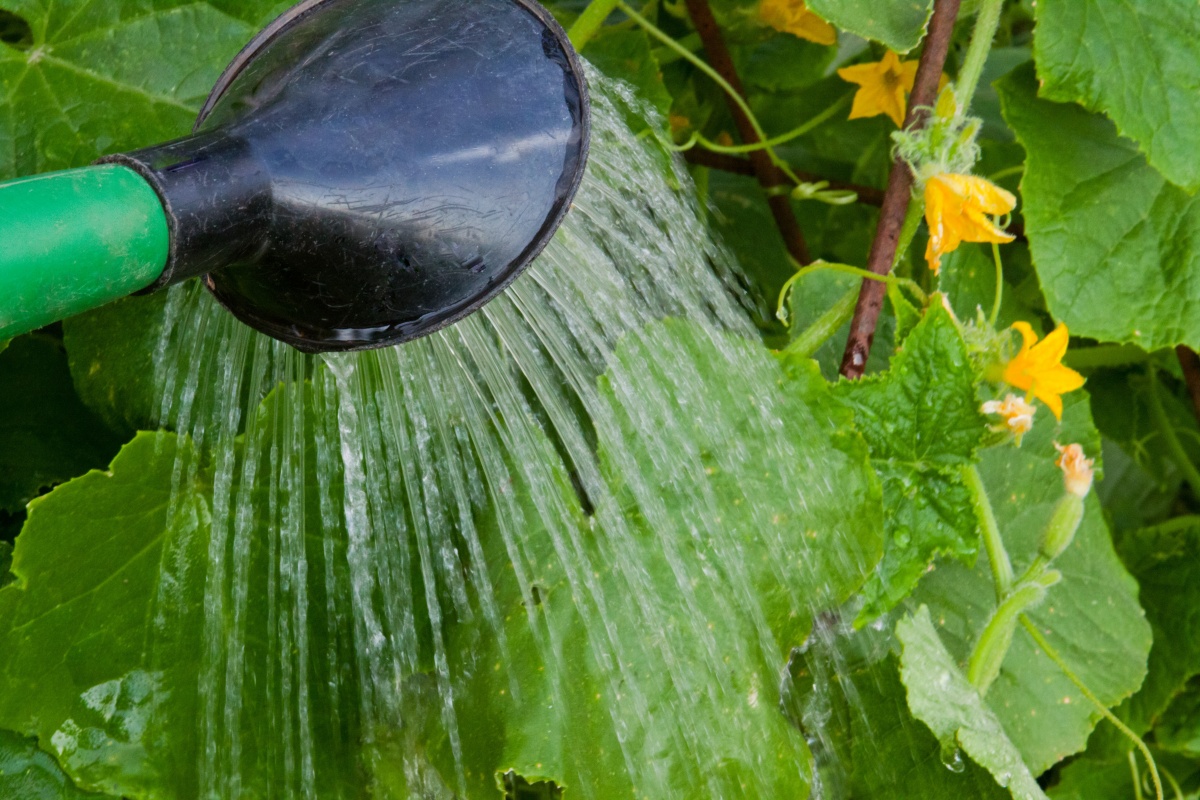
Why do fertilizing sometimes fail to produce the expected results? Often, it's because the application is uneven. The first application should be done immediately after the leaves emerge, the second 21 days later. The third application is done before flowering begins. The final application is 18 days before the green shoots appear.
Untimely harvesting of fruits
The answer to the question of why the fruits aren't fully developing may be a delay in harvesting. If cucumbers are left on the vines too long, new ovaries won't develop. This phenomenon is due to the specific characteristics of the crop itself. What can be done? In this case, simply monitor the condition of the fruits and plant them promptly.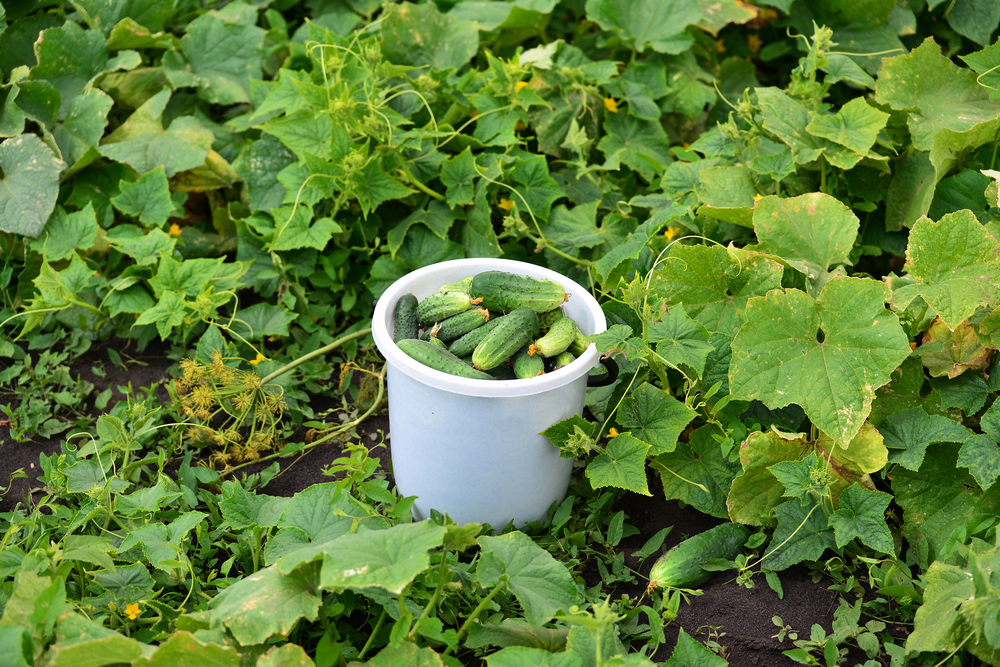
Gardeners are increasingly growing bunching varieties of this vegetable and its hybrids. These plants have high yields and are ideal for pickling and preserving. However, yield problems during hot weather are also a significant issue for them. The causes of this phenomenon are usually:
- high temperature in the greenhouse (over 30° is harmful to the plant);
- high humidity: the indicator exceeds 80%;
- cold weather, resulting in no pollinating insects or no formation of male flowers;
- dying off of ovaries due to unsystematic harvesting;
- insufficient feeding;
- mistakes when watering.
So, cucumbers are usually grown in a greenhouse. But to avoid any problems with the vegetable, it's important to pay special attention to creating proper greenhouse conditions.
Video "What to do"
This video will show you how to deal with the lack of filling.