
Why cucumbers taste bitter in a greenhouse and what to do about it
Content
Causes of bitterness
Unfortunately, both greenhouse vegetables and those grown in open soil are susceptible to the development of bitterness in cucumbers.
Gardeners and vegetable growers have varying opinions regarding the origin of cucumbers' bitter taste. Some believe the soil, or more precisely, its composition, is to blame. Others are convinced that the bitterness in cucumbers is caused by a lack of water or nutrients. Still others believe it all depends on the vegetable variety.
Science has an answer to the question "Why do cucumbers taste bitter?" It's believed that the bitterness is caused by the accumulation of a substance called cucurbitacin in the skin of the cucumber. The brighter the sun, the more this substance accumulates, causing the cucumbers to become very bitter. This explanation will satisfy those who grow cucumbers outdoors. But why do cucumbers in greenhouses sometimes taste bitter, and what can be done about it?
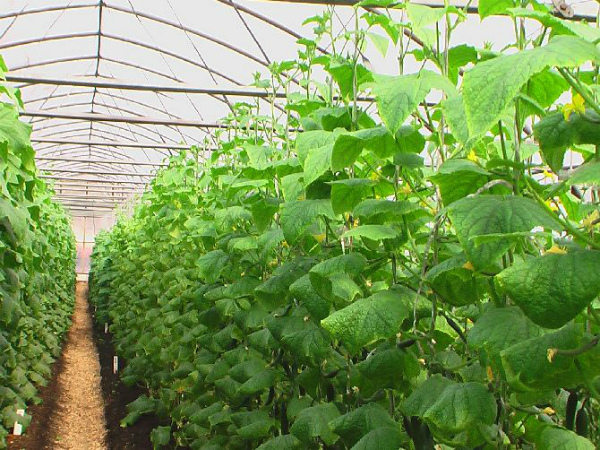
It has been proven that the taste of vegetables depends on the care conditions. Greenhouse conditions aren't always ideal, which is why cucumbers develop a bitter taste. To get a good harvest in a greenhouse, you need to ensure proper watering, timely fertilizing, maintain an optimal air temperature, and avoid damaging the plant.
What contributes to bitterness
In addition to the above-mentioned reasons (insufficient moisture, dry air, dry and declining soil fertility), a number of other factors contribute to the bitterness of fruits:
- Too much light. It's important to control the amount of light entering the greenhouse, as well as the brightness of artificial lighting.
- Incorrect seed collection. Gardeners who collect seeds themselves often forget that non-bitter offspring can only be obtained from the first third of the fruit. The seeds near the "tail" are the ones that produce bitter fruit.
- Low-quality seeds. All amateur gardeners should keep an eye on all new agronomic developments. After all, recently introduced varieties contain a gene in their DNA that protects against cucurbitacin accumulation. However, these vegetables are hybrids and cannot be propagated by seed.
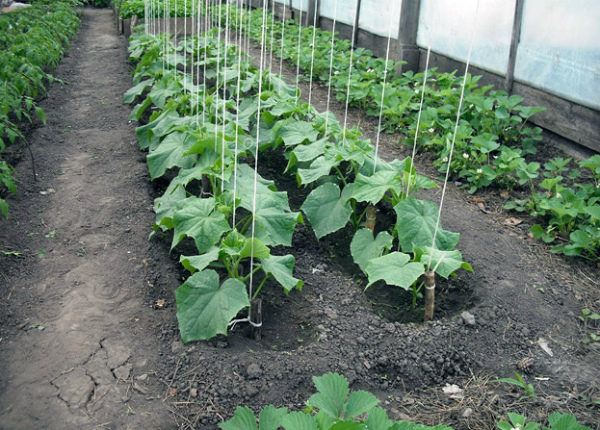
How to prevent
To avoid wondering why cucumbers are bitter after harvesting and while eating them, you need to prevent this phenomenon.
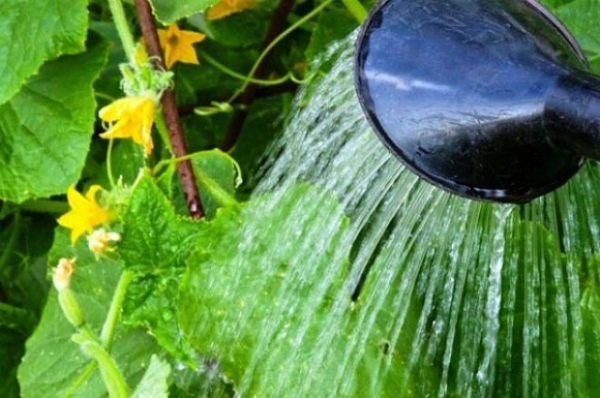
Bitterness can be avoided by watering the plants with warm water, increasing the frequency during hot weather. When the plant is young, watering it a couple of times a week is sufficient, but during flowering, it should be watered daily. It's best to do this in full sun with the windows open. If necessary, you can mist the walls of the room with water.
Additionally, the plant bed needs to be periodically tilled and fertilized (potassium nitrate or Ecoberin are excellent options). Fertilizing plants in a greenhouse should be done more frequently than in open ground, on average once a week.
Establishing the correct temperature and humidity conditions in the greenhouse is essential. At night, the optimal temperature is maintained at 18–22 degrees Celsius, after which it should be raised to the daytime temperature of 24–28 degrees Celsius. Therefore, a heated greenhouse is best suited for growing cucumbers.
Pinching out cucumber side shoots is crucial when shaping the plant. In a greenhouse, this process increases yield and prevents overcrowding. Side shoots, tendrils, and female flowers are typically removed.
It can be said that the main prevention of bitterness is the eradication of the causes of this phenomenon.
Varieties without bitterness
Breeders are trying to solve the problem of why cucumbers are bitter in their own ways. To prevent the production of cucurbitacin, they are developing special varieties with a specific gene. Seeds of these fruits are very easy to purchase, and this information is indicated on the label. Gerasim F1, Girlyanda F1, Doka F1, and Egoza F1 are some varieties that are not susceptible to bitterness. These cucumbers do not have the same distinctive flavor as regular vegetables prone to cucurbitacin accumulation.
How to remove bitterness from fruits
There are several simple methods that can be used to make cucumbers less bitter.
First, you can trim the stems off the vegetables before eating. This method is effective because the bitterness accumulates where the stem attaches to the vegetable.
Secondly, you can cut off the ends of the cucumber on both sides and place the vegetables in salted water.
Third, you can peel the fruit. It will be less nutritious, but at least it won't be bitter.
It's worth remembering that bitter cucumbers can be successfully pickled and preserved. After all, the unpleasant taste disappears during cooking.
So, now you know why cucumbers taste bitter and how to grow sweet ones in a greenhouse. Getting an excellent harvest is easy if you follow all the recommendations and rules. Want to delight your family and friends with home-grown vegetables? You can do everything in your power to ensure the cucumbers from your garden are the tastiest and healthiest.
Video: "Reasons for Cucumber Bitterness"
Hear from an expert from the Sadovod newspaper about the causes of bitterness in cucumbers and how to prevent it.