
Why cucumbers don't grow in a greenhouse: growing mistakes
Content
Incorrect landing
Gardeners often plant cucumbers too close together in polycarbonate greenhouses. This is done to save space for other crops. Unfortunately, this "mix" of vegetable varieties and types in a garden bed negatively impacts the crop, reducing its yield. Why? Because each plant requires space to grow and develop properly. Therefore, the distance between plants should be at least 20 cm. Only under this condition can cucumbers grow well. Furthermore, a good harvest can only be achieved by maintaining the correct temperature and light conditions in the greenhouse.
Vegetables growing in a greenhouse require organic fertilizer. You can also feed the crop with manure or create your own fertilizer by digging a hole and dumping leaves, grass, and straw into it.
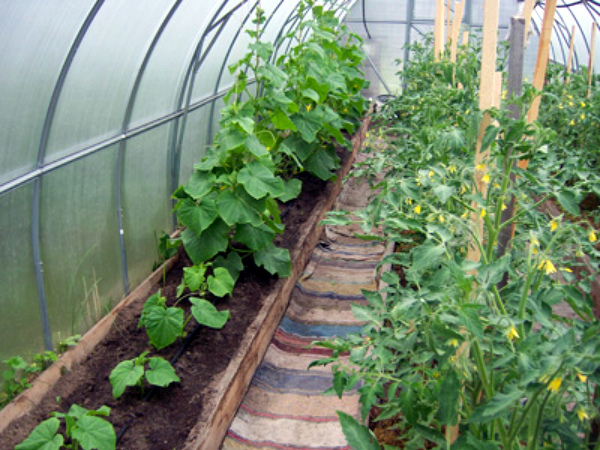
When planting cucumbers, carefully examine the seed packaging. It contains information about the variety's compatibility with other varieties.This way you can find out what types of vegetables to plant these cucumbers with in the same bed.
The wrong combination of plants provokes their disease.
The soil is not renewed
One of the most common and significant mistakes when growing cucumbers in a polycarbonate greenhouse is failing to replenish the soil in a timely manner or failing to do so. This can result in the crop failing to produce a harvest the following year. Therefore, it's best to prepare the soil in a polycarbonate greenhouse by cultivating it. Why? Because the living organisms that accumulate in untreated and unprepared soil can cause plant diseases.
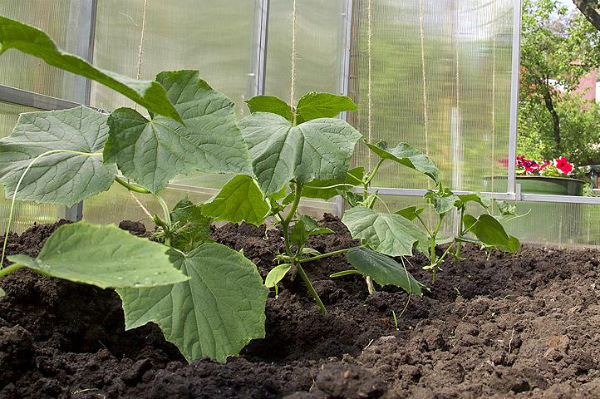
Damaging the plant's rhizomes in a greenhouse is another serious mistake gardeners make. The best option is to grow vegetables in a polycarbonate greenhouse using month-old seedlings. These sprouts quickly establish themselves and begin to produce fruit.
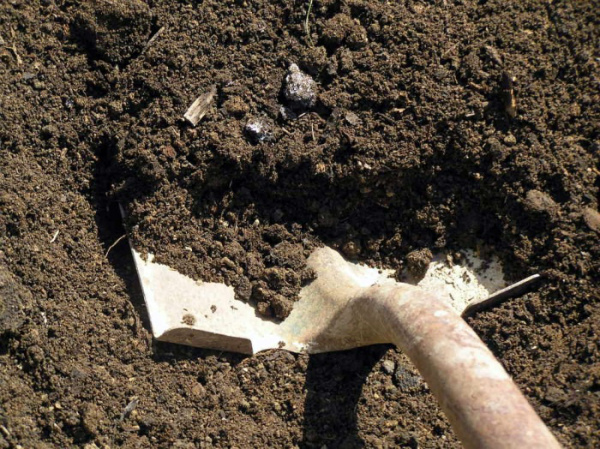
Planting from seeds will only yield a good harvest in the warm soil of a polycarbonate greenhouse. Only in such soil will the seeds remain rot-free.
Processing
Cucumbers love fertilizer. Furthermore, some varieties grow poorly without it. Fertilizers provide the soil with the minerals necessary for healthy plant development. Fertilization should be gradual yet consistent. Apply nutrients weekly, alternating them. Increase the amount of fertilizer if the plant shows signs of depletion.
With frequent fertilization, plants require additional moisture. Therefore, watering should be increased.
Furthermore, vegetables that lack moisture grow slowly, and their fruits taste bitter. Chemical treatments can only be avoided by growing crops that are not susceptible to various diseases. What should you do if a plant does become ill? Such crops should be treated immediately with a medicinal spray.
Cucumbers in a polycarbonate greenhouse need to be treated evenly and consistently. The first treatment is carried out when the leaves emerge. The crop is treated again after 21 days, and then before flowering. The final treatment should be carried out 8 days before the cucumbers appear.
Untimely harvesting of fruits
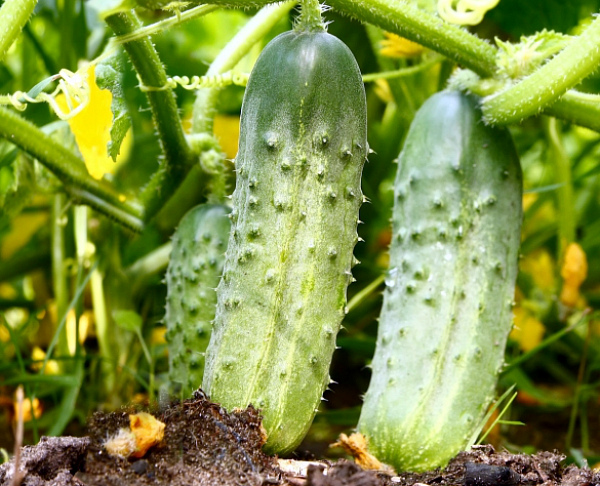
It's best to harvest on time. Overripe fruits left on the bushes will prevent new cucumbers from forming.
Today, bunch and hybrid varieties are planted. They typically produce a bountiful harvest and are ideal for pickling and preserving. However, fertility issues are particularly acute during hot weather in greenhouses made of plastic rather than polycarbonate. Why? The following factors can cause problems:
- incorrect temperature regime in the greenhouse (temperatures above 30°C have a negative effect on plants – they die and do not produce fruit);
- high air humidity;
- cold, due to which there are no male flowers on plants;
- dying off of ovaries;
- inadequate plant nutrition;
- insufficient watering;
- watering with a strong stream of water, as a result of which nutrients are washed out of the soil;
- low temperatures, which is why cucumbers do not grow and go into hibernation.
In the spring, when the weather is nice, cover the greenhouse with plastic. Once the soil is ready for planting, create raised beds up to 30 cm high. Depending on the size of the area, you can make the holes either horizontally or vertically, leaving a half-meter margin around the edges.2 No more than three bushes should be planted. Seedlings can also be grown indoors.
Growing cucumbers in a polycarbonate greenhouse according to all the rules means getting a good harvest. In particular, it's essential to maintain proper temperature and light conditions, as well as provide regular fertilizing. Artificial lighting can also be used. Seedlings should be planted without additional heating in the third ten days of May. It's a good idea to prepare the beds and water them with warm water beforehand.
It's a good idea to add manganese to the water. Cucumbers only grow 3-4 cm above the soil. It's very bad if the root collar touches the ground, as this can cause the plant to become diseased. Also, avoid overwatering the root collar to prevent rot.
The easiest way to grow cucumbers in a greenhouse is using seedlings. Why? Because seeds germinate rather slowly. Often, the seedlings are already fully grown and planted.
To avoid wondering why cucumbers aren't growing well, you need to follow simple plant care rules and avoid the common mistakes gardeners make.
Video: "Cucumbers and Tomatoes in a Greenhouse"
This video clearly confirms the fact that cucumbers and tomatoes require different conditions, so planting them next to each other is a bad idea.