
How and when to fertilize cucumbers in a greenhouse: proven tips
Content
Preparing the soil in the greenhouse
Cucumbers are characterized by an intensive rate of shoot growth and fruit formation, while the plants have poorly developed and superficial roots. 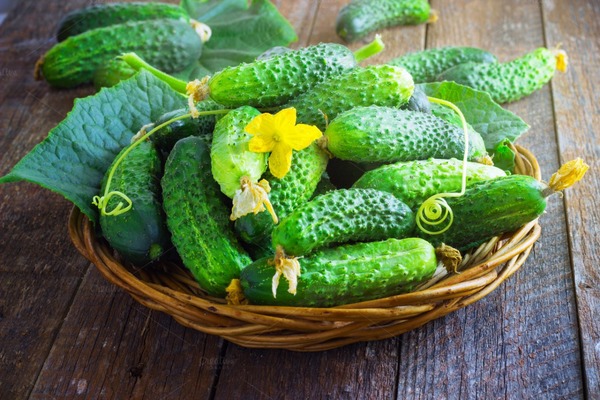 Because of this characteristic, they require additional nutrition throughout the growing season: from germination until the end of fruit harvest. Fertilizers should be applied to the soil well before planting the seedlings—when preparing the soil in the greenhouse in the fall or spring.
Autumn preparation
Immediately after harvesting, it's essential to clean up the greenhouse and prepare it for the next season: remove all plant debris, dig up the soil, and disinfect everything. It's important to remember that all kinds of microbes and fungi from previous crops remain not only in the soil but also on the walls, glass, and other parts of the greenhouse.
The first step is to thoroughly disinfect the greenhouse with bleach or another antiseptic. To prepare a working solution, dilute the lime at a concentration of 300 g per 10 liters of water and let it sit for 3-4 hours. Apply the liquid solution to the greenhouse, and seal any cracks with the residue.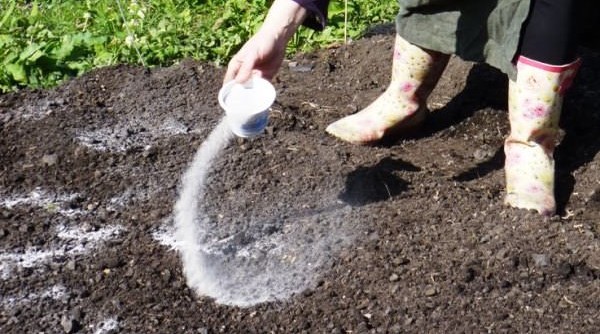
Then, dig the soil deeply, remove any remaining roots and clumps, and add humus or compost at a rate of 1 bucket per 1 m² of area. Growing vegetables in greenhouses often increases soil acidity. To level the soil, it is recommended to add dolomite flour or slaked lime (300 g/m²) to the soil after digging. The greenhouse bed should remain in this condition until spring.
Spring training
With the arrival of spring, and in stationary polycarbonate greenhouses it is possible even earlier, the soil is dug up again, while adding mineral fertilizers in the amount of 20-30 g/1 m² of the bed:
- ammonium nitrate;
- superphosphate;
- potassium sulfate.
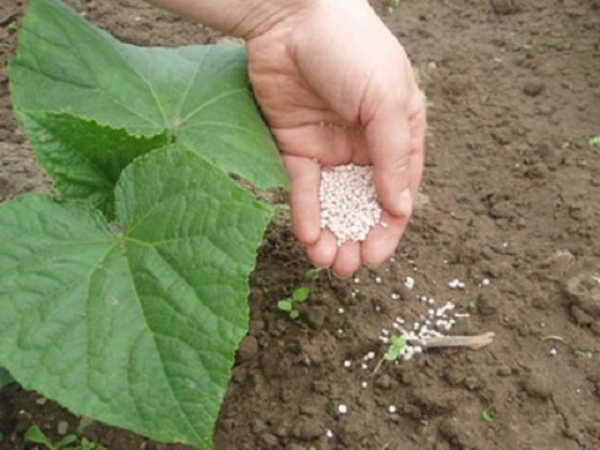
Fertilizer should be applied 1-2 weeks before planting seedlings or seeds in the greenhouse. At this time, the fertilized and dug soil is thoroughly watered with a warm solution of potassium permanganate (2 g/1 liter of water), covered with plastic wrap, and left until planting to allow the soil to warm up and the fertilizer to interact with the soil.
Video "Feeding"
From the video you will learn how to feed cucumbers.
Fertilizing greenhouse cucumbers
During the growing season, cucumbers in a greenhouse are fertilized 4-5 times. At the beginning of the growing season, plants especially need nitrogen. Focus on nitrogen-containing complex mixtures, which contain the components necessary for nitrogen absorption. During flowering and fruit set, cucumbers require phosphorus, and during the fruiting phase, potassium. Based on these needs, you can plan your fertilization and apply it in the most appropriate manner.
Root feeding
Watering cucumbers with nutrient solutions is the classic and most effective method of delivering fertilizer. Root feeding involves applying the solution directly to the roots, avoiding contact with the leaves. Greenhouse cucumbers respond very well to irrigation, as liquid nutrients are more readily available to their roots. However, this method is only effective if the soil is warm; in cold soil, nutrient uptake through the roots is inhibited.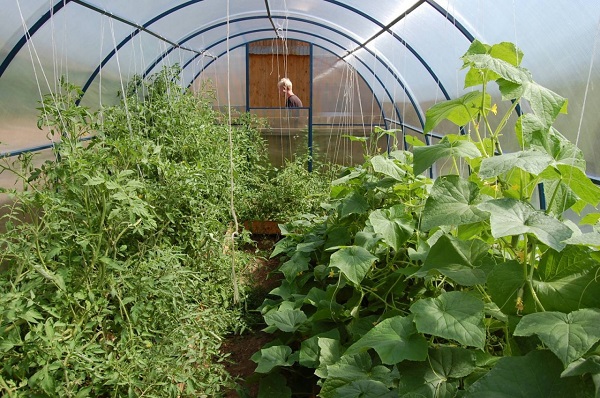
The first root feeding of cucumbers is done when 3-4 leaves appear. For irrigation, dissolve the following in 10 liters of water: double superphosphate (25 g), potassium sulfate (15 g), and ammonium nitrate (15 g). Apply the solution at a rate of 0.7-1 liter per plant.
The next feeding is carried out during the flowering period. This time, it is recommended to combine organic and mineral fertilizers. The following components are diluted in 10 liters of water:
- Option 1 – nitrophoska (1 tablespoon) and liquid mullein (0.5 l);
- Option 2 – ash (1 glass), boric acid (0.5 g) and manganese sulfate (0.3 g).
The working solution consumption rate is 3 liters per 1 m² of garden bed. For the other two fertilizers, the same solution is applied every two weeks.
Foliar feeding
Foliar fertilization involves spraying the leaves with nutrient solutions. It's worth noting that foliar fertilization produces faster results than root fertilization and is used when waiting is unavoidable. For maximum results, the fertilizer should be evenly sprayed onto the foliage rather than watered or sprinkled.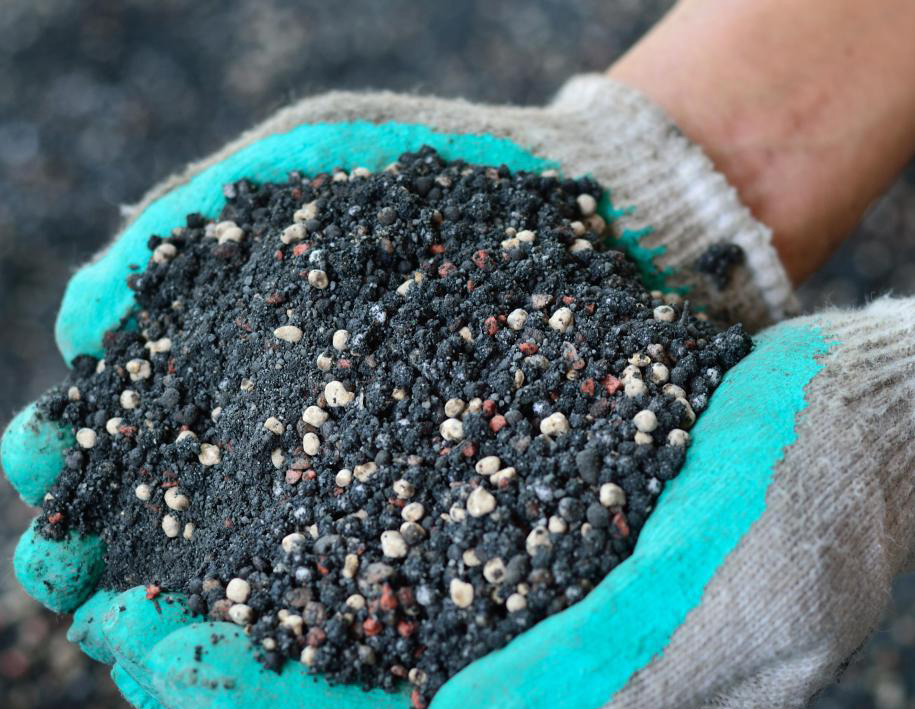
You can use ready-made complex fertilizers or prepare your own as a nutrient solution for cucumbers. For example, you can improve the health of your garden beds with the following mineral solution: 60 g superphosphate, 30 g potassium nitrate, 1 g boric acid, 0.4 g manganese sulfate, and 0.1 g zinc sulfate per 10 liters of water. This same solution can be used to fertilize tomatoes in a greenhouse; tomatoes thrive on fertilizers containing boron, zinc, and manganese.
Spraying plants should be done only in cloudy weather or in the evening, as the solution dries quickly in the sun without having time to be absorbed, leaving white spots on the leaf blades.
Signs of mineral deficiency or excess
Each chemical element in a fertilizer is absorbed by plants in a specific amount—no more, no less. An excess or, conversely, a deficiency of nutrients immediately affects their health. If cucumbers are stunted, fruit buds are poorly forming, or the foliage appears dull and drooping, these are signs of improper nutrition. You can tell which element is missing or in excess by the plants' appearance.
Nitrogen
This element, although in varying quantities, is required by plants throughout the growing season. It is especially necessary in the spring, when the green part of vegetable crops begins to form. Cucumbers' need for nitrogen gradually decreases, but a deficiency early in the growing season can even have consequences for the fruit. The following signs indicate a nitrogen deficiency:
- change in the color of the leaf blades - cucumber leaves become lighter, and if fertilizer is not applied in time, they turn yellow and dry out;
- the fruits lose their usual green color, becoming light and even grayish;
- the tops of the fruits on the flower side acquire a pointed shape;
- further growth of stems slows down;
- plants stop forming new ovaries.
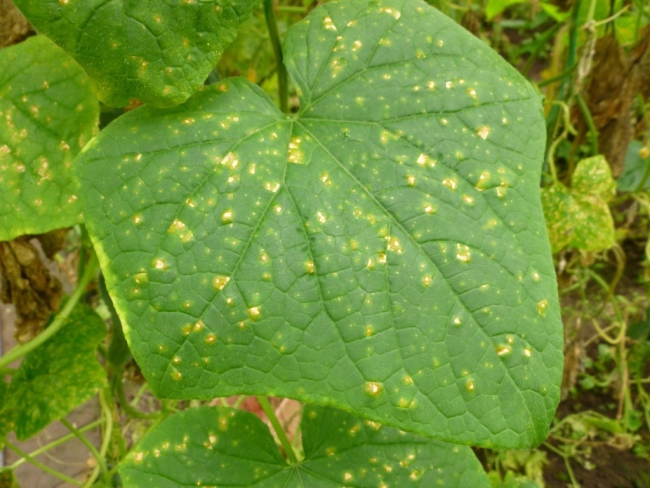
At the same time, the application of certain nitrogen-containing fertilizers, such as ammonium nitrate, can lead to the accumulation of nitrates in the fruit. Excessive nitrogen causes cucumber skin to turn yellowish, become covered with small spots, and lack the characteristic cucumber aroma.
Before applying nitrogen fertilizer, check whether the garden bed has been watered regularly. All mineral fertilizers require moisture to dissolve, so even if you applied sufficient nitrogen in the spring, if the soil was dry, the nitrogen will remain unavailable to the plants. If adequate watering has been applied, greenhouse cucumbers can be fed nitrogen by foliar application of ammonium sulfate or urea (10-15 g/10 L of water).
If nitrogen deficiency occurs during the fruiting period, it's best to use organic solutions known as "herbal tea." To prepare this solution, add 2 kg of chopped grass or any weeds to 10 liters of warm water. Let it sit for a week, strain after fermentation, and use it to water your cucumbers.
Potassium
Potassium fertilization is never a bad idea for cucumbers, but plants have a particular need for this element during fruiting.
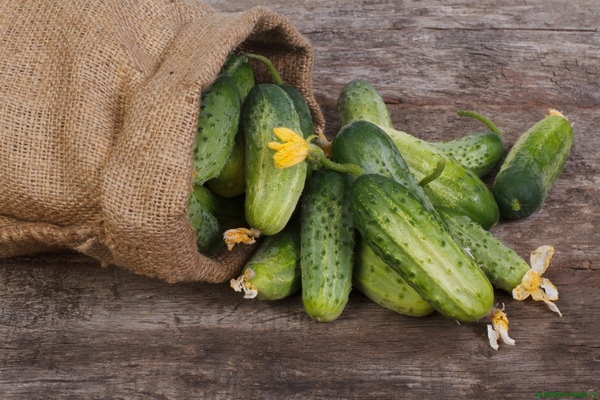
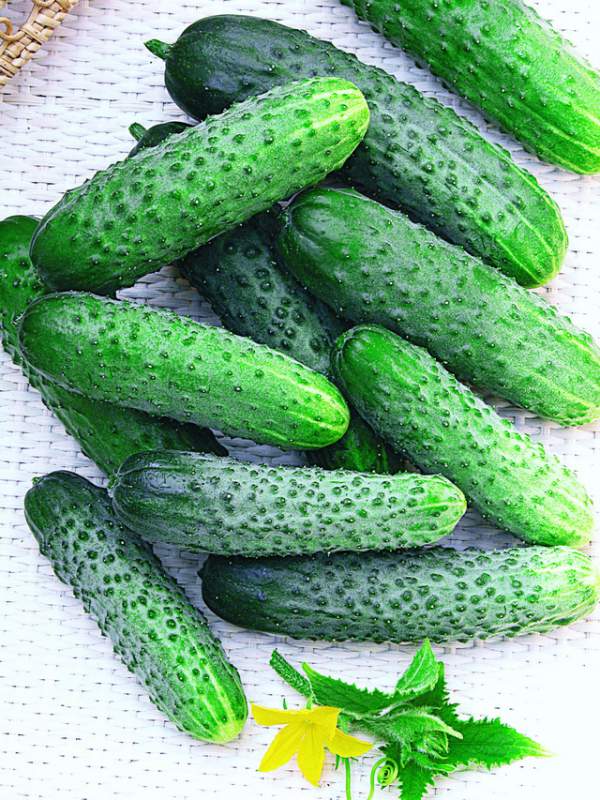
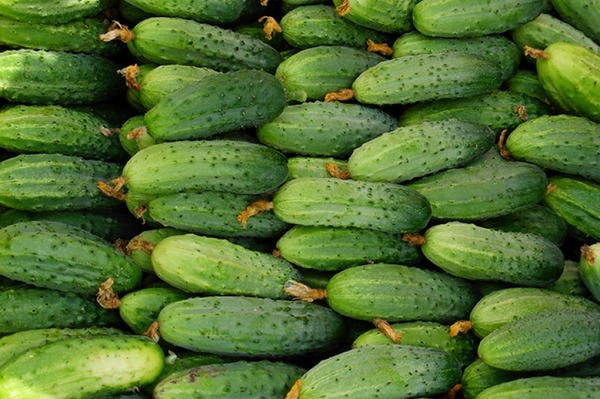
Potassium deficiency during this period primarily affects the quality of fruits, but the green parts of plants also undergo changes. The deficiency manifests itself with the following symptoms:
- the fruits acquire a neutral taste (sweetness and aroma disappear);
- the shape of the fruits changes, they become narrowed at the base, pear-shaped, and begin to curl;
- The leaves dry out at the edges and turn yellow in the lower part of the bushes.
To begin, simply water the bed thoroughly. If the cucumbers haven't recovered after a few days, you can remedy the situation by adding a solution of potassium sulfate or ash, preferably through watering.
Phosphorus
The following signs indicate a phosphorus deficiency:
- slowing down the growth of shoots;
- young leaves, compared to old ones, grow to a significantly smaller size;
- the veins on the leaf blades acquire a purple color;
- The leaves darken unusually, acquire a bluish tint, and in critical cases turn black and die.
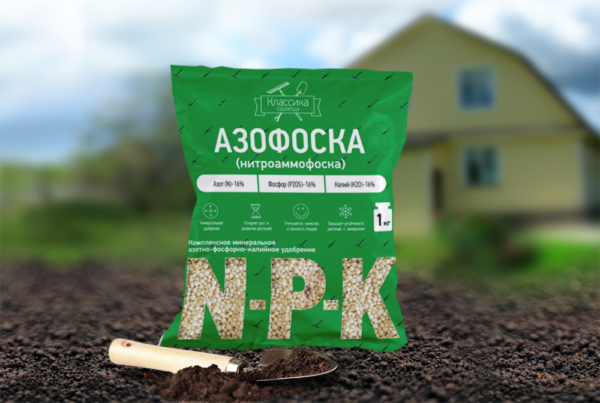
As a last resort, cucumber bushes can be sprayed with a solution of ammonium phosphate or superphosphate (1 tablespoon per 10 liters of water). If the situation isn't absolutely critical, it's best to apply the fertilizer directly to the roots.
As you can see, there's no universal way to prevent nutrient deficiencies, so it's best to use balanced, complete fertilizer mixes. When applying ready-made fertilizers, follow the instructions and don't exceed the recommended concentration. Remember, everything in moderation.
Video: Root Feeding in a Greenhouse
This video will show you how to feed cucumbers in a greenhouse.