
The best cucumber seed varieties for Siberia
Content
Characteristics of varieties
People have been cultivating cucumbers for nearly 6,000 years. This vegetable crop originates in the Himalayas, or more precisely, their foothills, located in India's subtropical regions. During their existence as an agricultural crop, cucumbers have spread throughout the world. Thanks to selective breeding, today there are varieties that can grow and produce fruit in less-than-ideal conditions.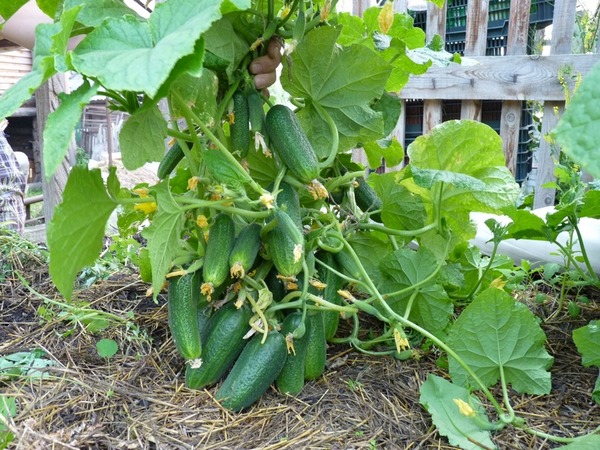
Cucumbers are a heat-loving vegetable crop belonging to the gourd family. They are a herbaceous annual plant. Therefore, when growing them in regions with unfavorable climates, such as Siberia, many gardeners often fail to achieve the desired results. Therefore, to ensure a good and tasty cucumber harvest even in these climates, breeders have developed a large number of varieties characterized by excellent fruiting under challenging climatic conditions.
The fruit of this crop is a false berry, which we all commonly eat as a salad ingredient and also use in preserves. It's worth noting that the shape of the cucumbers may vary depending on the variety.
Siberian cucumber seed varieties are often hybrids of common varieties grown under standard conditions. Hybrid varieties are the ones that best tolerate harsh and unfavorable conditions, producing a tasty and abundant harvest. Excellent fruiting in these cases occurs because the plants are either bee-pollinated or require no pollination at all. Therefore, growing cucumbers in Siberia requires selecting specialized varieties. They can be planted outdoors, as well as in greenhouses and hotbeds. Their main characteristic is that the harvest ripens early. At the same time, these varieties finish fruiting early. Typically, only a month and a half passes between germination and the first harvest. This feature is crucial, as Siberia is characterized by short summers.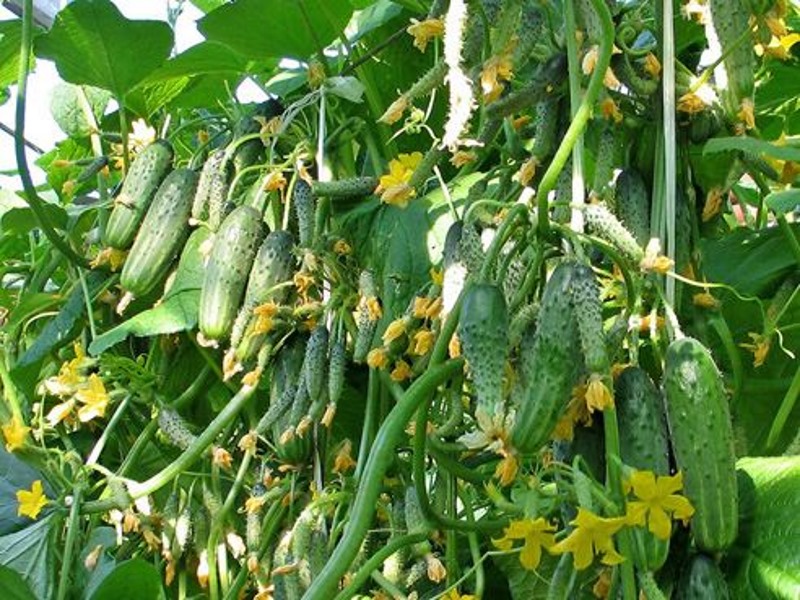
The best cucumber varieties for Siberia should have the following characteristics:
- early fruiting;
- rapid ripening;
- resistance to harsh climates.
Hybrid varieties with the desired characteristics are obtained by crossing parent varieties. It's worth noting that hybrid varieties are not used for replanting, as they will not possess the desired characteristics.
Video: Growing in Open Ground
This video will show you how to grow cucumbers outdoors.
Varieties of varieties
Cucumbers are the most common vegetable crop. They are grown almost everywhere. However, in Siberia, where the climate is quite harsh, growing these plants can be difficult due to unfavorable weather conditions. However, the problem of harvesting cucumbers, whether outdoors or indoors, can be solved quite easily. Simply choose the right variety.
In this case, the cucumber will produce a good harvest that will store well over the winter. Vegetables are in high demand during the winter, as they are a source of vitamins and beneficial microelements.
Thanks to the active work of breeders, there is a wide selection of varieties, even for Siberia. Moreover, each variety has its own distinct flavor characteristics, as well as specific cultivation techniques that must be followed to ensure excellent fruiting.
Altai
Perhaps the most famous cucumber variety grown in Siberia is the Altai. It is renowned among gardeners for its low maintenance and resistance to climate change.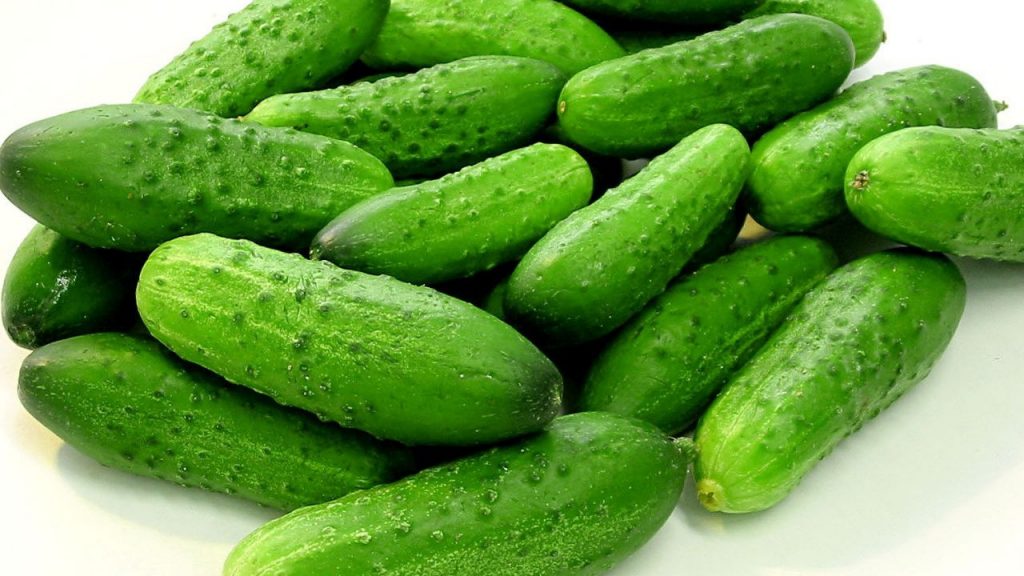
Altai is characterized by the following parameters:
- An early-ripening Siberian variety. The fruits ripen early. The harvest matures in approximately 36-38 days;
- plants are pollinated by bees;
- Suitable for growing in greenhouses or in open ground;
- medium-sized climbing bushes that can reach 1.2 m in length;
- Medium-sized cucumbers. They are approximately 10 cm long and weigh up to 90 g. The fruit shape is typical – oval-cylindrical;
- fruit color is bright green;
- The cucumbers have an excellent taste, without bitterness. They are used for preserving;
- The fruits are covered with a bumpy skin. The tubercles at the ends are white;
Altai is also popular among gardeners because of its excellent immunity. Its bushes are resistant to a wide variety of diseases, allowing for less effort in cultivation while still yielding a bountiful harvest. Up to 6 kg of cucumbers can be harvested from one square meter of planting area, provided, of course, that the plants are properly cared for.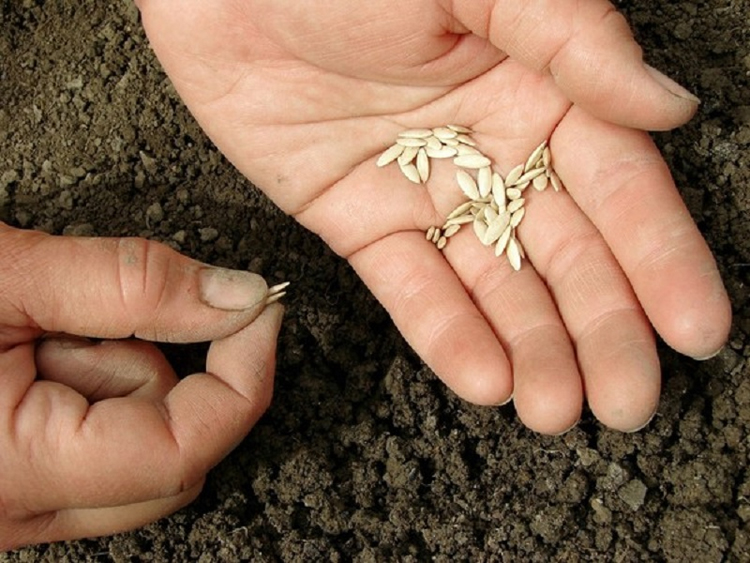
It's worth noting that in Siberian conditions, sowing seeds directly into the soil is not recommended. This also applies to greenhouses. Therefore, sowing seeds of the Altai variety begins in early April and ends in early May. It's recommended to sow seeds at a depth of 1.5-2 cm. The temperature should be maintained at 23-25 degrees Celsius. This temperature is guaranteed to ensure germination. Additionally, the seeds can be treated with growth stimulants. However, remember to use these products only as directed.
To ensure excellent seedlings, the seedlings should be regularly fertilized and watered. When planting the grown seedlings in the ground, remember to plant at least three plants per square meter.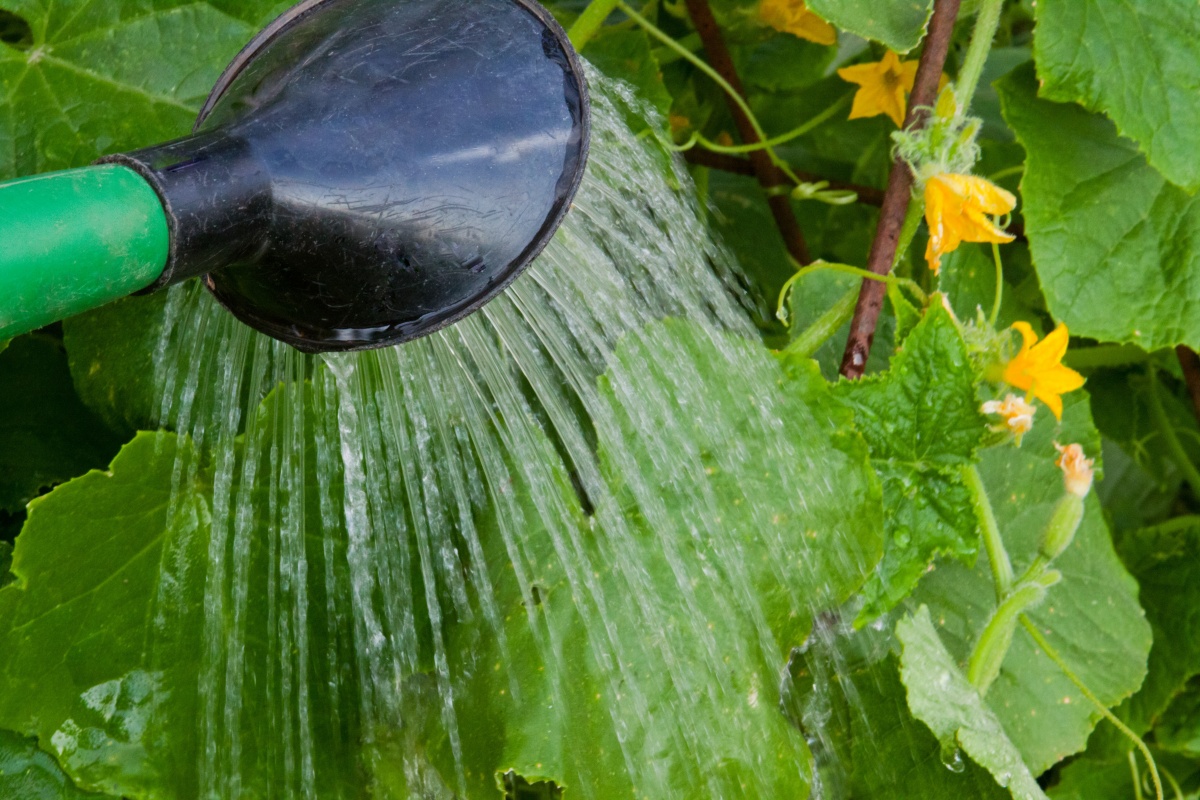
Transplanted cucumber bushes are recommended to be watered once a week. Use only warm water. In addition to maintaining a proper watering regime, caring for the plants in this case involves mulching and loosening the soil. Straw or plastic film should be used for mulching. Experts recommend straw, as it is an organic and natural material that, unlike plastic, does not create a greenhouse effect in the beds. Furthermore, the straw will gradually decompose, providing excellent nutrition for the cucumber bushes. This will prevent the formation of a crust on the soil surface, which physically impedes the roots' ability to breathe.
In addition, it is recommended to periodically spray the bushes with fungicides to prevent the appearance of signs of disease. This should be done even if the plants have good resistance to pathogenic microflora.
Miranda
Another interesting cucumber variety suitable for Siberia's climate zone is Miranda. This parthenocarpic hybrid produces cucumbers with universal appeal. The plants can be planted in any soil type. With proper care, they thrive and produce a bountiful harvest.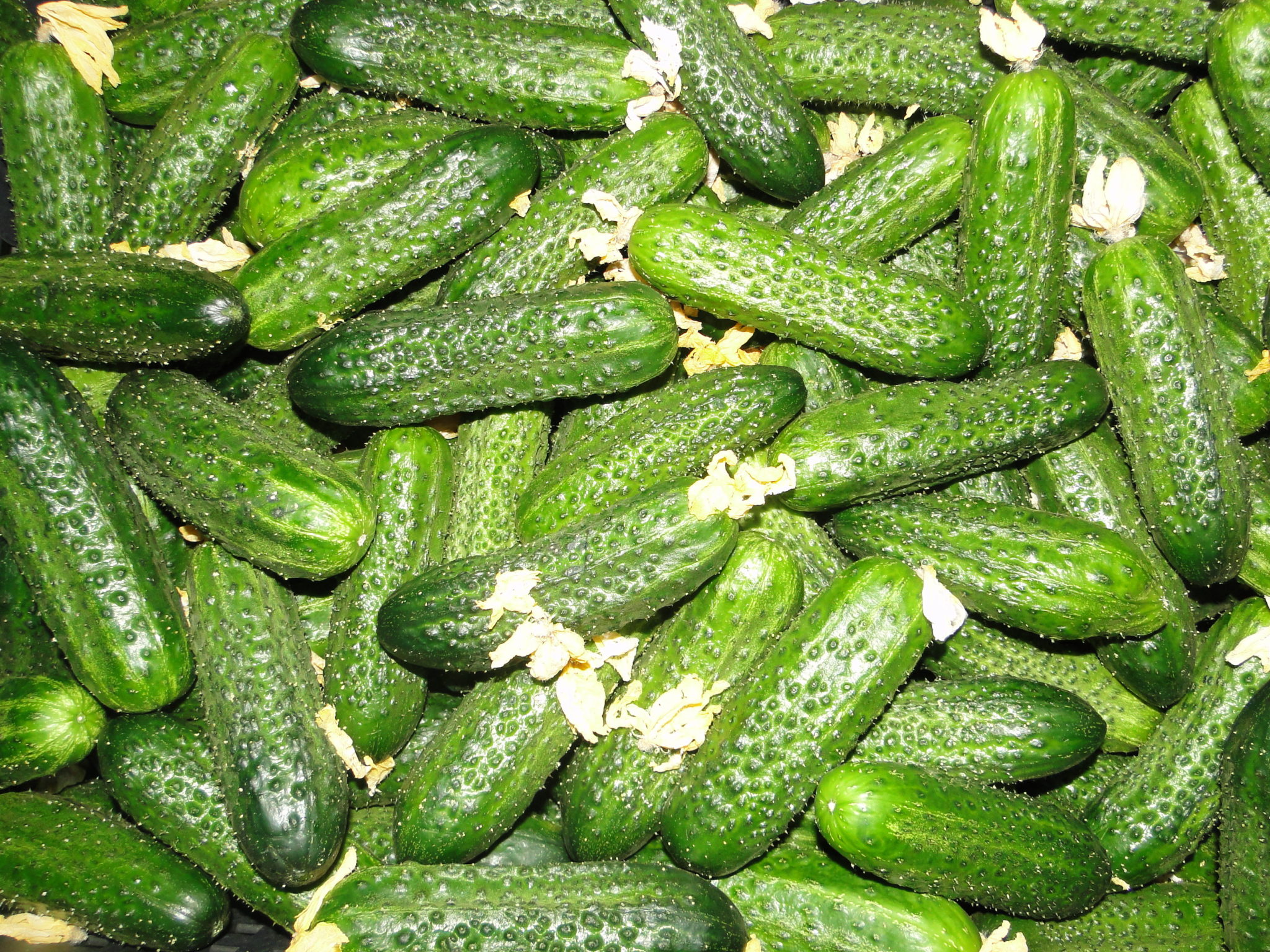
Miranda has the following characteristics:
- Vigorous bushes that produce large, abundant leaves. Approximately 1-2 ovaries form per node;
- The cucumbers are medium-sized, reaching about 12 cm in length and weighing up to 120 g.
- the shape of the cucumbers is cylindrical;
- the vegetables are covered with a skin on which there are small white bumps;
- Cucumbers have an interesting coloring. The fruit itself is a rich green, broken up by numerous white flecks. Yellow stripes usually extend to the center of the cucumber;
- The taste is sweet. This early-ripening Siberian variety has juicy flesh and a wonderful aroma;
- A versatile variety. Vegetables of this variety are used for canning, pickling, and fresh eating.
In addition, Miranda is frost-resistant and has excellent immunity to the majority of cucumber diseases (for example, powdery mildew).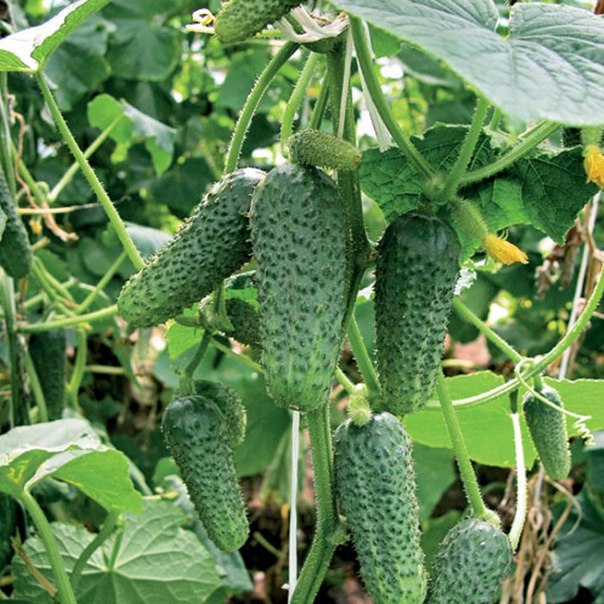
Seeds for seedlings are sown in mid-April. By the end of May, mature seedlings can be planted in open ground or greenhouses. However, it's important to remember that seedlings are 30 days old before they're ready for planting. The soil temperature must be at least 15 degrees Celsius.
If you want to support your bushes, you should grow no more than four seedlings per square meter. For trellis-type cultivation, it's best to plant approximately three plants per unit of space.
Growing Miranda requires fertile and well-aerated soil. Therefore, during soil preparation in the fall, fertilizer and wood shavings are added. This will significantly improve soil aeration.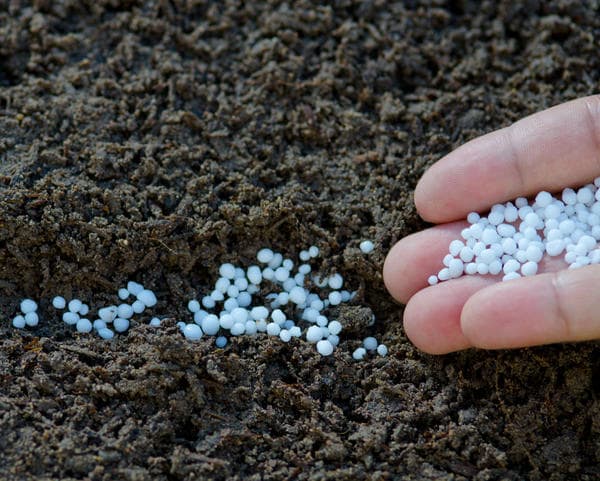
This variety will only produce fruit well if properly watered. This should include 2-3 waterings per week, always using warm water. During rainy weather, the frequency of waterings should be reduced. This is done to prevent excessive soil moisture. Excessive moisture causes plant roots to rot, leading to reduced yields and plant death. Siberian cucumbers, grown in regions with unfavorable climates, are quite sensitive to water conditions. Therefore, it's important to know how to monitor this parameter. To assess the plants' moisture needs, take a handful of soil. If it can be converted into whole food, the soil has sufficient water.
Fertilizing is also an important step in growing Miranda. This can enrich any soil with essential micronutrients to ensure a high-quality harvest.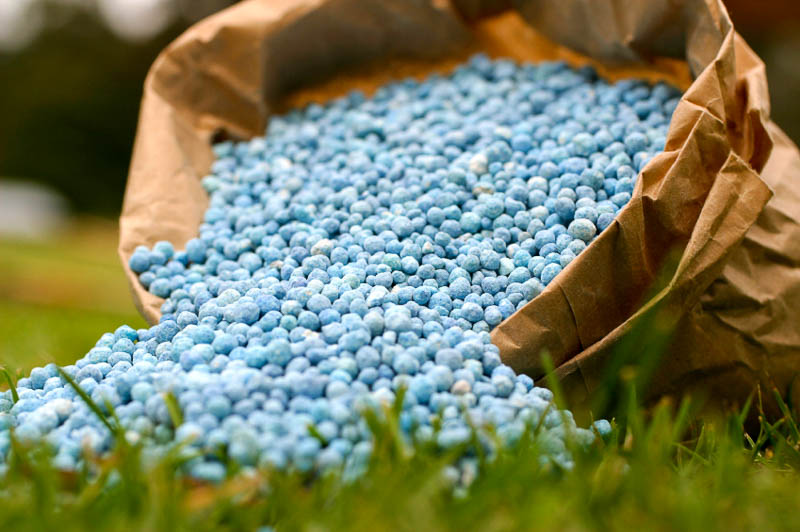
If a cucumber plant is actively growing vegetative mass, it should be pinched. Only then will the plant begin to produce fruit.
By following these simple rules and recommendations, Miranda can be grown in Siberia.
Cascade
Another early-ripening Siberian variety that can be grown in the harsh Siberian conditions is Cascade. Some experts classify it as a mid-season variety. The bushes produce female inflorescences. In this case, the harvest can be completed 45 to 50 days after the shoots emerge above the soil surface. It's worth noting that the cucumbers ripen almost simultaneously. The fruits are ellipsoidal in shape. The dark green skin has a few tubercles. The cucumbers are slightly elongated (up to 15 cm) and weigh approximately 100 g.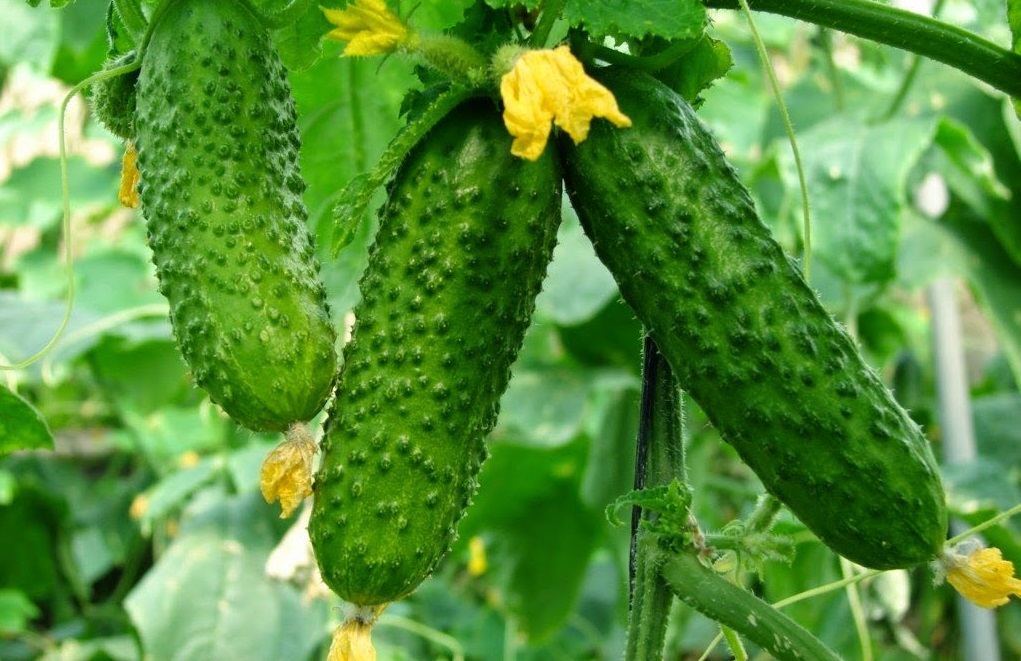
The main advantages of Cascade:
- Good fruiting. The yield per square meter is approximately 8 kg;
- friendly ripening of vegetables;
- resistance to the most common cucumber diseases;
- universal purpose of fruits.
Many gardeners grow Cascade using seedlings for greenhouse planting. When planting outdoors, the seeds are sown approximately 25 to 30 days beforehand. Care for the seedlings follows the standard method.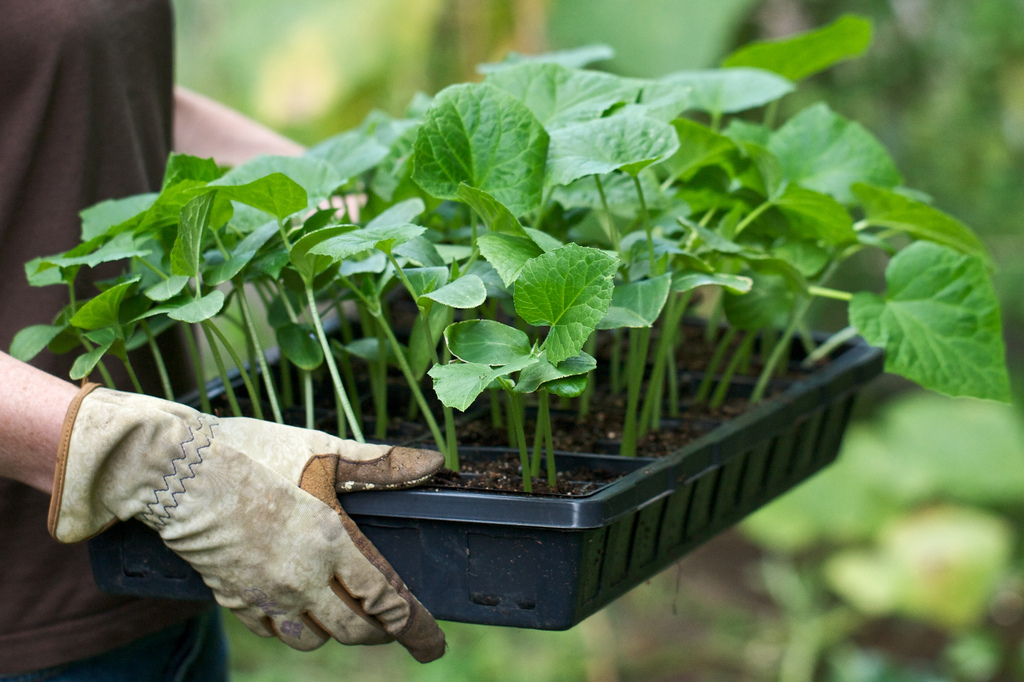
Planting of mature seedlings of this cucumber variety typically occurs in early May. By this time, the soil temperature should reach at least 15 degrees Celsius. Approximately 3-4 plants should be planted per square meter.
To improve seedling survival in a new location, harden them off. This involves raising and lowering the temperature each time. Hardening off will allow the seedlings to adapt to outdoor conditions much more quickly.
In this case, it's important to properly manage the watering regime of the plantings. The cascade requires frequent and abundant watering. This will allow the moisture to penetrate deep into the soil and reach the root system. In addition to watering, it's important to periodically weed, as weeds can parasitize the cultivated plants.
Periodic loosening can improve soil aeration. However, Cascade also requires regular fertilization. Top dressing is done with a full-spectrum fertilizer containing nitrogen, phosphorus, and potassium. Organic matter should also be added to the soil.
If necessary, the bushes should be tied to a support. However, in this case, the trellis must be strong enough to support the weight of the fruit.
If you follow these simple care rules, this early-ripening Siberian variety will produce an excellent harvest even in Siberia or any other region where the climate is not as favorable as you would like.
Alligators
The unusual name "Alligators" is given to another family of cucumber varieties, which can also be grown in harsh climates. These varieties got their name from the large length of their fruits, which reach approximately 45 cm. The skin of the vegetables is covered with mounds, which further gives them a crocodile-like appearance. These plants were previously known as Chinese cucumbers.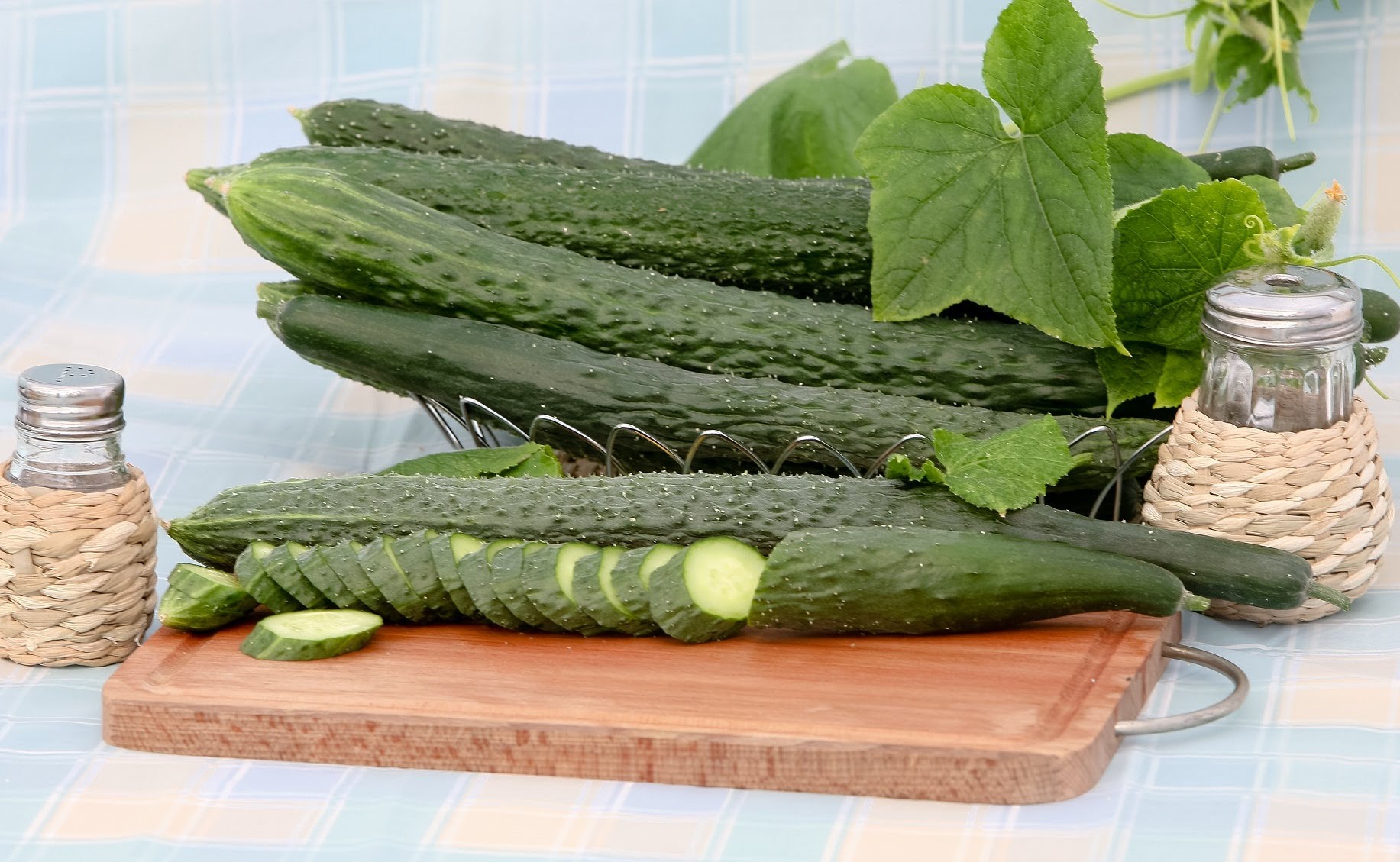
The following characteristics are characteristic of the fruits of the Alligator family:
- long length;
- tuberculous;
- Used fresh. They make excellent side dishes for fish and meat dishes. They are also included in salads. The vegetables are often used for canning. In winter, they make a wonderful addition to any holiday table.
- pleasant taste and extraordinary aroma.
The following cucumber varieties belong to this family: Ekaterina F1, Crocodile Gena F1, Crispy Alligator F1, Elizaveta F1, and Alligator F1. This group also includes the hybrids Emerald Stream F1, Chinese Cold-Resistant F1, and Beijing Delicious F1.
All of the varieties listed above are characterized by good yields, comparable to those of zucchini. A substantial harvest can be obtained by planting just six cucumber plants.
Fruit
In Siberia, many gardeners grow so-called fruit cucumber varieties. These plants are native to Southeast Asia. The main characteristic of their fruits is a sweet taste, lacking the bitterness typical of some gherkin varieties. Furthermore, cucumbers in this group are approximately 15-20 cm long and have a glossy, smooth surface. Occasionally, the skin may have occasional small bumps.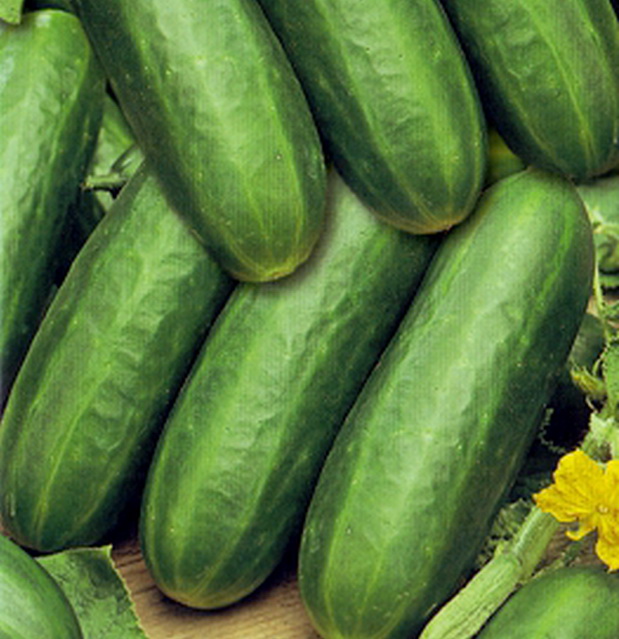
Experts consider the following fruit varieties to be the most productive in terms of yield: Fruktovy F1, Sladkaya Zhenshchina F1, Podarok F1, and Mustafa F1. Many gardeners also frequently grow fruit varieties such as Aprelskiy F1, Zozulya F1, Vesenniy Kapriz F1, and Estafeta F1 on their plots. Hybrids such as Muzykalnye Palchiki F1, Sasha F1, and Pal'tsy Paganini F1 have also been reported to have proven successful in Siberia.
Often the fruits of fruit varieties are used as ingredients in all kinds of salads.
Varieties in a greenhouse on a manure bed
Since Siberia's climate is not ideal for growing crops outdoors, many gardeners prefer not to risk their harvest and plant seeds in a manure bed in a greenhouse.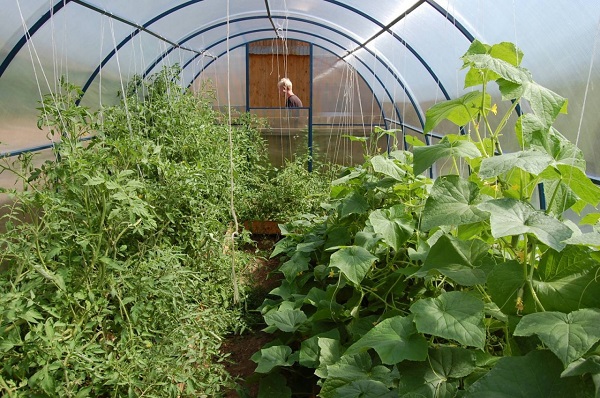
To grow cucumbers this way, experts recommend using fresh manure. Cow manure is preferred, although a small amount of horse manure can be added. This should be done in early spring. For cucumbers, the manure will initially act as a natural fuel and then provide additional nutrition for the growing plants.
Beds of manure are formed as follows:
- First, you should build a long, raised bed out of manure in the greenhouse. It can be any length, but the width should be approximately one meter;
- Then, place a layer of loose, fertile soil on top of the bed. Its thickness should be at least 25 cm;
- After this, the entire structure should be watered well.
When planting seedlings on manure piles, it is important to remember that there should be about four cucumber bushes per square meter.
It's worth noting that sowing seeds in a manure bed is not necessary. However, if you decide not to bother with germinating seedlings, it's recommended to plant two seeds per hole. The strongest and healthiest plant should remain. Keep in mind that dense plantings will negatively impact overall yield.
To provide additional warmth to the plants, such beds can be covered with a light-colored covering material or film. The covering material can be placed on specially installed arches. This will create a local greenhouse within the greenhouse.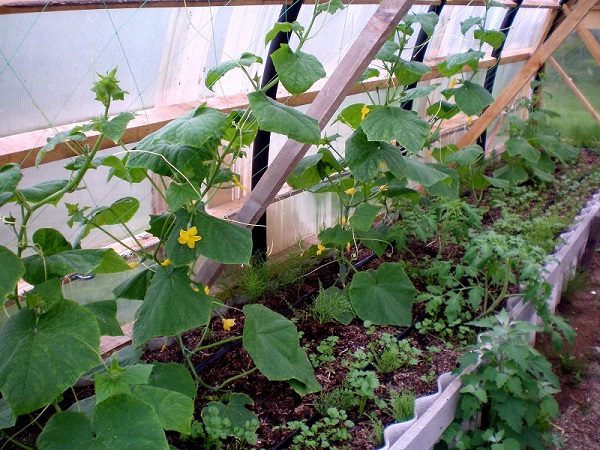
It's worth noting that the temperature in the manure bed will be quite noticeable. You could even burn your hand. This is because fresh manure is decomposing beneath the soil. Thanks to the temperature created, seedlings will emerge within four days of planting the seeds.
During the day, to prevent burning the plantings, the bed should be carefully ventilated. The film should be removed briefly during this time.
Therefore, it is recommended to grow such varieties of cucumbers as Muravei, Murashko, Twixi, Buyan and Holly.
German varieties
In a harsh region like Siberia, cucumber varieties known as German varieties can be grown. The main distinguishing feature of these plants is the spines located on the surface of the cucumbers between small tubercles. These varieties are used for canning, as the pickling process damages the spines, allowing the marinade to penetrate. As a result, the cucumbers have a wonderful, uniform flavor.
German varieties include hybrids such as Bidretta F1, Madam F1, Izyuminka F1, Libella F1, Primadonna F1, Patti F1, and Divo Divnoe F1. Some of these came to our country from the former GDR.
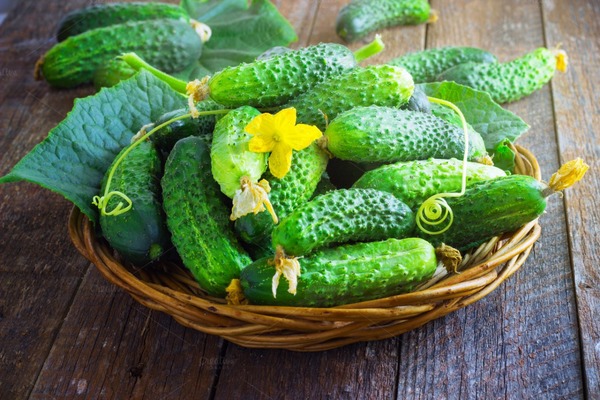
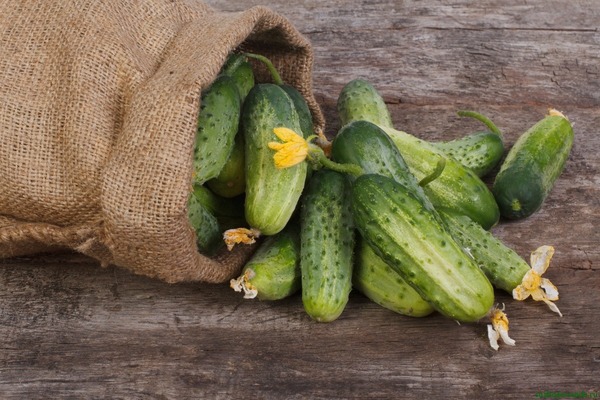
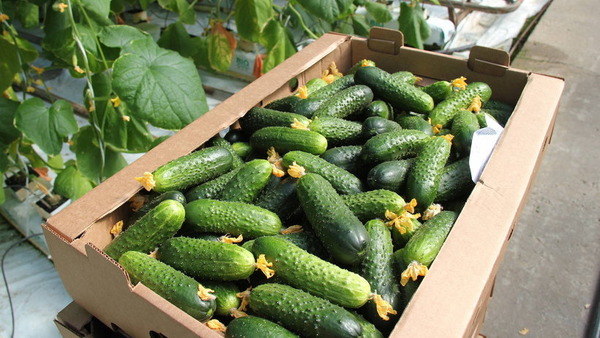
As we can see, the best cucumber varieties for Siberia are quite diverse. They differ not only in the cultivation techniques required to achieve a bountiful and tasty harvest, but also in their flavor characteristics and intended uses. Therefore, when planning to grow cucumbers in such a harsh climate, be sure to decide whether you want a sweet taste or excellent preserves. Then, use this as a starting point when choosing a variety.
Video: Greenhouse Growing
This video will show you how to grow cucumbers in a greenhouse.