
Self-pollinating cucumber varieties for greenhouses
Content
Criteria for choosing a variety for a greenhouse
Parthenocarpic cucumbers are best grown in a greenhouse. These hybrids, which don't require insect pollination, produce excellent yields and are resistant to various diseases.
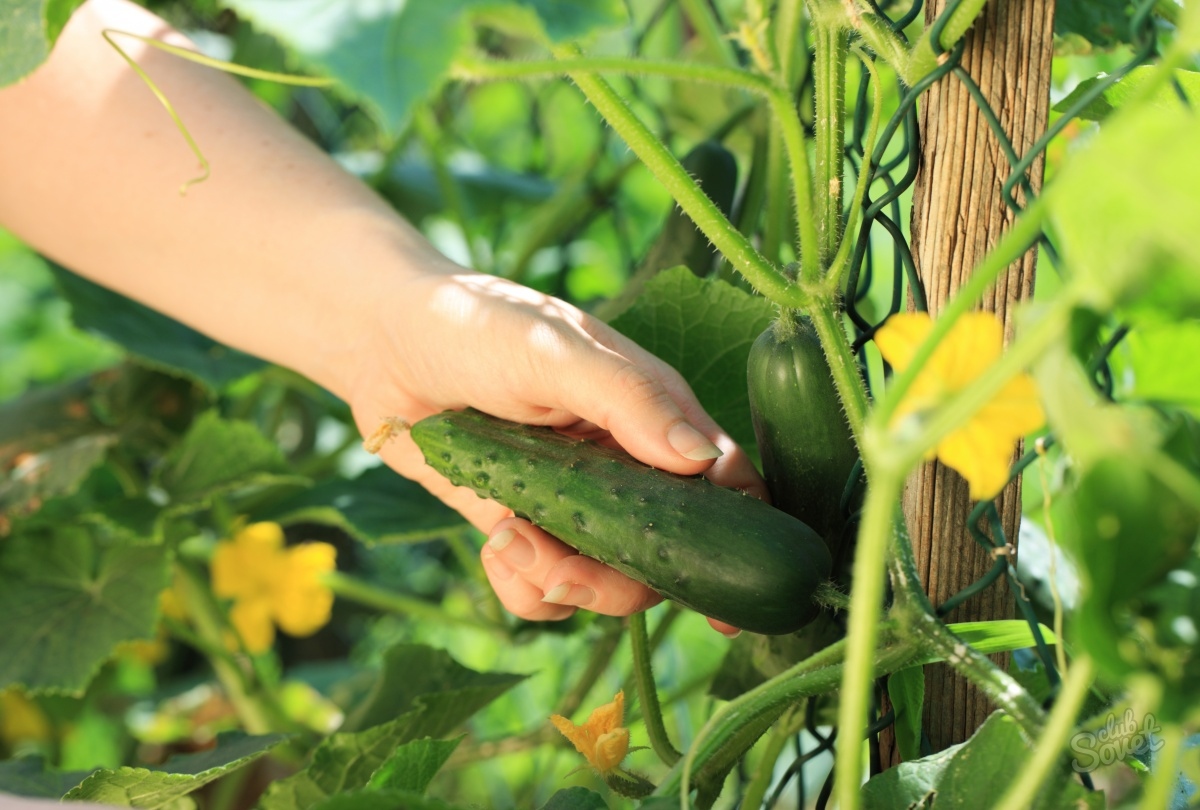
There is a classification of culture according to its application:
- Salad cucumbers are usually smooth and even, with virtually no spines. Sometimes these cucumbers have white spines. Fruits of this type are easy to transport due to their thick skin. However, for the same reason, cucumbers should not be canned: the skin prevents salt from penetrating the soft tissues. Therefore, vegetables of this group are best eaten fresh.
- Pickling cucumbers are known for their thin skin and specific sugar and pectin levels. This group primarily includes first-generation hybrids.
- Versatile cucumbers—these varieties can be eaten both fresh and canned. The fruits are characterized by small, brownish-black spines.
It's worth noting that when purchasing seeds, it's important to carefully read the information on the package. Sometimes, a variety may not be suitable for growing in certain conditions. Choosing the wrong type of vegetable can lead to a poor harvest and plant diseases.
The best parthenocarpic varieties
As noted earlier, self-pollinating cucumbers are the best option for greenhouses. Parthenocarpic cucumbers are now widely available and come in a variety of varieties:
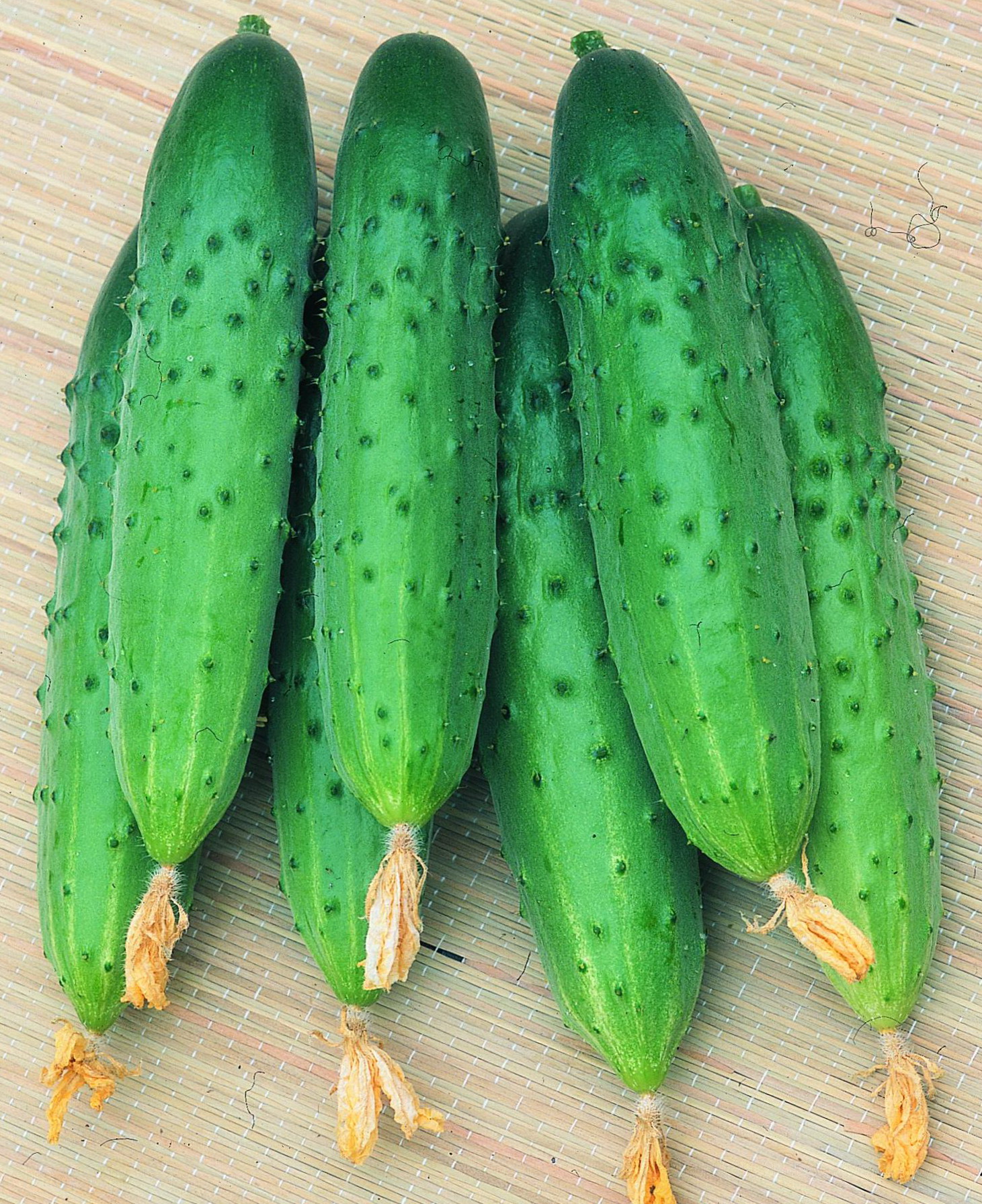
- Murashka F1 is an early hybrid vegetable variety. This variety is characterized by rapid ripening (1.5 months). The plant is characterized by medium growth, clustered blooms, high yields, and few lateral shoots.
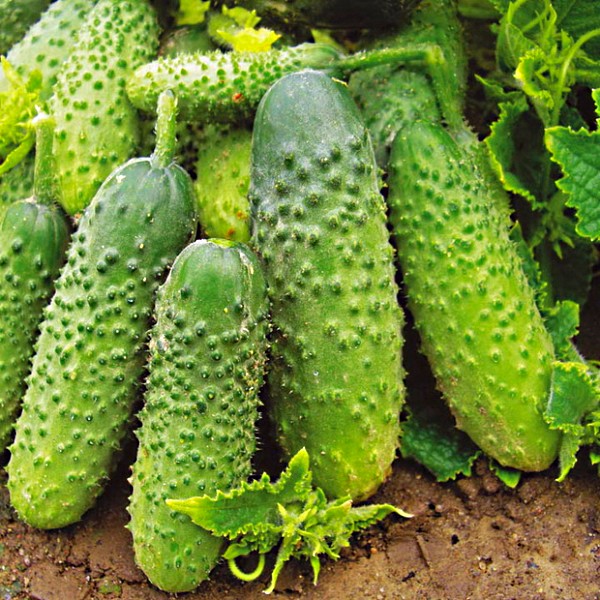
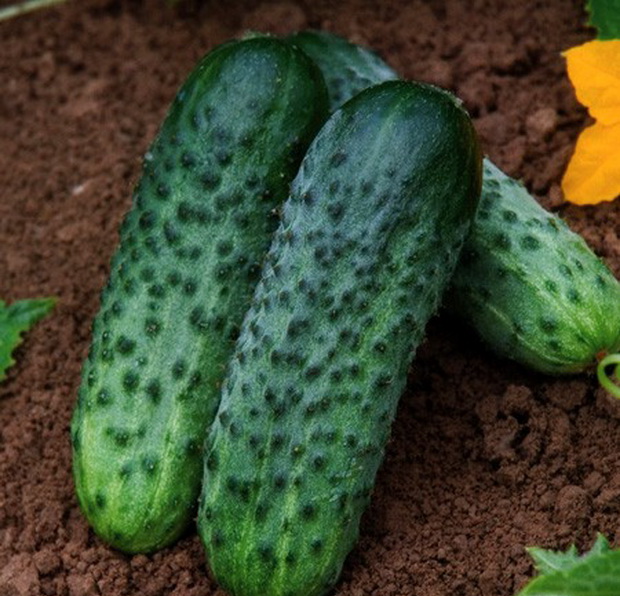
The fruits of this variety have large, rough surfaces with small, dark spines. When mature, the vegetable reaches up to 12 cm in length. The fruits are not bitter and have a pleasant taste. This variety is versatile, suitable for pickling, preserving, and salads.
Murashka F1 is resistant to powdery mildew (true and false), and is also suitable for growing in various conditions: greenhouses and open ground.
- Benefit F1 is a high-yielding, fast-maturing hybrid vegetable that doesn't require insect pollination. The fruits are medium-sized, weighing up to 120 grams. The cucumbers have small bumps on their surface. The cucumbers are not bitter, so they can be used in a variety of ways: for pickling, preserving, or in salads. Hybrids are also resistant to powdery mildew and root rot, which is another significant advantage.
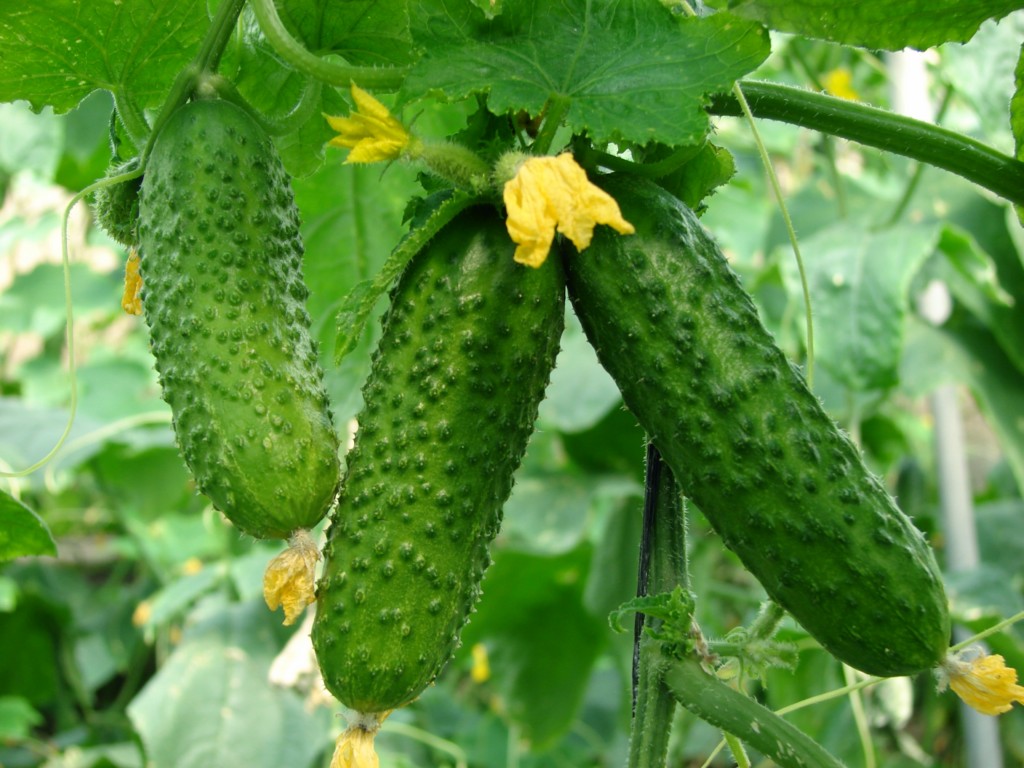
- Herman F1 is a Dutch variety beloved by many gardeners. Its fruits are early-ripening and quite hardy. They may only slow slightly in colder temperatures. The average fruit length is 0.1 meters. They are suitable for both canning and fresh eating.
- Zozulya F1 is a high-yielding hybrid. The fruits are large, reaching 25 cm in length. They are ideal for barrel pickling. The harvest is simultaneous, one-time. These parthenocarpic varieties are resistant to various rots. They are suitable for both greenhouse and open-air cultivation.
- Dynamite F1 is a highly vining variety that requires space. It's suitable for pickling, marinating, and salads. Its fruits reach 14 cm in length.
- Zyatek F1 is notable for its ability to produce fruit even during the so-called milky stage. It produces a bountiful harvest of 10-centimeter-long, pimply fruits. The hybrids mature in an average of 48 days.
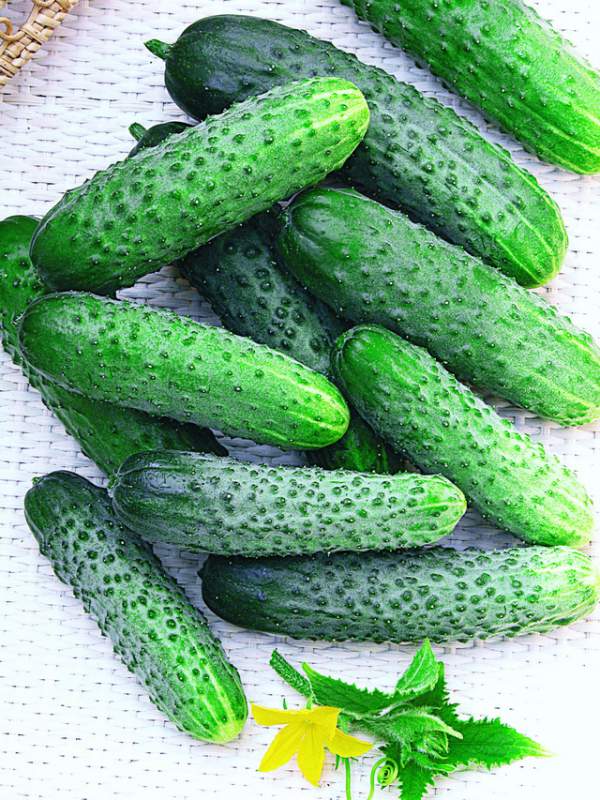
Video: "The Best Cucumber Varieties. Which Seeds to Plant in a Greenhouse and Open Ground"
The video provides detailed information about the best cucumber varieties for open ground and greenhouses.
Planting tips
Self-pollinating cucumber varieties will produce a bountiful harvest in a greenhouse only if all planting and growing guidelines are followed. Before planting, it's essential to prepare the soil and seeds, and combine these processes with proper seedling care.
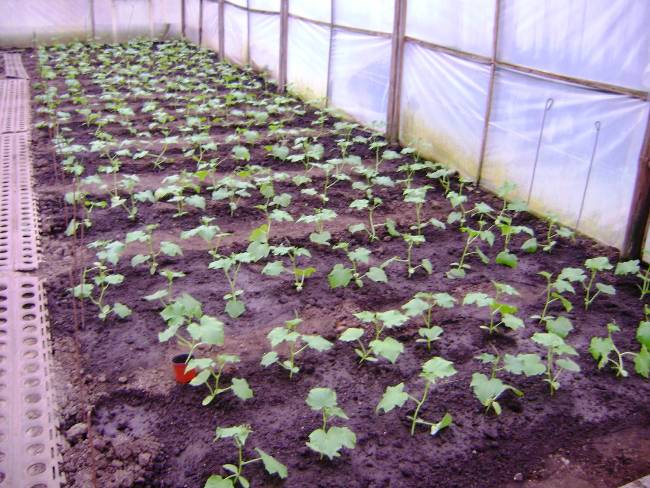
To plant seeds for seedlings, you need to prepare the soil. It's easiest to take soil from a garden bed, but for best results, it's best to prepare a special mixture characterized by:
- High level of fertility, which is due to the presence of organic matter and the correct ratio of minerals.
- Good physical properties: porosity, aeration, ability to absorb and transport moisture.
- Neutral or slightly acidic environment.
To give the soil these characteristics, it must be formed using the following mixtures:
- Turf and humus;
- Peat, humus and whole soil from the land plot.
The best additional components for a potting mix are coniferous sawdust and sand. Adding these elements to seedling soil improves its physical and mechanical properties several times over.
The procedure for preparing the soil for planting seeds or seedlings in a greenhouse consists of the following operations:
- Disinfection of soil with copper sulfate after harvesting;
- Loosening the soil to a depth of 25 cm.
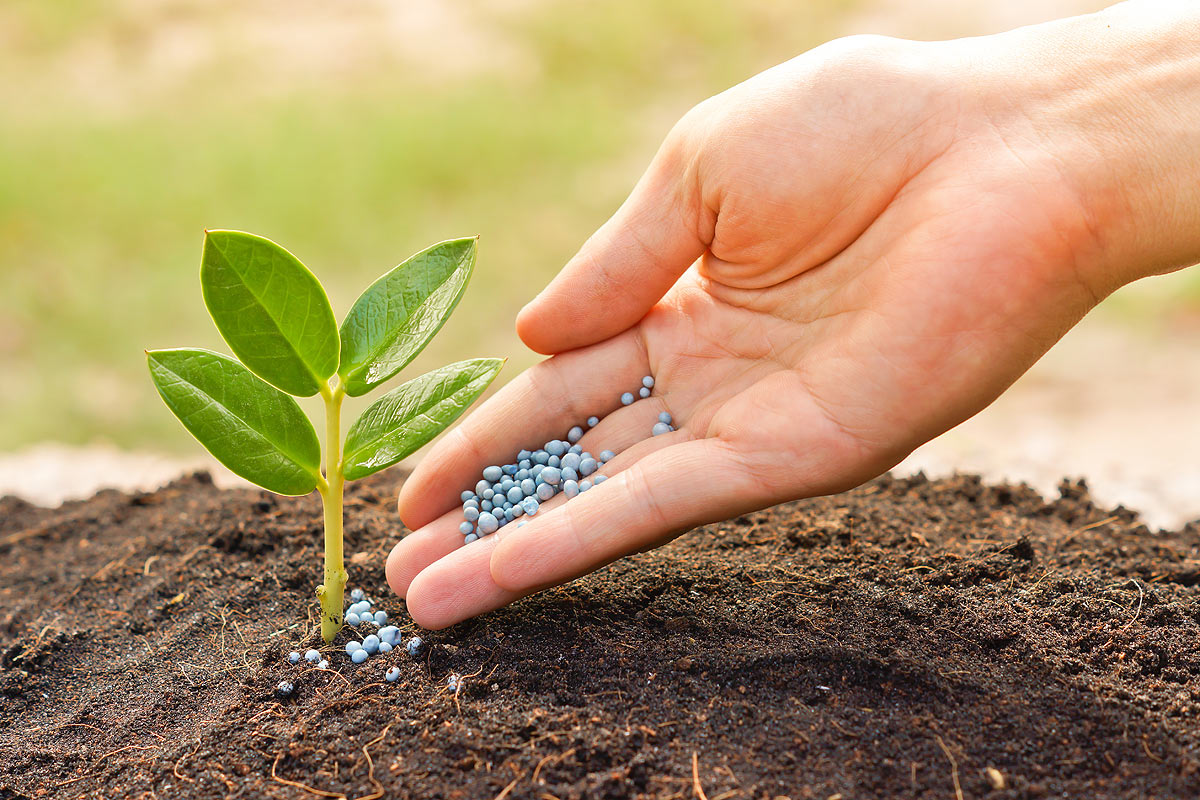
- A month after disinfection, it is necessary to apply mineral fertilizer consisting of potassium sulfate, superphosphate and ammonium nitrate.
- In winter, the soil is left untouched, but before planting crops, loosening and fertilizing must be repeated.
The next step is seed preparation. You can use purchased or homemade seeds for sowing. However, it's important to remember that hybrids are not the best plants for seed production. It's more effective to purchase hybrid seeds from specialist stores.
Planting in greenhouse soil should be done taking into account the internal temperature and the characteristics of each variety. May is the best time to begin.
Dig holes in the moistened soil of the greenhouse and plant the seeds no more than 1.5 cm deep. Each hole can be sprinkled with seedling mix or vermiculite to accelerate seedling growth. It's best to cover the planted seeds with plastic wrap or cellophane to prevent rapid moisture evaporation.
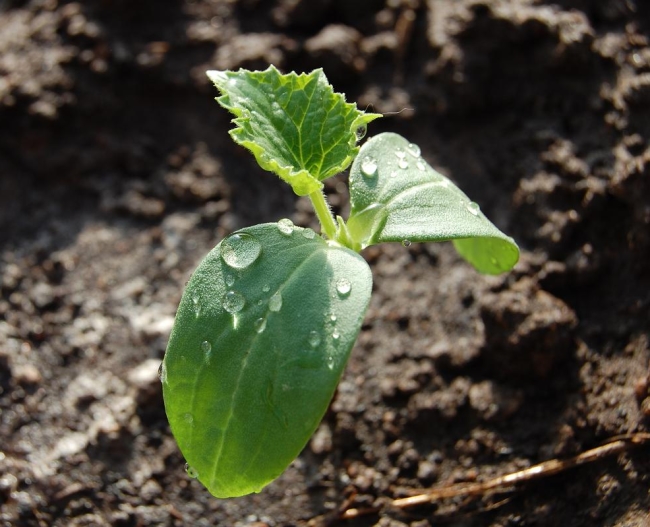
Watering should be systematic and sufficient (3 liters per square meter of area).
A cucumber harvest in a greenhouse depends not only on the soil and seedlings, but also on the care they receive. Under the right growing conditions, the cucumbers will be the best: sweet, aromatic, and large.
First, the grown bushes need to be trained. After lateral shoots and the third leaf begin to emerge, the shoots should be pinched. In protected soil, the bushes are usually trained into a single stem. The plants need to be tied to a support and thus trained.
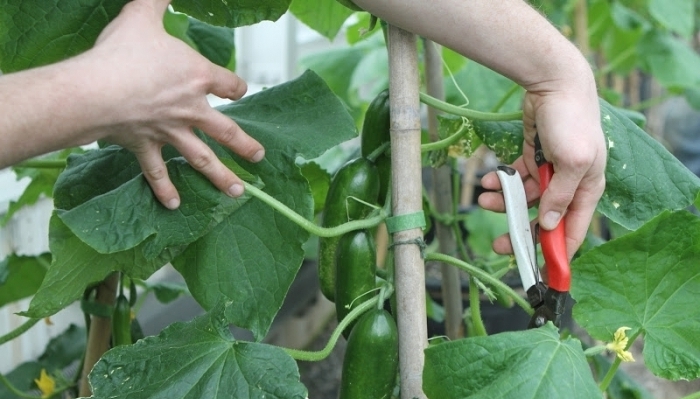
When the main stem reaches 20 cm above the support, it should be removed. All flowers should also be removed from the first lateral axils, as they will likely not develop into ovaries. Continue shaping the bush after the first harvest, pinching out the lateral shoots.
Good fruit can only be harvested by properly watering vegetables: sufficiently, but in moderation. Otherwise, the roots can rot. Mature vegetables require 5-10 liters of water per square meter daily. On cloudy days, it's best to water the plants less frequently: once every two or three days. Watering should be done in the evening using a spray can.
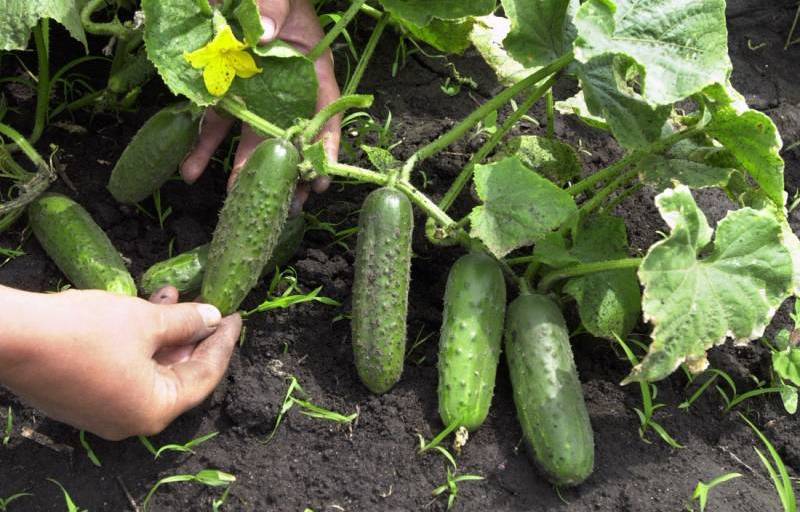
If the soil is prepared correctly, it doesn't need fertilizing. If the plants have lost their healthy appearance, they definitely need fertilizing.
A high concentration of carbon dioxide in a greenhouse has a positive effect on crop yield. This is achieved by placing a barrel of manure or diluted chicken manure indoors.
There are numerous cucumber varieties that don't require insect pollination. However, choosing the best ones is only half the battle. The plants require care: the seeds need to be prepared for planting, and the plant needs to be trained. This is the only way to produce delicious pickled, salted, or simply fresh vegetables.
Video: Growing Cucumbers in a Greenhouse and Open Ground
The author of the video talks about choosing the best cucumber variety.