
Cucumbers Courage: characteristics of the variety and cultivation
Content
Description
Cucumbers are believed to have originated in India. This versatile crop can thrive in virtually any part of the world. However, to ensure a bountiful harvest, it's important to follow all the rules and recommendations for planting and caring for the vegetable.
The description of the Kurazh variety describes it as a high-yielding hybrid capable of pollinating itself. This plant is a recent development, developed by the Gavrish company. It can produce fruit in winter (usually 50-55 days after planting) or in spring and summer (35-40 days after the first shoots emerge).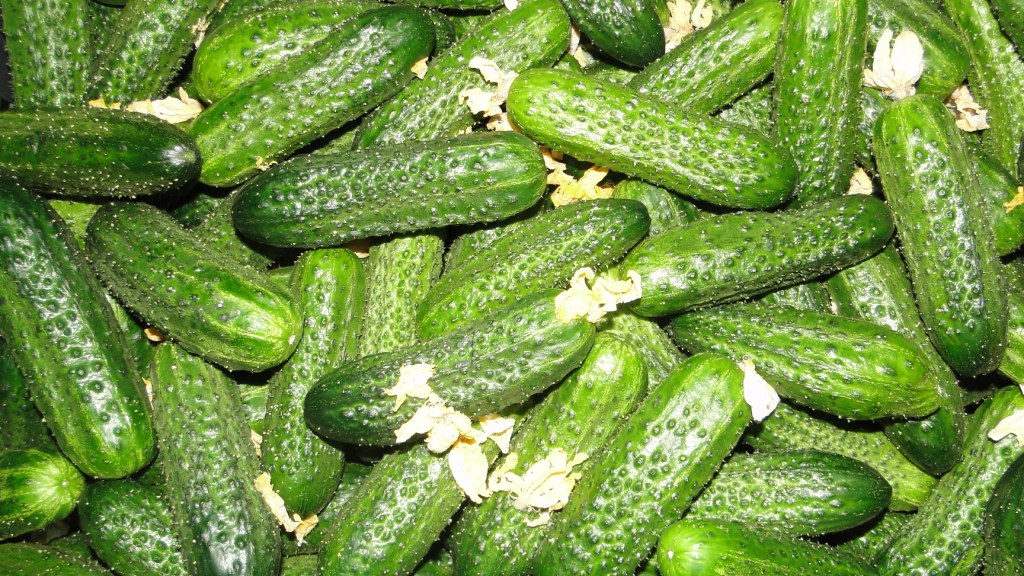
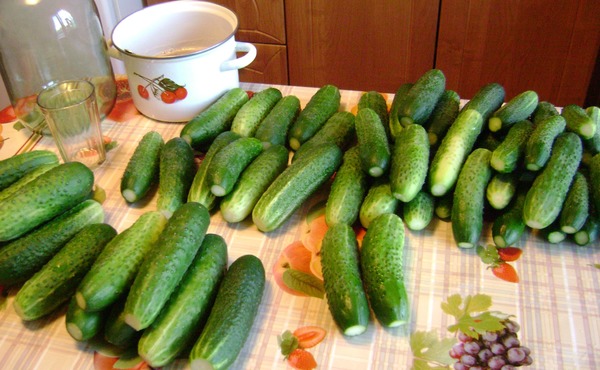
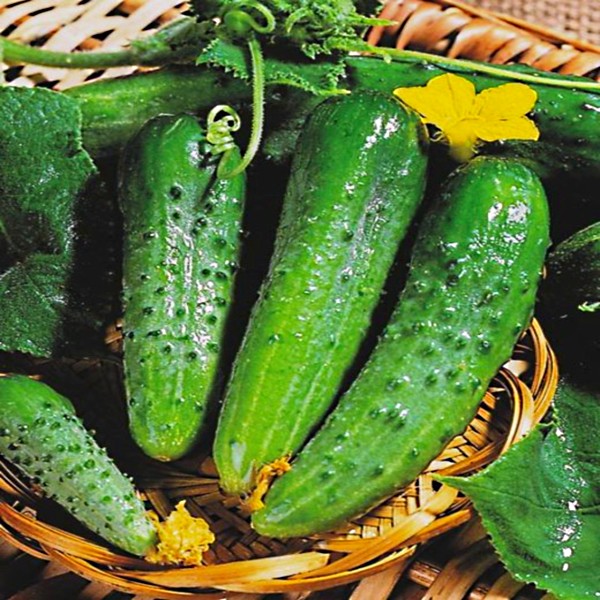
Courage cucumbers grow as medium-sized bushes with a well-developed root system. With adequate light, they can produce up to 10 ovaries. The plant's fruits have a rough surface with white spines. They are cylindrical, up to 0.14 meters long. The average weight of a cucumber is 130 grams. The inside is very juicy and not at all bitter. It also has a very pleasant crunch.
Video "Description"
From this video you will learn what the Courage cucumber variety is.
Advantages and disadvantages
The only drawback of this variety is the high price of its seeds. However, this disadvantage is more than offset by the plant's numerous advantages.
Firstly, it's highly productive. From 6 to 12 kilograms of cucumbers can be harvested per unit area.
Secondly, the variety description indicates that these cucumbers are self-pollinating. This means they can be successfully grown in greenhouses without the need for special conditions for fruit formation.
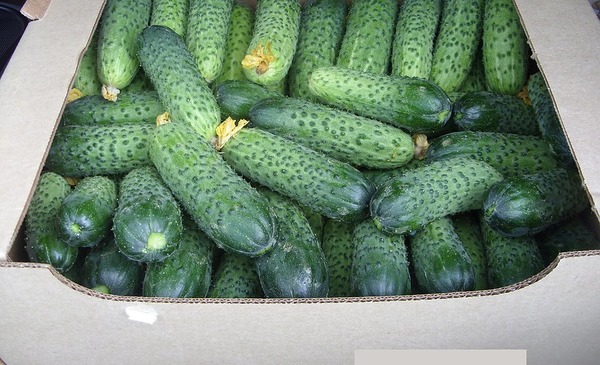
Thirdly, the crop yields high-quality produce. It tastes good, has an excellent aroma, and, under the right conditions, can be stored successfully.
Fourthly, the hybrid is almost not susceptible to plant diseases such as downy and powdery mildew.
And finally, the crop can be transported over long distances without significant damage to the fruit.
Sowing rules
Before sowing Kurazh cucumbers in a greenhouse or in the open ground, several preparatory steps must be taken. The most important step is preparing the seeds for sowing. Only then can you grow strong, healthy cucumbers that will produce a substantial, high-quality harvest.
Sowing in open ground
To sow vegetable seeds in unprotected soil, you need to prepare the beds first. It's best to choose areas where legumes, cabbage, or potatoes were previously grown. In the spring, the soil should be dug over and then covered with plastic to warm the soil. If you began preparing the beds for planting in the fall, then during this period, you should fertilize the soil with 3 buckets of manure, 3 cups of ash, and 0.07 kilograms of nitrophoska. The best time to sow cucumbers is in April–May.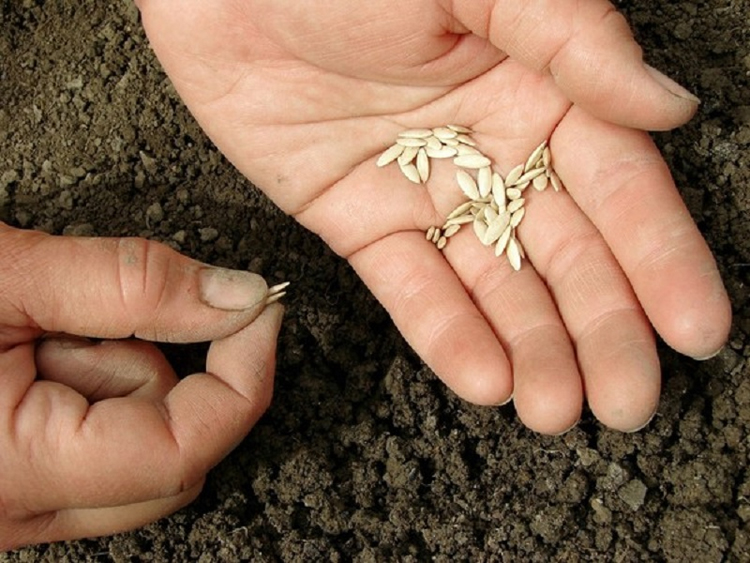
According to the experience of many gardeners, it's best to plant vegetables in a pattern 0.5 meters wide and long. The planting depth should be at least 0.03–0.04 meters. Place 2–3 seeds in each furrow. After the seedlings emerge, they must be thinned out.
Horizontal cultivation involves spreading the cucumber vines across the ground. No shaping is required; simply spreading them evenly across the surface is sufficient. Vertical cultivation requires creating supports for the plant to allow it to grow upward. After germination, maintain a distance of 0.35 meters between plants. Thinning can be done if necessary.
To obtain maximum yield, it is not recommended to increase the seeding density.
Growing in open ground
Cucumber cultivation techniques in open ground conditions directly depend on the biological characteristics of the vegetable.
There are two main methods of growing: horizontal and vertical.
For horizontal cultivation, dig holes 0.4 meters apart. Place 3-4 cucumber seeds in each hole, planting them at a depth of 0.02-0.04 meters, and cover with loosened soil.
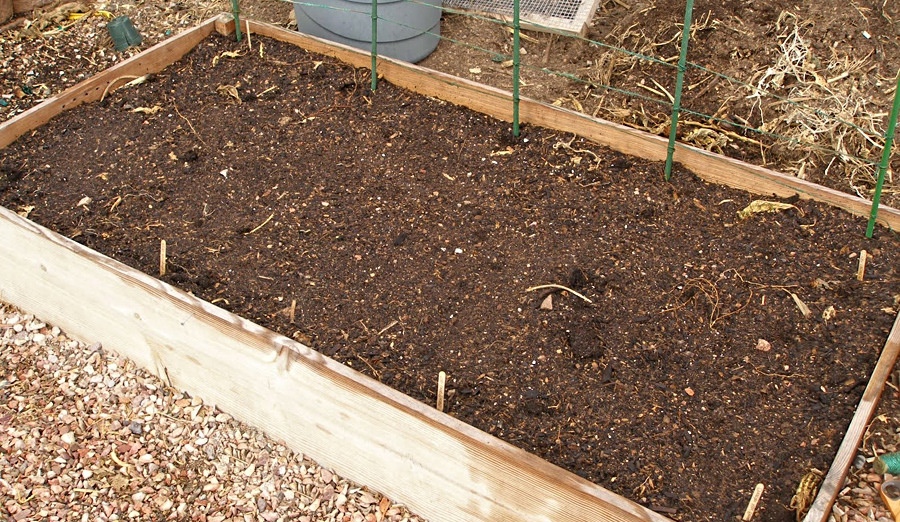
After planting, the beds should be covered with plastic or other material to create a "greenhouse." After a couple of weeks, the seedlings should be thinned out. The plant vines should be spread across the ground without shaping.
For vertical cultivation, where cucumbers are supported by tendrils on vertical supports, seeds should be sown in holes. Furrows are usually made in pre-prepared seedbeds. The distance between holes is typically one meter. Seeds should be planted a couple of centimeters deep, spaced 0.15 meters apart. After the first young plants emerge, they should be thinned out, leaving a distance of 0.35 meters.
Growing in a greenhouse
The Kurazh cucumber variety can be grown in a greenhouse. To do this, first prepare the soil. After the season, clear the surface of last year's plant debris and weeds. Afterward, treat the soil with a fungicide according to the instructions. In the spring, add manure to the soil. The soil is watered with potassium permanganate to control pests and parasites. After this, loosen the soil and form beds with furrows.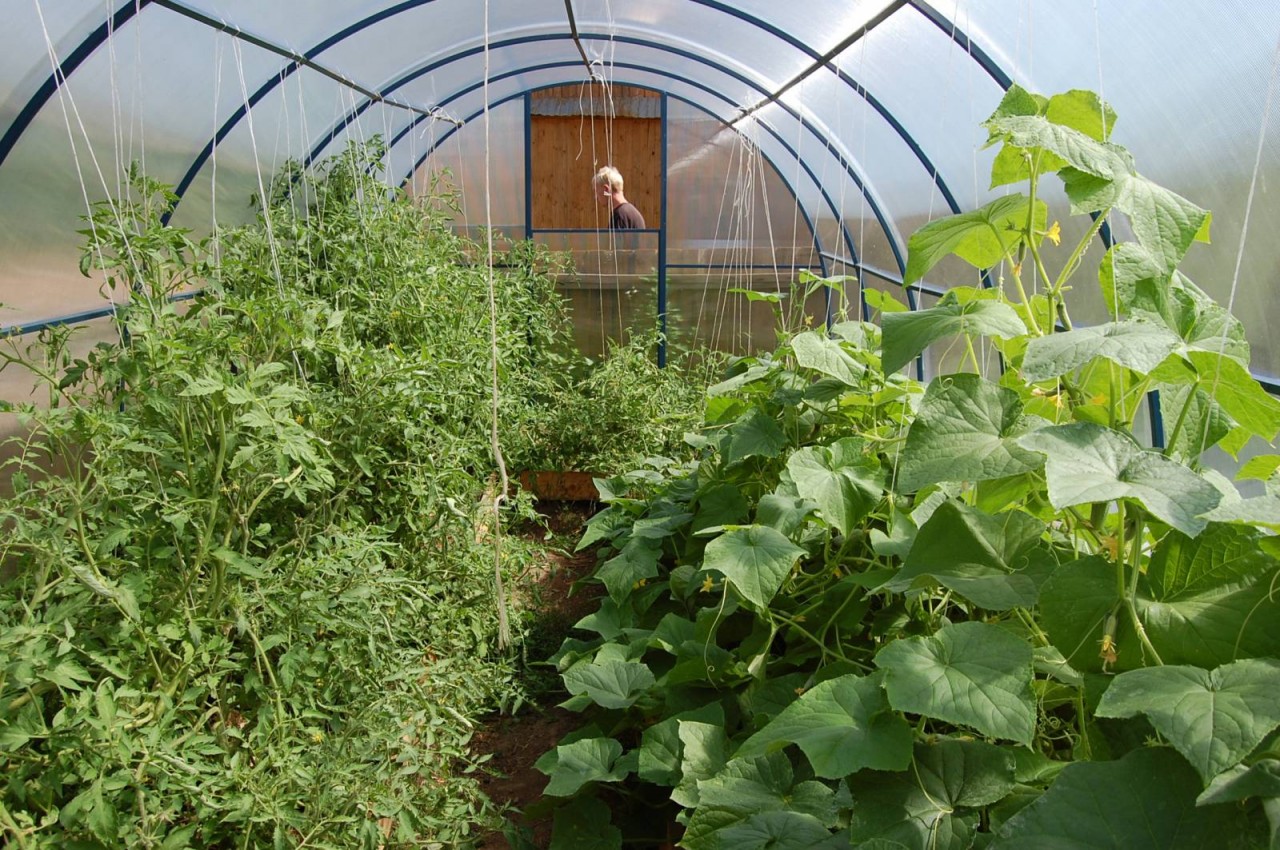
Caring for a greenhouse plant is specific and requires following a number of rules:
- The plant's bushes are formed into a single stem, which helps to significantly increase the vegetable yield;
- on the main stem, lateral shoots in the axils of 4 formed leaves are removed;
- there is no need to regulate the number of ovaries in any way;
- It is very important to provide the crop with a certain level of illumination.
Basic rules of care
This hybrid requires the same care and watering as all cucumbers. It's best to moisten the plants with warm, settled water. When hot days set in, mulch the beds. Watering should be regular, otherwise the ovaries may fall off, the fruit will taste bitter, plant growth will slow, and disease resistance will decrease.
It's best to water the plants in the evening. To ensure a continuous watering process, set up special containers in the garden that are filled with water every evening. During the day, the water will warm up enough to be used freely for watering the cucumber plants.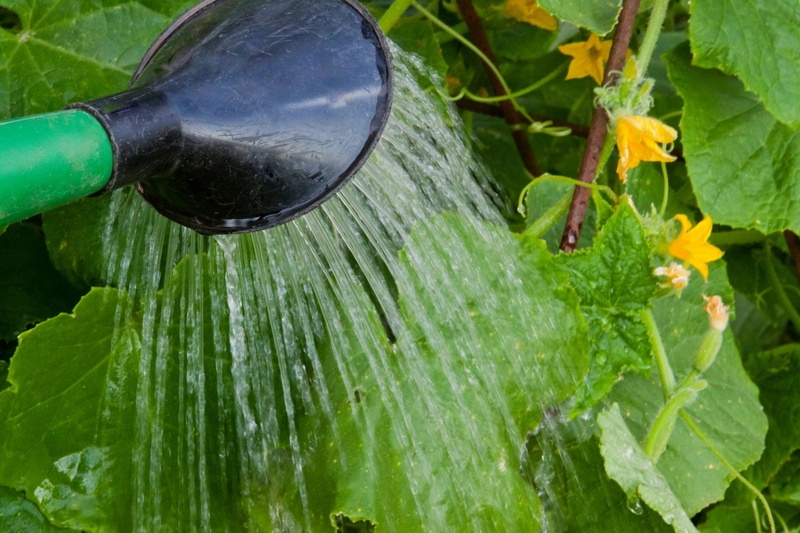
The roots of the crop are located very close to the soil surface, so avoid watering with excessive pressure. It's also important to water the plants carefully, preventing water from splashing onto their leaves. Otherwise, cucumbers may become diseased.
A crop growing in unprotected soil needs to be fertilized up to six times per season, but not with excessive amounts of fertilizer. Nutrients can be applied either under the roots or through foliar application.
So, the Courage hybrid is quite simple in terms of agricultural technology, which explains its popularity among gardeners and summer residents.
Video: Greenhouse Growing
This video will show you how to grow cucumbers in a greenhouse.