
Cucumbers Herman f1: description of the variety
Content
Description of the variety
Before growing this variety in a greenhouse or open ground, it's important to understand the characteristics of this hybrid. It was developed by Dutch breeders. It's a parthenocarpic, high-yielding gherkin hybrid. It exhibits consistent yields with proper seed preparation.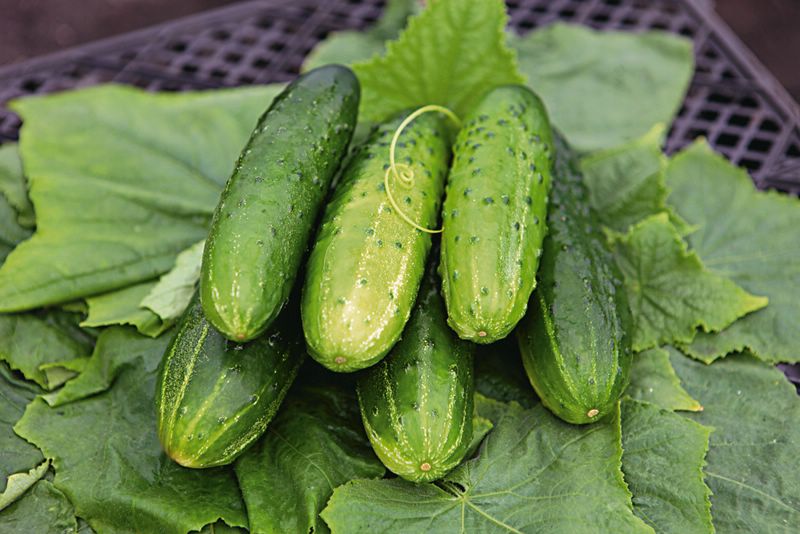
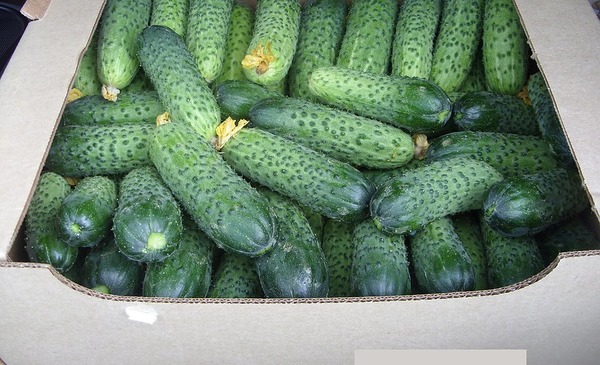
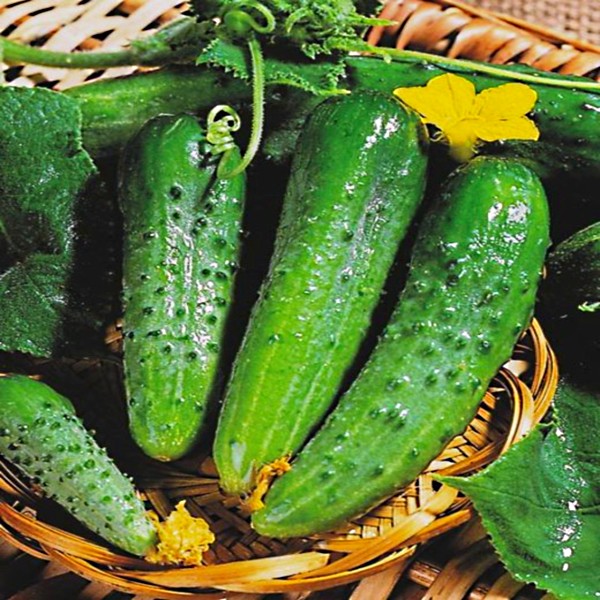
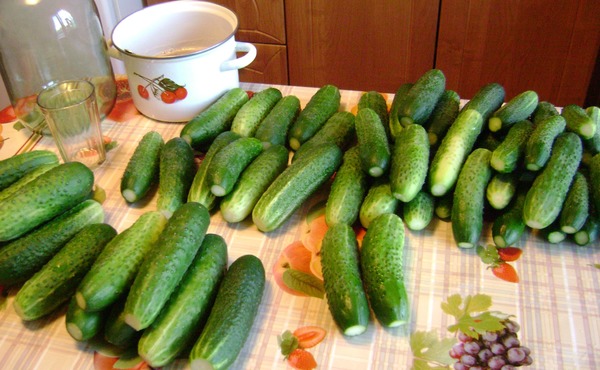
Cucumber plants begin producing fruit very early, resulting in a large harvest. The cucumber heads are approximately 8-10 cm long. The hybrid's fruits are cylindrical in shape. Each cucumber weighs approximately 70-100 grams.
The following characteristics are described for this variety:
- The cucumber bush is characterized by vigorous growth, producing powerful green leaves;
- approximately 6-8 fruits are formed on one ovary;
- their taste is slightly bitter;
- The yield per square meter is about 20 kg.
Cucumbers of this variety can be grown from both seeds and seedlings. This vegetable crop has many advantages, which we'll discuss below.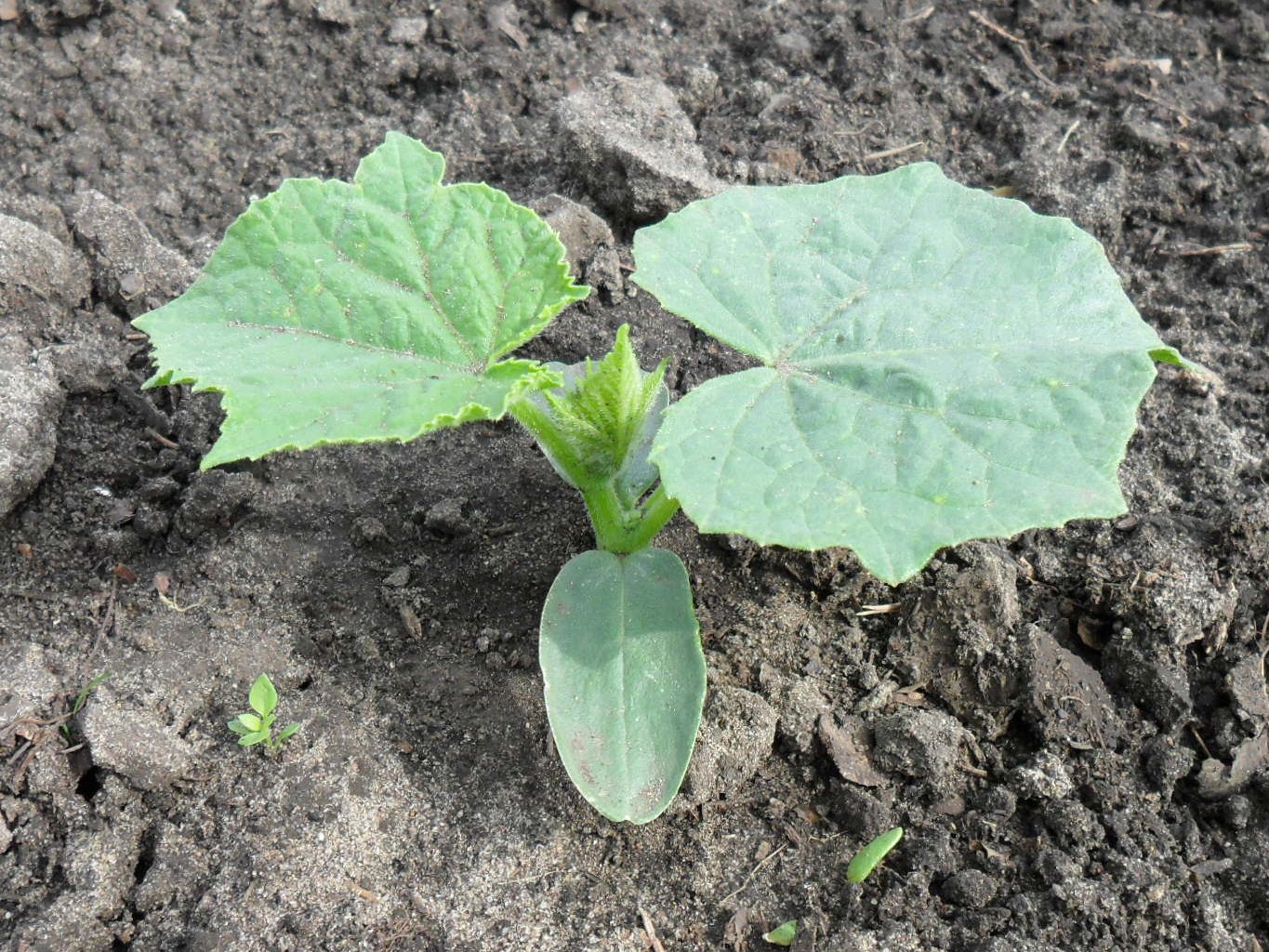
As we can see, Herman f1 has a description that will surely appeal to both professional and novice gardeners. This explains the variety's increased popularity, as it's easy to grow.
Video: "How to Grow This Variety of Cucumbers"
In this video, experienced gardeners will share the secrets of sowing and growing cucumbers of this variety.
Sowing rules
The answer to the question "how to grow Herman f1" begins with preparing the planting material. The quality of the resulting seedlings and their resistance to various pathogens depend on how well this step is completed.
The success of the entire project depends on the quality of pre-planting seed preparation. This should include the following:
- First, the seed material is sorted. The fullest-weight seeds should be selected for planting;
- then we place them in a saline solution;
- Discard the seeds that float to the surface. Only those seeds that remain at the bottom of the bowl will germinate.
- seeds suitable for planting need to be dried;
- After this, we warm them up. To do this, the seeds need to be exposed to high temperatures (+ 60 degrees) for a couple of hours;
- Then we disinfect the seeds. Wet disinfection should be performed by placing them in a 15% potassium permanganate solution. Specialized products such as "TMTD" or "NIUIF-2" can also be used.
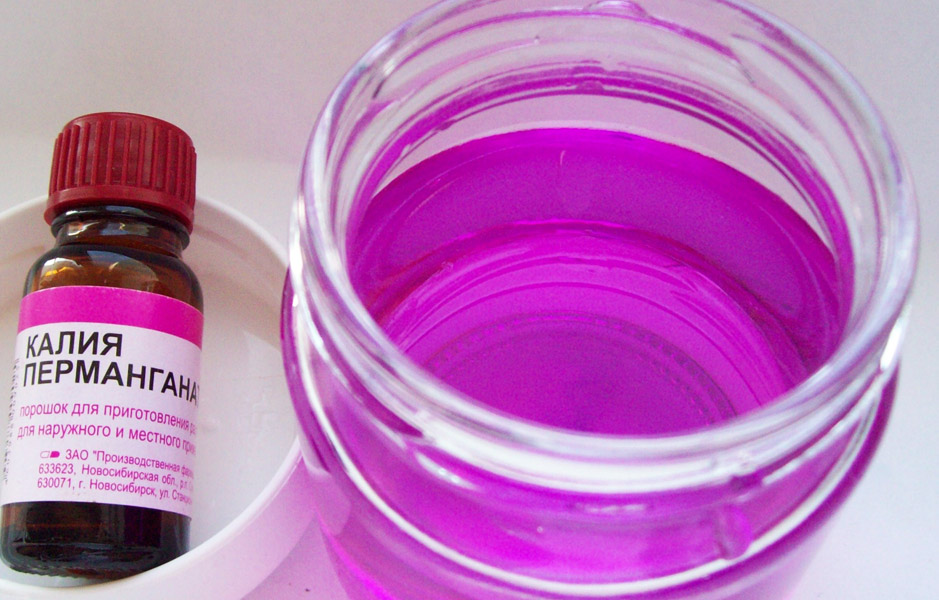
Please note that if the seed packaging contains information that they have been treated with a fungicide, then in this case the planting material is not treated.
The seeds are now ready for sowing. Choosing the right soil is crucial. The soil for growing this variety should be loose and fertilized with organic matter. An excellent harvest can be achieved by adding wood ash to the soil at this stage.
Seeds can be sown in open ground or in special containers for seedling formation (seedling method). In open ground, seeds should be planted in May. By this time, the soil will have warmed up well, and the air temperature should be above zero. It should be 15-20 degrees Celsius during the day and 8 degrees Celsius at night.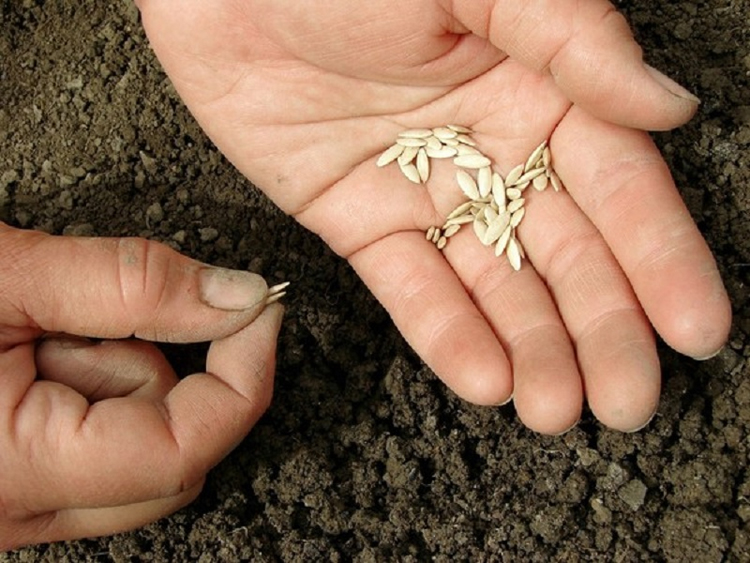
It is recommended to plant seeds in open ground in rows. The distance between rows should be approximately 65 cm. The distance between two adjacent holes should be approximately 10-15 cm. A 90 x 30 cm pattern can also be used when planting. In this case, the seeding depth should be 1.5-2 cm.
Planting seeds in open ground is carried out as follows:
- Holes are made in the beds according to the diagram. Their depth should be 1.5-2 cm;
- Fertilizers should be placed on the bottom. Sand, peat, and mineral fertilizers are recommended;
- the fertilizer mixture needs to be watered well;
- After this, the seeds should be sown into the holes;
- then we sprinkle the seed material with soil.
After planting the seeds, the soil in the beds should be mulched. It is recommended to use well-rotted manure or compost. Once mulching is complete, the beds should be covered with plastic film. Proper care should be provided for the seedlings once the first sprouts appear.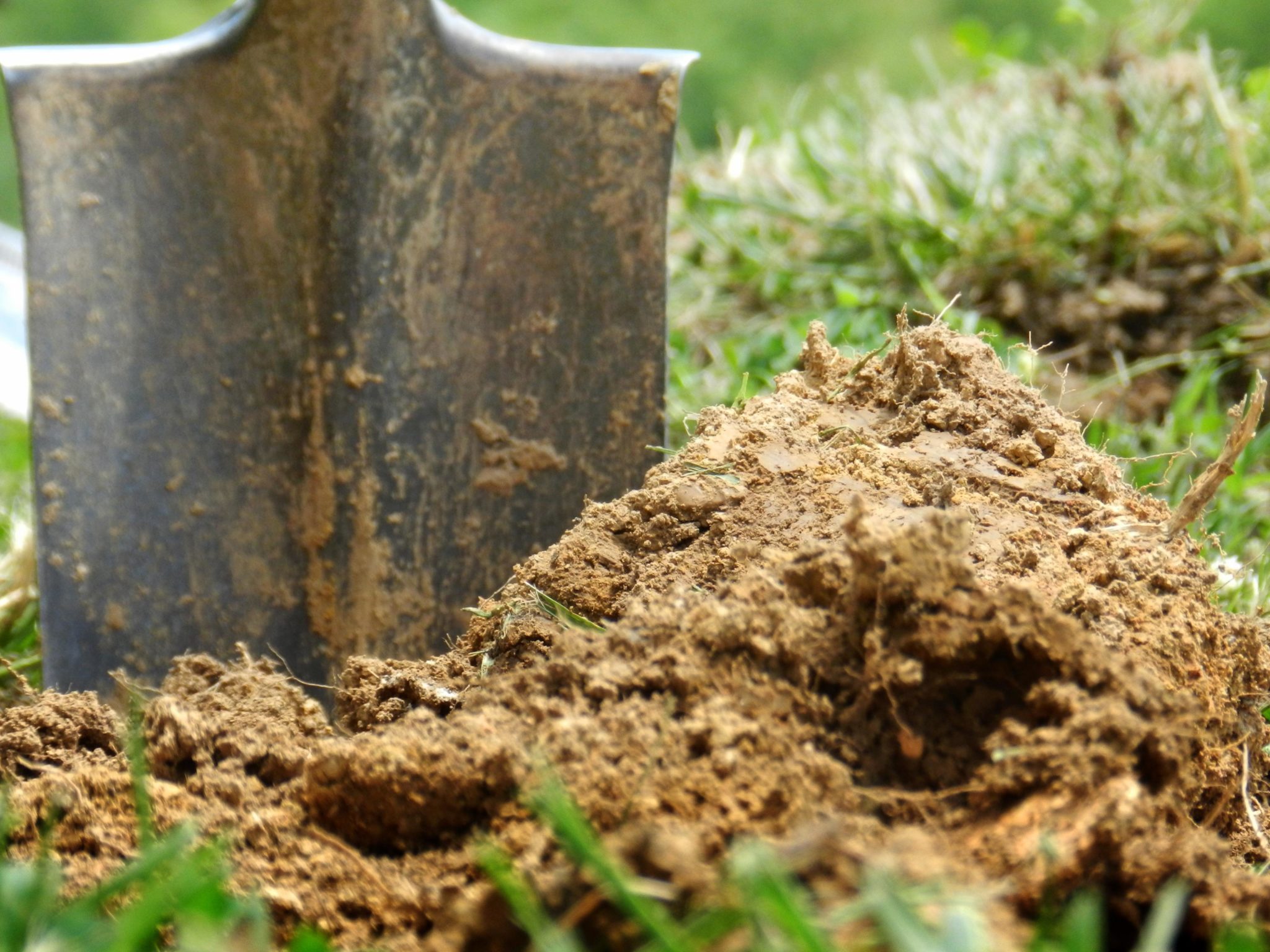
Obtaining seedlings
To grow seedlings, seeds should be planted in individual containers rather than in open ground. These containers should be filled with a special soil mixture that contains the necessary micro- and macronutrients. Select soil suitable for growing cucumbers. Planting seeds to produce seedlings is the same as in open ground. The seedlings are kept in individual containers until they develop several true leaves. Typically, it takes three weeks for good seedlings to form. After approximately 25 days, they can be transplanted into soil. Once the plant has 3-5 true leaves, it can be transplanted into a plastic or glass greenhouse.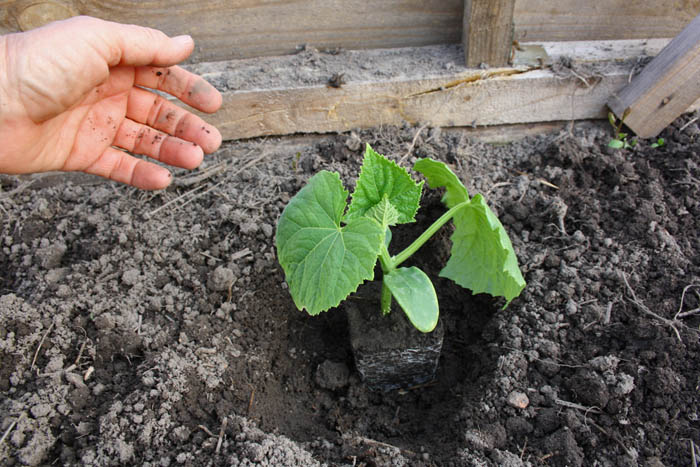
Seedlings grown in this manner should be transplanted to their permanent location only after all night frosts have passed. Mid-June is considered the optimal time for planting seedlings. In this case, planting should be done in rows. It is recommended to plant young plants deep into the soil up to the cotyledons. Subsequently, cucumber plantings require special care to ensure an excellent harvest throughout the growing season.
Growing cucumbers
This variety can be grown in both greenhouses and open ground, but requires specific care. Let's examine both cultivation methods in more detail.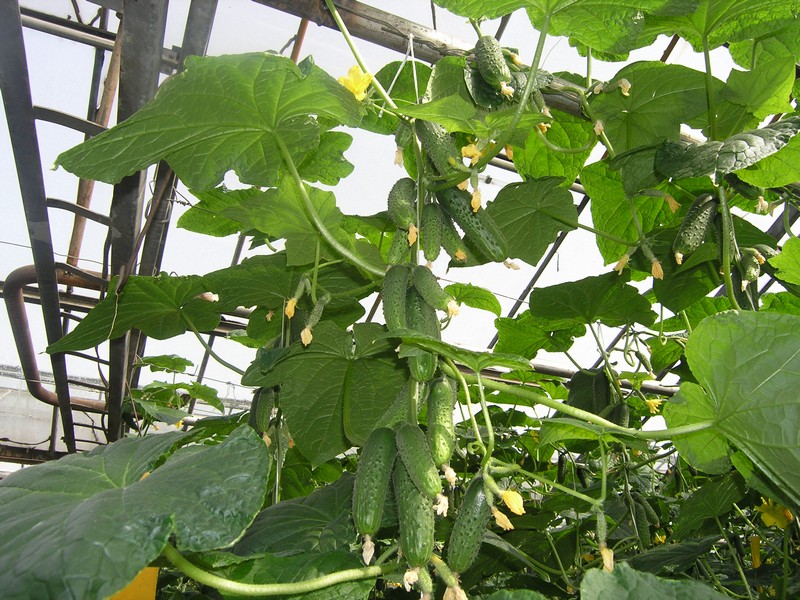
Growing this variety in a greenhouse basically involves properly organizing the following care aspects:
- Watering. Cucumbers should be watered only with warm water. Water 2-3 times a week;
- Mulching. This procedure should be carried out after each watering;
- Fertilizing. For top dressing, use foliar mineral fertilizers, bird droppings, or slurry. Apply the fertilizer after watering. Remember that potassium chloride-containing salts should not be used in this case;
- Hilling. After the third true leaf appears, you should begin hilling the plantings;
- Staking the bushes. Greenhouse bushes must be staked to ensure a significantly larger harvest, even in a small plot of land.
In addition, it's essential to maintain a specific microclimate in the greenhouse, primarily regarding temperature, light, and humidity. The greenhouse should be periodically ventilated to prevent diseases and pests. Even despite its high resistance to many diseases, a hybrid grown in a greenhouse can be susceptible to pathogenic microflora if care is not provided correctly.
To prevent diseases, plantings should be treated with a 1% Bordeaux mixture. Spray the bushes with it once or twice. Copper-based solutions can also be used. Chalk or slaked lime is recommended for this purpose. To prepare such a solution, follow the instructions on the packaging of the purchased dry solution. Treatment with such solutions should be carried out in July (the second half of the month).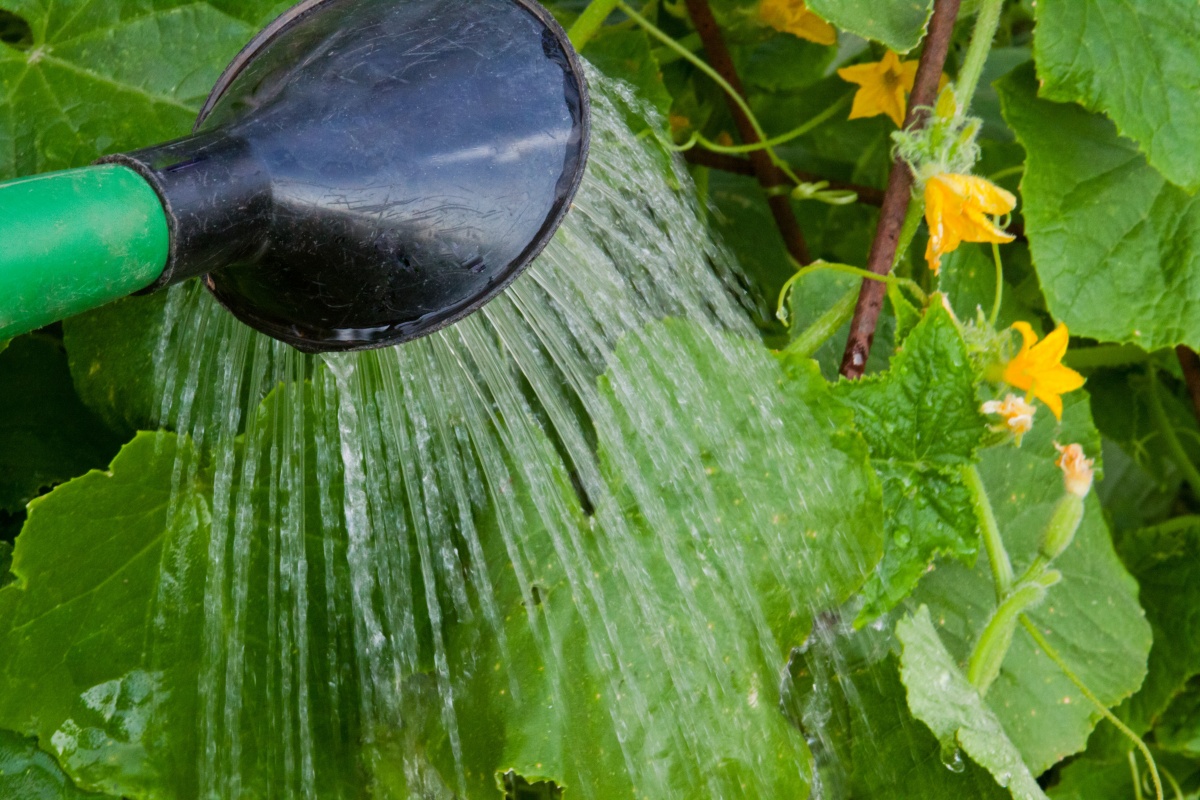
Don't forget about the need to shape cucumber plants. To do this, pinch off shoots regularly.
Fertilize the seedlings every two weeks once they've started growing. Use mullein (1 liter of mullein and 10 grams of ammonium nitrate dissolved in 10 liters of water). Apply approximately 2-3 liters of fertilizer per square meter.
A gardener growing this variety outdoors must follow the same care guidelines as in a greenhouse. However, shaping the cucumber bushes is not necessary, although this will reduce the yield. Since maintaining optimal growing conditions (temperature, light, and humidity) is quite difficult in this case, more frequent watering is recommended. The soil should not be allowed to dry out, as this will negatively impact the quantity and quality of the fruit.
One of the distinctive features of Herman's lily is its ability to climb well. Therefore, experts recommend using a trellis method of cultivation, where the bushes are trained using trellises. This method is also applicable for greenhouse cultivation. Here, trellises should be placed near walls, away from drafts. They can be made from stakes about a meter high. A slat should be attached to these stakes. Regular wire can also be used instead.
Using the trellis method, cucumbers are grown in two strips. Therefore, if the trellis is 50 cm high, the vines can be draped over it. However, if the trellis is tall enough, it is recommended to use regular twine. Keep in mind that pinching is not necessary in this case, as this variety is considered early maturing. Therefore, pinching is not necessary.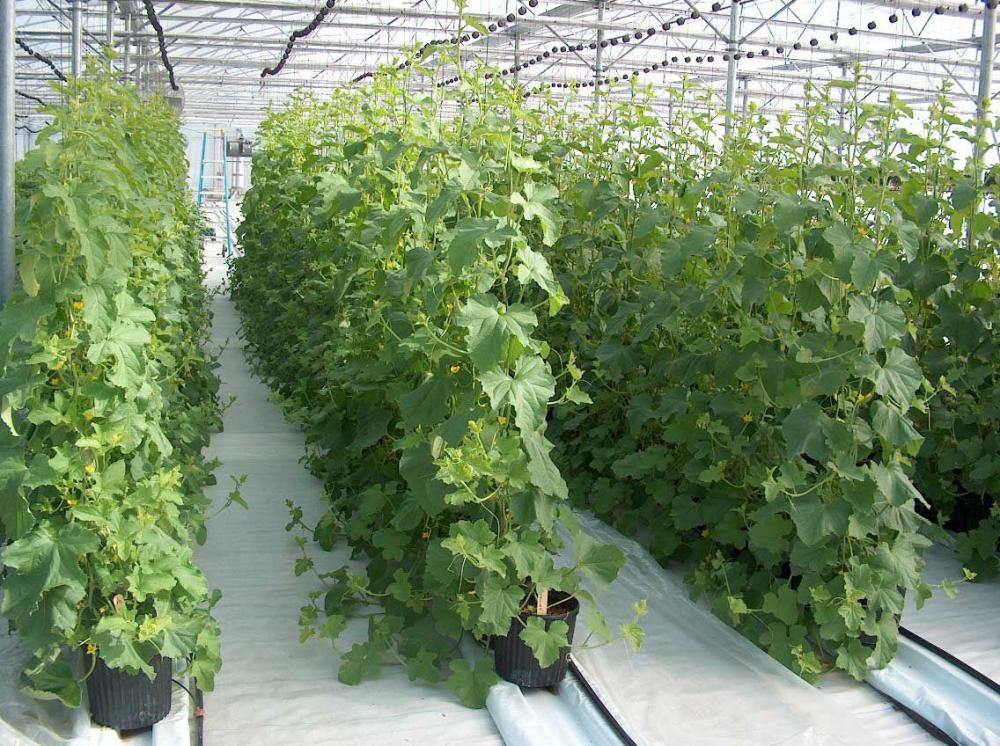
Also, in open ground, plants in garden beds will be more susceptible to various insect pests and diseases. To prevent this, the beds should be mulched and treated with solutions that can prevent the development of infections and pests.
Due to improper care, cucumbers of this variety are often susceptible to downy mildew. This disease manifests itself as yellow spots on the upper side of the leaves and shoots. These spots resemble rust.
As we can see, growing Herman cucumbers in a greenhouse is a preferable option compared to planting them in open beds. This is because it's much easier to create the necessary conditions for a high-quality, tasty, and abundant harvest in a greenhouse.
Advantages and disadvantages
Every cucumber variety has its advantages and disadvantages. Herman f1 also has both positive and negative aspects. Let's start by examining its advantages, which have made it so popular.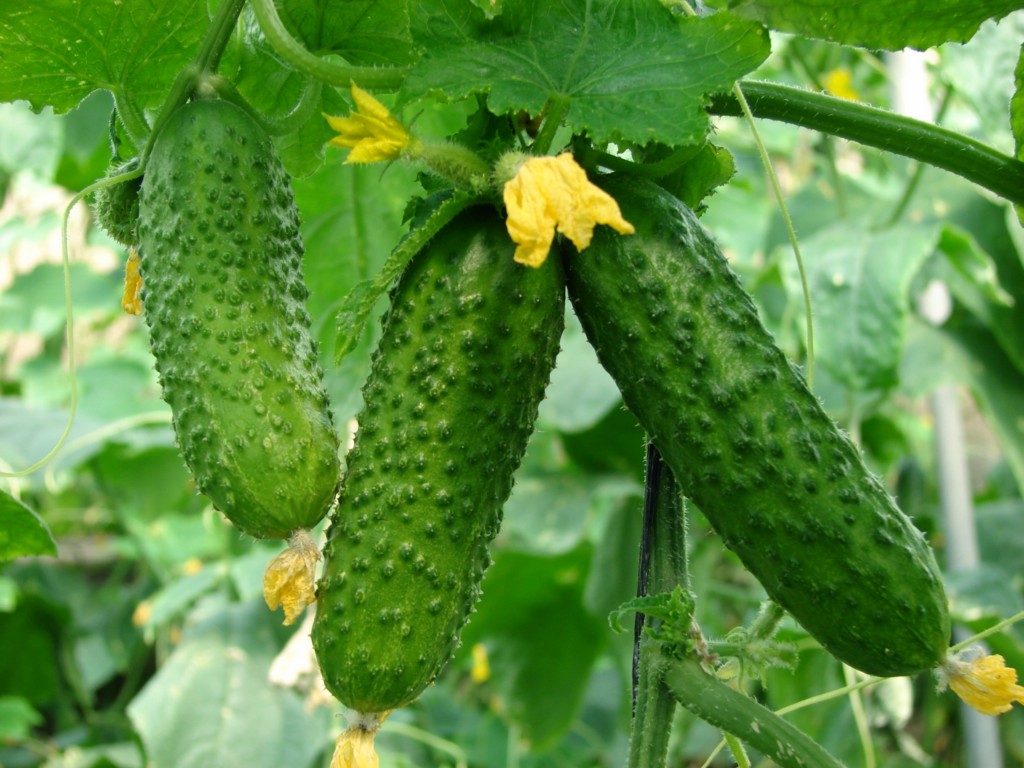
The advantages of this Dutch variety include the following:
- Plants can be grown both in open garden plots and in any greenhouses and hothouses;
- the presence of resistance to many diseases;
- ease of cultivation;
- cucumber bushes are characterized by their unpretentiousness;
- the fruits have excellent taste;
- The bushes produce a bountiful harvest, which begins to form quite early. This ensures a good harvest, but requires proper care. The first green fruits appear within 38-40 days after germination;
- care does not involve complex steps and can be easily carried out even by novice gardeners;
- characterized by stable crop formation;
- the fruits have excellent commercial properties;
- This is a self-pollinating variety. Therefore, insects (bees) are not required for cucumber production;
- the harvest is stored well and does not turn yellow.
It's worth noting that a good harvest can be achieved even with minor care errors. However, following all agricultural practices will significantly increase yields. Furthermore, when growing this variety, you don't need to worry about overripening cucumbers. This cucumber variety is ideal for growing in the southern and temperate latitudes of our country.
Herman's fruits can be used fresh in cooking. They are also excellent for canning.
The disadvantages include the plant's weakness during the seedling formation stage. This negatively impacts the survival of the seedlings in their permanent location. Furthermore, the plant does not tolerate frost and temperature fluctuations very well. If seedlings are planted in poorly warmed soil, there is a high risk of their death.
The Herman f1 cucumber variety is currently considered one of the most suitable for both greenhouse and open-ground cultivation. Its numerous advantages and minimal drawbacks have made it the most popular variety in recent years.
Video "Review of this cucumber variety"
From this video you will learn about the pros and cons of this type of cucumber.