
The best cucumber varieties for open ground
Content
Variety or hybrid – which is better?
These days, the variety of cucumbers is so vast that it's easy to make the perfect choice, suited to even the most challenging garden conditions and limited care options. But finding the perfect choice is impossible without careful preparation. Store shelves are filled with packaging featuring the names of well-known, high-yielding varieties and new arrivals, the vast majority of which are hybrids. So, which one should you choose?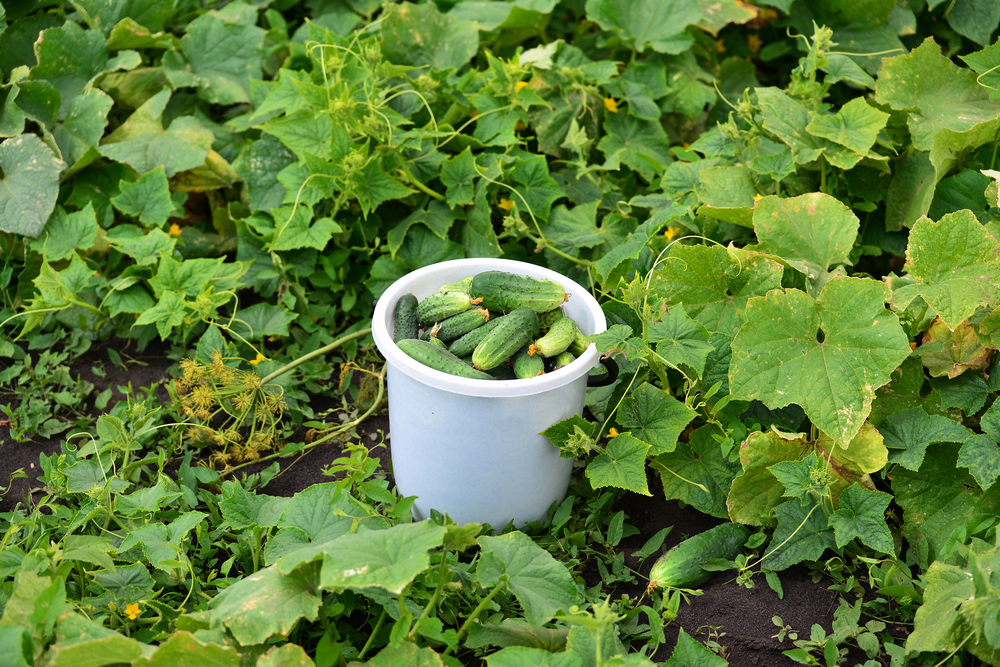
A variety is distinguished by its stable ability to pass on its characteristic traits and properties. This means that varietal cucumbers allow you to harvest your own seeds and grow your favorite plants for many years. Hybrids are a different story. A plant with the remarkable characteristics listed on the package can be grown only once. Seeds collected from the grown fruits, when further cultivated, will produce plants with completely different qualities. They may be low-yielding, sterile, or exceptional, which is unlikely. The outcome is difficult to predict. Seeds from F1 hybrids do not retain the characteristics of the mother plant.
The designation F1 (short for Italian Filli, meaning "children") indicates that this is a hybrid created by artificially cross-pollinating two different varieties. Seeds obtained in this manner produce first-generation plants distinguished by exceptional vigor, accelerated growth, and high yields.
The ability of hybrids to significantly surpass their parent varieties (often not the most outstanding) in all respects is called heterosis, which means "change" in Greek. F1 hybrids have increased immunity to diseases and pests, bear fruit successfully in the most adverse conditions, and the fruits are identical in size from the lower clusters to the crown.
The only way to grow your favorite F1 hybrid is to purchase seeds annually, the price of which is significantly higher than that of varietal cucumber seeds.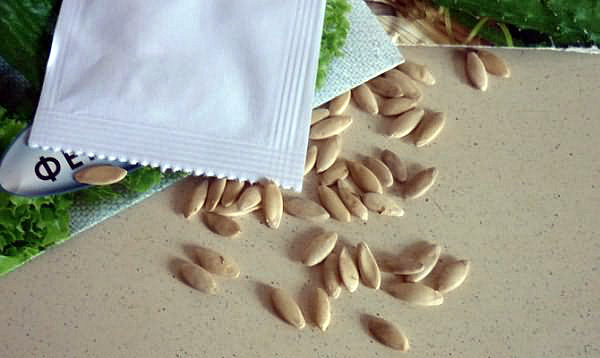
Selecting parental pairs for a hybrid is painstaking work that takes many years. Therefore, breeders keep the original varieties secret, maintaining the uniqueness of the resulting hybrid and protecting it from being copied. Pollination of the parental forms is carried out almost entirely by hand, which, of course, affects the cost of the seeds. The F1 group contains several hundred varieties, and new ones are constantly being added.
Let's look at the most popular and productive hybrid varieties:
- Herman F1 is a hybrid from the renowned Dutch company Monsanto. It is self-pollinating and has good stress tolerance. Main stem growth is limited by the fruit cluster. It is resistant to cucumber mosaic virus, cladosporiosis, and powdery mildew.
- Amur F1 will delight you with fruit 37-40 days after germination. The bush is vigorous and indeterminate. Fruit weigh approximately 100 g, grow up to 15 cm in length, and are covered with dense white spines. This variety is resistant to root rot.
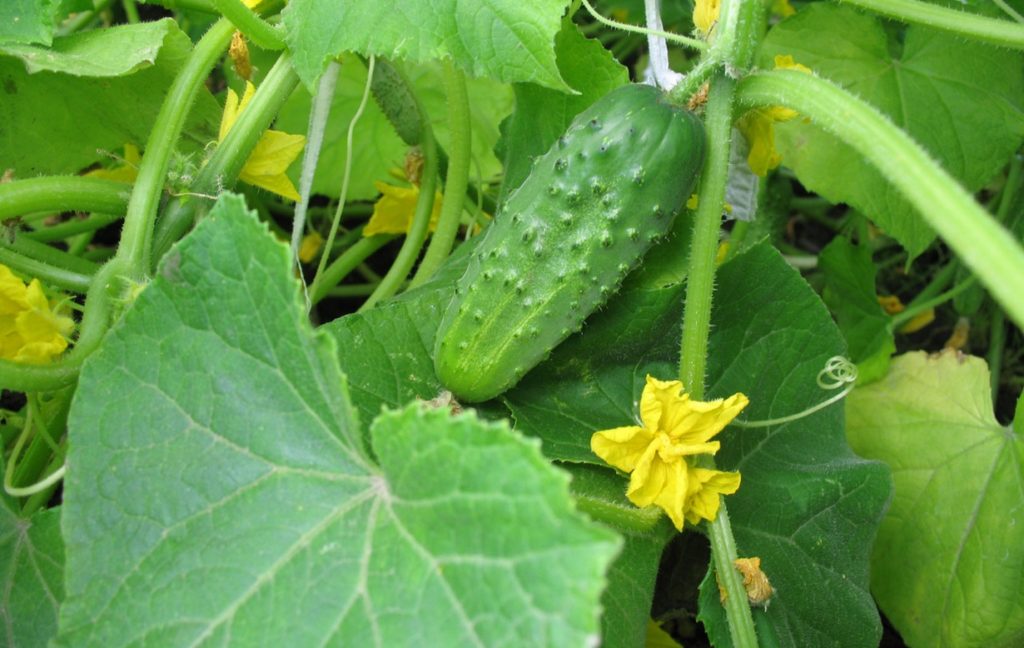
- Prestige F1 is approved by the Russian State Register for cultivation in the Central Black Earth Region and Western Siberia. Growth and branching are moderate. Flowers, primarily female, grow in clusters of 3-4. Dark green fruits with white tips weigh 65-90 grams. They are not prone to overgrowing and have excellent flavor.
- The F1 variety, "Boy Thumb," is characterized by medium branching and unrestricted growth of the main shoot (indeterminate). The fruits are small, gherkin-like, with numerous small tubercles and soft white spines. It bears fruit abundantly both indoors, in open beds, and indoors.
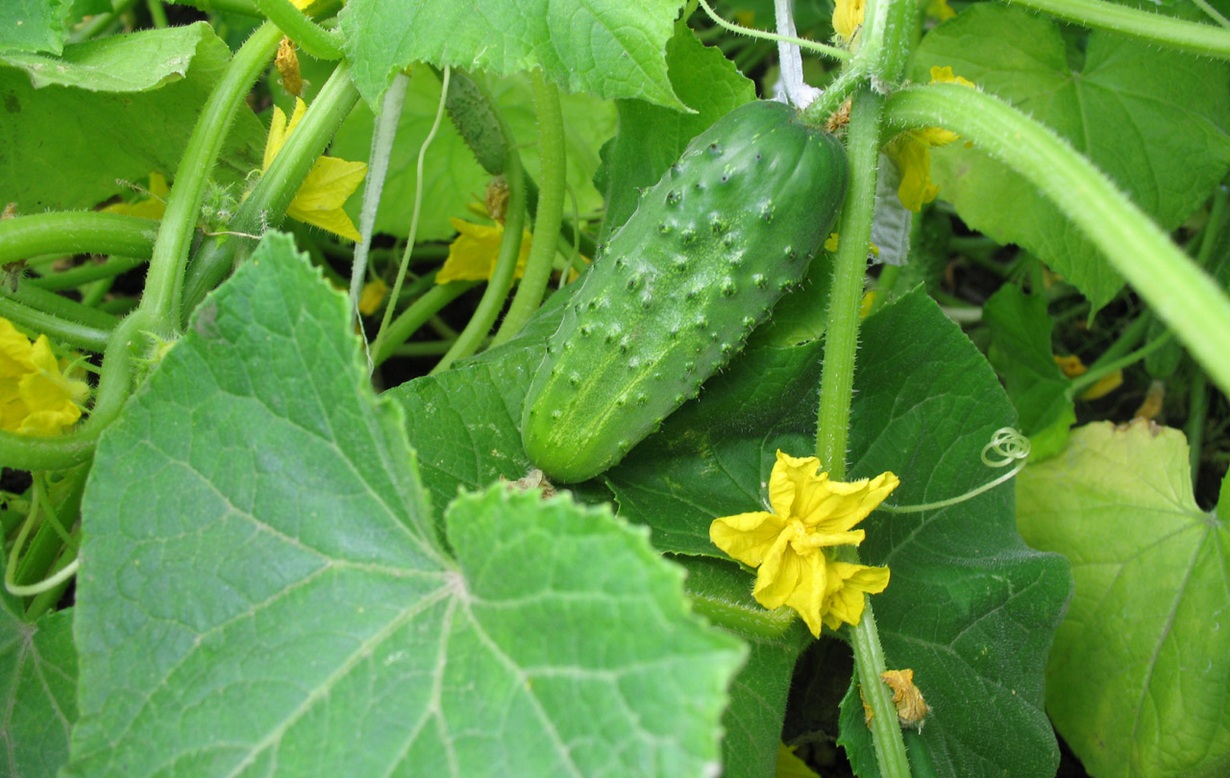
Domestic and international breeding farms are constantly developing new hybrid varieties, trying to anticipate growing consumer demand. This year, we're offering the following new varieties:
- To the envy of everyone, this F1 produces more than 6 ovaries per bunch. Self-pollinating, it has excellent pickling qualities. It fruit successfully in low-light conditions;
- General'skiy F1 is highly productive, even among hybrids. Up to 12 fruits are produced per node. It is shade- and cold-tolerant, significantly extending the fruiting period. It is genetically resistant to almost all diseases. Its culinary qualities are excellent. It is suitable for canning and can be grown in Siberia.
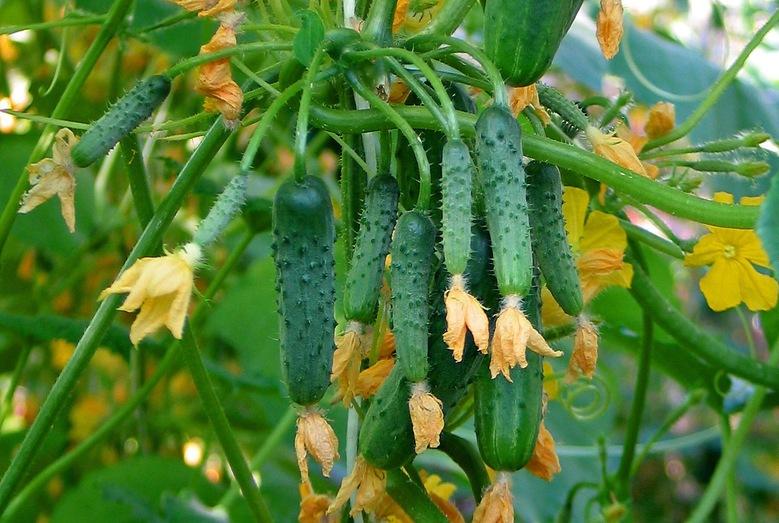
First-generation F1 hybrids produce consistently high yields with minimal care, are disease-resistant, withstand harsh climates, are forgiving of agricultural practices, and have excellent flavor and pickling qualities. It's no wonder that modern gardeners choose them. The only way to be disappointed with hybrids is if you buy counterfeit seeds instead of genuine ones. Therefore, you should buy seeds from specialized stores, packaged in branded packets from reputable manufacturers with a proven track record.
Video "Best Varieties"
From the video you will learn about the best cucumber seeds.
Varieties of varieties
Variety descriptions often contain unfamiliar words and unclear characteristics. To avoid making a mistake in your choice, you need to understand the benefits that specific characteristics can bring.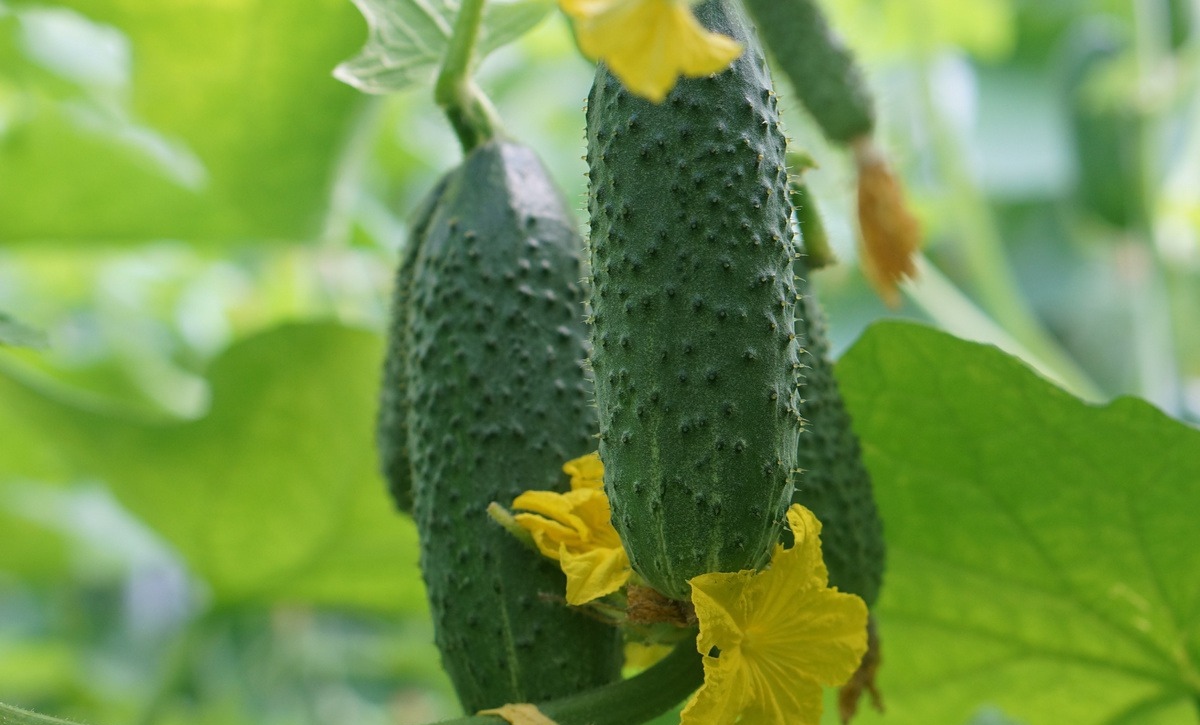
Based on the ripening time of the fruit, cucumber varieties and hybrids for open ground are divided into three groups:
- early maturing varieties, ripen 32-40 days after emergence;
- mid-season varieties bear fruit in 40-50 days;
- late varieties, reach commercial maturity in more than 50 days.
Early cucumber varieties impress with their short fruiting period, but are more susceptible to disease. Due to their poorly developed root systems, they produce fruit abundantly, but for a short period. Many early varieties are suitable for salads and are unsuitable for pickling. Mid-season and late varieties are distinguished by their high immunity to various infections and high yields.
Early varieties of cucumbers:
- Dynamite F1 begins fruiting in 40-43 days. The bush is not too dense, with a tall central shoot and medium-sized leaves. Cucumbers are slightly larger than 10 cm, green with large tubercles and brown fuzz. This variety is very productive, yielding up to 15 kg of produce per square meter.
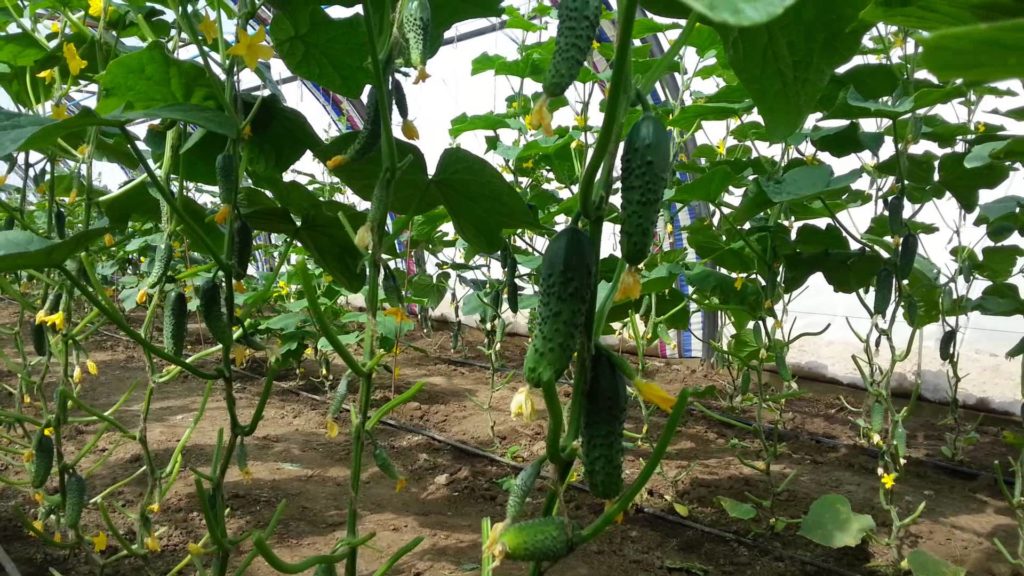
- Masha F1 begins bearing fruit 36 days after germination. Fruits form in clusters of 6-7. They are not bitter and are suitable for pickling and marinating. The original seeds are pelleted and require no pre-planting treatment.
Mid-season varieties:
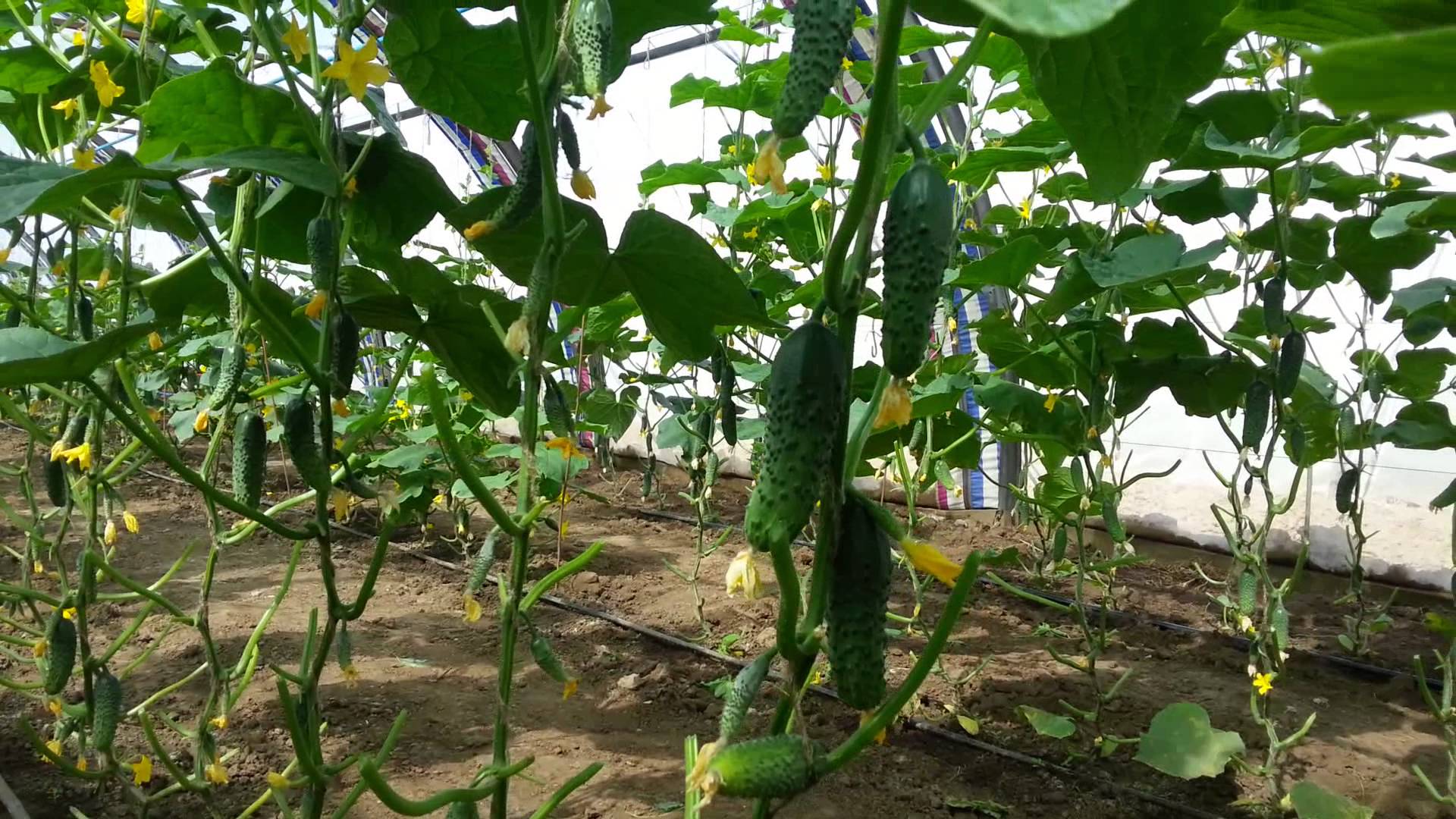
- Gunnar F1 is a Dutch, parthenocarpic, hybrid variety of tall, indeterminate type. It received a taste score of 4.9 out of 5.
- Aist is a bee-pollinated variety with vigorous growth (main shoot length 170-220 cm). The time from sowing to fruiting is 49-52 days. The fruits, with large tubercles and a solid black pubescence, weigh from 70 to 105 g. They are excellent fresh, pickled, and preserved.
Late varieties:
- The F1 Tournament is the benchmark for high yield. The main stem grows up to 3.5 m. The fruit surface is slightly tuberculate with sparse, light-colored, complex spines. The length is up to 15 cm. It is resistant to powdery mildew, downy mildew, and ascochyta leaf spot.
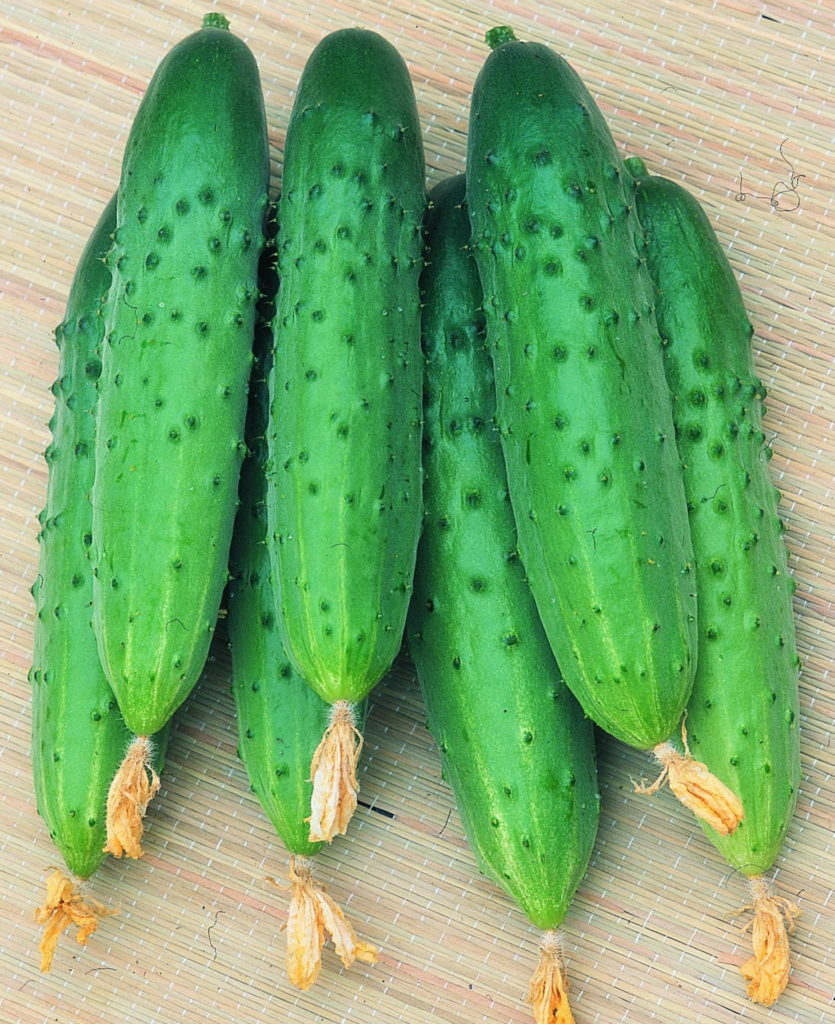
- Phoenix 640 is a variety that has remained popular since 1993. It is resistant to powdery mildew and downy mildew. The fruits are green, triangular in cross-section, and 15 cm long. Under normal conditions, they can be stored for two weeks without losing their marketable quality.
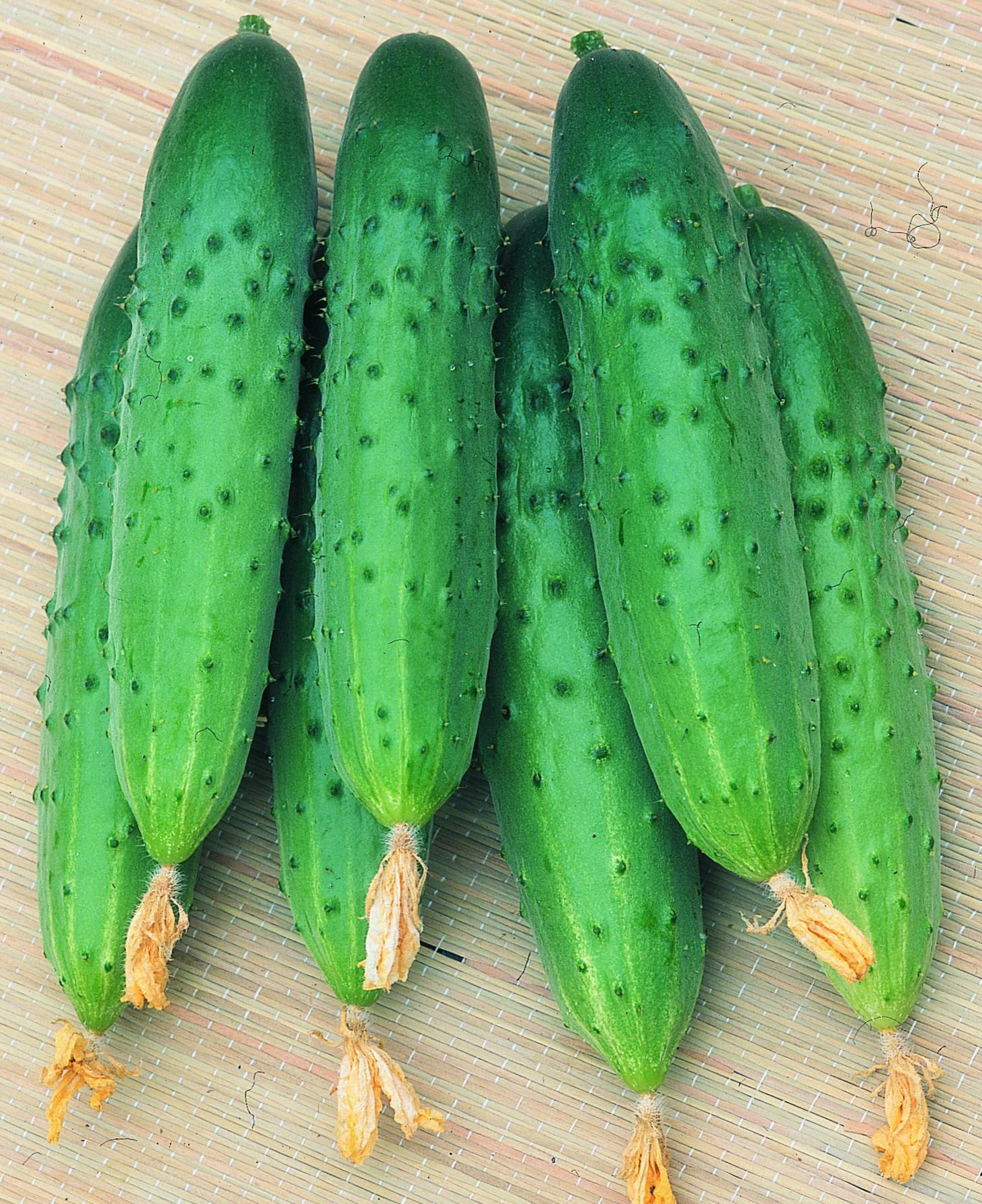
According to the pollination method, varieties can be:
- Bee-pollinated. This is a classic type of cucumber, requiring pollination by bees or bumblebees. Hybrids with predominantly female flowers require sowing pollinator seeds, which the manufacturer includes in the packet. These varieties typically produce a large number of barren flowers;
- Self-pollinating, whose flowers fertilize the stigma with their own pollen when exposed to moisture. Capable of producing seeds;
- Parthenocarpic, they form fruits without pollination and have no seeds.
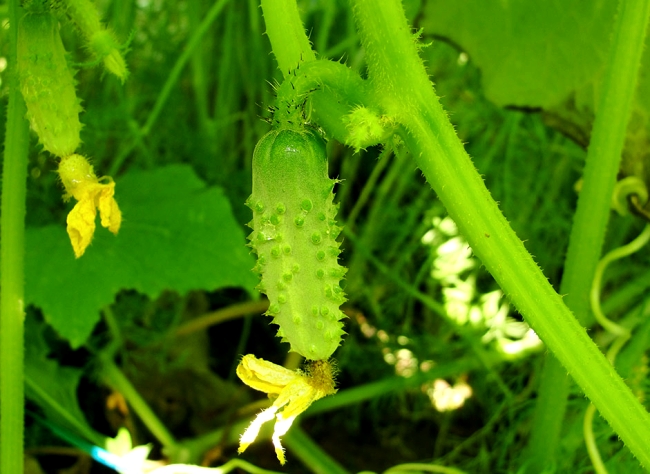
Bee-pollinated varieties boast enviable germination rates and resistance to adverse environmental factors. They are equal to, and sometimes even surpass, self-pollinated varieties in yield. However, given the declining population of these beneficial insects, the delay in fruit set, and the unfavorable weather conditions during flowering, the advantages of self-pollinated varieties are obvious. A disadvantage of self-pollinated varieties is their poor fruit set in hot, dry weather. They require at least a drop of dew for self-pollination.
Parthenocarpic forms were originally intended for cultivation in greenhouses, but today they are also successfully grown in open ground. These varieties are genetically endowed with a double set of chromosomes and form fruit through the proliferation of fetal and pericarp cells. The fruit of these varieties does not turn yellow, as they do not require seed ripening, and retains its attractive green color, firmness, and freshness for a long time.
Based on the way their shoots develop, cucumbers are classified as determinate or indeterminate. In determinate plants, the growth of the central shoot is limited to the formation of the terminal flower cluster, after which fruiting occurs on numerous lateral shoots. Indeterminate plants are characterized by unlimited growth of the main stem and a small number of weak lateral shoots.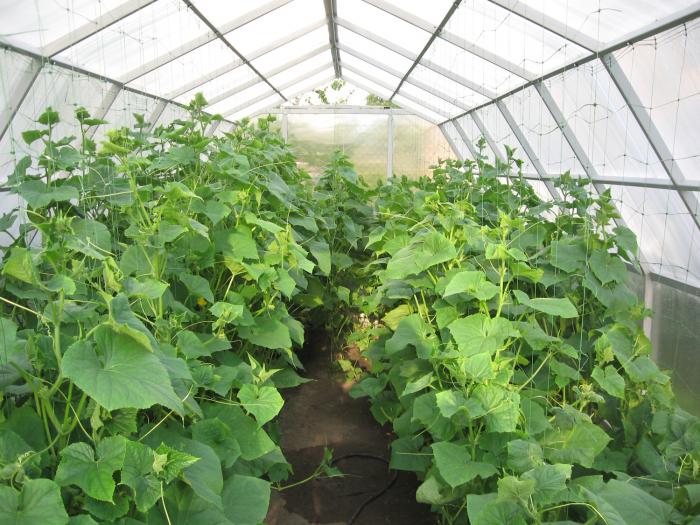
According to their intended use, cucumbers are divided into salad, pickling and universal.
Salad varieties:
- Forward F1 is a parthenocarpic, disease-resistant, late-ripening variety. Forward cucumbers are smooth, long, and have an excellent sweet and delicate flavor;
- White Angel F1 is a parthenocarpic, mid-season variety with clustered ovaries. Mature fruits are pale green. They are eaten fresh.
Delicious pickling cucumber varieties for open ground:
- Siberian Pickle F1 is a new variety that requires no pollination and ripens six weeks after sowing. The small, finger-sized, crisp cucumbers are ideal for pickling in jars.
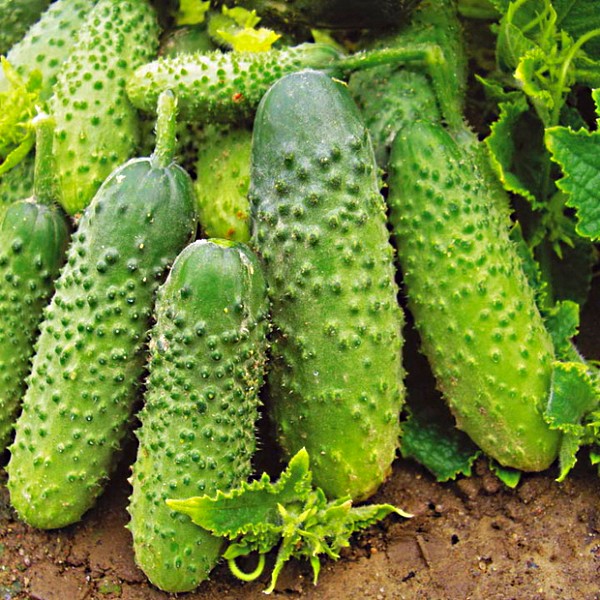
- Nezhinsky is an old, bee-pollinated, mid-season variety that is drought-resistant and very productive. It remains popular thanks to the excellent flavor of its large, tuberculate fruits with black spines.
- Konkurent is a very popular, long-vine, high-yielding variety with a mid-season ripening period. The spindle-shaped, emerald-colored cucumbers typically grow to 12 cm in length. This variety is widely grown in the central and central black soil zones.
- Eskimo F1 is a low-leaf, early-ripening parthenocarpic hybrid. The fruits are cylindrical, dark green with blurred whitish stripes, 8-10 cm long. They are versatile. Cold-hardy, making them suitable for the harsh Siberian climate.
How to choose seeds
When choosing, know that some of the work has already been done for you. All varieties are zoned, meaning they've been selected based on climate conditions. Cucumber varieties intended for open ground cultivation in Ukraine won't reveal their best qualities in Siberia.
- First, choose between a variety and a hybrid. If you prefer to harvest your own seeds and not rely on a store, choose a variety (Nezhinsky, Konkurent, Dzherelo, Lyalyuk, Phoenix 640). Keep in mind that different varieties should be grown far apart to prevent cross-pollination. If ease of care and yield are more important to you than the cost of purchasing seeds, choose a hybrid.
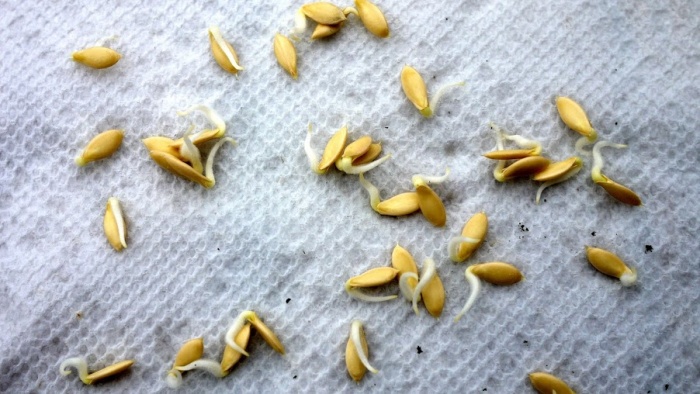
- The next choice depends on the conditions you plan to grow cucumbers in—a greenhouse, a loggia, or outdoor beds. In the first two cases, it's worth considering parthenocarpic hybrids (Klavdiya F1, Gunnar F1, Masha F1, Kolibri F1, Amur F1). For open ground, the choice is more complex. You can opt for bee-pollinated hybrids (Carambola F1, Atlet F1, Magnit F1, Kartel F1). In this case, check the seed package for pollinators (they are distinguished by their contrasting coloring), which compensate for the lack of male flowers to ensure better pollination of the hybrids. Self-pollinating hybrids are also a good choice (Matilda F1, Zyatek F1, Alliance F1, Orfey F1, Vsem na Envy F1, Dynamite F1), especially if the forecast predicts a rainy summer. Or you can choose between both. It's better to have your own experience than to rely on other people's advice. And don't forget to experiment with parthenocarpic plants in open ground.
- For winter cultivation in protected soil, choose shade-tolerant hybrid varieties (Estafeta F1, Berendey F1, Sarovsky F1, Vsem na Envy F1). They are late-ripening and have wide leaves, which promote better light absorption.
- Decide when to expect the harvest. To get a large quantity of cucumbers quickly, consider sprinter hybrids (Mels F1, Anzor F1, Vse Puchkom F1, Merenga F1). The harvest will take a little over a month. Mid-season and late varieties will ripen just in time for the canning season.
- It's time to figure out what you'll be using the future harvest for. If you're a raw foodist or simply enjoy fresh cucumbers, plant salad varieties (Bely Angel F1, Blagovest F1, Aprelskiy F1, Bazar F1, Bukhara F1, Makar F1, Forward F1). If you're destined for winter preserves, choose pickling varieties (Nezhinskiy, Konkurent, RMT F1, Tsygan F1, Samo Sovershenstvo F1, Fermer F1, Satina F1, Forsage F1). The variety's intended use is usually indicated on the packaging, but make sure the spines are black. Gherkin-type cucumbers (Sibirskaya Giryanda F1, Generalskiy F1, Puchkovoe Velesoplenie F1, Kolibri F1), all equally small, are good for preserving. Gherkin varieties will also be of interest to those who rarely visit their dachas and only harvest gherkins occasionally. These varieties produce fruits that don't overgrow.
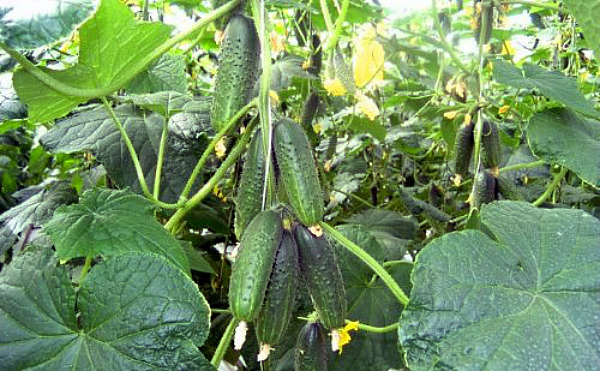
- For those looking for a large harvest from a small plot of land, indeterminate varieties (Gunnar F1, Emelya F1) are suitable. Their constantly growing stems can be placed on a tall trellis or twined around an arbor. Determinant varieties do not require a very tall trellis or constant staking, stopping growth at a certain point.
And finally, remember that the main criterion when choosing seeds is not a pretty photo or brightly colored packaging, but the quality of the seeds, which can only be guaranteed by a responsible producer with a good reputation. By following these recommendations, you can purchase excellent cucumber seeds, choosing the best varieties for open ground, greenhouses, and balconies, for the Yaroslavl region and Siberia.
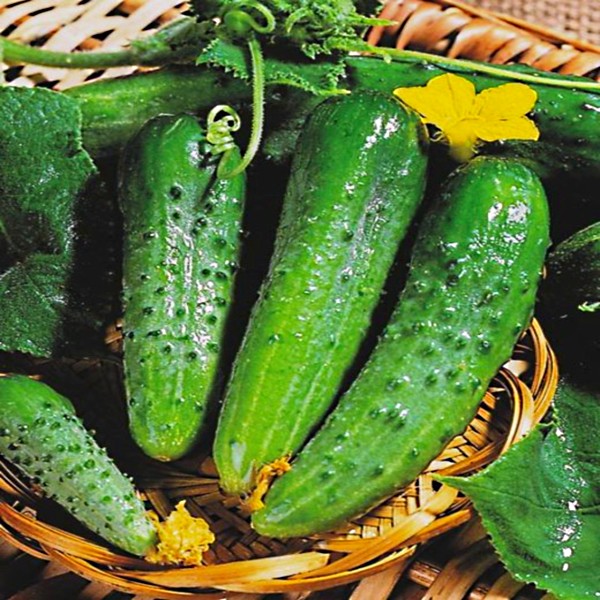
Video "Growing"
This video will show you how to grow a bountiful harvest of cucumbers in your garden.