
Cucumber "Zozulya" - the main characteristics of the variety
Content
Description of the variety
The Zozulya cucumber is the most successful development of breeders at the Edelstein Vegetable Experimental Station at the Timiryazev Agricultural Academy. This early-ripening (45-50 days) hybrid boasts high yields (8-12 kg/m²) and a remarkable ability to grow and set fruit in any conditions: greenhouses, open ground, indoors, and as a potted plant. This variety is characterized by abundant and prolonged fruiting (approximately two months), with massive fruit production during the first month.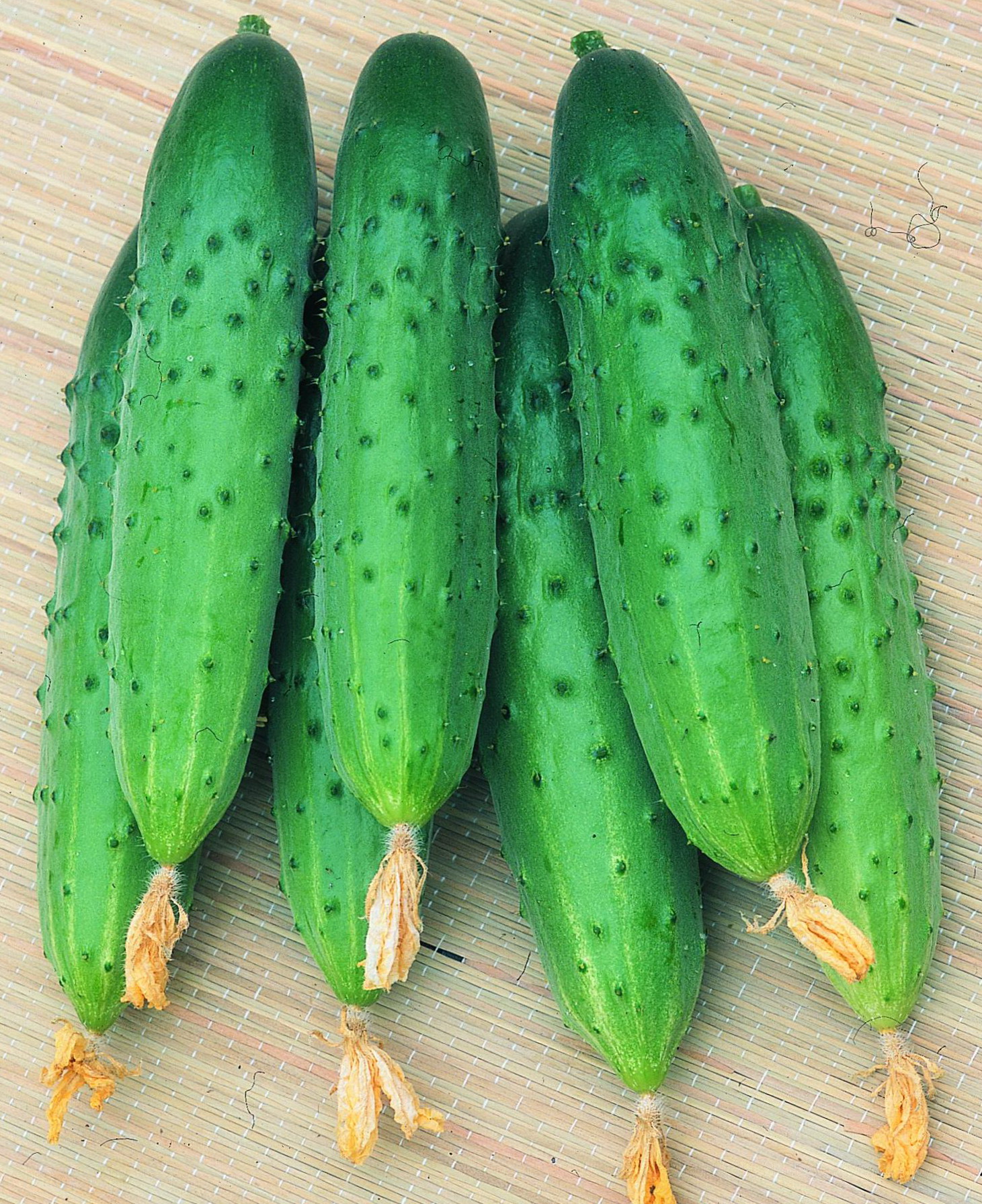
The Zozulya variety has a delightful, refreshing flavor. Its skin is very thin, dark green, smooth or slightly bumpy with small spines. The flesh is very juicy, yet firm and crisp. The aroma is distinct, the flavor is soft, slightly sweet, and completely devoid of any characteristic bitterness. The fruits are distinguished by their smooth, cylindrical shape, slightly tapering toward the bottom, and their size (15-25 cm). Harvested cucumbers store and transport well. They are versatile in their uses: pickling, canning, but their flavor is best revealed fresh in salads.
Zozulya is a partially self-pollinating cucumber, so it can be grown year-round in a greenhouse. The bushes are very massive, and the vines grow quickly, forming multiple ovaries in the leaf axils. The shoots have medium branching, with limited lateral branches, eliminating the need for side shoots. Other advantages of this variety include high disease resistance, relative undemanding conditions, and shade tolerance.
Video "Description"
From this video you will learn many new facts about the Zozulya cucumber variety.
Growing rules
The Zozulya variety is recommended for growing under cover: in greenhouses, hotbeds, and under plastic film, but it also performs well in open ground when planted from seedlings. Zozulya cucumbers can be grown in two ways: from seedlings and by sowing seeds directly into the soil. In southern climates, seeds can be sown directly into the soil. If planting is done very early, when night frosts are still possible, the bed should be covered with plastic film or other non-woven material until the sprouts emerge.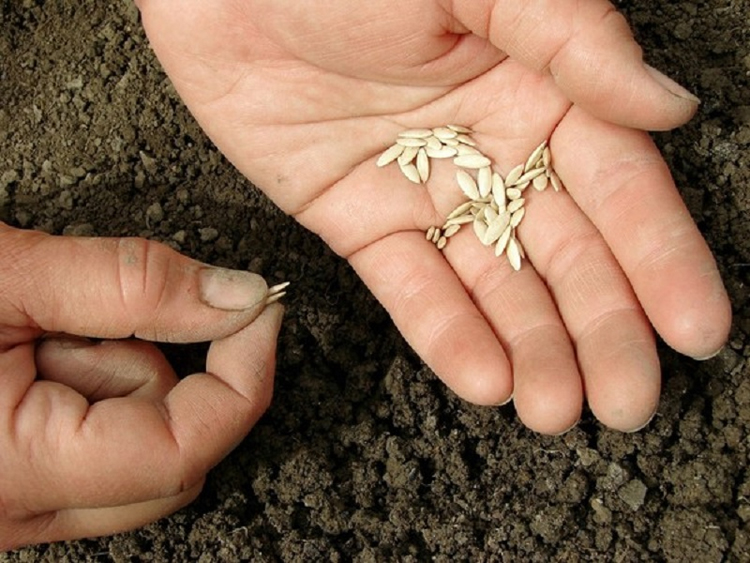
In northern regions, as well as in temperate climates with late spring, it is recommended to grow cucumbers only from seedlings. This method is also suitable for year-round greenhouse cultivation. Seeds for seedlings are sown approximately a month before the expected date of transplanting into the ground. If the seeds have been pre-soaked and sown in a well-drained, loose substrate, within a month the seedlings will already have 4-5 true leaves and are considered strong enough for transplanting.
Preparation of seed material
The health of plants and, consequently, their yield depend on the quality of the sown seeds, so it's important to select them carefully. First, the seeds need to be calibrated and then soaked in a disinfectant and growth-promoting solution (nitroammophoska and wood ash, 1 tablespoon per 1 liter of warm water). Store-bought seeds are usually already disinfected, so simply soaking them in warm water is sufficient.
To ensure earlier germination, it is recommended to germinate the seeds. This can be done by placing them in a moist environment for several days until the cotyledons open.
Most often, gardeners use the following two methods:
- a piece of gauze is folded in several layers, well moistened, seeds are placed on one half, and covered with the other half - the germination period is 3-4 days, during this time the fabric should be kept moist;
- Dry wood sawdust is soaked in boiling water, waited until it cools slightly, then the seeds are placed in a cloth and kept in wet sawdust until they open.
Sowing seeds
For successful germination, cucumbers require good, loose soil with sufficient nutrients. If seeds are sown outdoors, the soil should be light, enriched with humus, or enriched with additional organic matter. In a garden bed, seeds can be sown in rows or strips, planting no more than 1.5-2 cm deep. Sowing should be done in warm soil, after the threat of spring frosts has passed.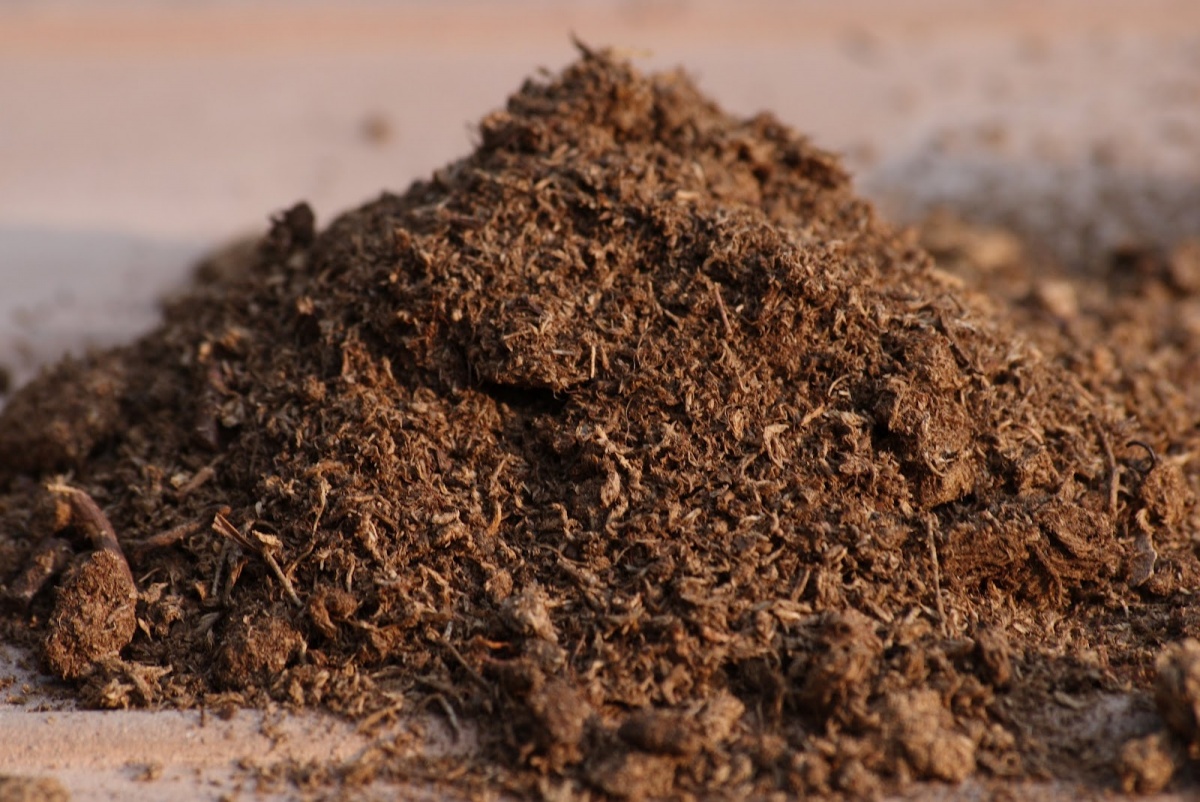
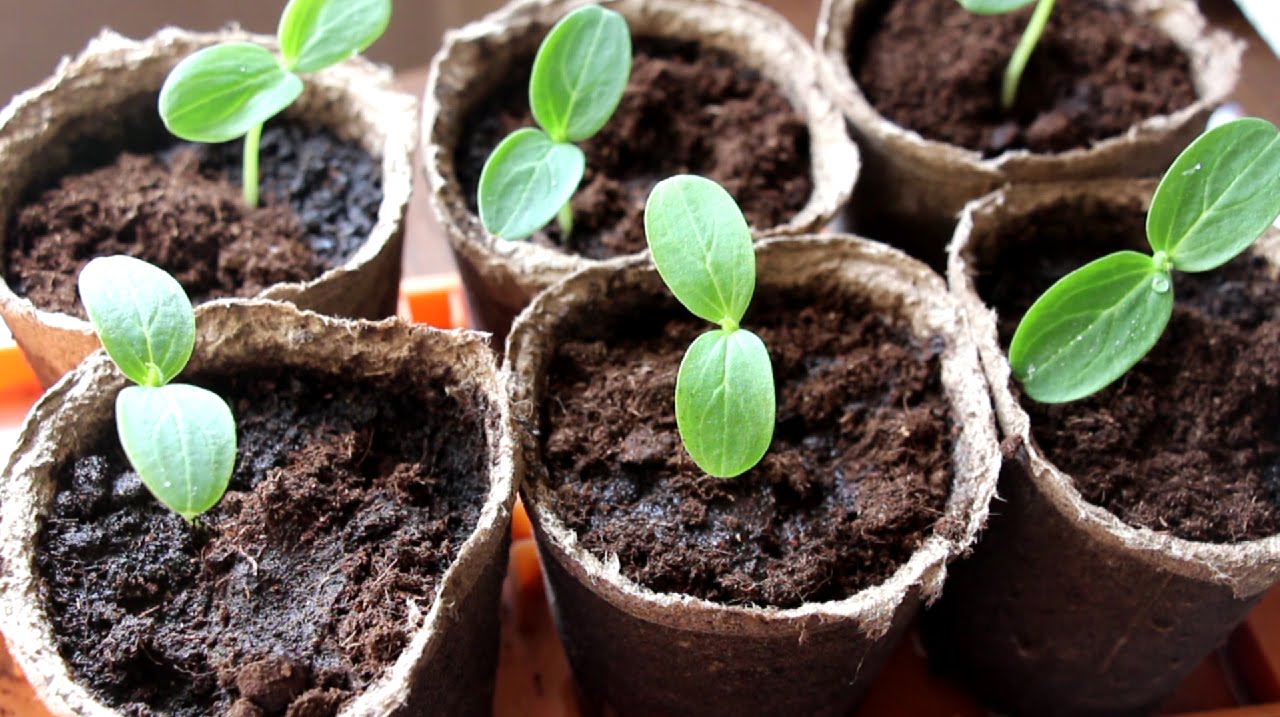
When growing seedlings in pots, it's best to use a peat substrate. It's lighter and more porous, but peat has one drawback: it dries out quickly, so it's important to constantly monitor the substrate's moisture. After sowing, cover the pots with plastic wrap and place them in a warm place. To ensure timely germination, maintain a consistent temperature: 25-28°C (77-82°F) before germination, 20-22°C (68-72°F) during the day, and 16-18°C (61-64°F) at night.
Caring for seedlings
Further care of the seedlings consists of the following activities:
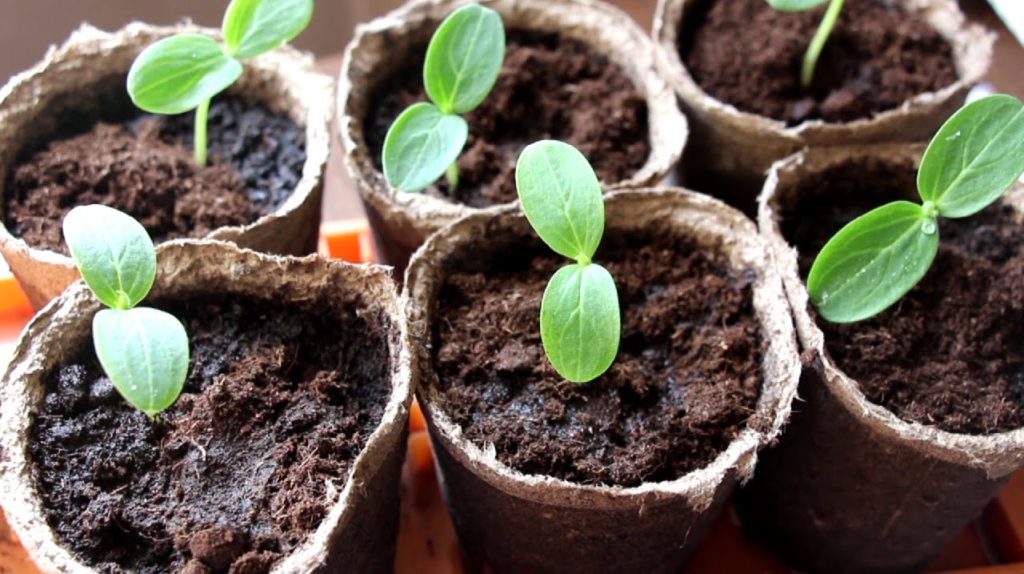
- when the first sprouts appear, the film should be removed and the temperature should be reduced slightly;
- The seedlings need to be watered frequently, every 1-2 days, but not overwatered - the substrate in the pot should always be slightly moistened, and settled water should be used for watering;
- During the month, you should feed the plants with a urea solution a couple of times;
- on cloudy days, sprouts require additional lighting;
- It is always necessary to monitor the air temperature level - it is very important that the plants do not get too hot, otherwise they will stretch out;
- Young seedlings do not tolerate drafts and temperature changes well - if the pots are located on windowsills, then opening the windows at this time is not recommended;
- Shortly before transplanting into the garden bed, the seedlings should be taken outside to acclimate – the hardening procedure is carried out only in sunny weather and lasts no more than half an hour.
Transplantation to ridges
Transplanting seedlings into open ground occurs in late spring, when the soil warms up to 15°C (mid- to late May). To ensure cucumbers take root and grow quickly, the soil should be well-fertilized with organic matter. To do this, mix regular garden soil with high-quality compost. In colder regions, gardeners often use a compost bed. A small trench is dug, a layer of compost is laid in it, and then soil is added on top. This approach not only provides nutrition but also warmth to the plants, as compost releases heat as it decomposes.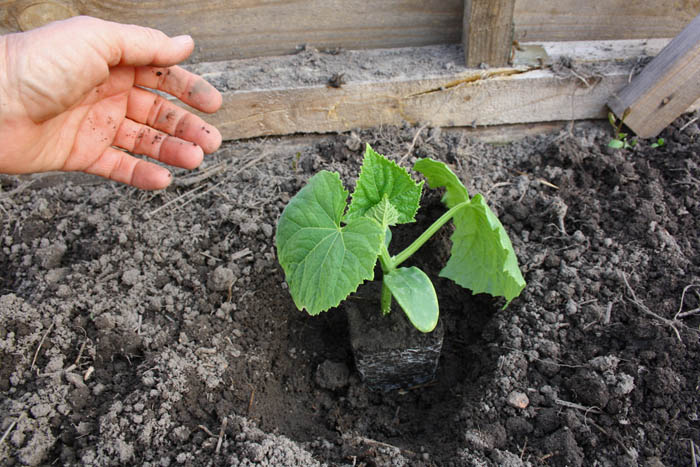
The seedlings should be at least 25-30 days old at the time of transplanting. Planting is done using a 50x30 pattern, where the first number is the distance between rows and the second is the distance between holes. The seedlings are planted no more than 2-3 cm deep, with 2-3 seedlings per hole. The plants are transplanted from the pot along with the soil they were growing in. After planting, water and mulch the bed. If nights are cold, it is recommended to cover the bed with plastic film in the evening, and remove the cover in the morning when the sun appears.
Care Features
In general, caring for the Zozulya cucumber variety is standard, but since it is a hybrid variety, there are certain characteristics that may affect fruiting to some extent:
- the most active formation of the ovary occurs in a certain microclimate: a temperature of about 25°C and well-moistened soil;
- the beds are watered in different regimes: from planting to flowering 1 time/4-5 days, during the formation of ovaries - 1 time/2-3 days;
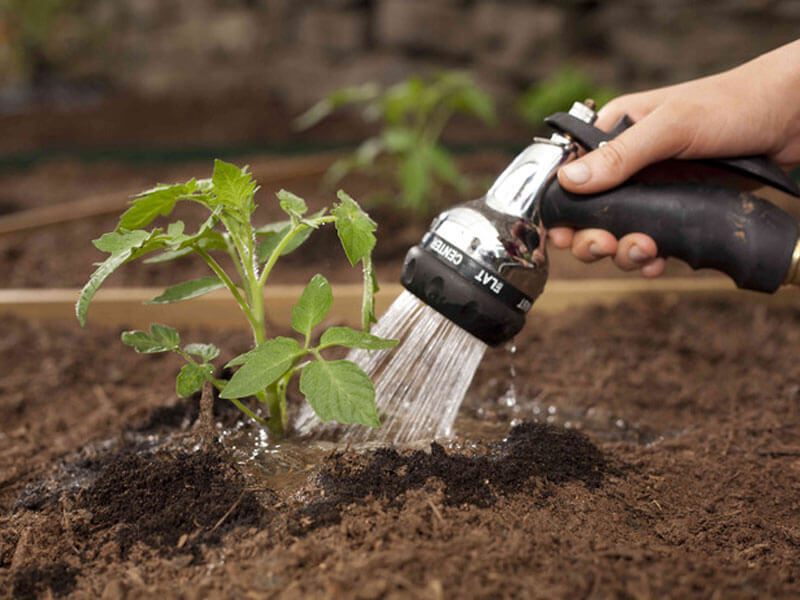
- cucumbers of this variety do not get along with weeds, so the bed needs to be frequently weeded and loosened;
- During the growth of the shoots, the roots may become exposed - in this case, the bushes need to be hilled up;
- This variety is not characterized by the formation of multiple lateral shoots, therefore pinching of cucumbers is recommended;
- pinching of the main shoot is carried out above the 5-6 leaf; this procedure promotes the appearance of lateral shoots, due to which the formed bush forms more ovaries and fruits;
- To facilitate care, harvesting, and to prevent the greens from coming into contact with the ground, it is recommended to install trellises and tie the vines to Zozulya cucumbers;
- Before flowering, it is advisable to carry out foliar feeding with a urea solution;
- To extend the fruiting period, the bed can be periodically fertilized with nutrient solutions of manure. Cucumbers of this variety also respond well to the application of "Aelita Vegetable" or "Uniflor Micro" preparations.
-
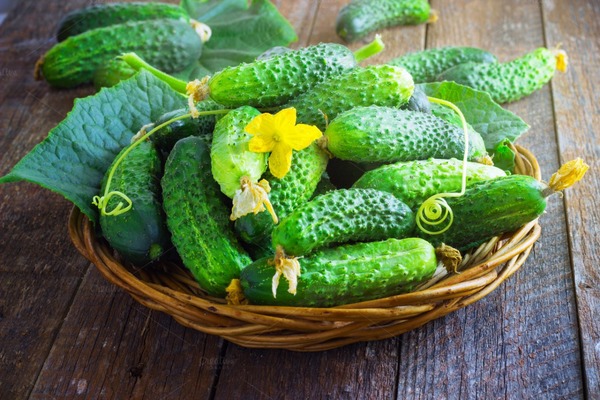
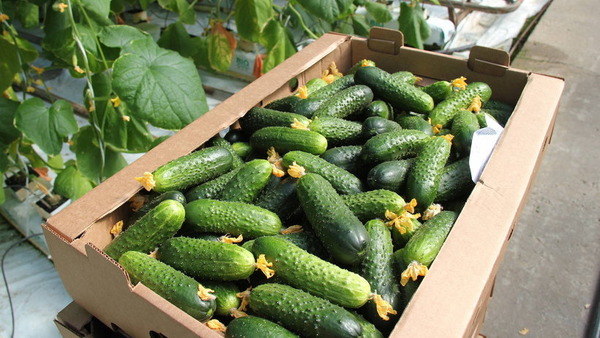
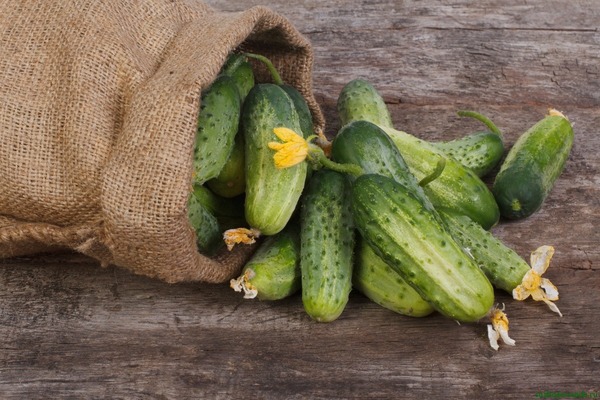
Under favorable conditions, the first harvest can be achieved in as little as 45 days. Once fruiting begins in earnest, harvesting should be done regularly, at least once every two days. Delaying harvesting will delay the formation of new ovaries. During fruiting, ensure the soil is always moist, as cucumbers grown in dry soil will become bitter.
Video "Growing"
This video will show you how to grow cucumbers properly.