
Nezhinsky cucumber: growing and care features
Content
Description of the variety
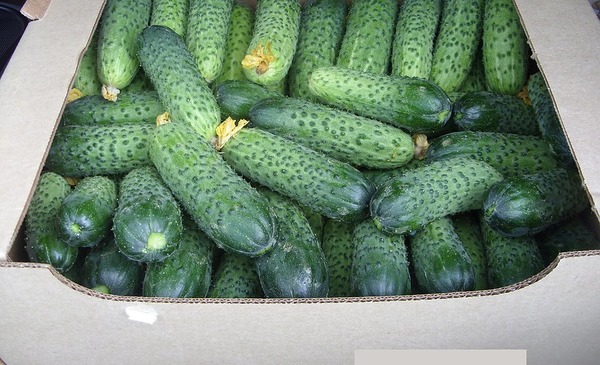
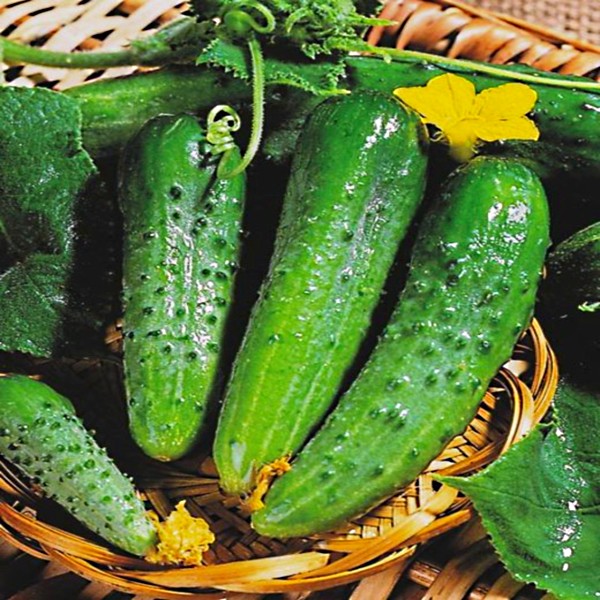
In terms of ripening time, the Nezhinsky cucumber is classified as mid-late or late. Depending on the climate, fruiting begins 47-65 days after germination. A description of this variety should perhaps begin with the excellent taste for which cucumbers of this variety are so prized. The flesh is truly juicy, dense, crisp, and slightly sweet. The skin is thin, dark green, bumpy, and studded with small black spines—a trait believed to indicate a high capacity for natural fermentation (with the addition of salt only).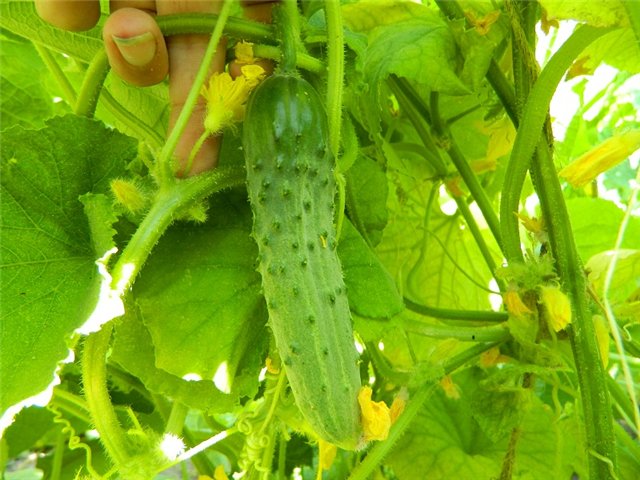
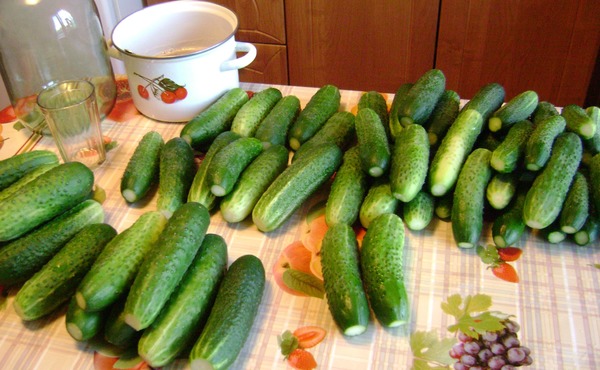
Cucumbers are characterized by vigorous growth. Their vines can reach 2 meters in length, and the number of lateral shoots can number as many as two dozen. The varietal characteristics are no less attractive. The plants tolerate temperature fluctuations (drought, cold snaps) well and are resistant to cucumber mosaic and cladosporiosis. The fruits are versatile, equally delicious fresh, canned, or pickled.
Video: Description of the Nezhinsky cucumber variety
From the video you will learn about the characteristics of this cucumber variety.
Agricultural technology
The delicious "Nezhinsky" cucumber variety is recommended for growing outdoors under plastic cover. While greenhouse planting is also possible, high yields are not expected, as this variety requires natural pollination and, due to its long vines, requires ample space to grow.
Cucumbers can be grown either from seedlings or by sowing seeds directly into the ground (the seed method is more common). Sow seeds in warm soil (mid-May) after pre-soaking. The recommended planting distance is 30 cm between holes and 50-60 cm between rows. When planting, the seeds should be planted no more than 2.5-3 cm deep.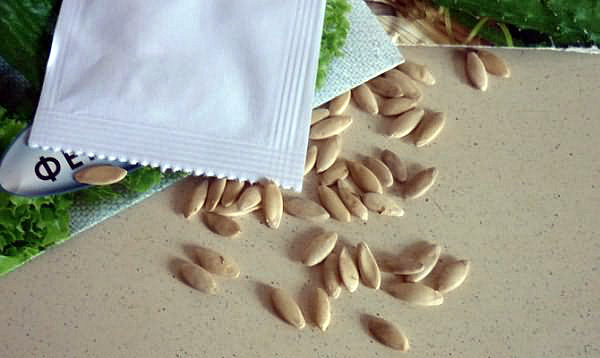
The variety performs best when grown on raised beds using trellis supports. To create a raised bed, dig a trench about 30 cm wide and deep, place a 15 cm layer of organic matter (humus or compost) on the bottom, and then mound soil on top of the fertilizer to form a raised bed. Cucumbers are sensitive to soil, so it's important to practice crop rotation and choose the right predecessors—they grow best after nightshades and legumes.
Growing
Cucumbers of this variety are moisture-loving and demanding in terms of light. While they can tolerate light shade and occasional drought, if you're hoping for abundant and long-lasting fruiting, the bed should be located in a sunny spot and trellis-grown.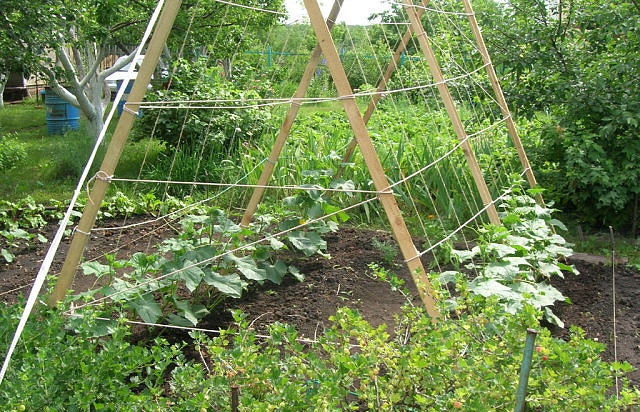
Training bushes on a trellis allows for impressive yields. For example, if the vines are simply allowed to unravel along the ground, the yield per square meter of bed will be 3.5-4 kg, while the trellis method can increase this figure to 30 kg over the course of a season.
Like all varieties requiring cross-pollination, Nezhinsky produces flowers of both sexes, but with a predominance of males, which naturally affects the number of ovaries. To even out the number of flowers, pinching the vines is recommended. According to experienced gardeners, this procedure promotes the development of lateral shoots, which are where the main crop is produced.
Care
The soil in which cucumbers grow should always be slightly moist, but not wet. Water the plants once every 2-3 days, or daily during extreme heat. It's best to water in the evening using a drip irrigation system. If this isn't possible, water at the roots, avoiding excessive moisture on the leaves. After each watering, loosen the soil slightly and hill up the plants. If the bed is mulched, hilling and loosening the soil are unnecessary.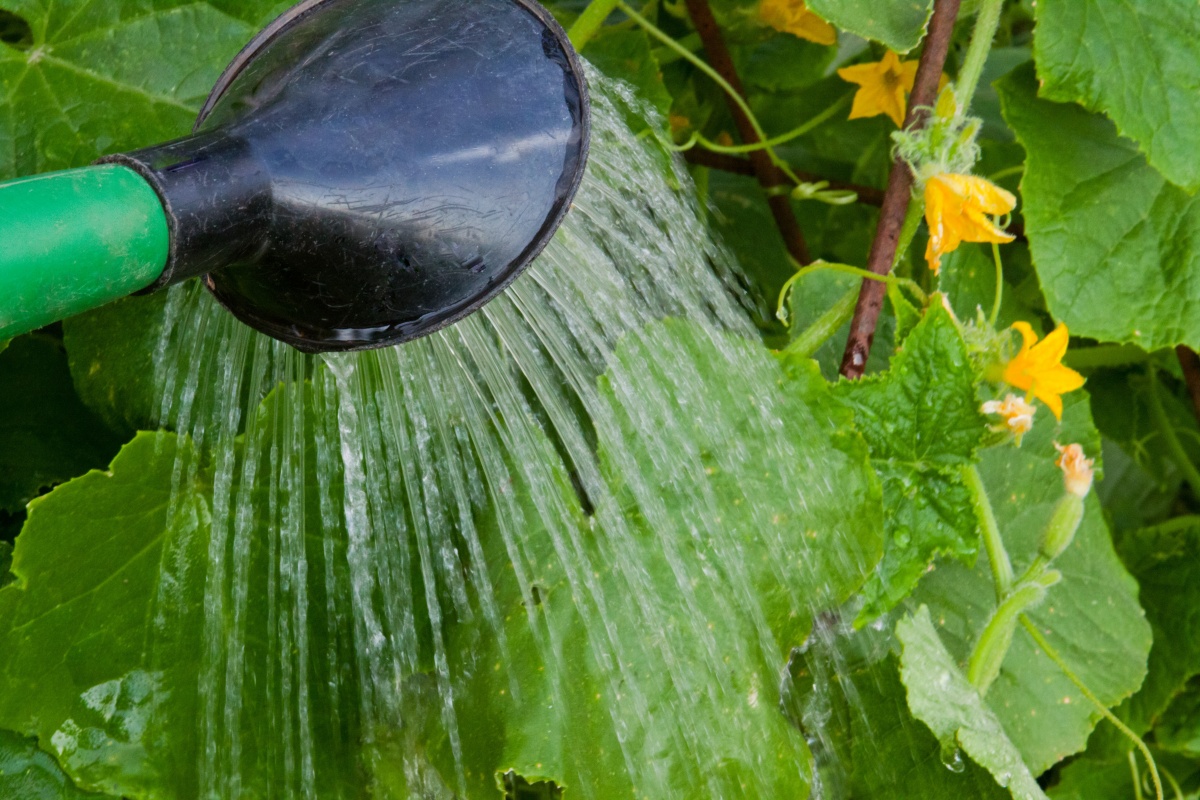
As soon as the first shoots appear, thin the rows, leaving the strongest shoots at least 20 cm apart, and install a trellis. It's best to build the support immediately, as the vines will begin to grow rapidly, requiring almost daily staking of the new shoots. When staking the vines, ensure that the leaves do not touch the ground to prevent fungal infections.
Fertilizing is crucial for the healthy development of cucumbers, especially during the fruiting period. Since plants respond equally well to both mineral and organic fertilizers, it's wise to alternate between root and foliar application.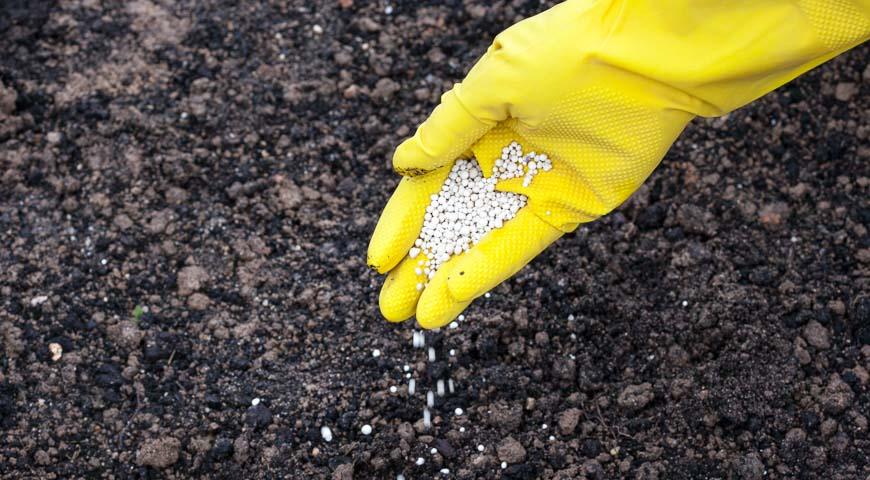
During fruit set and ripening, cucumbers require micronutrients. At this stage, they can be sprayed 2-3 times with a urea solution (50-70 g per 10 l of water) with the addition of boron (2-3 g of acid), potassium permanganate (3-4 g of potassium permanganate), and copper sulfate (2-3 g). Alternatively, you can use "green" fertilizer (weed infusion) at a 1:5 ratio, bread and yeast infusions, and a manure solution (1:10) or litter (1:15). Ash at a ratio of 1 cup per 10 l of water is considered the best potassium fertilizer.
Timely harvesting (once every two days) is also a key care measure, as this variety exhibits a pattern: the more frequently the fruits are harvested, the faster new ovaries form. Following these simple steps will ensure a stable harvest of vitamin-rich vegetables throughout the summer season, as prolonged fruiting until autumn is a distinctive feature of the "Nezhinsky" variety.
Video: Growing Cucumbers
This video will show you how to grow cucumbers effectively.