
How to properly grow Lukhovitsky cucumbers
Content
The history of Lukhovitsky cucumbers
This cucumber variety gets its name from its growing area, Lukhovitsy. This area is located in the Oka River floodplain. It's part of the Moscow region and is characterized by a unique microclimate.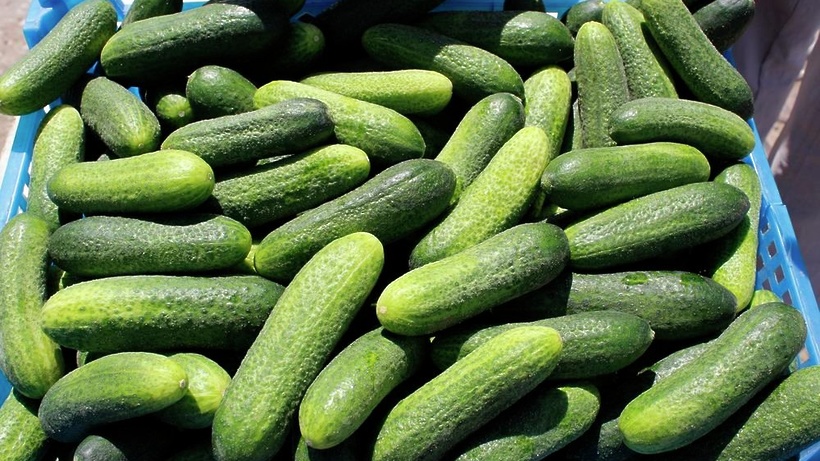
Before the revolution, farmers in the Lukhovitsy region preferred livestock farming and fishing. But after the events of that era, large-scale plowing of lands in the river floodplain, previously allocated for vegetable gardening, took place. People discovered that cucumber bushes yielded the most abundant and delicious harvest on these lands. As a result, gardeners developed a special technology for growing this crop.
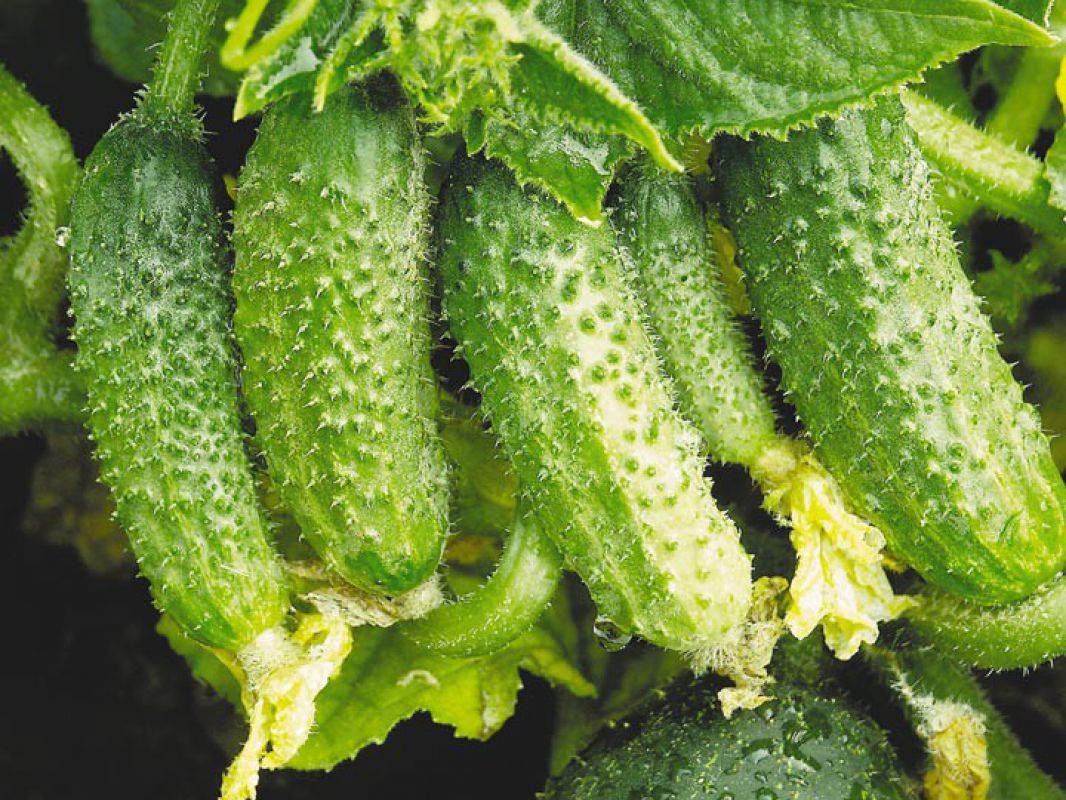
The vegetables grown here have the following characteristics:
- always solid;
- they crunch when squeezed;
- have characteristic pimples;
- no more than 6-7 cm in length.
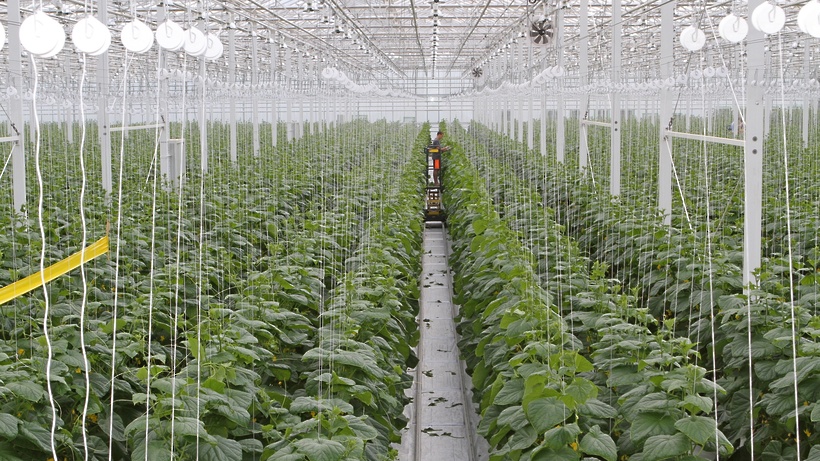
The above characteristics are shared by all varieties grown using a specially developed technology. They can be grown both in a greenhouse and in regular garden beds.
Description and characteristics
Lukhovitsky cucumbers are a collective name. They don't refer to one specific variety, but to several. All of them are grown using a specific technology to achieve specific qualities (firmness, crunch, etc.). This description applies to all varieties grown using the Lukhovitsky technology. Thanks to this technology, any variety will possess the characteristics described above.
During the Soviet era, the Izyashchny variety and the Libelle hybrid were the most popular in this region. Today, many gardeners grow Dutch and domestic varieties. However, to produce authentic Lukhovitsy cucumbers, local gardeners prefer cold-hardy varieties, as well as those with excellent resistance to various diseases.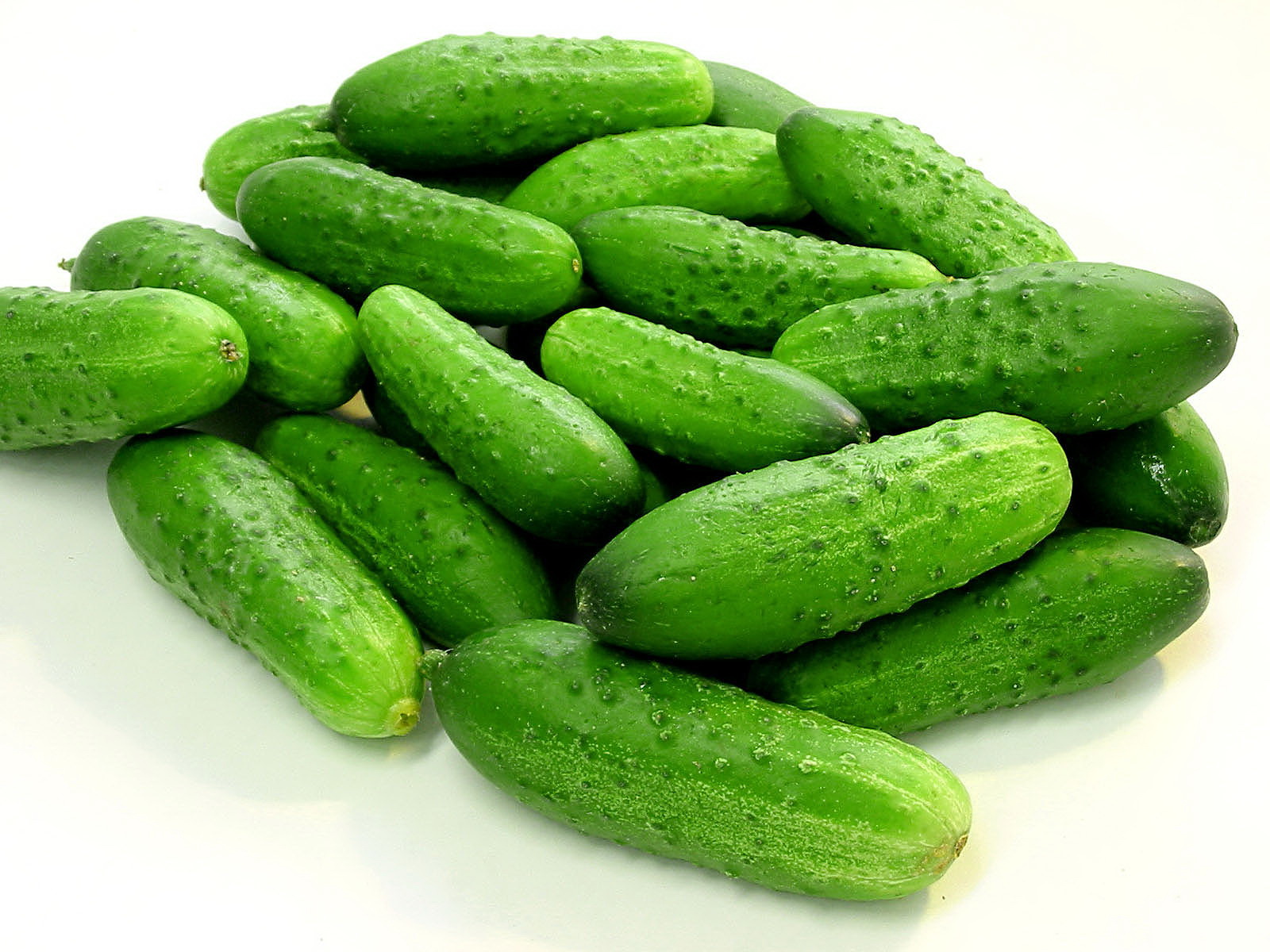
Today, the following cucumber varieties are most commonly grown in Lukhovitsy:
- Muromsky. This is a medium-sized climbing plant that can grow up to 160 cm in height. It produces cucumbers 10-14 cm long. They are elongated-ovate and finely tuberculated. They weigh approximately 100-140 g. The description of this variety includes plant resistance to bacterial wilt and powdery mildew. The yield of this variety is 2-3.1 kg per square meter. It can be grown both in a greenhouse and in the open ground.
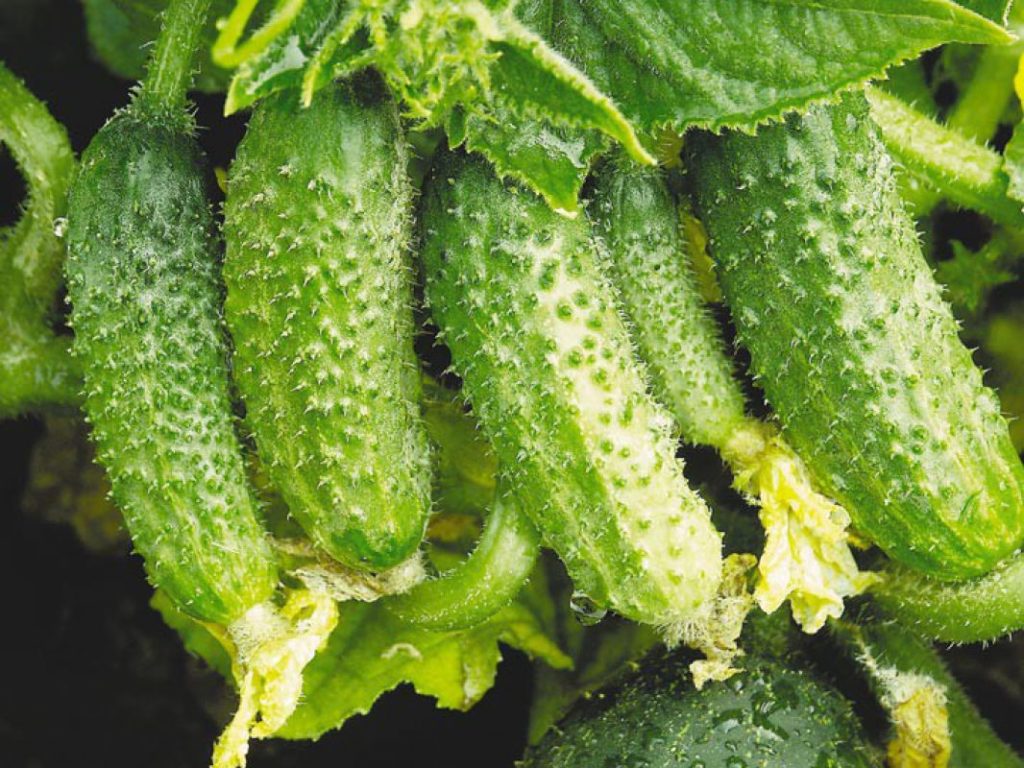
- Vyaznikovsky. A characteristic short-vine bush with clustered ovaries. It produces cucumbers approximately 9-11 cm long. They are finely tuberculated and elongated-ovate. The fruits are not bitter and average weight around 130 g. A yield of 2.6-3.5 kg can be obtained from one square meter. It is resistant to temperature fluctuations and diseases. Suitable for growing in greenhouse beds or in the open ground.
- Elegant. The bush is medium-tall, with 5-6 lateral shoots. The cucumbers are elliptical and finely tuberculated. They are approximately 10-13 cm long and weigh approximately 140 g. Bitterness is not characteristic. The variety is resistant to olive spot. It can be grown in a greenhouse. One square meter yields 5-7 kg.
- Libella. This plant forms a medium-sized, trailing bush with a fairly large number of ovaries. The cucumbers can grow up to 12 cm in length. They are characterized by fine tubercles, a cylindrical shape, and lack of bitterness. Their weight ranges from 90 to 105 g. Up to 80 tons of yield can be harvested from one hectare. This variety is grown both in greenhouses and in the open field. Its description also lists good resistance to powdery mildew and mosaic.
In addition to the varieties described above, the following types of cucumbers are also often grown in Lukhovitsy:
- Mirinda. This medium-sized bush is characterized by vigorous growth of lateral shoots. The resulting cucumbers of this variety are approximately 11-12 cm long. They are cylindrical, tuberous, and lack bitterness. The average fruit weight ranges from 100-110 g. The variety is resistant to cladosporiosis, and a yield of 6.3 kg can be harvested per square meter.
- Adam. This is a vigorous plant characterized by female flowering. The bush produces cucumbers up to 13 cm long. They are white-haired, finely tuberculated, and cylindrical in shape. The fruits are juicy and crisp, averaging 95 g in weight. This variety is resistant to powdery mildew, cucumber mosaic, and cladosporiosis. Up to 10.2 kg of yield can be harvested from one square meter.
- Solinas. The bush is vigorous, with clustered ovaries. It produces cucumbers up to 9 cm long. They are white-spined, cylindrical, and finely tuberculated. The fruits are not characterized by bitterness. The maximum cucumber weight is 90-100 g. The variety is resistant to powdery mildew and tobacco mosaic viruses. Up to 100 tons of yield can be harvested from one hectare.
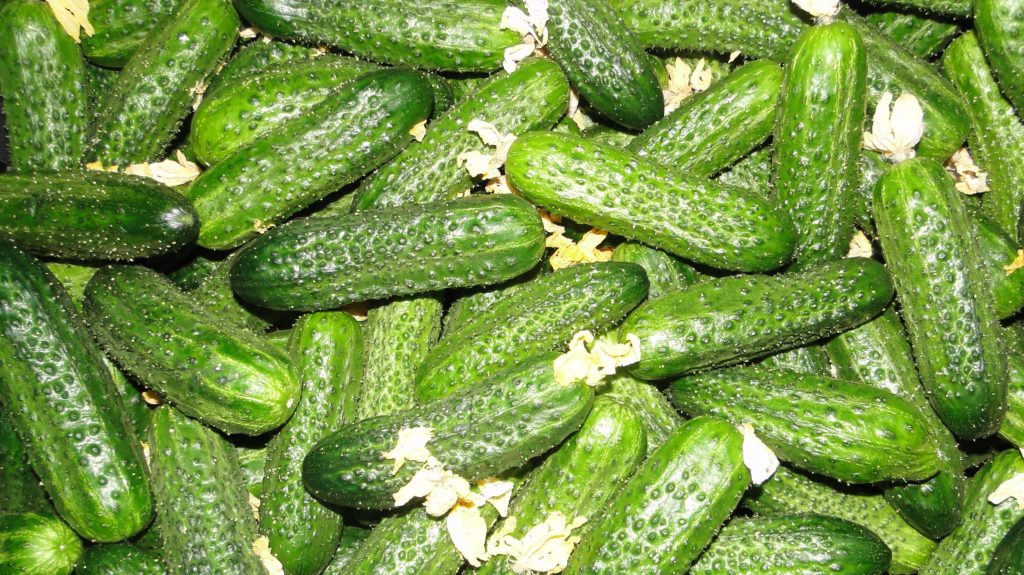
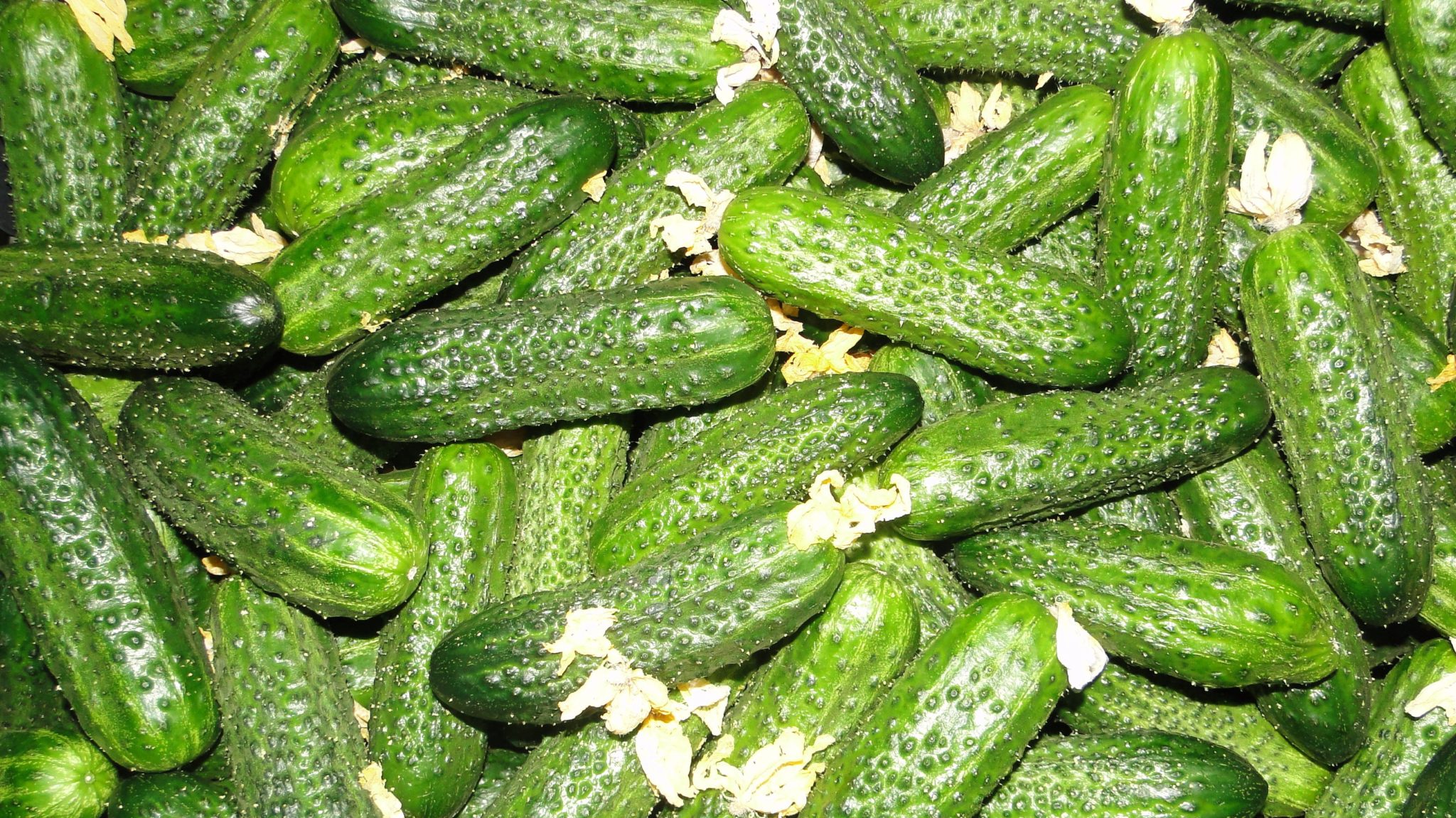
Recently, the cucumber variety Lukhovitsky-f1 has become very popular in this area. This plant is characterized by medium-climbing bushes, which produce 2-4 ovaries. This early-ripening variety has universal value. It features female flowering. The bush produces short, oval-shaped cucumbers, dark green in color, interspersed with lighter stripes. The surface of the fruit is finely tuberculate and pubescent. The average weight of this cucumber variety is 95-110 g. It is best grown in a greenhouse.
If proper cultivation technology is followed, the listed varieties can be planted in a greenhouse and in open ground.
Video "Lukhovitsky Cucumbers"
In the video, a gardener shares her experience growing Lukhovitsky cucumbers.
Advantages and disadvantages
Lukhovitsky cucumbers are characterized by the following qualities, which have made them highly sought after throughout Russia:
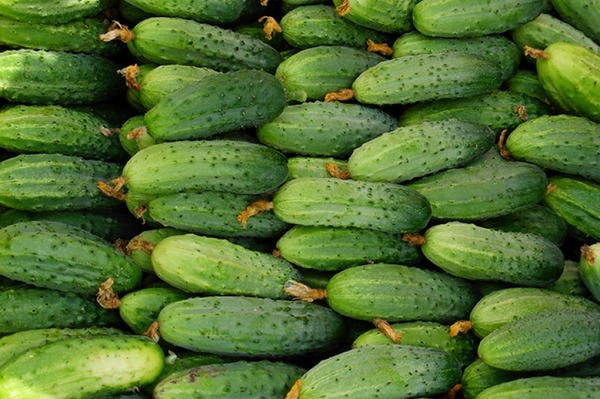
- short length of cucumbers;
- Obtaining a harvest according to a uniform standard. All cucumbers look alike;
- the possibility of planting in open ground and in a greenhouse;
- small size;
- neat and even appearance;
- high yield;
- excellent taste;
- early ripening of the crop;
- absence of internal cavities in the fruit;
- at the genetic level, the varieties are free from bitterness;
- the pulp is juicy, with a characteristic crunch;
- versatility;
- the fruits tolerate transportation well and can be stored for a long period of time;
- disease resistance.
-
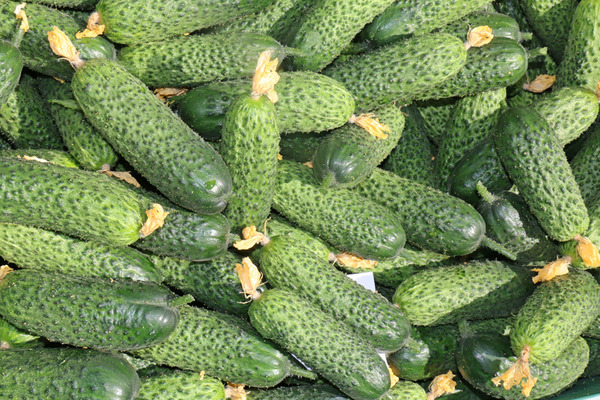
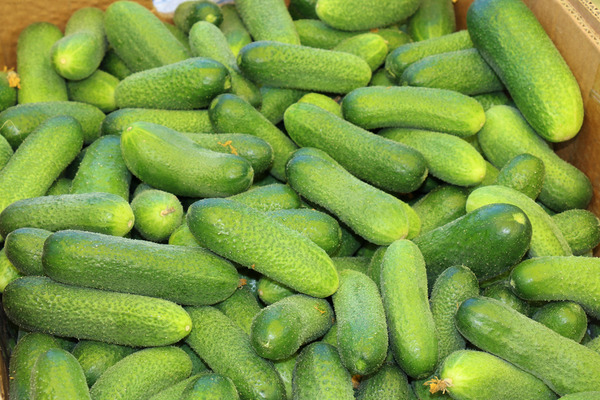
It's worth noting that Lukhovitsky cucumbers are virtually free of flaws. The only drawback is the need to strictly adhere to all growing instructions.
Growing technology
It's important to remember that the unique microclimate of the lower Oka River region is crucial for growing these cucumber varieties. It boasts high humidity, a long frost-free period, and rich soils. These three conditions allow for such an excellent harvest. These varieties are typically grown in large greenhouses.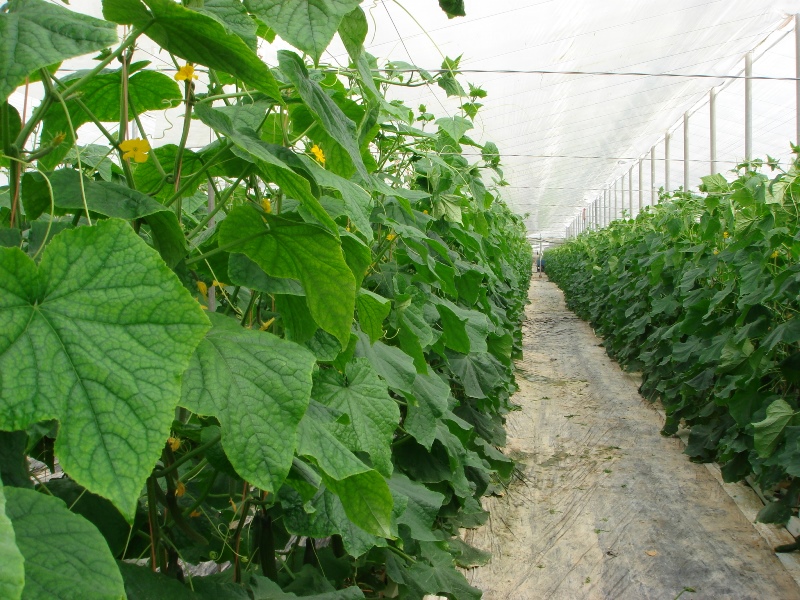
To grow cucumbers with such excellent characteristics, the following technology was developed:
- A layer of straw is placed on the bottom of the greenhouses. Over time, it will gradually rot, providing the plants with the necessary warmth;
- A special soil mixture must be poured on top of the straw. It should consist of humus, earth, and peat;
- After this, the seeds should be planted in the soil. They should first be soaked in water;
- After planting the seedlings, the beds are covered with two layers of polyethylene film on top.
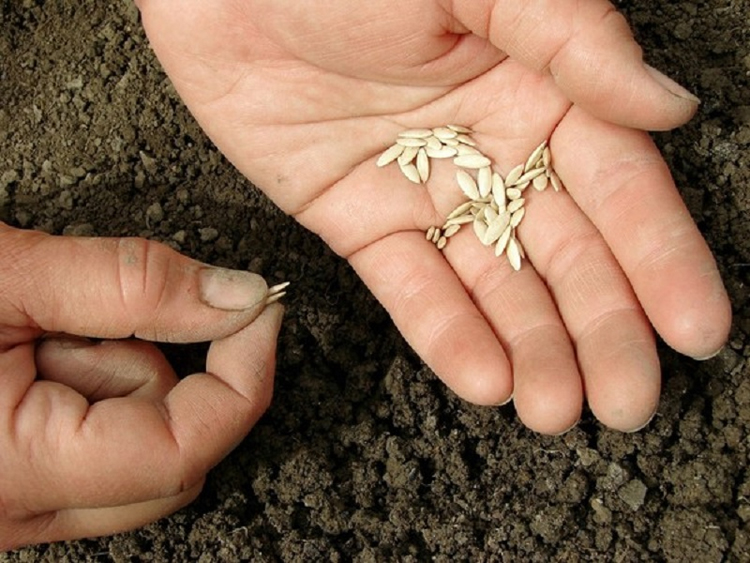
Using the technology described above, cucumbers are planted in early spring, before the snow melts. After a month, the resulting seedlings can be transplanted to regular garden beds. However, they still need to be covered with plastic film.
Before planting seedlings, the soil should be mulched with a special slotted material. This will prevent weeds from forming in the beds.
When growing seedlings in beds, the air temperature should be monitored manually. This can be done by periodically opening and closing the film. Don't forget to water regularly. Water with warm water during the active growing season.
Once the greens have formed in the beds, they should be picked periodically, approximately every other day.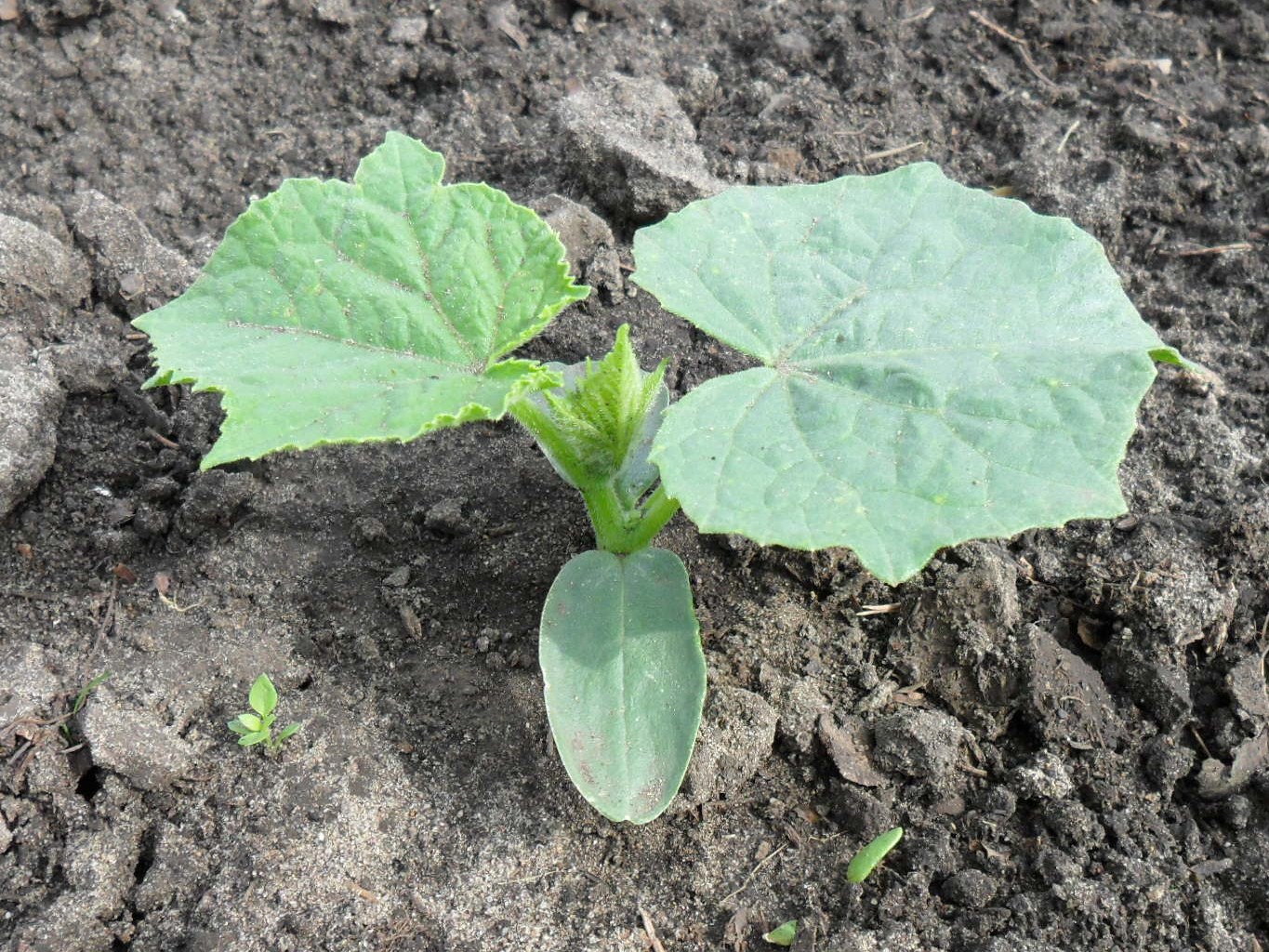
This technology, passed down from generation to generation in Lukhovitsy, can be grown both in a greenhouse and in regular soil. However, in the latter case, the plants must be covered with plastic film.
Experts note that an excellent harvest is obtained when planting seedlings in the ground at the end of April. This will result in an earlier harvest.
Hardened seedlings should be planted in their permanent location when they have developed 3-4 true leaves. For temperate Russia, seedlings of these varieties should be planted in the second half of May or early June. Remember to ensure optimal soil and air temperatures. It is recommended to sow seeds outdoors in late May. The planting pattern in this case is 50x50 cm.
The site where the seedlings will be planted should be sheltered from the wind and well-drained by the sun. The soil for Lukhovitsky cucumbers should be moist and loose. Humus and other organic matter should be added to the planting holes.
If the technology is followed correctly, any gardener can grow Lukhovitsky cucumbers, yielding an excellent harvest by all parameters.
Video: "How to Grow Lukhovitsky Cucumbers"
The author of the video talks about the peculiarities of growing these cucumbers.