
The best cucumber varieties for polycarbonate greenhouses
Content
Selection criteria
Hybrids are most often grown in greenhouses. It's easy to distinguish a hybrid from a variety. Hybrid seeds are labeled "F1" on the packaging. This code means "first-generation hybrid." It's impossible to obtain seeds from such plants or prepare them yourself. They must be purchased annually. So, what cucumber varieties are available for greenhouse cultivation? And how do you choose the best ones?
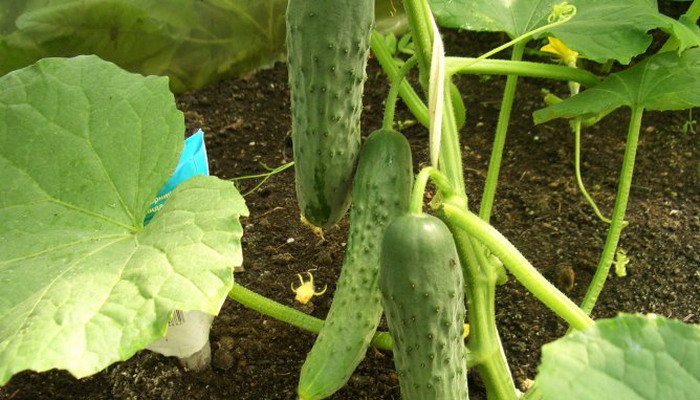
To choose the right seeds for growing vegetables, you need to consider a number of factors: seasonality, pollination, cold tolerance, and yield. Most importantly, the variety should be ideally suited to the growing region. It's best if it was bred specifically there. Only by focusing on these criteria can you find a hybrid suitable for specific growing conditions and satisfying your preferences.
Seasonality
All greenhouse cucumber varieties are divided into winter-spring, spring-summer, and summer-fall. The first group of plants produces an excellent harvest and is independent of the quality and quantity of light. However, these varieties do not bear fruit for long. They are also susceptible to diseases common during the warmer months. Therefore, it is not recommended to plant these varieties in the summer. After all, you may not be able to harvest anything from them.
Spring-summer cucumbers are undemanding in terms of growing conditions and produce a good harvest. This group of cucumbers is virtually disease-free and tolerates low temperatures well. These cucumbers generally prefer full sun and are relatively intolerant of shade.
Summer-autumn vegetables are the most popular among gardeners. They bear fruit for a long time, yielding a good harvest. They also don't require much light.
Pollination
Insect-pollinated cucumbers can only be grown in professional greenhouses. For home-grown greenhouses, self-pollinating hybrids are best. The best of these include Zozulya F1, Bogatyrskaya Sila F1, Kurazh F1, Tournament F1, and Sultan F1. Most vegetables intended for indoor cultivation belong to this group.
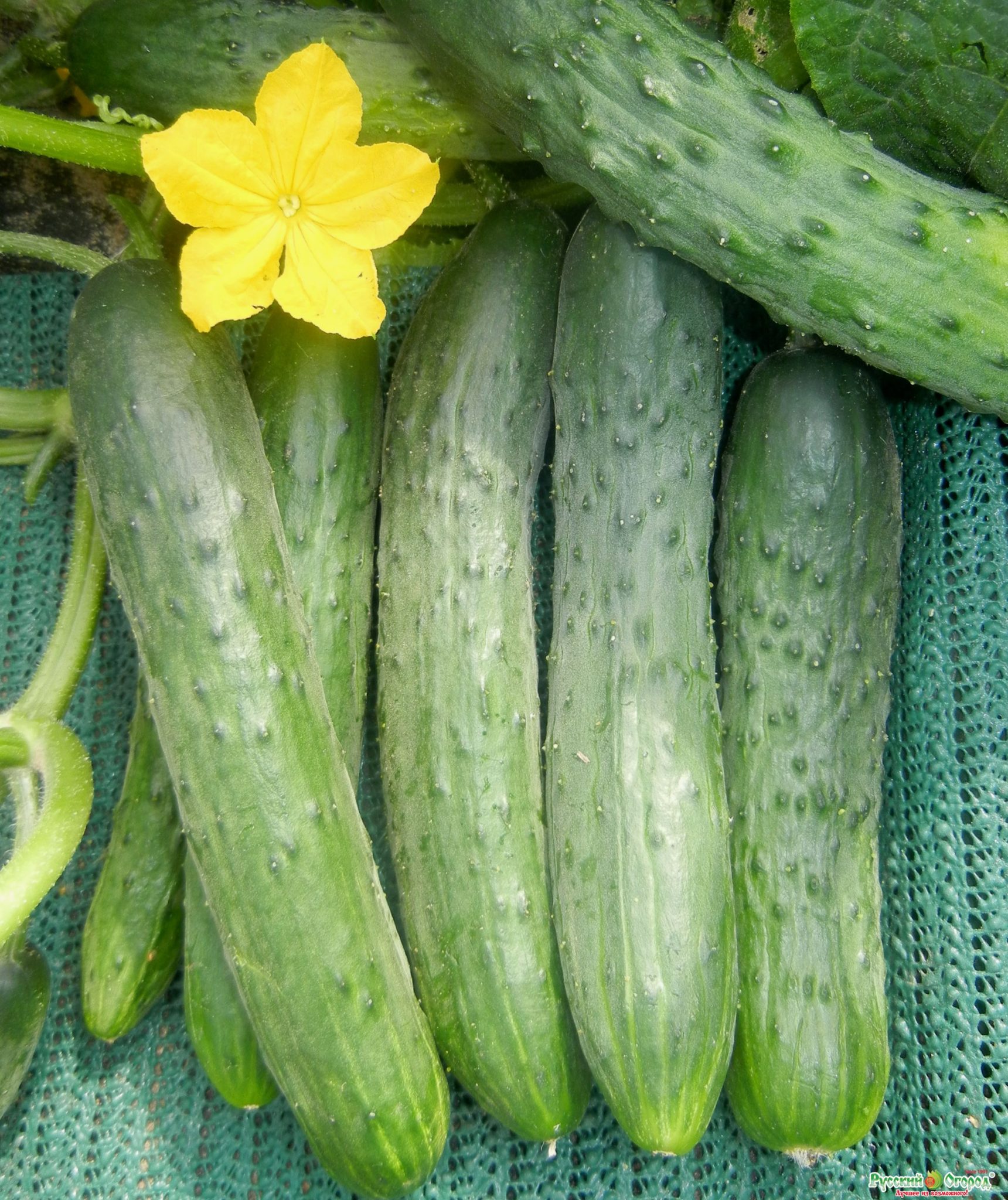
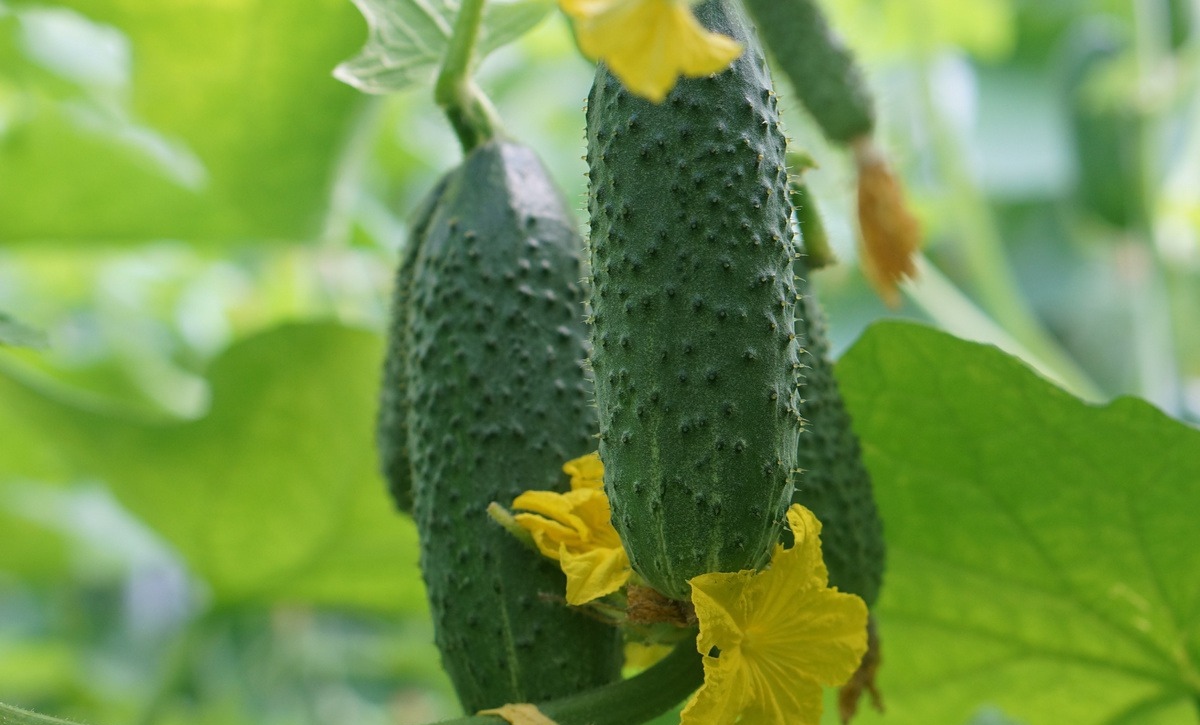
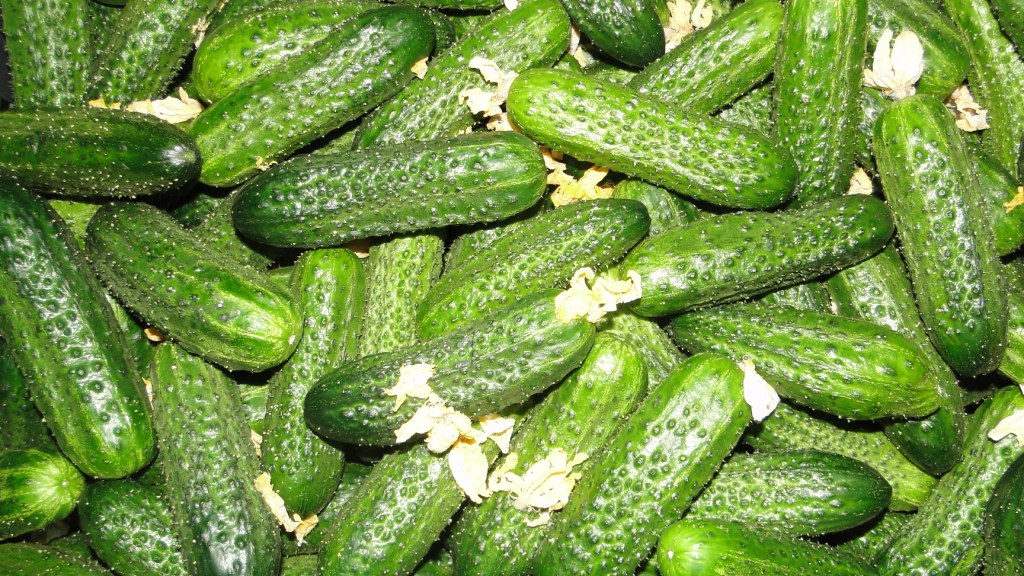
Young shoots of these self-pollinating varieties grow independently, requiring no special care or special gardening interventions. Some varieties are partially self-pollinating. They can also be grown in greenhouses, but only with specific care.
Sometimes gardeners do grow insect-pollinated cucumbers indoors. They believe that bee-pollinated cucumbers are juicier and tastier. However, to grow these varieties, insects must be attracted to the greenhouse. This can be achieved by spraying the plants with a sweet solution.
Placing a bucket of flowers at the entrance is also effective. These can also be sprayed with a sweet solution. Sugar cubes or jam placed around the greenhouse also attract insects. However, this shouldn't be done, as the treats will overshadow the cucumber flowers, and the bees will lose interest. Which bee-pollinated varieties are suitable for a polycarbonate greenhouse? The best are the mid-season Rodnichok F1 and Libella F1.
By planting early cucumber varieties in a heated greenhouse at the end of winter, you can harvest your first crop by the end of spring. However, winter hybrids, such as Blagovest, are essential for this. These vegetables have unlimited growth and are resistant to many diseases, particularly powdery mildew. The fruits are cylindrical in shape, covered with medium-sized "pimples." Each cucumber weighs over 80 g. This variety is self-pollinating.
Cold resistance and hardening
Hybrids and varieties of cucumbers differ in their cold tolerance. This characteristic is crucial for specific growing conditions. Growing cucumbers in the northern or southern regions of the country can make a significant difference. Even with well-insulated and heated greenhouses, plants can become over-chilled.
For example, in the mornings, cold dew forms under cellophane and drips onto the plants. Therefore, in late summer, it's important to grow varieties that are cold-resistant and naturally resistant to disease. After all, hypothermia significantly impacts the health of the crop.
Productivity
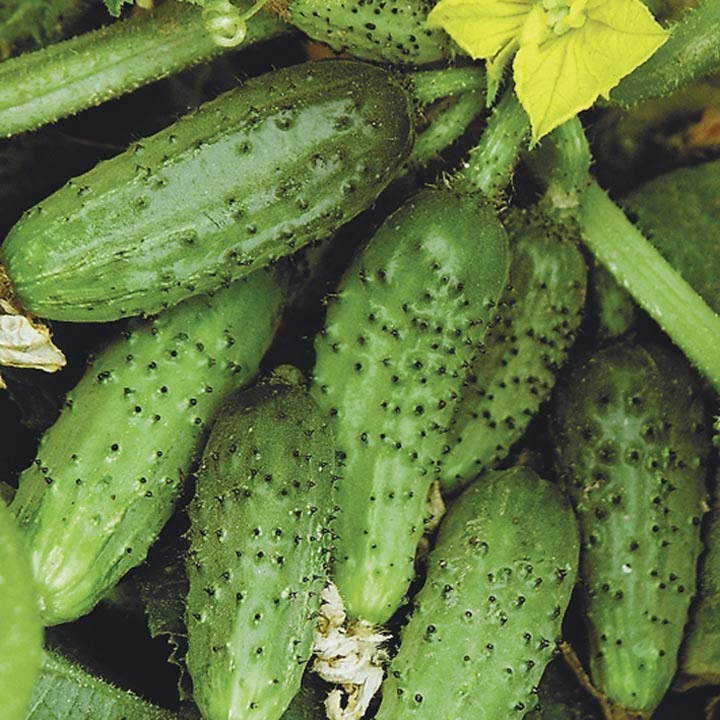
Today, cucumber varieties are appearing that produce clustered fruit, with several ovaries appearing at once at the base of the leaf. This is the case with short-stemmed cucumbers. However, they require careful and meticulous care. The advantage of these hybrids is the yield of small gherkins, ideal for pickling and canning.
Vegetable varieties also vary in branching levels: high, moderate, and low. High branching means lateral shoots emerge from each node. The shoots are long and need to be pinched. Moderate branching means numerous short lateral shoots emerge. Low branching means few lateral shoots with short internodes.
It's worth noting that the level of branching is determined not so much by the plants' genetic characteristics as by their growth and development conditions. Thus, low temperatures and insufficient light hinder the growth of lateral shoots, while warm weather and adequate watering promote it.
If you're aiming for a large harvest in a short period of time, it's best to choose cucumbers with weak branching. Plant them frequently, 5-6 per square meter. Need a harvest within a month? Grow cucumbers with medium branching. Pickling cucumbers, which don't contain a lot of sugars, are best with well-branched plants.
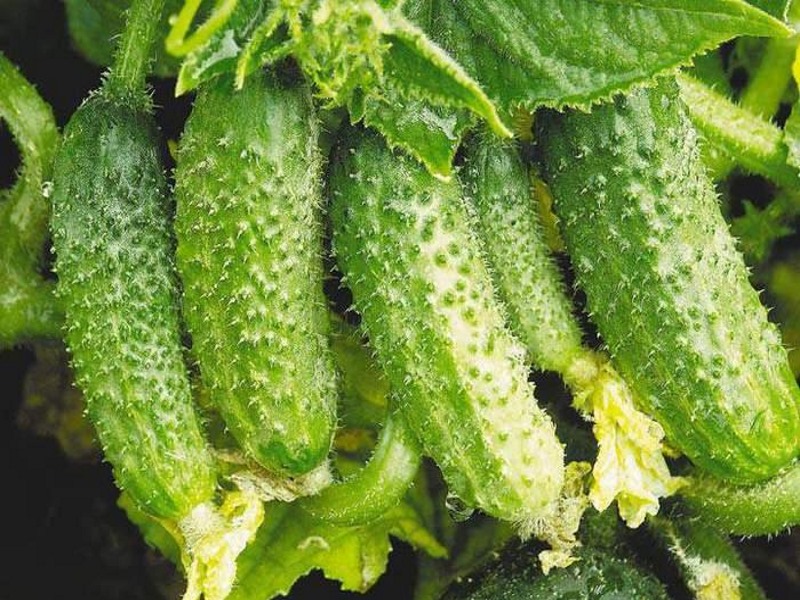
Cucumber varieties vary in the length of their harvest period. Sprinter hybrids produce large harvests in a short period of time. Hybrids with an extended fruiting period allow for regular picking of gherkins.
Video: "The Best Cucumber Varieties for 2025"
The video discusses the best cucumber varieties for greenhouse and open-ground planting in 2025, and explains in detail the criteria for selecting them.
Exotic varieties
Today, there's a wide variety of virtually every vegetable, including cucumbers. These include not only early varieties, but also exotic ones that have become incredibly popular. So, if you're looking for experimentation and the admiration of your neighbors, there's a chance to achieve just that.
For example, you can harvest white cucumbers in a greenhouse. These fruits are produced by hybrids, in particular, the F1 Bride. The fruits of this variety are juicy and aromatic, and they are also ideal for canning.
There are also so-called "Chinese" vegetables, whose fruits are uneven but exceptionally tasty. The Beijing variety is renowned for its juicy cucumbers with small seeds. This variety produces fruit even in cool, unheated greenhouses.
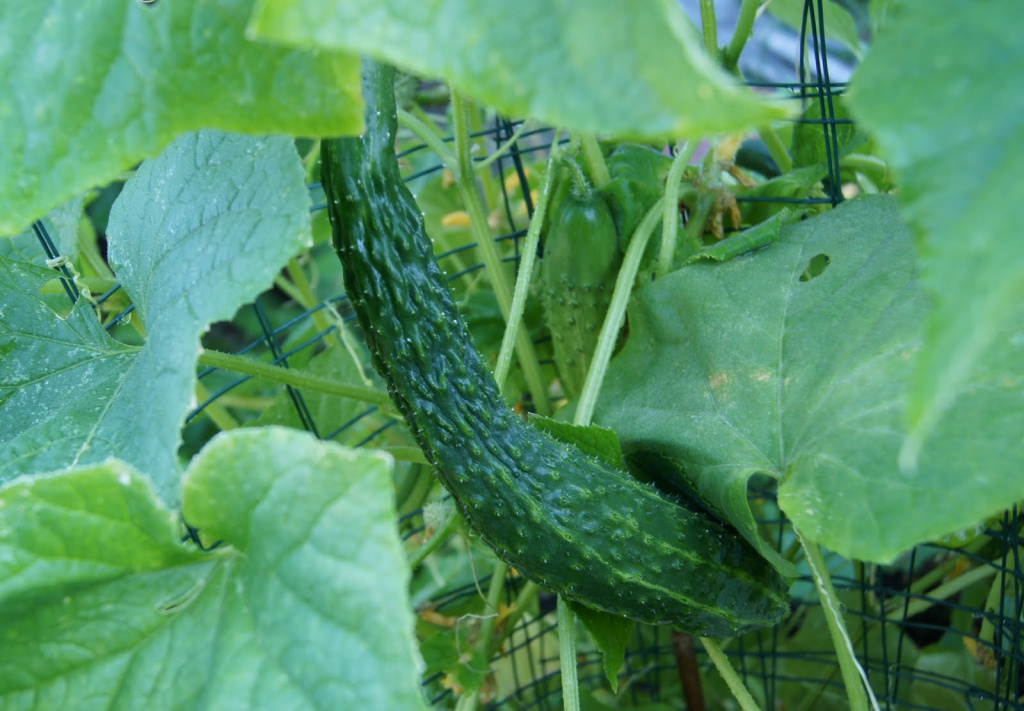
The best varieties with a hint of exoticism for growing indoors are Azbuka, Dynya Serebristaya, and Baloven F1. The first hybrid is popular for its clustered fruiting and, as a result, high yields. The fruits ripen quickly and are resistant to most diseases. The cucumbers of this hybrid have a wonderful flavor. The fruits can be pickled using the barrel method.
All lovers of exotic varieties will appreciate the taste of the Armenian cucumber. The fruits of the silver melon (another name for this variety) resemble zucchini in appearance. The leaves resemble pumpkin leaves. The variety gets its name from the light melon aroma of its fruits.
The best exotic cucumber varieties include Baloven F1. It produces cluster-shaped ovaries, and its cucumbers are not bitter.
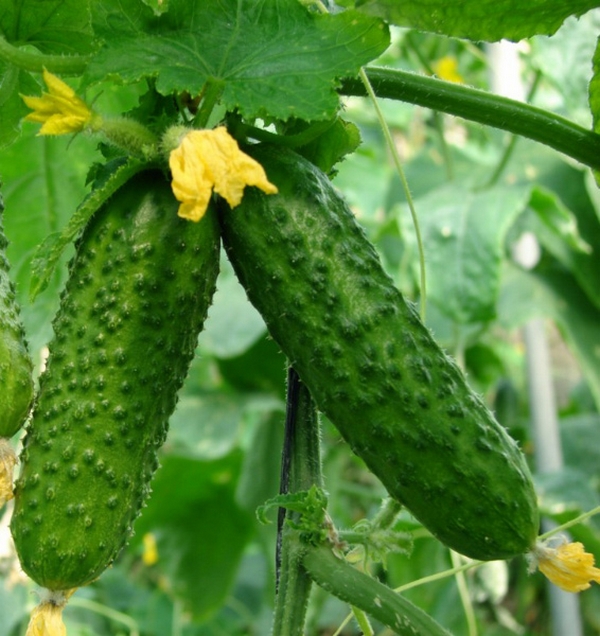
Many gardeners who enjoy the unusual grow the Golden Dragon Egg cucumber variety. It produces high yields and yellow fruits with a fruit-like flavor.
So, there are many varieties of cucumbers for growing in a greenhouse. You can choose any. However, it's important to remember that the best hybrids are those suitable for your region. They adapt well to the climate, are resistant to local diseases, and produce a bountiful, and most importantly, timely, harvest.
Video: "Growing Cucumbers in a Greenhouse Is Very Easy"
This video will discuss the technology for growing cucumbers in a polycarbonate greenhouse, as well as how to get the maximum yield with minimal effort.