
The best self-pollinating cucumber varieties for open ground: how to choose the right seeds
Content
What to choose
Breeders in the Netherlands, Ukraine, Russia, and Belarus have developed self-pollinating cucumbers that can be grown both indoors and outdoors. Breeders initially developed self-pollinating cucumbers for greenhouse conditions, but it turned out that growing these cucumbers outdoors is much more profitable than those that require pollination. Self-pollinating cucumber varieties for outdoor cultivation are hybrids; the only drawback to their cultivation is the need to purchase new cucumber seeds annually. Their advantages include excellent germination, uniform high yields, continuous fruiting, excellent fruit quality, and resistance to most common diseases. Self-pollinating cucumbers require no more attention than regular cucumbers; they require warmth and moisture, and pinching is essential to shape the plants.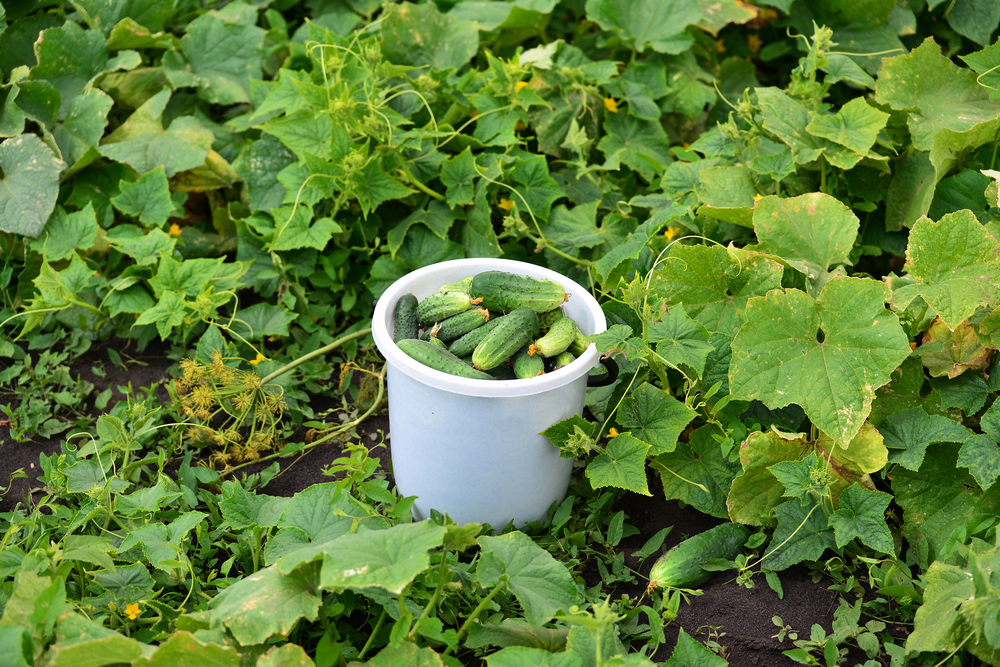
It often happens that the onset of cucumber flowering coincides with a cold snap, meaning bees don't flock to the garden, and ordinary cucumbers fail to produce fruit despite their beautiful blooms. This explains why self-pollinating cucumber varieties for open ground are increasingly popular among our gardeners. Most of them are versatile and can be grown in both the garden and the greenhouse, but not all.
In the garden they usually require much less attention, they grow without any additional hassle on the part of the owner, but in greenhouse conditions most of them produce a larger harvest. Although good conditions and strict adherence to all agricultural protocols ensure a very high yield in open ground, when choosing cucumber seeds for your garden, it's important to carefully read the variety descriptions.
Before purchasing, you need to decide which vegetables you want to grow. They differ in their uses, ripening times, and growing conditions. Some cucumbers are good for salads, others are best pickled, and still others are best preserved. Some grow up to 15 cm without losing their delicate flavor (gherkins), while others include gherkins and pickles. Self-pollinating hybrid cucumbers for open ground can be ultra-early, ripening in up to 45 days; early (45-50 days); mid-season (50-55 days); and late (over 55 days). The earliest cucumbers usually reach the table without any processing; we happily eat them fresh, adding them to all kinds of salads and sandwiches. We try to preserve mid-season and late-season varieties for future use; almost all of them can be eaten straight from the garden or canned. Most often, cucumbers that are canned are those that have no hollow cores. They remain firm and crisp even after cooking.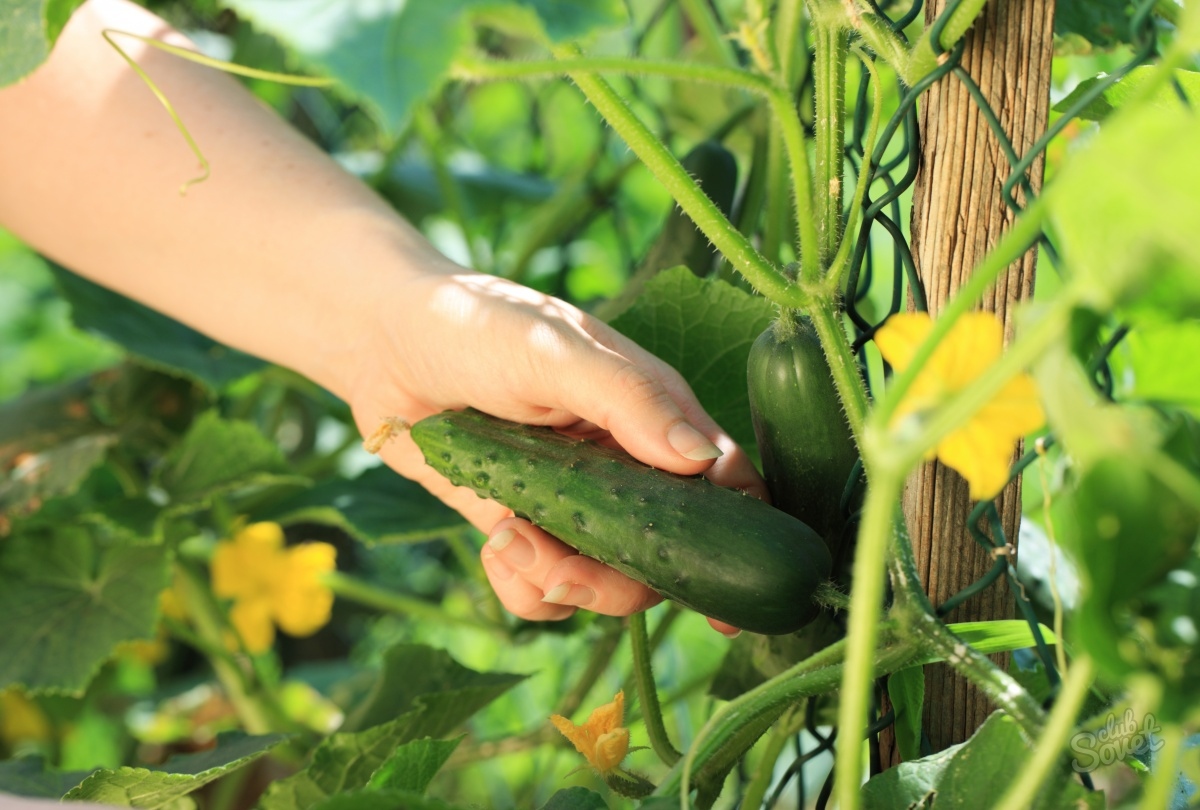
There are excellent varieties for growing in greenhouses, such as 'Zozulya,' 'Emelya,' 'Dynamite,' and 'Zyatek.' And there are versatile varieties that thrive in both the garden and the greenhouse, such as 'German,' 'Claudia,' 'Crispina,' and 'Muravei.' There are even varieties that will delight you with a harvest on your windowsill or balcony. When choosing cucumber seeds for planting outdoors, consider the following hybrids.
Video "Growing"
This video will show you how to grow cucumbers in a greenhouse and in open ground.
Alliance F1
This mid-season hybrid produces cucumbers 15 cm long and weighing 125 g 50 days after germination. The seeds are already sprouted, and many growers use stimulating agents for this. One square meter of garden bed can yield up to 17 kg of cucumbers.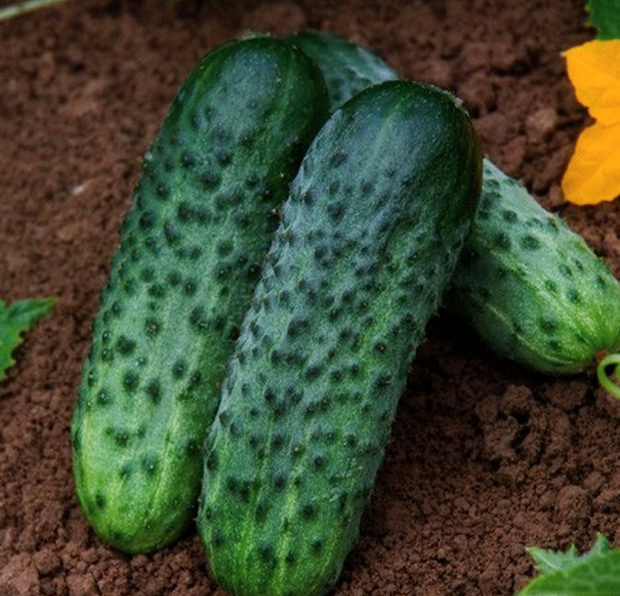
Zador F1
This domestic early-ripening hybrid is versatile. The dark green, cylindrical gherkins with large tubercles and a slight whitish fringe are ideal for canning, pickling, salting, and eating fresh. "Zador" is grown by direct seeding and from seedlings, producing a bountiful harvest that is unaffected by disease or short-term weather changes.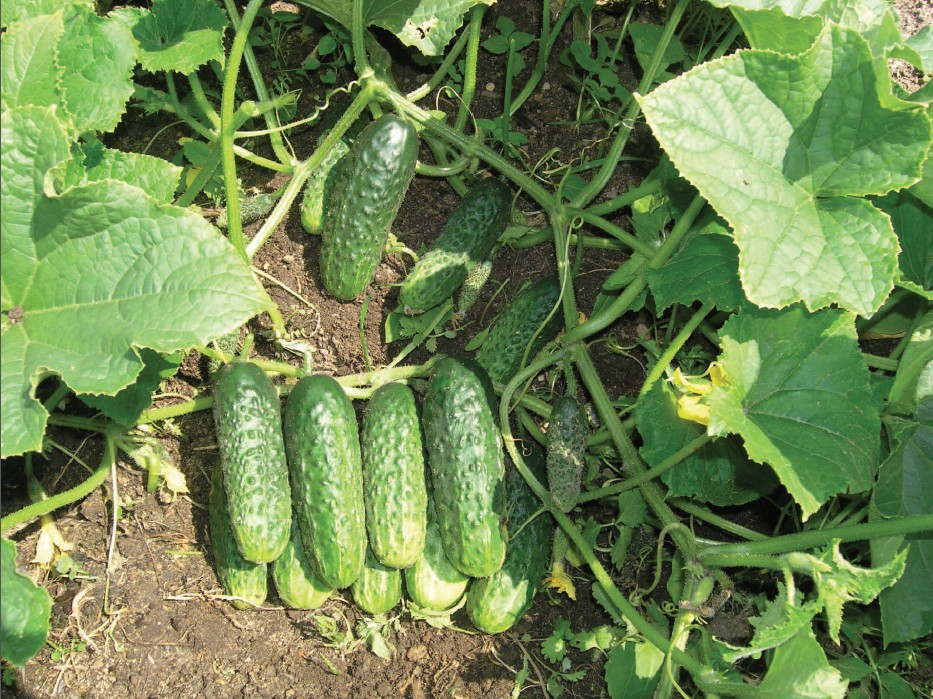
Gerda
A mid-early variety with high germination rates, the harvest ripens around the fortieth day. Suitable for both open and protected cultivation, it exhibits excellent resistance to powdery mildew and other diseases. Three to five ovaries form per node. The gherkins are delicious, juicy, and crunchy, and are eaten fresh or canned successfully.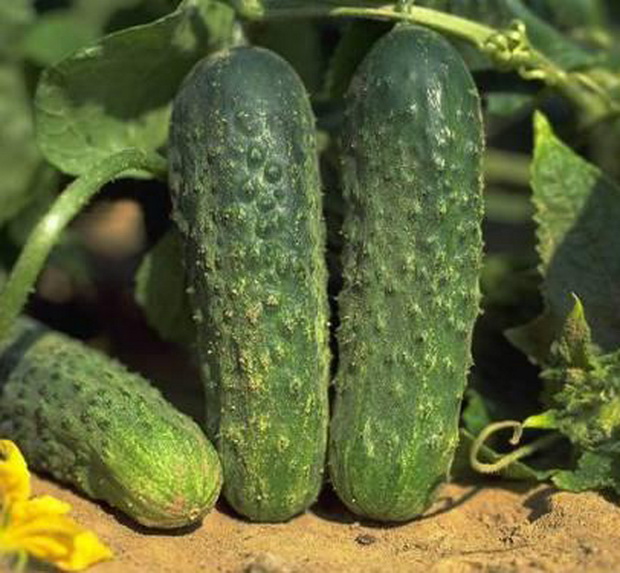
City cucumber
An ultra-early variety that can be grown not only in a garden bed or greenhouse, but even on a balcony. After 40 days, it produces delicious fruits up to 12 cm long and 3 cm in diameter. If ripe fruits are not harvested in time, they retain their quality by remaining on the vine for a few more days. Up to 7 cucumbers form on a single shoot. This variety is highly disease-resistant and produces numerous side shoots. Careful pinching and tying of the plant is essential for easy maintenance. From a minimal space (even a flowerpot) you can produce many wonderful, versatile fruits.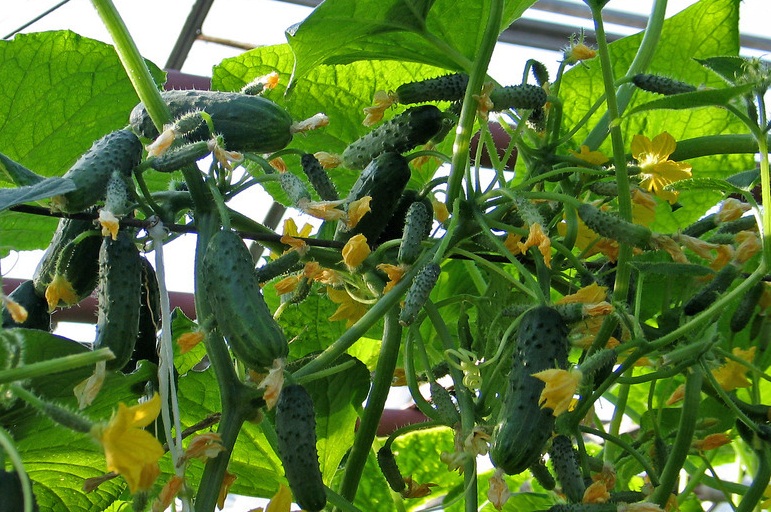
Orpheus F1
Like all very early cucumber varieties, 'Orpheus' ripens before the fortieth day. Approximately 38 days after sowing, 13-centimeter-long, dark green cucumbers with small pimples can be harvested. Their weight ranges from 80 to 110 grams.
A friendly family
A very productive, mid-season variety, resistant to most diseases. The fruits are ready to harvest 45 or 46 days after germination. The firm, sweet cucumbers reach 12 cm in diameter and are commonly canned or pickled.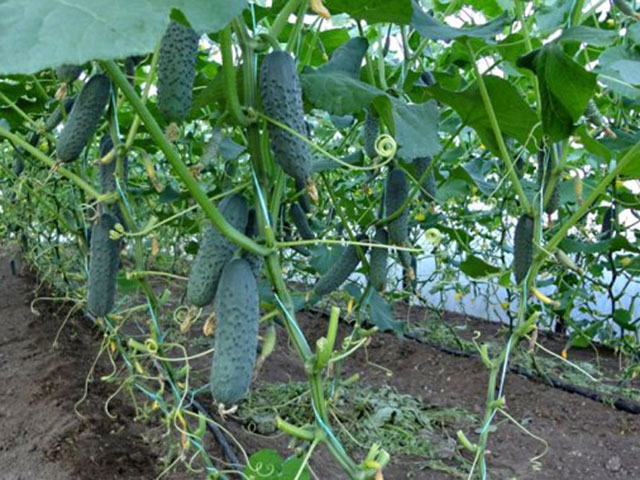
Swallowtail
A versatile hybrid variety. It's easy to grow, withstanding extreme weather conditions and demonstrating excellent disease resistance. A single node produces up to 11 ovaries, and the cucumbers, with barely noticeable pimples, quickly gain weight, reaching 110 g. The sturdy, surprisingly uniform fruits are dark green at the stem and noticeably lighter toward the opposite end, with light longitudinal stripes running their entire length. They are equally good for salads and preserves.
Advance F1
An early-ripening hybrid that grows equally well in a greenhouse or a vegetable garden, it requires less attention in the vegetable garden. It is characterized by consistent fruiting and resistance to powdery mildew and other fungal diseases. The dark green fruits, 10 cm long and 2 cm in diameter, do not form hollow centers, making them popular for canning, but they also make a successful summer salad.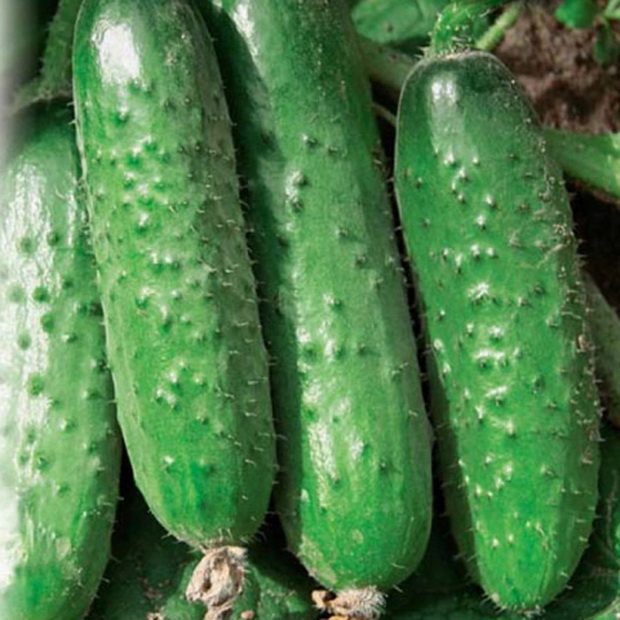
Herman F1
This Dutch-bred hybrid is renowned for its early ripening and high yields, and is completely resistant to fungal diseases. The dark green, pimply fruits grow up to 12 cm long and weigh 90 g. Each node produces 5 to 9 fruits, which are equally delicious fresh or pickled.
Amur F1
An extra-early variety with large, light-green, cylindrical fruits. They have a thin skin, barely noticeable bumps, and firm, non-bitter flesh. They transport well and are primarily eaten fresh. Mid-season and late-ripening varieties are typically used for processing; the earliest varieties, even if suitable for pickling and canning, are generally eaten fresh.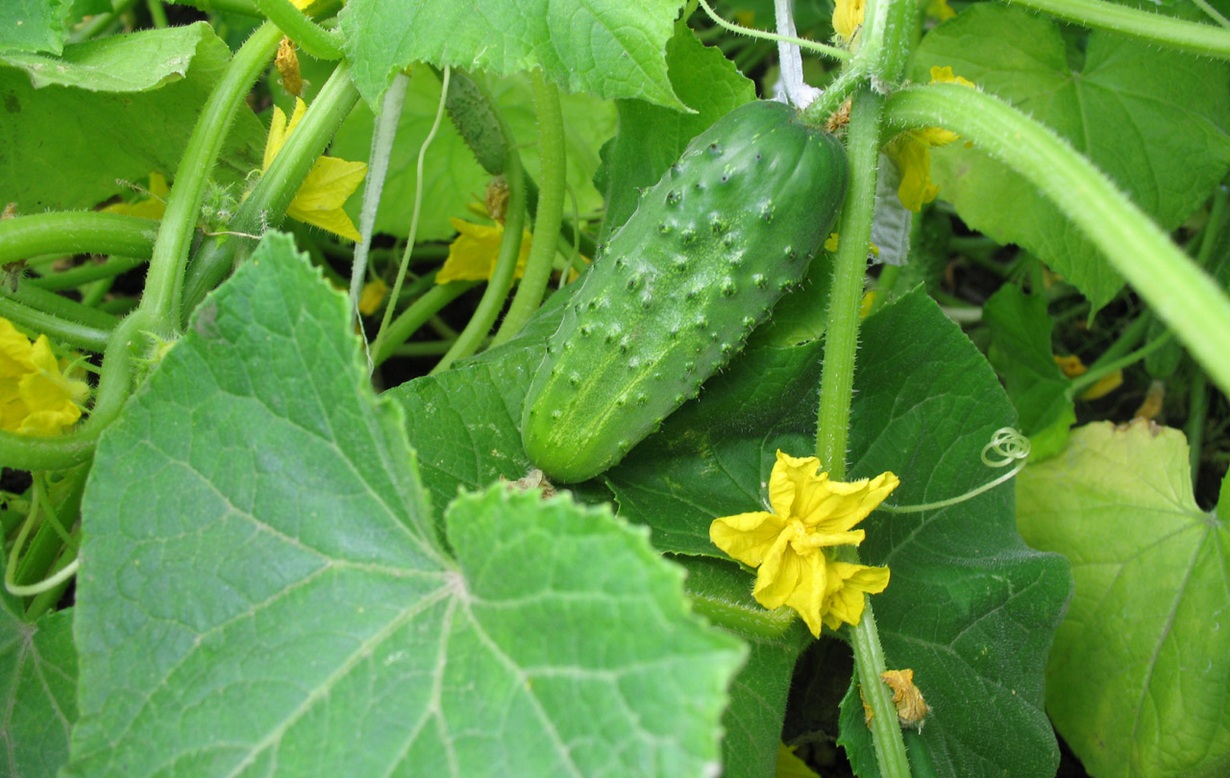
How to grow
Cucumbers grow well in light, fertile, neutral soils. Sandy loam or light, loamy, non-acidic soils are ideal. Find an open, sunny site and prepare it in the fall. After clearing the area of the previous crop—ideally, cabbage, tomatoes, onions, or even early potatoes—the bed is thoroughly dug and fertilized. In the fall, it's advisable to add manure or superphosphate. In the spring, rotted manure, ammonium nitrate, or wood ash should be applied rather than fresh manure. If the soil is acidic, this can be corrected by adding lime, dolomite flour, or chalk.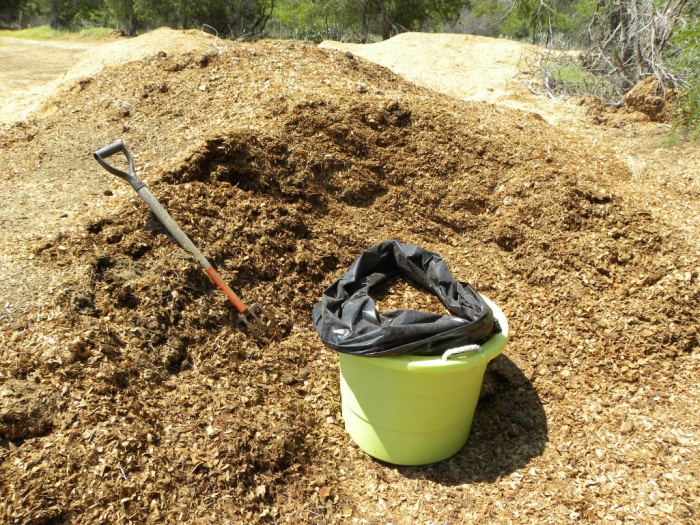
Cucumber seeds are planted in the soil when it has warmed to at least 15 degrees Celsius. To speed up this process, you can water the bed with hot water (even with potassium permanganate) and then cover it with plastic wrap.
Cucumbers are planted in rows or nests, with the seeds planted 2 cm deep. Experts recommend planting already sprouted seeds. To do this, soak them (to discard any defective ones) and then germinate them on damp cotton wool, paper, or sawdust. A growth stimulant solution (Gumistar or Siyanie-2) can be used.
If the seeds are coated in a thin, multi-colored shell, they don't need to be prepared for sowing. They're already treated with everything necessary and coated with a coating of various beneficial substances—nutritious, protective, and growth-promoting. These seeds are increasingly appearing on our market. When purchasing, pay attention to the shelf life: seeds are considered good for up to eight years, but the best germination rate is achieved with two- or three-year-old seeds.
After planting, the area should be mulched with a layer of 2 or 3 centimeters, and then covered with film or a special material that allows sunlight to pass through. Covering is permissible only at night or in case of cold weather.
Early cucumber varieties are often planted as seedlings, which allows for an early harvest two weeks earlier. Seedlings or seeds can be sown in several stages, spaced up to 10 days apart, to extend the harvest period and ensure consistent harvesting. Seedlings are best grown in individual peat pots, which are then completely placed into the hole in the garden bed – cucumbers don't like their delicate roots to be disturbed. In temperate climates, seeds are sown around mid-May. If the soil has warmed to 18 degrees Celsius, the seedlings are ready to be planted, but they may need to be covered at night.
The plants are then cared for in the usual way: watering, weeding, loosening the soil around them, fertilizing, and training the shoots. Cucumbers love moisture, but overwatering the soil can lead to various rots, and periods of drought can make the fruit bitter. Therefore, watering should maintain normal soil moisture—hot weather requires more frequent watering, and after rain (as well as after watering), the soil should be loosened to ensure fresh air always reaches the roots. The bed should be cleared of weeds promptly; this process is usually combined with loosening, just like watering and fertilizing.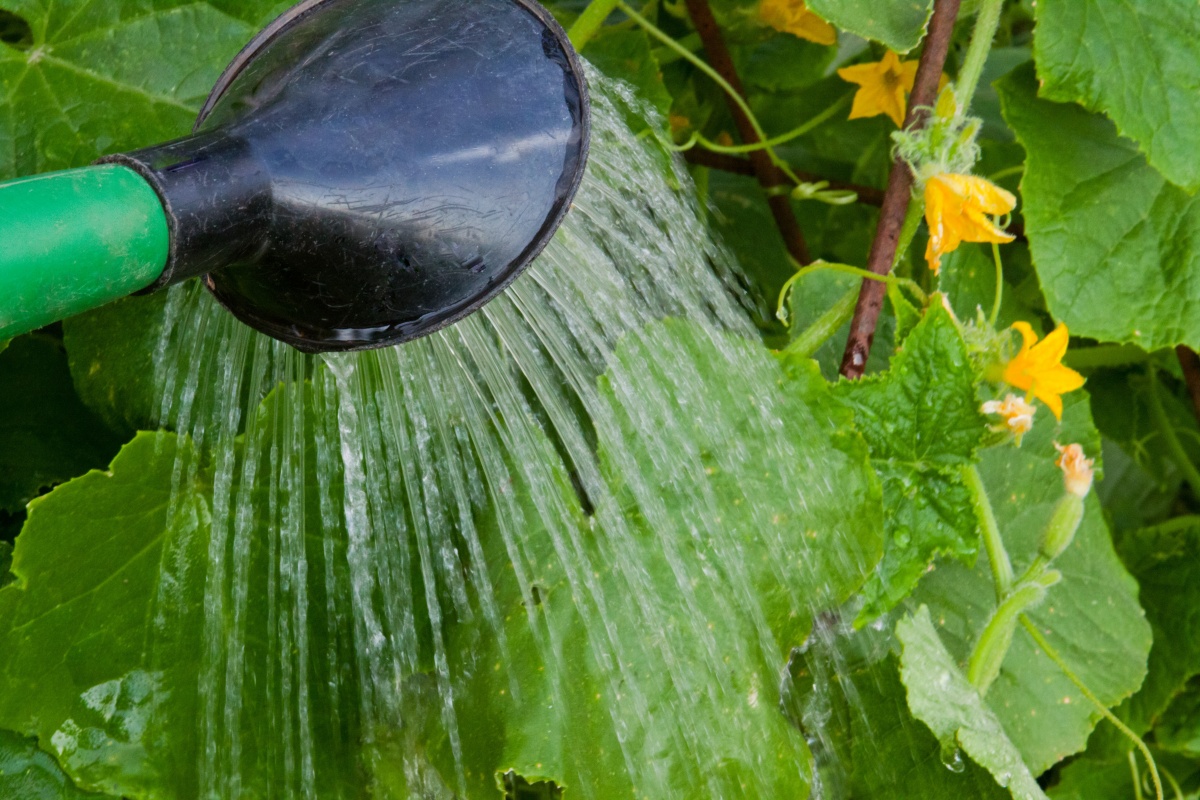
Cucumbers respond well to fertilizing, usually every two weeks, alternating organic and inorganic fertilizers. These are diluted in water and applied to the roots, making sure not to allow water, much less fertilizer, to come into contact with the leaves. If the plants are growing well and appear healthy, don't overdo it, as this can lead to the accumulation of all this fertilizer in the fruit. If growth slows, or when the stems and leaves begin to turn pale, you can spray them with a urea solution for a quicker effect.
Plants are trained by pinching some stems to stimulate the growth of others. To determine the correct pinching method, you need to know where the ovaries form. Most common varieties produce female flowers, and therefore ovaries, on lateral shoots. Therefore, after the sixth leaf, the main stem is pinched, allowing lateral shoots to grow, and then pinching them back to form the desired number of lateral shoots. Up to the sixth leaf on the main stem, all ovaries and side shoots are typically removed. Hybrid varieties produce ovaries on and near the main stem, so all side shoots are removed up to the sixth leaf, then several lateral shoots are allowed to grow, spaced three to four leaves apart from each other on the main stem. Each side shoot is pinched back after the third leaf. The plant should be trained into one or two main shoots and the side shoots pinched back.
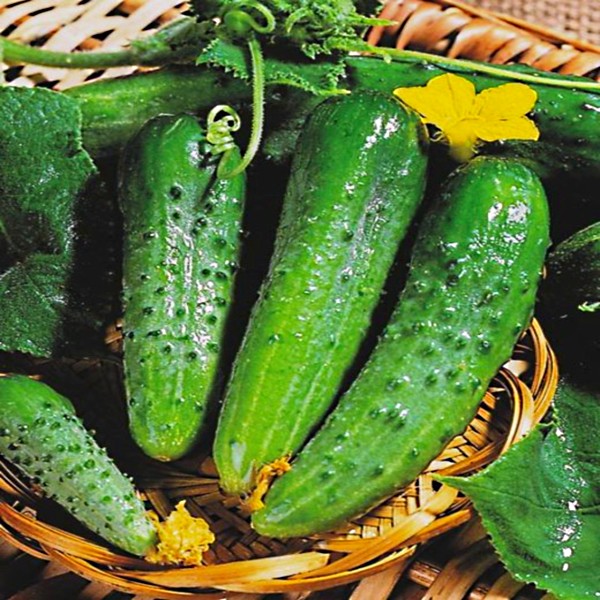
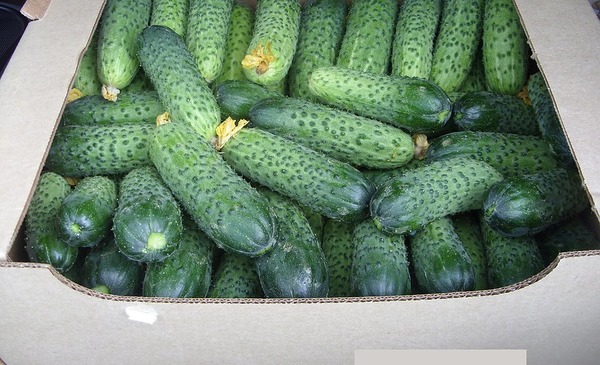
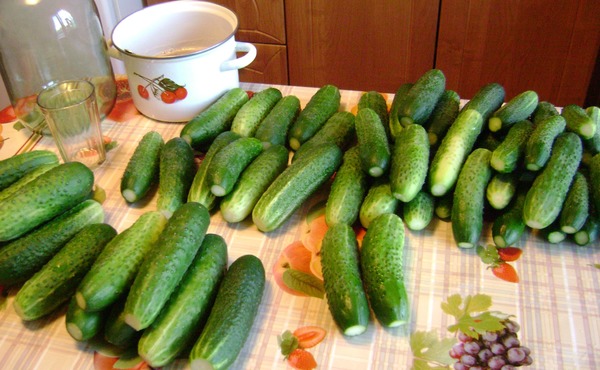
The plant's development also depends on its cultivation method. More vines are left spread out, while two or three main vines are sufficient on a trellis. Care must be taken to prevent the plant from becoming too dense, removing wilted or dried leaves promptly, and trimming off some healthy leaves if they shade each other. The entire plant must be permeated with fresh air and sunlight, otherwise no resistance bred by the breeders will protect it from disease.
The harvest is constantly being collected to ensure regular fruit formation. If ripe cucumbers are not picked for a while, they may stop forming, ending fruiting much earlier than expected for the variety. After fruiting has completely ceased, all cucumber tops are collected from the garden bed. If there are no diseases, they will make excellent compost material. Self-fertile cucumbers are a very valuable achievement of breeders, and it's no wonder their varieties are becoming increasingly popular among our gardeners.
Video "Best Varieties"
From the video you will learn about the best varieties of cucumbers.