
Evpator tomatoes – description and conditions for obtaining high yields
Content
Description of the bush
This is a vigorous and robust plant with an open habit. The bush is quite large, reaching an average height of 190 cm. Due to its size, it requires enhanced wind protection and support.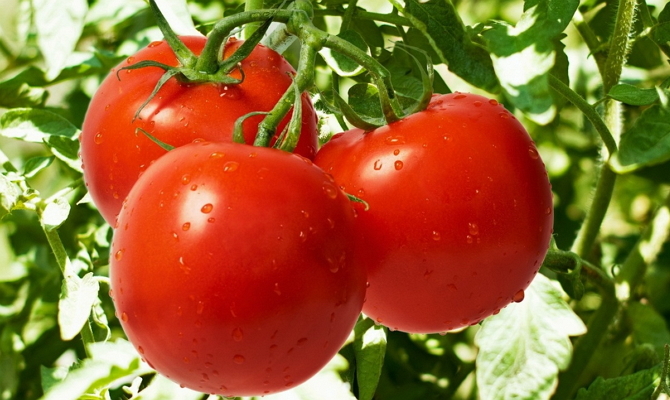
This is a generative tomato variety, as the bush's growth almost stops after the 8th to 9th inflorescences have formed. The leaves are deeply dissected, dark green, and medium-sized. This variety produces a tall, robust bush that requires regular side-sonning. The first inflorescences appear after the 10th to 12th leaf has formed, and then they form every 3-4 leaves. A single inflorescence can produce up to 10 fruits! They will have a flattened, round shape and a perfectly smooth surface. For this reason, this variety is often offered for sale.
Ripe tomatoes of this variety are bright red, while unripe ones are light green. Each tomato averages 100 to 200 grams, containing 4-8 seed chambers. These tomatoes travel well and have excellent presentation and flavor. They are also resistant to blossom-end rot, which we discussed recently, and tomato cracking. This is why many gardeners and farmers want to grow this variety. It's quite easy, as it's resistant to many diseases. Just to give you an idea, you can harvest up to half a hundred pounds of tomatoes from one square meter! This makes it ideal for industrial-scale production.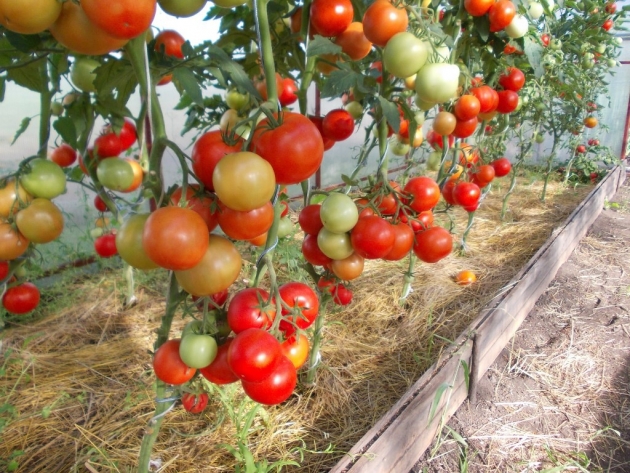
This is a very high-yielding tomato variety. A single bush can yield up to 8 kg of fruit. That's a lot.
This is an early-ripening tomato variety. Its vines begin to form ovaries very quickly, and the fruits can be harvested as early as 110 days after germination.
Tomatoes of this variety look like they came straight out of a picture. They ripen in neat clusters, and the fruit averages 200 grams.
Breeders have made it so that this variety is now immune to nematodes, tobacco mosaic, and late blight.
The fruits are very dense and therefore can be easily transported without fear of them leaking juice.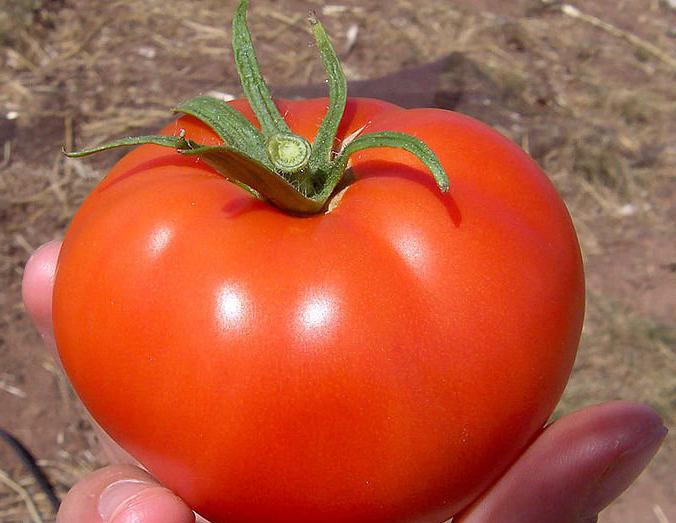
If grown in a greenhouse, it will thrive both in Kuban and in the north. Potassium and phosphorus fertilizers are used for fertilization.
However, their taste is an acquired taste, as they have a slight tartness. This means this variety is better suited for canning, marinades, and any other winter preparations that require tomatoes. These perfectly shaped scarlet tomatoes will look wonderful in a jar. But if you don't like overly sweet tomatoes and prefer varieties with a slight tartness, then you've chosen the right variety!
Video: "Resistant Tomato Variety – Evpator"
From this video you will learn everything about this bush.
Features of cultivation
To ensure the tomatoes have time to grow, seeds are planted as early as March. This is to produce seedlings that can be transplanted in May. The soil should be light and nutritious. Before transplanting, tomatoes should be treated with a weak solution of potassium permanganate (10 grams of powder per 1 liter of water), and the seedlings should be spaced 2-3 cm apart.
You can also disinfect the soil by heating, steaming, and freezing. When you see seedlings starting to emerge, don't spare the weak plants; remove and discard them. They should be given a one-time feeding with a complex fertilizer, and after sprouting, a few leaves from the seedlings can be transplanted into the greenhouse.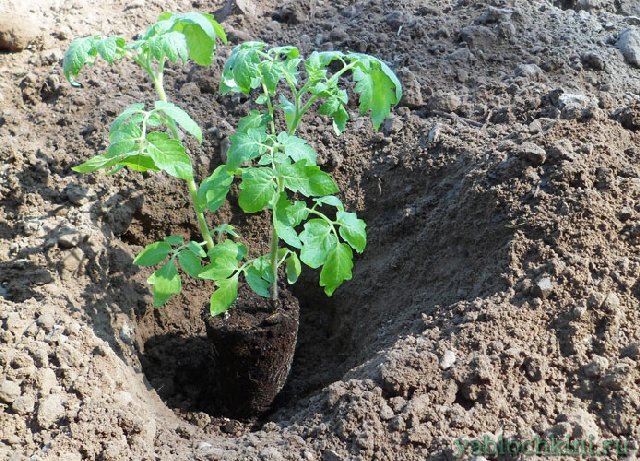
They are massive and vigorous, meaning they need to be planted at least 30-35 cm apart; ideally, about half a meter between plants. No more than three plants should grow per square meter. Four is too much! Yevpator can be planted in the garden in May, but the key is to ensure full growth and timely pinching, which means allowing it to develop into a single stem. After 6-7 clusters appear, pinch off the top to increase the yield. As the plant grows, tie it up. The staking should be increased periodically.
Ten days after planting, fertilize young tomatoes with ammonium nitrate or any other complex fertilizer. On average, up to 1 tablespoon of fertilizer is needed per bucket. Each plant requires about a liter of this liquid. When fertilizing this variety of tomato, don't overdo it with nitrogen fertilizers! This fertilizer stimulates plant growth; they stretch, devoting all their energy to growth. Ultimately, they have no energy left to bear fruit.
After 1.5 weeks, the tomatoes need to be fed a second time using chicken manure. Proper watering is crucial. The soil should be constantly moist, but not soggy. After each watering, loosen the soil the following day. Watering the tomatoes every 3-4 days should be sufficient. To maintain the soil moisture, simply sprinkle the soil with straw. The greenhouse shouldn't be too humid or too hot, otherwise your plant will get sick.
Gradually increase the fertilizer dosage to 50-60 grams per 10 liters. Remember to fertilize the soil during flowering and fruit formation.
It is better to treat this variety with preparations that contain copper, as this will help protect the tomato from pests and diseases.
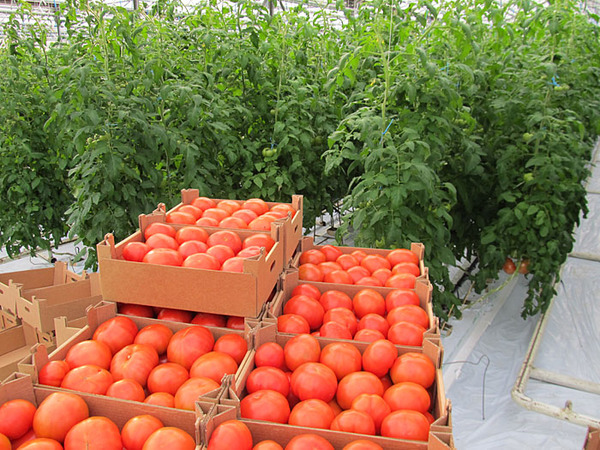
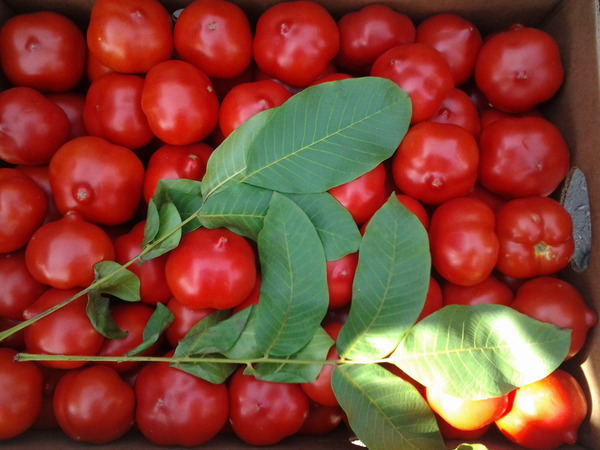
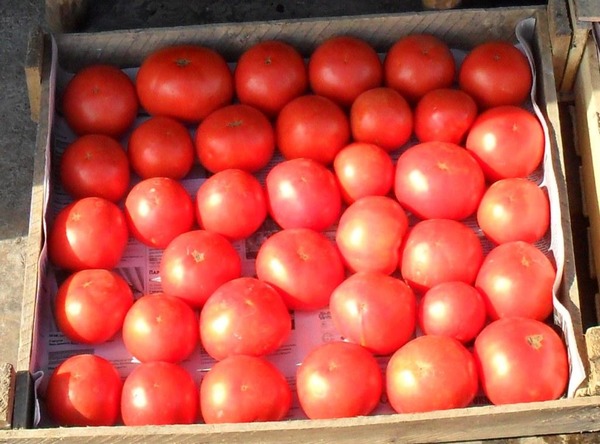
This variety has a huge yield, rivaling even foreign hybrids.
Diseases and pests
Although Evpator is disease-resistant, it can still be susceptible to phoma. To combat the disease, remove affected fruit, treat the bushes with "Hom," and reduce the amount of nitrogen fertilizer and watering frequency.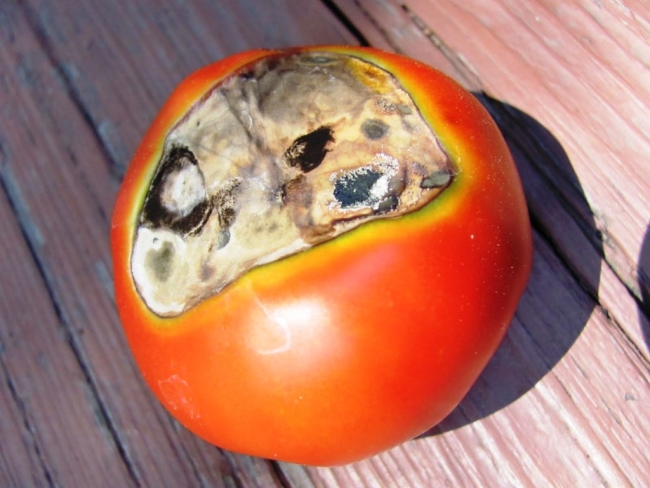
This variety is also susceptible to dry spot. Control it with Antracol, Consento, and Tattu.
Among pests, this variety is favored by cutworms (moth caterpillars). They can be collected by hand, but if their numbers become too high, it's best to use chemical pesticides such as "Strela." Greenhouse whiteflies also favor this variety, as they thrive on all varieties grown in greenhouses.
As you can see, growing them doesn't require much effort. Just a little bit of effort, and the results will surely delight you and your loved ones. Especially in winter, when you'll be enjoying delicious preserves!
Video "10 Mistakes in Growing and Caring for Tomatoes"
From this video you will learn how to properly grow and care for this crop.