
Cucumber leaves are turning yellow in the greenhouse: why and what to do?
Content
Possible reasons
There are many common causes that can affect the appearance of vegetable crops. The most common causes of yellowing leaf edges include exposure to external conditions and inadequate seedling care.
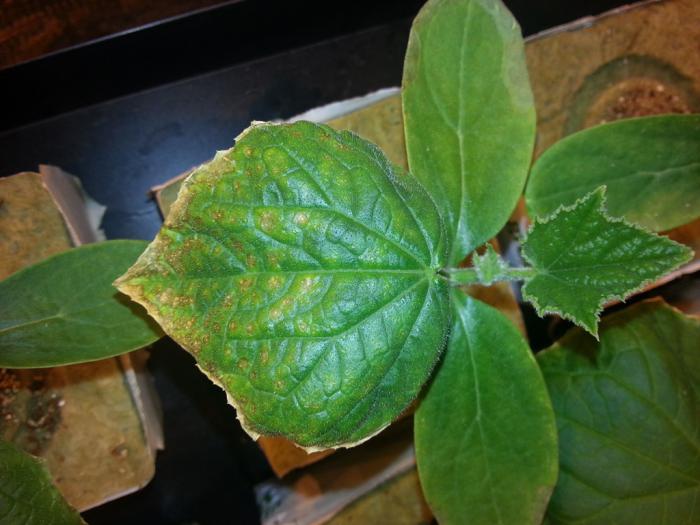
Leaves turn yellow due to unfavorable temperatures, poor watering, depleted essential micronutrients, and poor pollination. The problem can also be caused by pathogens or fungi that attack the plant. Much less commonly, yellowing of foliage occurs when the crop is fully ripe, with a large number of fruits overloading the plant.
This problem occurs quite often, but by following all the care instructions, you can prevent the appearance of such symptoms or get rid of them faster.
Let's take a closer look at each possible problem.
Temperature
Maintaining the correct temperature is crucial when growing cucumbers. With proper care and a stable greenhouse temperature, the leaves will not turn yellow.
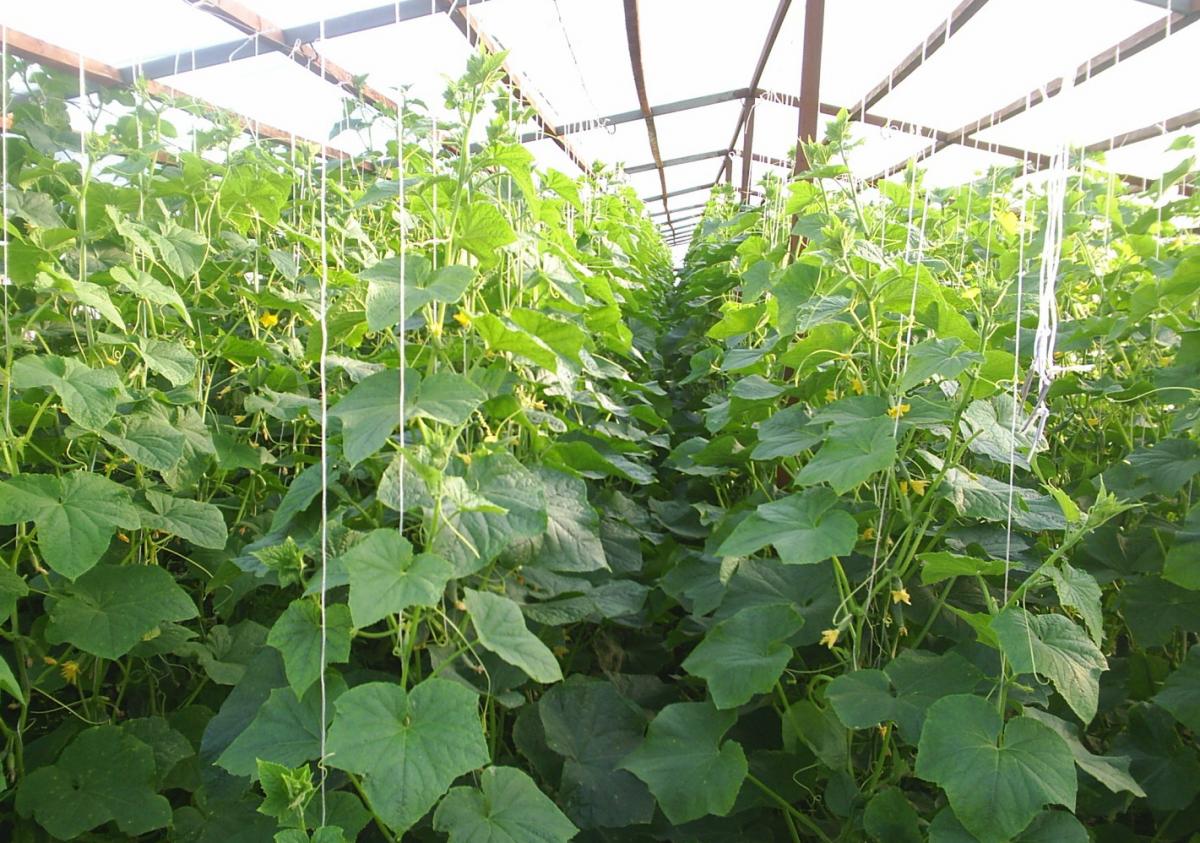
Temperature issues are usually rare, as a greenhouse is protected from the wind, retains heat better in inclement weather, and the air inside cools significantly more slowly if it's hermetically sealed. The greenhouse itself is a radical solution for improving vegetable yields, as well as an effective way to maintain plant care.
Cucumber foliage most often turns yellow when gardeners plant the vegetable outdoors. Sudden changes in weather can slow growth. Cucumbers are considered a crop that is highly sensitive to such changes. Therefore, unfavorable temperatures primarily affect the appearance of the seedlings.
If you grow cucumbers in a greenhouse and do everything correctly, this problem won't be a problem. To prevent young, growing seedlings from becoming too cold, you can harden them off during seed preparation. This is a special procedure that allows the future seedlings to acclimate to possible temperature changes in the spring.
Insufficient watering
Cucumbers thrive on moisture and require constant and regular watering. Regardless of the irrigation system installed in the greenhouse, it's essential to ensure consistent watering. If the soil begins to dry out, the ripening process will be significantly reduced.
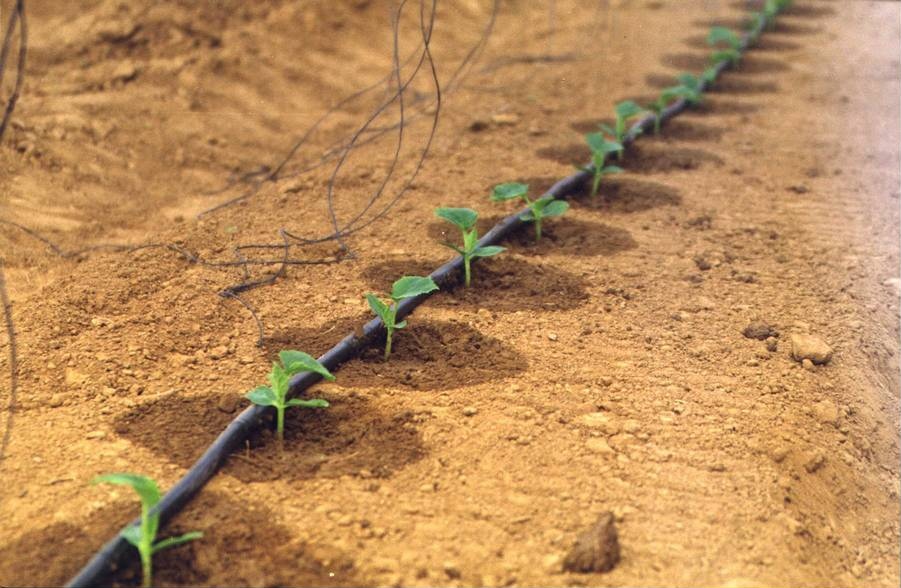
With timely watering, the cucumber root system can quickly replenish the plant's moisture reserves, ensuring the foliage remains green. Otherwise, within a few days, the foliage will turn yellowish, and then the edges will begin to dry out.
If the foliage wilts, it prevents the plant from properly carrying out the process of photosynthesis, which will affect the condition of the seedlings.
It's worth noting that it's best to use relatively warm water for irrigation, allowing it to settle in the sun. It's advisable to increase watering during the fruit set and ripening period, as significantly more moisture is required during this time. You can improve soil moisture by tilling the soil, which will make it easier for the water to reach the plant's root system.
Lack of mineral elements
Another reason why cucumber leaves may turn yellow is a lack of minerals in the soil. Because cucumbers thrive in moisture, they absorb many nutrients and microelements from the soil along with water. These are essential for accelerating growth, increasing disease resistance, improving photosynthesis, and other biological processes. A deficiency of these components slows down the plant's metabolism, leading to yellowing of the foliage, stems, and eventually the fruit.
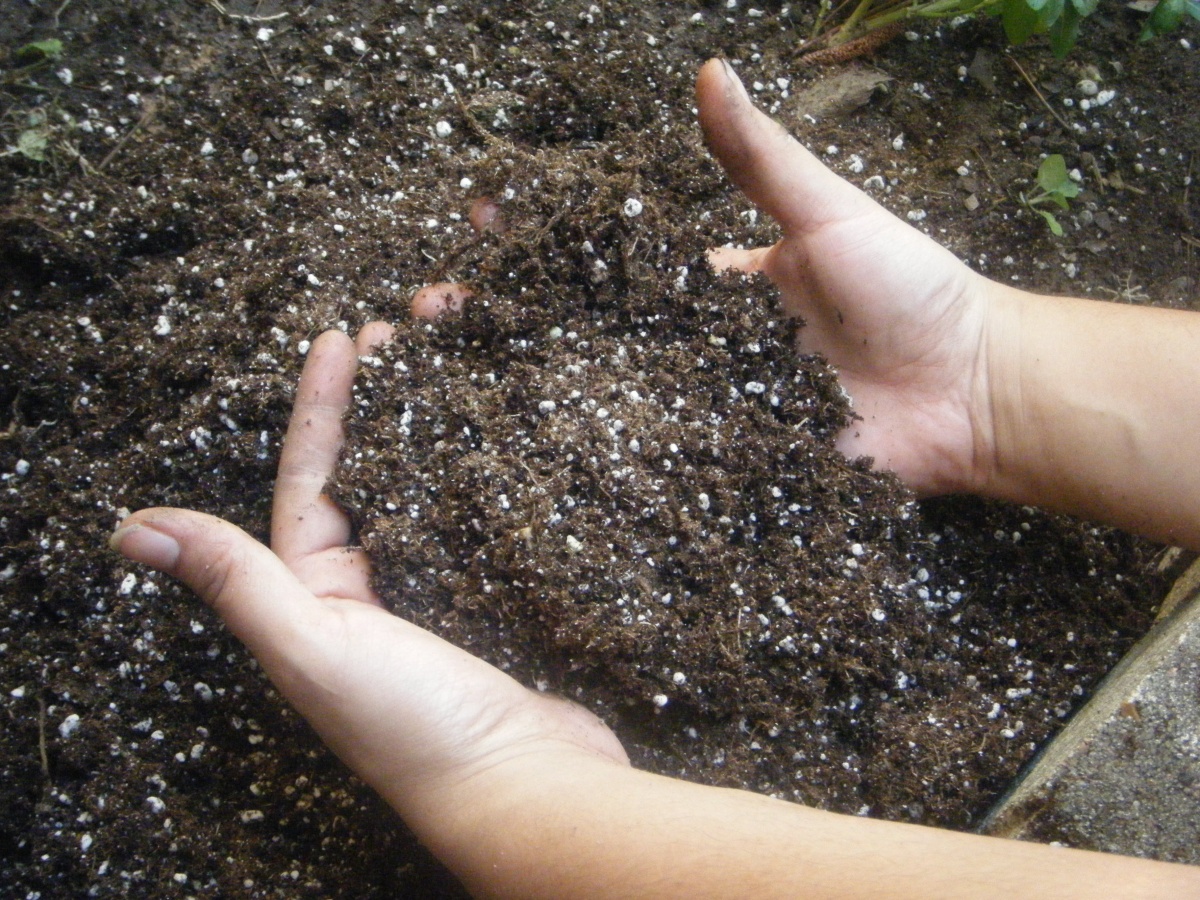
The most common problem is a lack of nitrogen and potassium in the soil. Often, novice gardeners fail to apply fertilizer before planting cucumber seedlings. This is crucial, as soil preparation is a crucial part of growing any vegetable crop.
That is why depleted soil taken from a garden or field cannot provide all the necessary substances to a plant, and their deficiency can be recognized by external signs.
First, the edges of the leaves begin to lighten, then the color changes completely across the entire leaf surface—from the upper to the lower shoots. Over time, a hooked shape of the fruit will also indicate a nitrogen deficiency.
To prevent problems associated with this cause, prepare the soil before planting cucumber seedlings in the greenhouse, apply fertilizer to the soil in a timely manner, and spray with special concentrated chemical compounds to enrich the crop with missing microelements.
Pollination problems
Pollination of seedlings is often a problem in greenhouses. Pollen transfer is poor indoors—there's no wind, and small insects and bees are virtually nonexistent. Therefore, artificial pollination is required to ensure proper fruit set. Poor pollination has a very negative impact on the overall appearance of the crop.
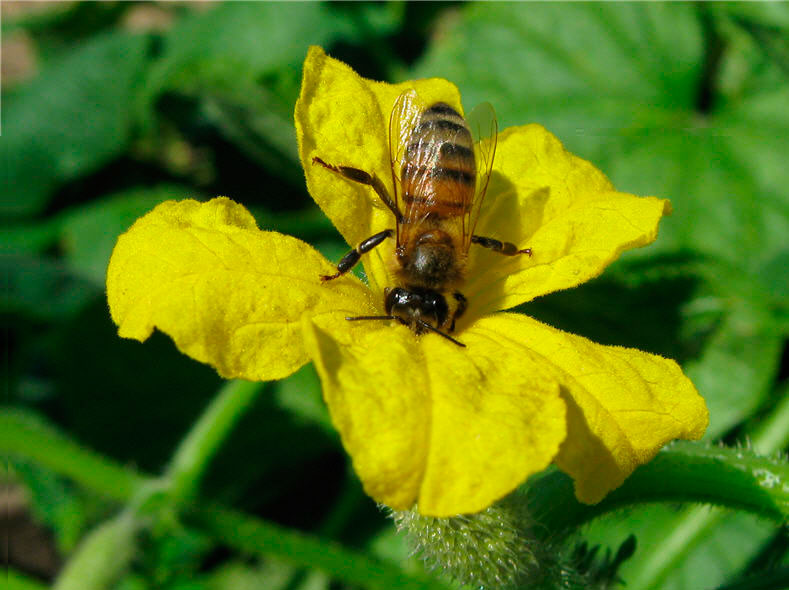
When artificially pollinating cucumbers, it's advisable to spray the plants with a weak solution of boric acid. It's diluted in warm water at a ratio of 1 to 5. Specialized solutions are available at specialty stores. These solutions should be prepared strictly according to the instructions. Spraying with them ensures proper pollination of the flowers.
Video: "Why do cucumber leaves turn yellow?"
The author of the video explains in detail all the possible causes of yellowing cucumber leaves.
Diseases and pests
In addition to the main and most common reasons why cucumber leaves may turn yellow, it's important to note the danger of harmful insects and a number of diseases. To combat these insects, it's necessary to spray cucumbers with insecticides.
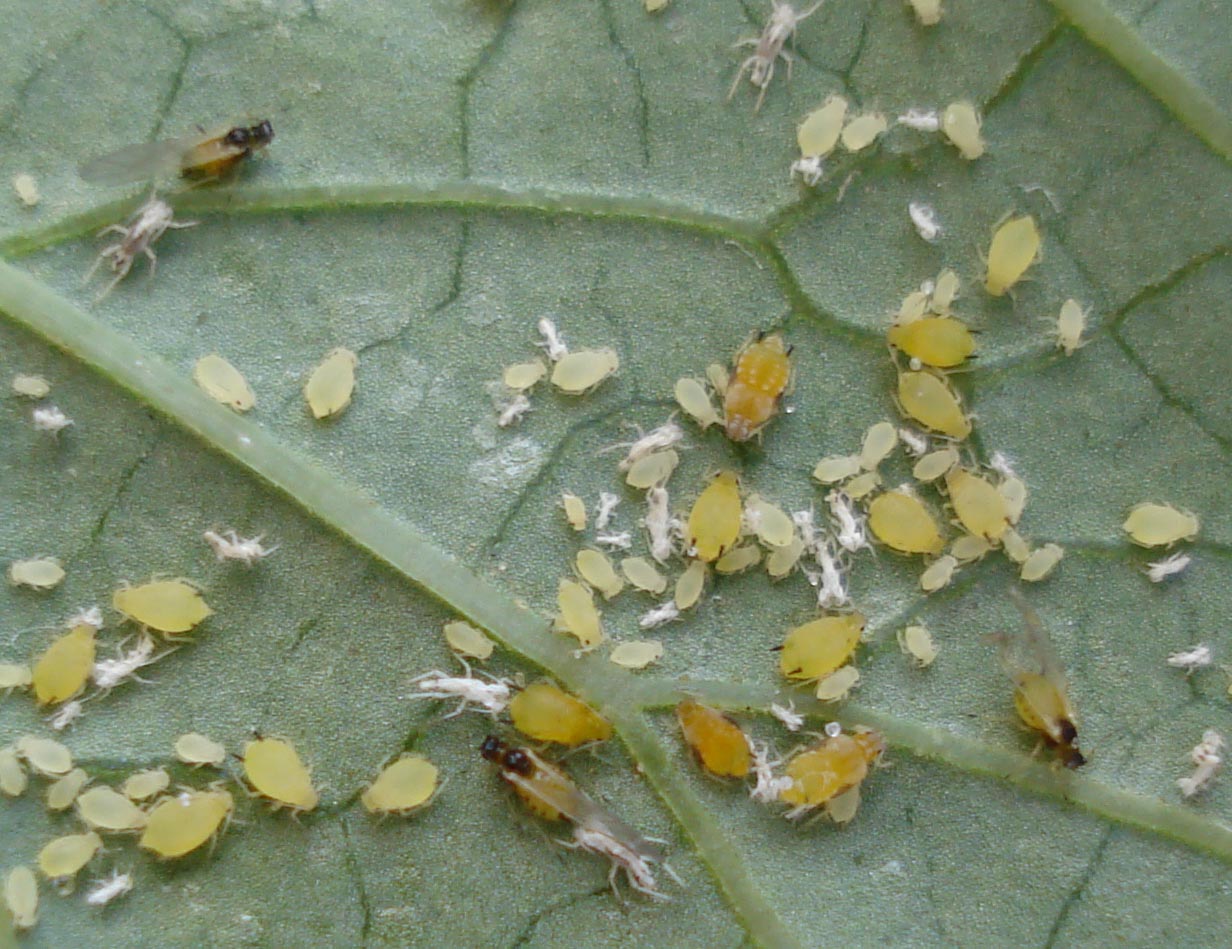
The most dangerous insects for this crop are melon aphids, spider mites and greenhouse whiteflies. If you begin treating plants immediately after the first signs appear, you can prevent a decrease in yield, ensuring normal growth and ovary formation.
Peat moss is also used as a fertilizer, along with rotted manure and wood shavings. Some hobbyists have noticed that insects are more attracted to sweet and white things, so they've tried burying a white-painted board in two or three spots in the greenhouse and applying a little honey to its surface. This creates a makeshift trap for the pests.
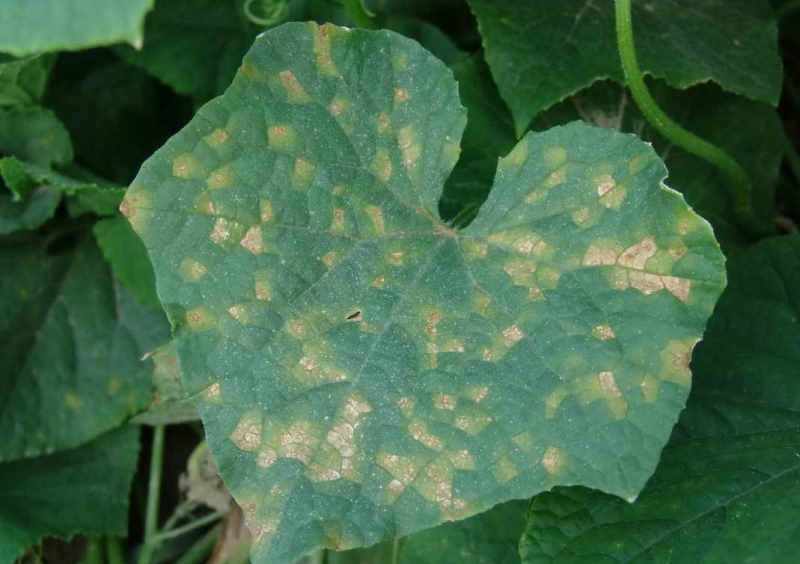
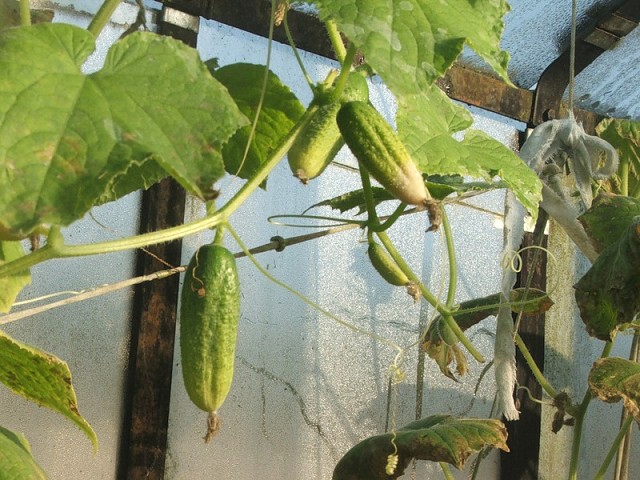
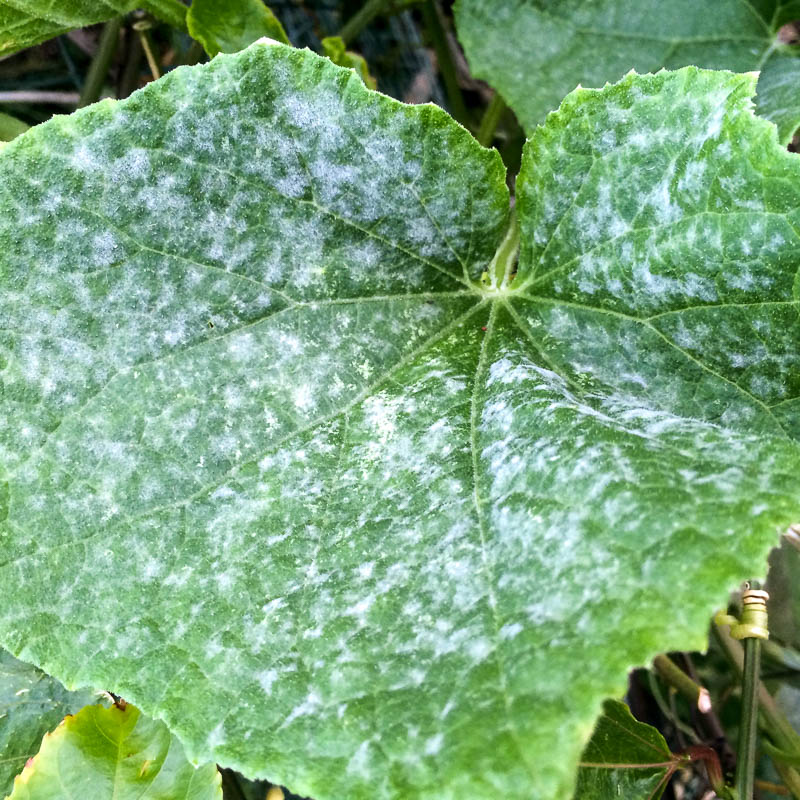
Spraying against certain diseases is also necessary. Common diseases include downy mildew, fusarium wilt, and powdery mildew. To prevent fungal infections, certain cucumber varieties that are highly resistant to their spores can be used. Soapy water, iodine, manganese, and tobacco are often used against diseases.
Video: "Cucumber Diseases and Pests and Control Methods"
The video provides detailed information about cucumber diseases and pests, as well as how to effectively combat them.