
The best recipes for foliar feeding of cucumbers: features of implementation
Content
Pros
Compared to root feeding, foliar feeding has several advantages:
- Speed of action. Nutrients are absorbed through the leaves several times faster than when applied to the roots. Spraying with nutrient and medicinal solutions is a true "first aid" for plants.
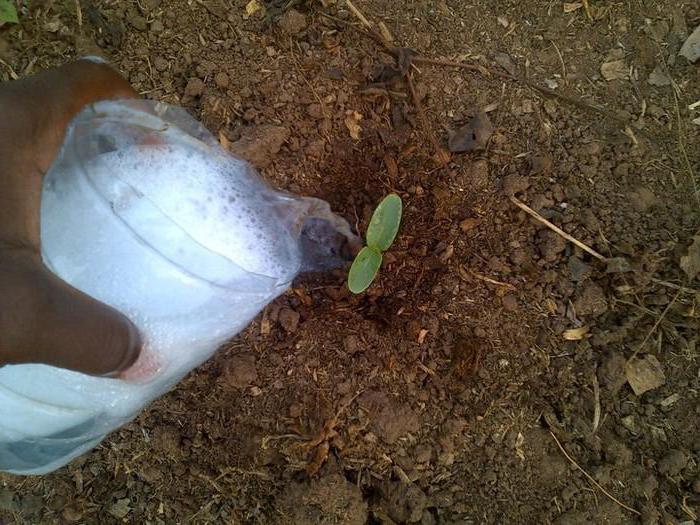
- Rational use of fertilizers. With a high-quality sprayer, fertilizer consumption is much lower than with watering. Furthermore, watering removes a significant amount of the nutrient solution from the soil, where it is inaccessible to the root system, whereas spraying prevents this loss. Importantly, the fertilizer benefits the plant itself, rather than feeding weeds, as happens when fertilizer is applied to the soil.
- Versatility of application. Foliar spraying can be performed at any time, regardless of the growing season.
Video: "Types, Forms, and Application Modes of Fertilizers"
From this video you will learn about the different types of fertilizers, how to apply them, and what they are used for.
What can you feed it with?
Both mineral and organic solutions can be used as fertilizer. When a micronutrient deficiency needs to be immediately replenished, mineral mixtures or micronutrient fertilizers are best. To increase yields, prevent disease, and nourish plants during cold weather, spraying with organic fertilizers and folk remedies is more beneficial.
When diluting mineral fertilizers, it is necessary to strictly adhere to the concentration, and it is best to prepare a solution slightly weaker than indicated in the instructions. The following dosages are recommended for spraying cucumbers with mineral solutions:
- ammonium nitrate – up to 20 g/bucket (approximately 10-12 l);
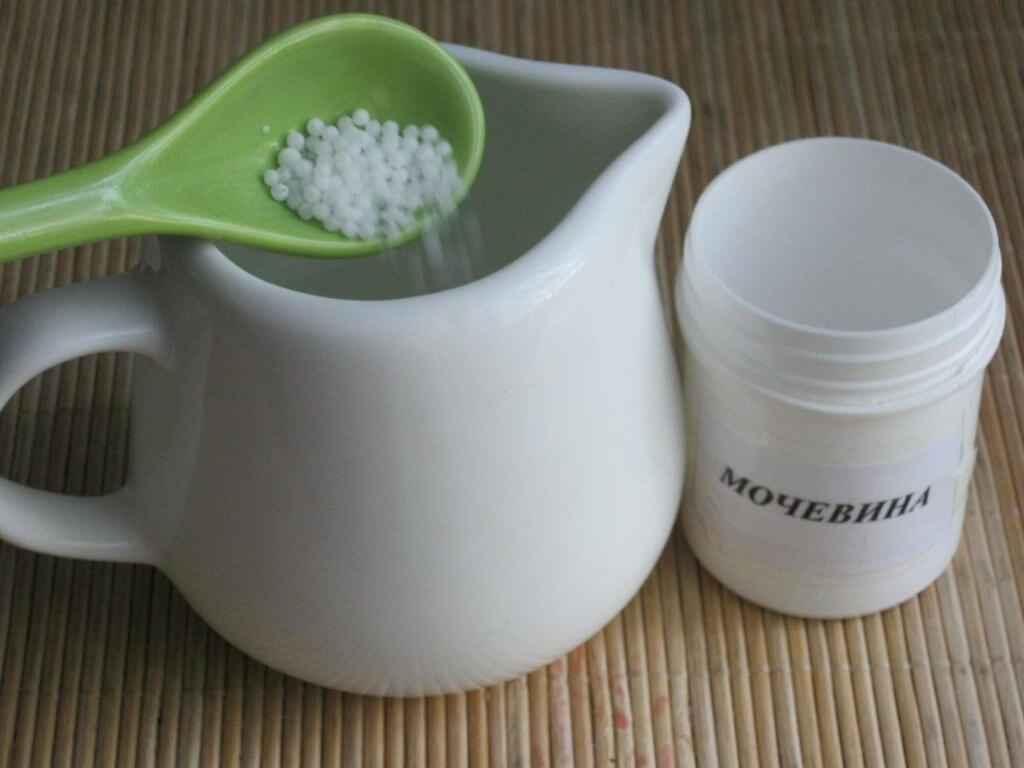
- urea – 40-40 g/bucket;
- superphosphate – simple 300 g/bucket, double – 150-200 g;
- magnesium sulfate – 200 g
- potassium sulfate - up to 100 g;
- potassium chloride – 50 g;
- manganese sulfate – up to 10 g;
- boron (acid) – 2-3 g;
- copper sulfate - up to 2 g;
- ammonium molybdate (replenishes molybdenum deficiency) – no more than 1 g.
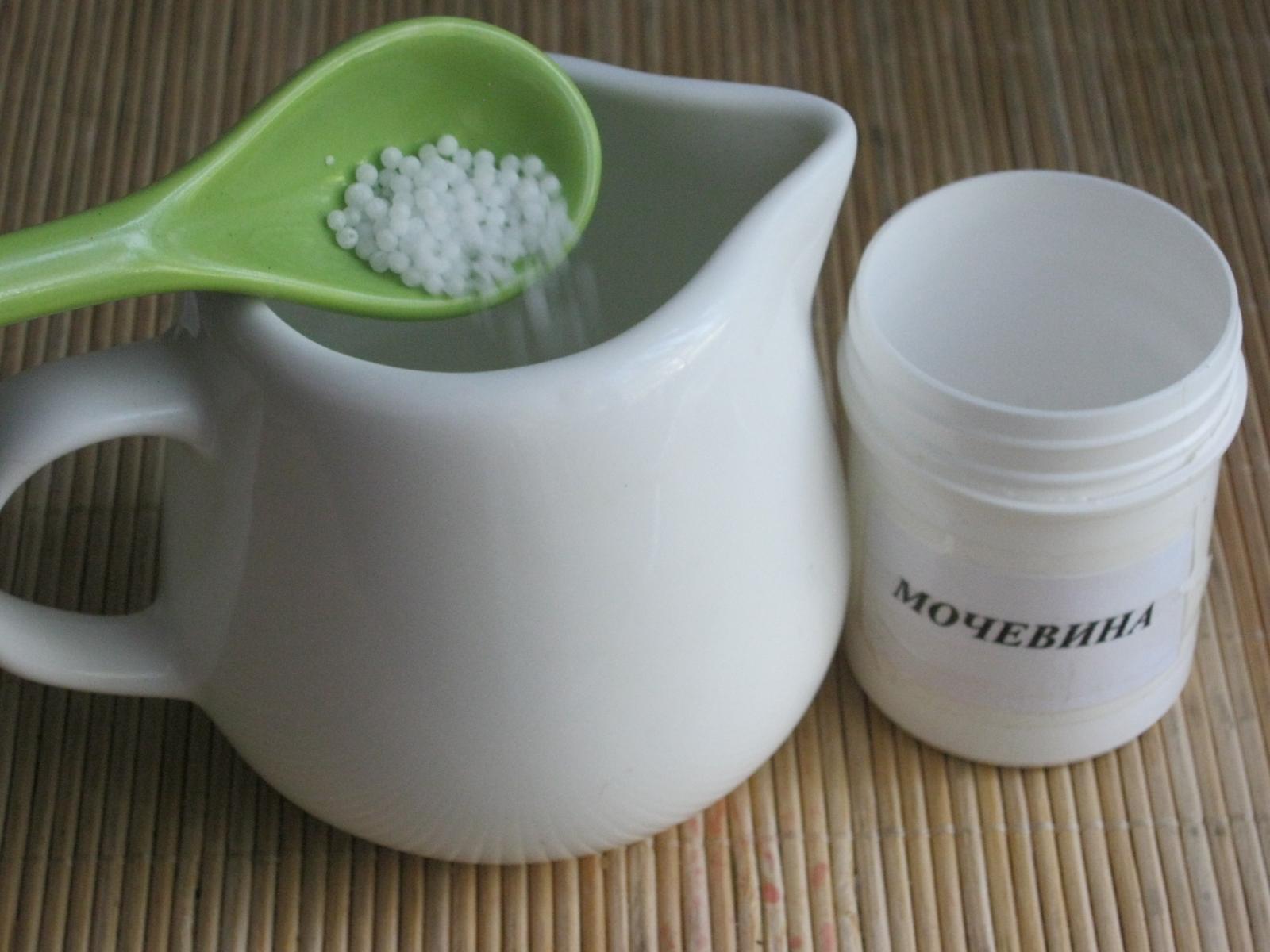
Fertilizers should be selected based on soil characteristics. Among nitrogen mixtures, urea is best suited for neutral soils, but if the soil is highly acidic, calcium nitrate is more effective. Among phosphorus mixtures, ammophos is the most readily absorbed by plants, so it is preferred for spraying. Poorly soluble mixtures, especially potassium ones, are recommended to be diluted in hot water, but the solution must be cooled for spraying.
Organic solutions can include manure or compost extracts in low concentrations. During the ripening process, it's helpful to treat the garden bed with an ash solution (1 cup per 10 liters of water). Pour warm water over the solution, let it sit for 24 hours, and then strain to prevent sediment from getting into the spray bottle. This solution immediately improves the flavor of cucumbers, making them juicy and slightly sweet.
Many gardeners consider a weed infusion, popularly known as "green tea," to be the best way to spray cucumbers. To prepare it, place 5 kg of chopped grass or any weeds in a large barrel, fill the barrel with water, cover with a lid, and let it steep for two weeks, stirring daily.
During this time, the solution should ferment. Then it should be strained, diluted with water at a ratio of 1:20, and then used to treat the beds.
Things to remember
To ensure that foliar feeding is effective and does not harm cucumbers, consider the following:
- Spraying plants with nutrient solutions does not replace the main nutrition - it is only an addition to scheduled feeding;
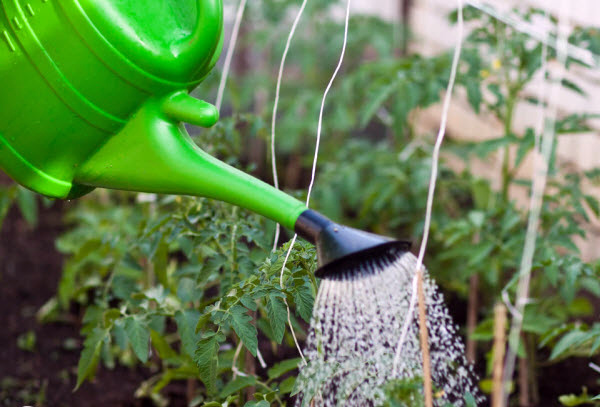
- When diluting fertilizers, do not exceed the dosage - as a result, instead of benefiting the leaves, they may get burned;
- for spraying plants at the very beginning of the growing season, when the leaves are young and tender, solutions of a lighter concentration should be used;
- Spraying is best done in dry, windless, but cool weather. Liquid fertilizer takes at least two hours to be absorbed, so be sure it doesn't dry out early or be washed away by rain.
- Greenhouse cucumbers can be sprayed at any time, but direct sunlight on the plants should be avoided;
- It's not always possible to predict the results of treatment, so when using the product for the first time, first treat a small area or one bush. If nothing bad happens to the plants within 24 hours, then you can spray the entire bed.
When to feed
There are two known cases in which foliar feeding of cucumbers is highly recommended:
- disruption of plant development due to an obvious deficiency of one of the main nutritional elements;
- consistently cold weather with long-lasting low temperatures (12-15°C).
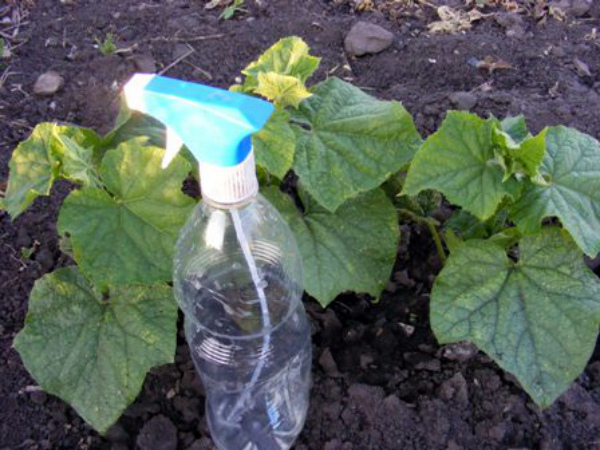
However, many gardeners use such fertilizers for preventative purposes and to increase crop yields. It has been observed that spraying cucumbers with nutrient solutions can significantly extend the fruiting period and, consequently, yield a higher yield. For this purpose, foliar feeding is performed during the following periods:
- at the beginning or during flowering - spraying with urea during this period promotes abundant flowering, the formation of a greater number of ovaries and an extension of the fruiting period;
- at the very beginning of fruit ripening, to strengthen the ovaries, cucumbers are treated with microelements (Uniflor is a preparation containing 18 microelements);
- Towards the end of fruiting, when the harvest is dwindling and the shoots are drying out, treatment during this period helps restore the green mass and prolong the life of the shoots.
-
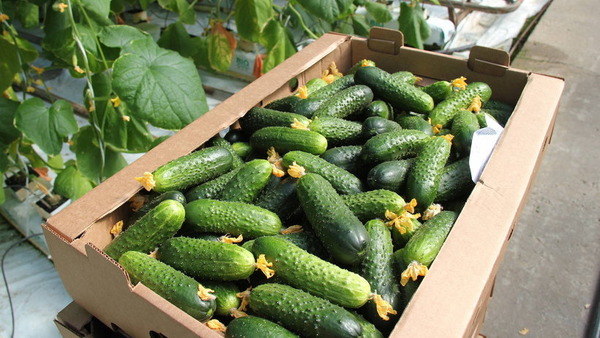
Spraying cucumber seedlings is common practice when the first true leaves form and shortly before transplanting. Foliar feeding can be done every 7-10 days, using various fertilizers. Spray cucumbers in the evening or on cloudy days, as the solution dries quickly in direct sunlight and its effectiveness is reduced.
Video: "How Feeding Works"
This video will show you how foliar feeding works on cucumbers.