
Secrets to growing cucumbers outdoors in the Moscow region
Content
The best cucumber varieties for the Moscow region
Not sure which variety to choose? Consider the following characteristics of this vegetable to help you make the right choice:
- ripening period;
- application;
- pollination method.
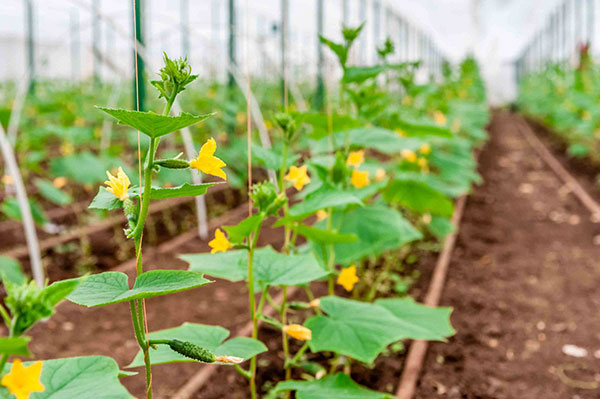
Hundreds of cucumber varieties are suitable for planting and growing in the Moscow region's climate conditions. However, the following varieties are considered the best: Altai Krai, Nezhinsky Mestny, Vyaznikovsky, the hybrids Sovkhozny and Velikolepny, Konkurent, Soyuz, Nerosimy 40, Urozhayny 86, VIR 505, as well as the selected hybrids Metelitsa, Zhuravlenok, Rodnichok, Solovey, Petersburg Express, Annushka, Masha, Klavdiya, German, Fermer, Po uch'emu veleniyu, and others. Experienced farmers recommend growing 3-7 different cucumber varieties simultaneously in open ground.
Timing for planting cucumbers in the Moscow region
The next "secret" to growing cucumbers outdoors in the Moscow region is determining the appropriate sowing periods. To ensure you have delicious, watery vegetables, start sowing their seeds in late May or early June. You can extend the sowing period until the 20th of the first month of summer. With such an extended sowing period, a harvest is guaranteed through September.
Preparing the garden bed
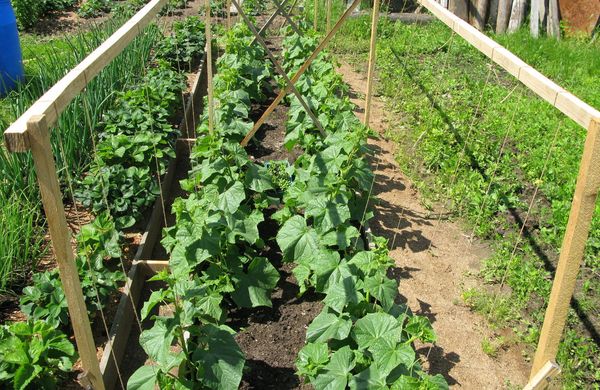
Want to reap a bountiful cucumber harvest? Then you need to take care of the soil where you'll sow the seeds in the spring and summer. The success of a particular variety depends greatly on the previous crop grown in a given garden or field. Tomatoes, cabbage, onions, bell peppers, and peas are ideal predecessors. However, it's best to avoid sowing in open ground where beans were previously grown. Soil used for beans is often affected by white rot.
Preparing the land for subsequent sowing begins in the fall. The soil is covered with a layer of rotted manure. It's important to correctly calculate the required amount of organic fertilizer. For example, following the recommendations of experienced agricultural workers, apply 6-8 kg of fertilizer per 1 m² of soil. Next, the soil is dug over, and plant debris is removed. For greater fertility, farmers recommend sowing different varieties of cucumbers in a "warm" bed. The warming effect is created by the decomposition of plant waste (sawdust, straw, fallen leaves from the previous year, and grass clippings).
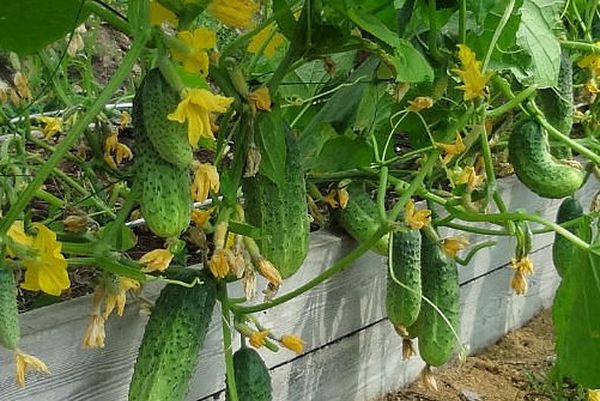
Avoid using vegetable tops, as they can carry various diseases or act as a breeding ground for insect larvae. Burn the tops from last year's vegetable crops, and sprinkle the resulting ashes on the soil in the field. Spread the plant debris evenly over the open area, compact it, water the soil thoroughly with warm water, and sprinkle wood ash and chalk on top. Then cover with plastic wrap and let it sit for 24 hours.
Next, a new layer of soil, consisting of turf, sawdust, peat, and humus, should be leveled on the surface of the plot. This soil, better known as a "layered pie," is covered with a thick film and left in this state until planting time—that is, until spring. Preparing "warm" soil requires a great deal of attention, time, and effort, but this method helps increase the yield of cucumbers of any variety.
Planting and further care
In the Moscow region, vegetable crops can be planted in open ground using seeds rather than seedlings. The seeds are soaked first and then moved to a warm place to germinate. How do you plant different varieties of cucumbers?
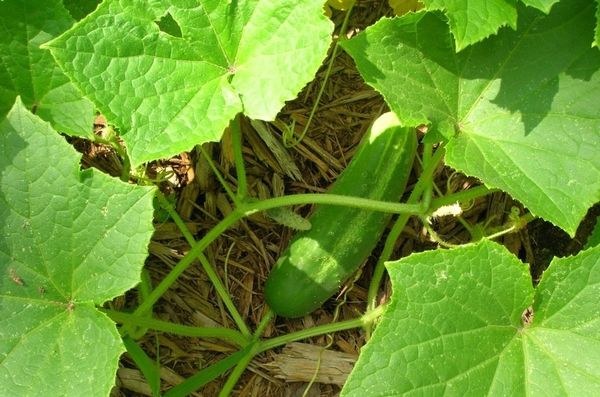
Sow the seeds in furrows or holes 1–2 cm deep. Cover the seeds with moist soil, compacting the soil lightly. Cover the entire surface with plastic film, which is removed when the cucumbers first emerge.
Growing vegetables in an open garden plot will be successful only with proper watering and fertilization. Organic fertilizers (cow manure, chicken, pigeon, or rabbit manure) are used, as well as ready-made fertilizers such as "Effekton," "Agricola," and "Energen," which should be diluted and applied according to the instructions. Water the crops with warm water every 2-3 days or as the soil dries out.
Formation of cucumbers
One of the important stages of growing cucumbers is the formation of bushes.
This procedure is used to increase yield. Bush shaping involves pruning side shoots, removing yellowed or rotted foliage, pinching, and staking. All work is best performed in the first half of the day, as this allows damaged areas to dry out more quickly.
Video: "Cucumbers in the Open Ground"
In this video you will hear useful tips on growing cucumbers.