
The best cucumber varieties for growing in the Leningrad region
Content
Selecting seeds for planting
Why can't vegetables grown in one region be grown in another? The state testing system includes plots where varieties are grown, and various hybrids are considered for registration. They are evaluated competitively based on a variety of parameters. The State Variety Testing Commission approves the variety or hybrid for zoning in a region with a similar climate. This registry is updated with hundreds of new varieties every year.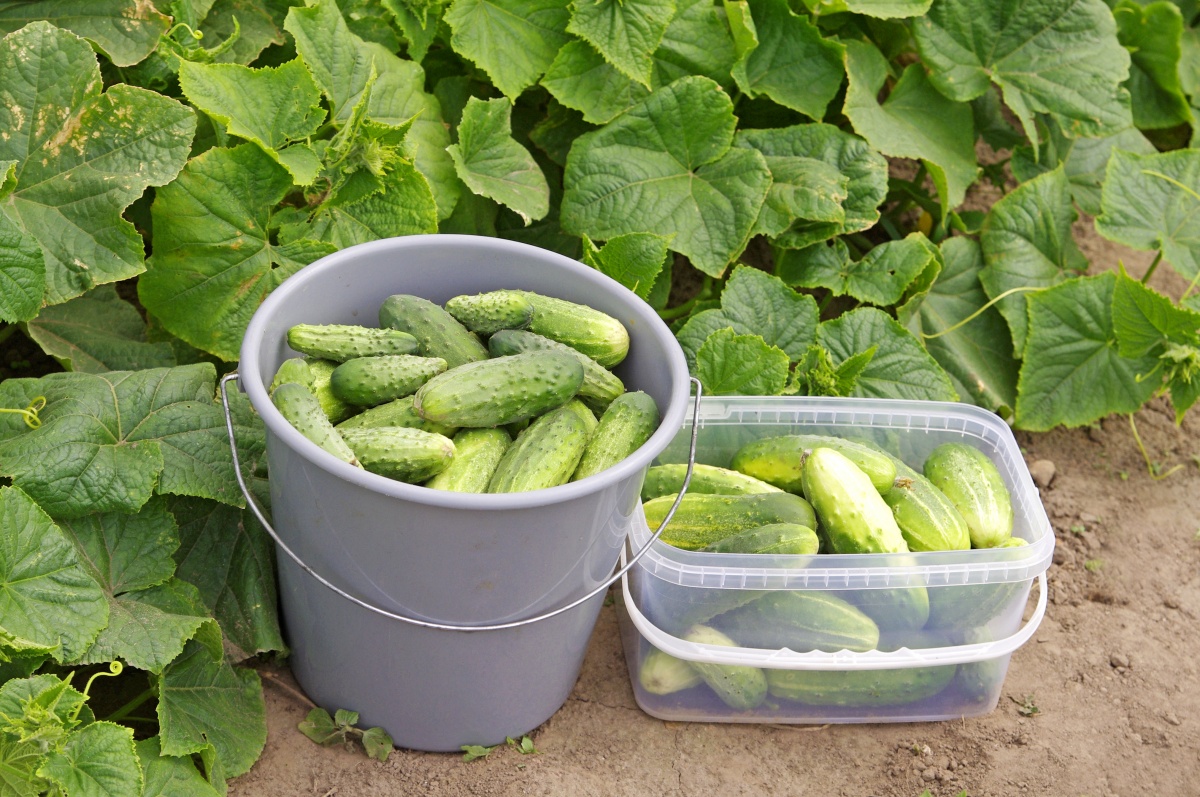
To qualify for inclusion on this list, a variety undergoes several years of testing in various regions of the Russian Federation. Many varieties are imported from abroad, but they fail to thrive. Such seeds are often untested for disease, which makes these cucumbers susceptible to disease and, on top of that, they bring foreign diseases to Russia.
Some gardeners breed their own varieties. Many think this is harmless. However, their seeds are often unsuitable for a particular variety. They are low-yielding and easily susceptible to disease. Furthermore, seed breeding requires adhering to numerous requirements. Self-taught gardeners don't even know these requirements exist; they simply breed at random. Professional breeders maintain their varieties constantly. By selecting the best cucumbers, they produce seeds that are ideally suited to their chosen climate—in our case, the Leningrad Region. Selecting the very best plants from a reference nursery that produce only original seeds, they then implement strict quality control to ensure the new variety produces the same seeds. Breeders do not allow seeds that do not meet GOST standards for sale.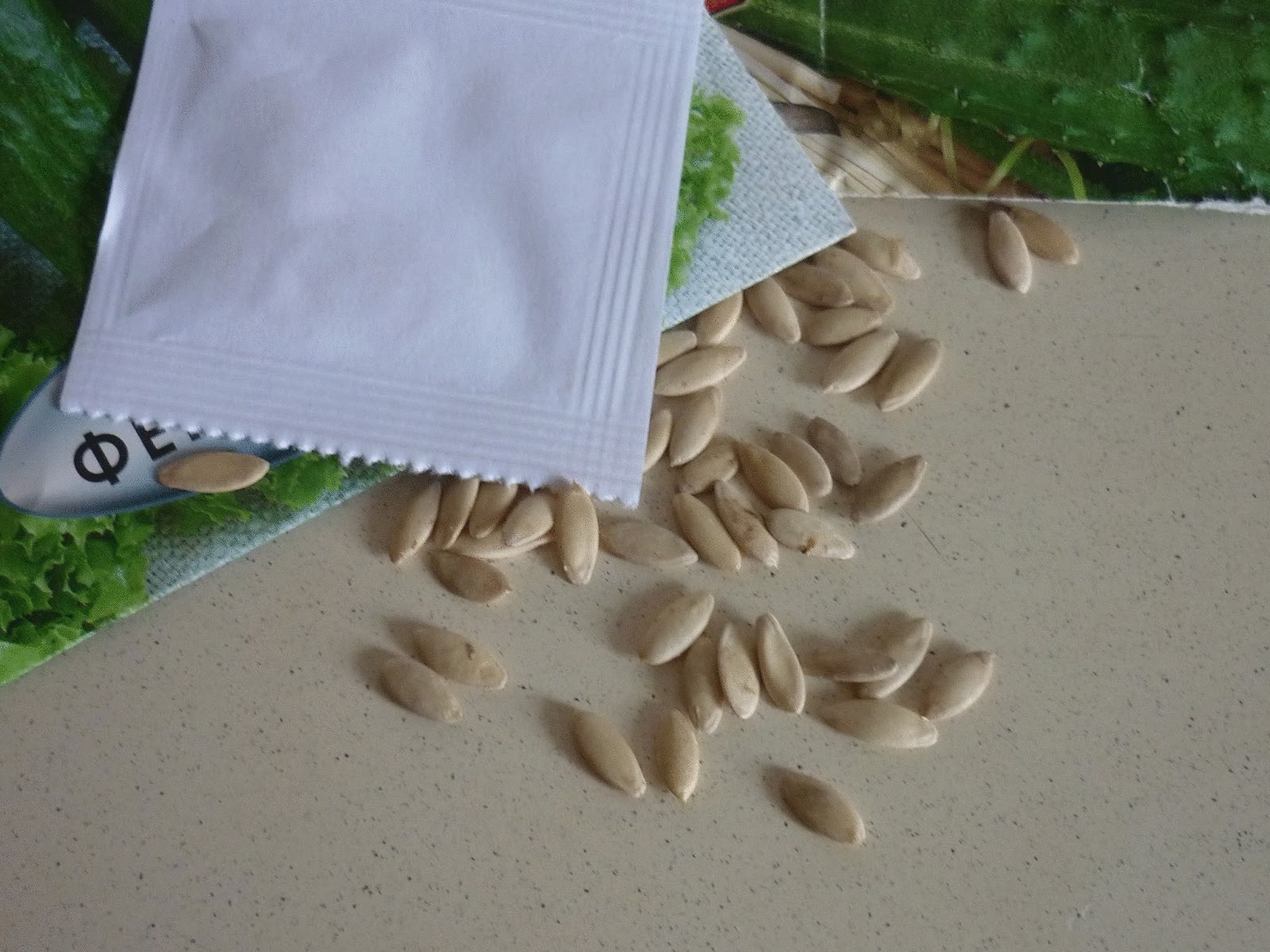
It's also important to remember that breeding is carried out away from other species and crops to prevent cross-pollination. This is impossible to achieve in a summer cottage. Gardeners also try to grow hybrids themselves, and often fail. Why? Because the breeder crosses the parental lines with bees or even by hand, as only a variety bred in such conditions produces the desired effect. Subsequent reproduction, however, results in the loss of all the advantages and the amplification of all the disadvantages.
Therefore, the best solution is to purchase seeds that are prepared for the soil and climate of your particular area.
Buy seeds only in branded packaging. Pay attention to the packaging bags. Overly brightly colored bags should be a warning sign. Russian-made seeds are often packaged in the simplest paper bags, but they are of very high quality.
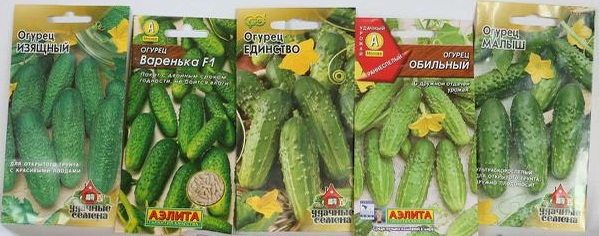
Before you go to the store, think carefully about what you want to buy, because when you see hundreds of beautiful packages, you won't even know what to buy. Avoid buying seeds at markets, stalls, or from anyone who can't provide you with documents. The date on the packaging must indicate the sell-by date. Choose packages with stamped dates, as printed dates are very easy to counterfeit. The package itself should also indicate the name of the crop, the characteristics of the cucumbers themselves, the weight of the seeds, whether they comply with GOST standards, the manufacturer's contact information, the country barcode, and the batch number. Packages often include sowing recommendations and a photo of the fruit itself. Sometimes gardeners buy counterfeit products, tempted by the low price. Remember that cucumbers bred in the CIS are not tested in Russia, since the climate is almost identical. Therefore, refer to the certificates of that country and check whether the varieties are suitable for you. Truly imported seeds undergo full testing.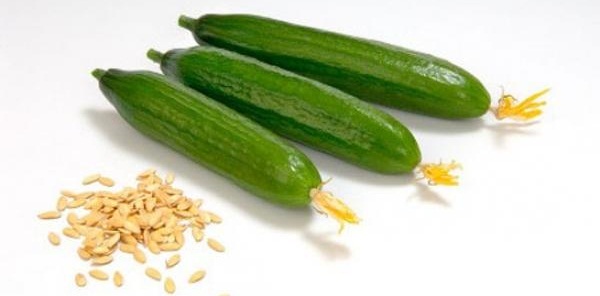
You almost never see the germination percentage on the seed packaging. However, the seller is required to have a quality certificate. After purchasing the seeds, be sure to keep the receipt and, after sowing, save the packet. If you collected both, you can contact the seller if you have any problems. If they claim they are not at fault, you can take legal action, since you have proof of purchase from that seller!
Varieties for growing in greenhouses
Gardeners are very fond of the Hercules F1 hybrid. Its spindle-shaped fruits weighing 160 grams are a late-ripening variety. It takes two months from germination to fruiting. The flowering type is mixed. The main drawback of this variety is that it requires bees to pollinate it. Therefore, pollination in a greenhouse will need to be done manually.
Emelya F1 is suitable for any type of consumption. It was specifically bred for growing under plastic or in a greenhouse. It's fast-growing, reaching maturity in just 1.5 months. It has numerous vines and requires no pollination. The yield is quite high, with fruits averaging 13-15 cm in size and weighing 130-170 g. It thrives in heated greenhouses. Some even say it's the best cucumber variety in the Leningrad Region.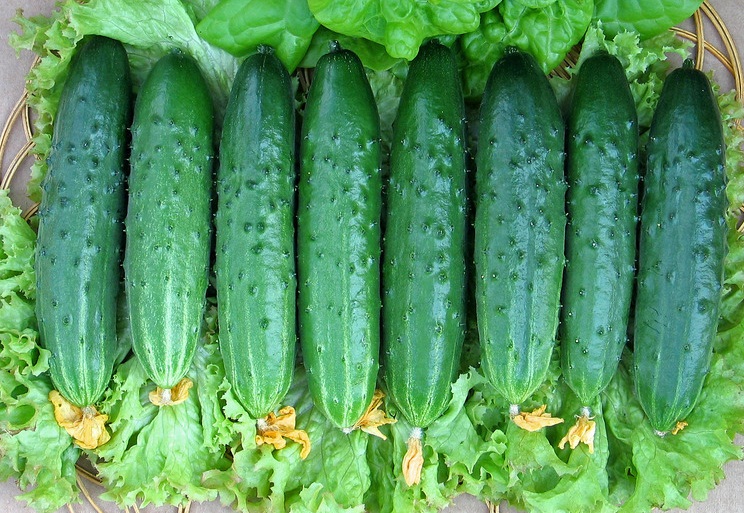
Annushka F1 is a bee-pollinated variety with a mid-season ripening season. Its flowering pattern is mostly female. Its leaves are medium-sized and bright green. It produces cylindrical fruits with short stripes. They average 10 cm in length and weigh approximately 110 g. They are ribbed and have medium-sized tubercles. This variety is popular for its disease resistance.
Dynamite F1 thrives under plastic, especially if left unconstrained. The cucumbers have a beautiful cylindrical shape, with fruits weighing approximately 110-130 g and reaching 12-15 cm in length. They do not require pollination.
The very popular Zozulya variety was one of the first hybrids in our country. They have a huge yield, and the fruits are very tasty. They are very similar to the September late-ripening cucumber.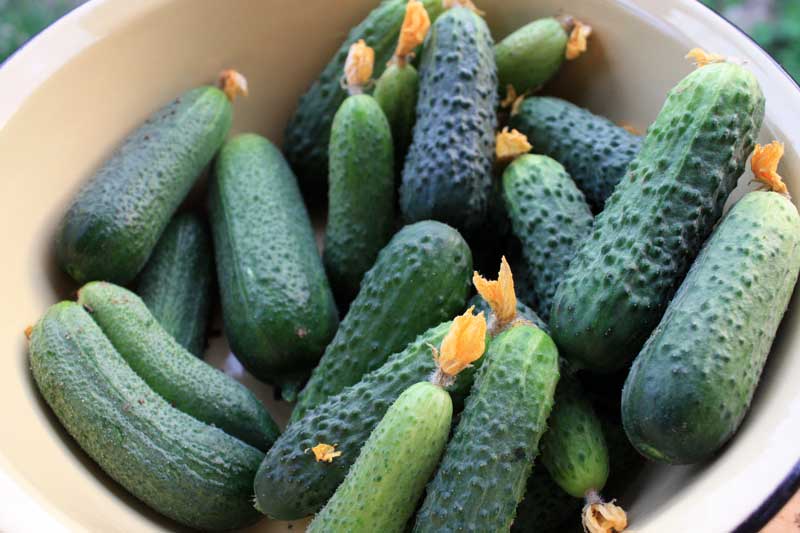
The Timur and Legend varieties have short stems and grow well under plastic cover.
Video: "Cucumber Varieties for Open Ground"
In this video, you will see which variety is best for planting in open ground.
Varieties for growing in open ground
The early variety Konkurent is a very good one. Many people like it because it's resistant to bacterial diseases. It's also perfect for making pickles. It's a mid-season variety, with the time from germination to harvest being about 1.5 months. Soil quality and water balance are crucial for Konkurent.
These elegant cucumbers have a wonderful flavor and a refined shape, making them perfect for fresh spring salads. This cucumber rarely turns yellow.
Cascade cucumbers are perfect for those who like a crunchy bite. Their surface is bumpy.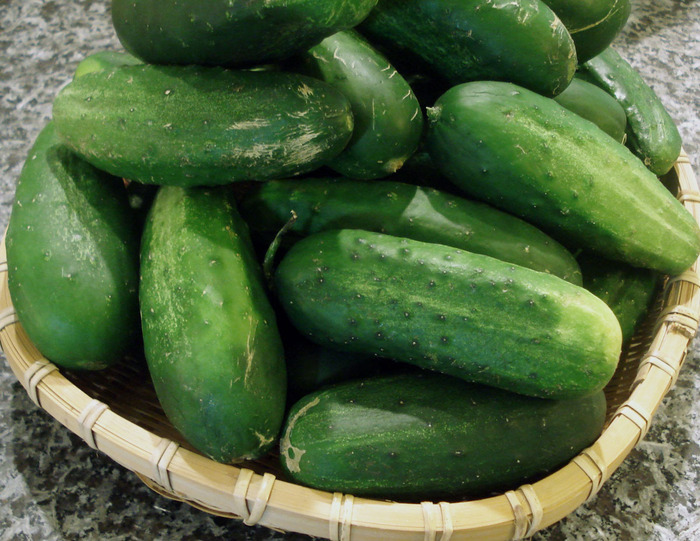
Altai cucumbers are perfect for the impatient, as they ripen within a month of germination. They have a pleasant light green color and a small, neat shape.
Vodolay cucumbers are ideal for those who want to pickle them for the winter. They're also an early-ripening variety.
Rodnichok cucumbers are bee-pollinated and quite productive.
Many varieties are hybrids labeled F1. This designation indicates that the hybrid was created by crossing first-generation seeds. These cucumbers are very hardy and delicious. Remember, you cannot collect seeds from these cucumbers. So, you can't plant this marvel and will need to buy seeds every year.
Leader F1. These cucumbers are sown in mid-spring, and the seedlings are planted in early summer. Only 4-5 leaves are needed for planting in open ground. Excellent for canning.
The F1 suitor bears fruit within two months of planting. This variety produces mostly male flowers, making it quite hardy.
Fair cucumber F1. An early variety with female flowering. Seedlings are best sown in mid-spring and planted in the ground in early June. These cucumbers are very sweet.
Twixy F1 produces fruit very early, is easy to care for, and is disease-resistant. It's suitable for both marinades and salads.
Antoshka F1 is an excellent pickling cucumber. It's knobbly, mid-season, and short-fruited. It produces quite a large yield.
Brigantine F1 has a stable yield and is an early-ripening variety. Mineral fertilizers improve disease resistance.
Some pickling varieties require harvesting, and sometimes don't differ in age or size. These include the "Religion" and "Delicates" varieties.
Hybrid varieties can be bee-pollinated or self-pollinated. The latter do not require special pollination.
It's also important to remember about male and female cucumbers to avoid barren flowers. Male cucumbers have a triangular shape, while female cucumbers have a tetrahedral shape.
Hybrids with a long fruiting period have become fashionable. For example, "Lapland F1," "Petersburg Express F1," and others. It's best to plant both early-ripening and late-ripening varieties in the same plot—then you'll have cucumbers all season long.
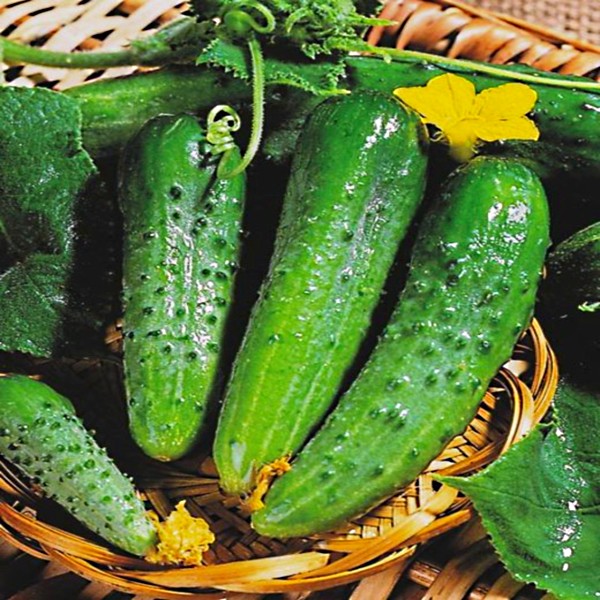
If you or your neighbors have had cucumbers that have become diseased in the past, choose disease-resistant varieties. For example, "Adam F1," "Nastenka F1," and so on. Don't trust claims of super frost resistance; such varieties don't exist. If the average air temperature drops below 7-8 degrees Celsius, the cucumber will simply die. So, if you plan to grow cucumbers in winter, it's better to choose greenhouse varieties.
Video: "Cucumber Varieties for Greenhouses"
This video will tell you which varieties of cucumbers are best to plant in a greenhouse.