
Growing and caring for cucumbers from A to Z
Content
Watering
During active growth and fruiting, all summer long, cucumbers require regular watering due to the structure of their root system. As is well known, cucumbers are 95% water, so a lack of moisture will significantly reduce the quality of the seedlings and the taste of the cucumbers, making them bitter and impossible to overcome. A lack of water causes darkening and brittleness of the leaves, putting the plant under stress.
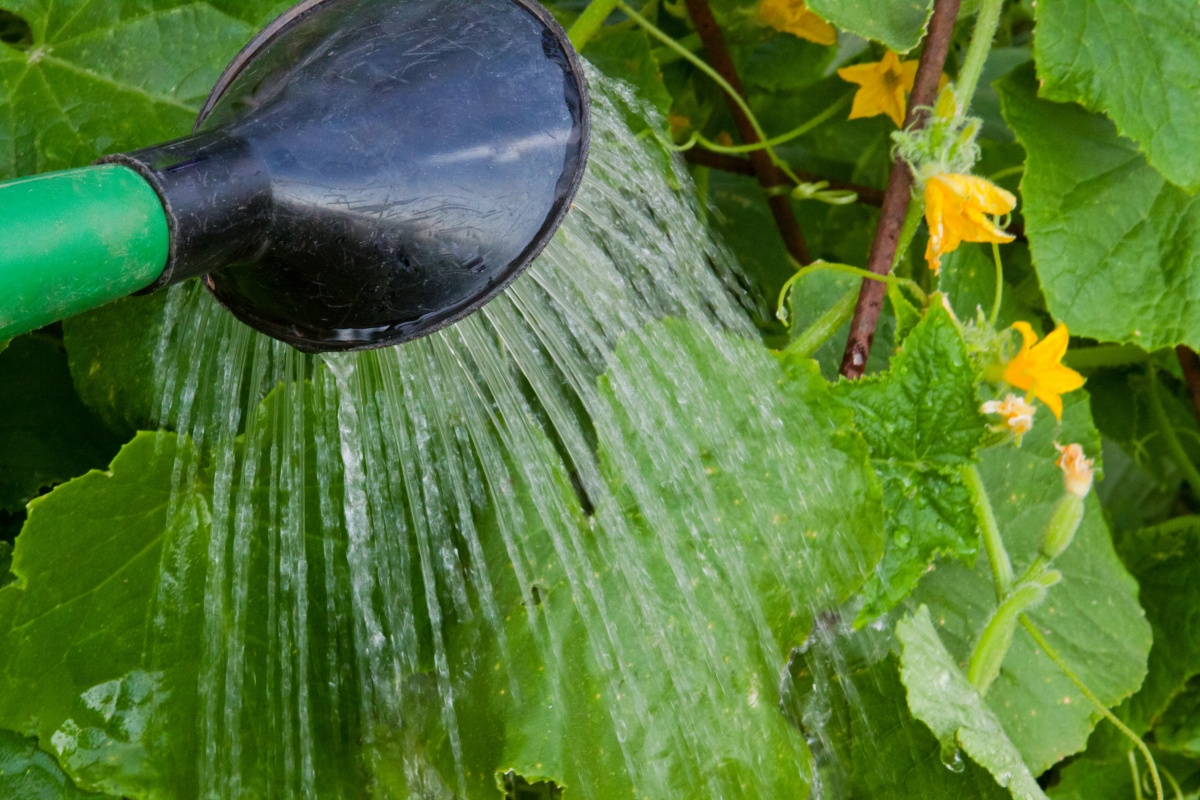
The first watering of seedlings is done when the soil is partially dry, allowing the future seedlings to develop strong stems and a robust root system. For young plants, a bucket of water per square meter is sufficient, while for mature plants, pour a bucket of water under each bush, being careful not to splash it on the leaves or wash away the roots.
Watering is done in the evening or early morning, when the sun is not active. The water temperature should not fall below +10 to +12°C.OOtherwise, cucumbers stop growing, and gray mold develops on the bushes. Watering cucumbers with a hose is not recommended. It's better to use well-settled water at home.
Regardless of variety, it's recommended to water plants at least once every 6 days before flowering and every 3-4 days during the fruiting period. In hot weather, water more often, almost daily. Dry soil is the main indicator.
Gardeners often mulch their cucumber beds using grass clippings or rotted hay. This prevents the soil from drying out and prevents weed growth. If the soil has formed a crust from frequent watering, it's best to puncture the soil to a depth of 15 cm.
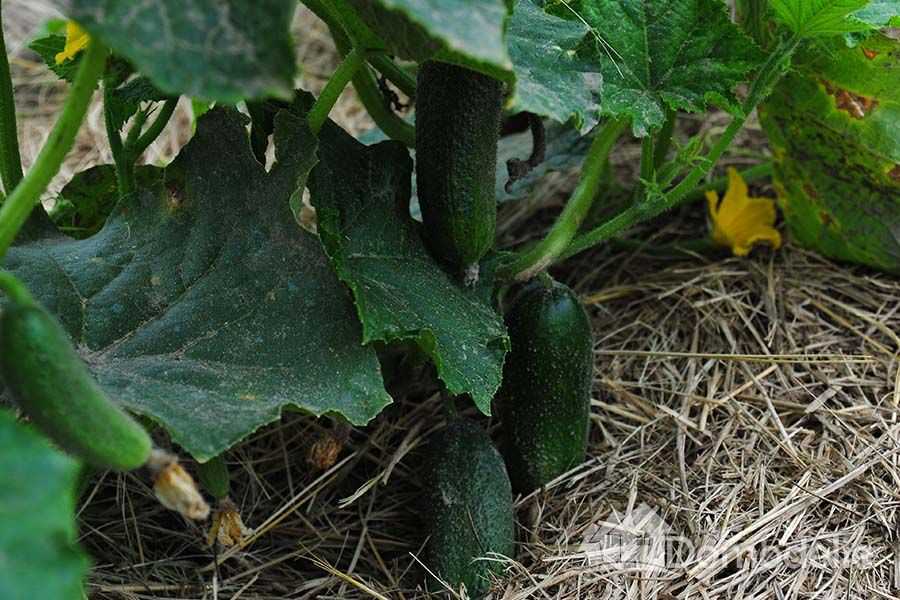
Caring for cucumbers outdoors depends on rainfall, as excess moisture leads to root rot. If the summer is rainy, drainage ditches are dug near the beds to drain water. Excess moisture reduces the amount of oxygen in the soil, causing the tops to turn pale green and prevent the cucumbers from forming. The optimal humidity for any variety is 80%.
Weeding and loosening
Given the delicate root system of cucumbers, typical of all varieties, weeding and loosening the soil must be done very carefully. It is recommended to do this after each watering or heavy rain, carefully lifting the vines.
For the first three weeks, young seedlings are constantly loosened to a depth of 4 cm, and then loosened at least once a week.
Hilling should be done correctly several times per season, which will help the plant grow new roots and will be an excellent preventative against fungal diseases.
Fertilizers
A good harvest for any variety depends on timely and high-quality fertilizing. Otherwise, the plant begins to suffer, and the fruits become small and unsightly. On average, greenhouse plants receive 5-6 fertilizing applications per season, and varieties grown outdoors near the house receive at least 3.
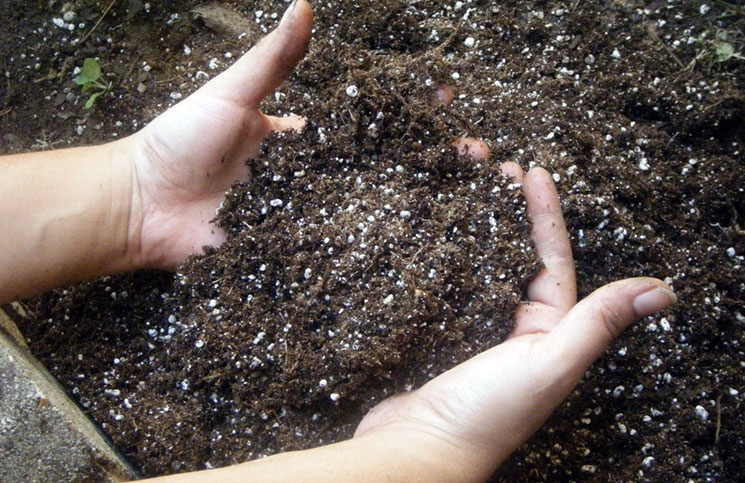
It's also crucial to consider soil acidity, which should be within 7 pH range; otherwise, cucumbers will produce a poor harvest and stop growing. Acidic soil should be limed beforehand.
Three weeks before sowing seeds, it is recommended to apply mineral fertilizers, including 10 g of nitrogen, 12 g of phosphorus and 12 g of potassium.
The first application of fertilizer should be done after thinning the seedlings, when the first two or three leaves appear. You can use mullein—one liter of a thick solution diluted in 10 liters of water—or the same amount of chicken manure with added ash (2 cups per 10 liters of water). For mineral fertilizer, use a mixture of 15 g of urea, 50 g of superphosphate, and 15 g of potassium sulfate, diluted in 10 liters of water. This amount of fertilizer is enough for 10-15 plants.
When cucumbers begin to bear fruit, fertilizers are increased several times with nitrogen and potassium. Fertilization is performed on average up to four times, and varieties that grow in sandy loam and sandy soils are best fertilized using drip irrigation. The solution is made from a mixture of 1 tablespoon of nitrophoska and 1 cup of chicken manure, diluted in 10 liters of water.
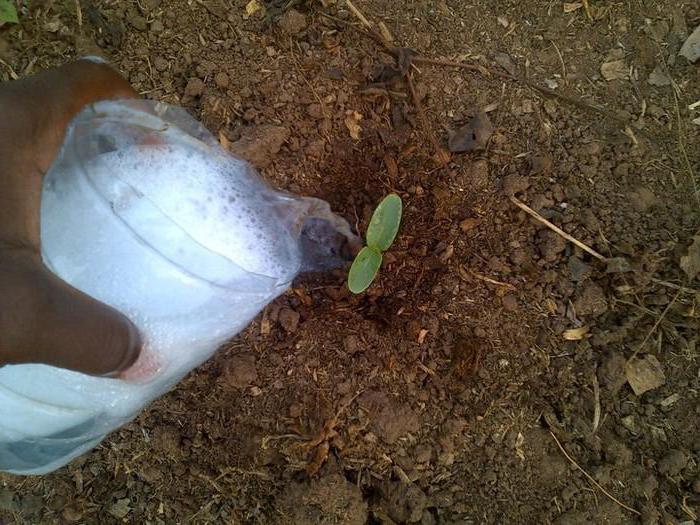
For subsequent fertilizing, you can add 1 teaspoon of potassium sulfate and 0.5 liters of mullein. Approximately 4-6 liters of solution are used per square meter of planting. If desired, you can use any other natural humic fertilizers you have at home, such as Kormilets, Ideal, Plodorodie, or simply sodium humate.
It's important not to burn the leaves of the bushes when applying fertilizer to the soil around the plants. This procedure should be carried out in warm weather, as the roots have difficulty absorbing nutrients on cloudy and cold days.
Yellowed leaves and deformed fruits indicate a lack of nutrients.
If you carefully examine your freshly harvested cucumbers at home, you can tell by their shape what the plant needs and how to help it. When the soil is low in potassium, the fruits resemble pears, while insufficient nitrogen leads to the formation of pale, curled tips. Cold watering and temperature fluctuations cause cucumbers to develop a characteristic "waist," while irregular watering and cross-pollination of hybrid varieties lead to the formation of crooked and arched fruits.

When it comes to caring for cucumbers, remember that they shouldn't be planted after any pumpkins, but cabbage, onions, corn, peas, tomatoes, and green manure are excellent predecessors.
Formation
One of the most important procedures affecting the quantity and quality of fruit is bush training, which involves proper pinching and tying. This will promote the development of lateral shoots with female flowers, and in a greenhouse, it will prevent the foliage from becoming overgrown.
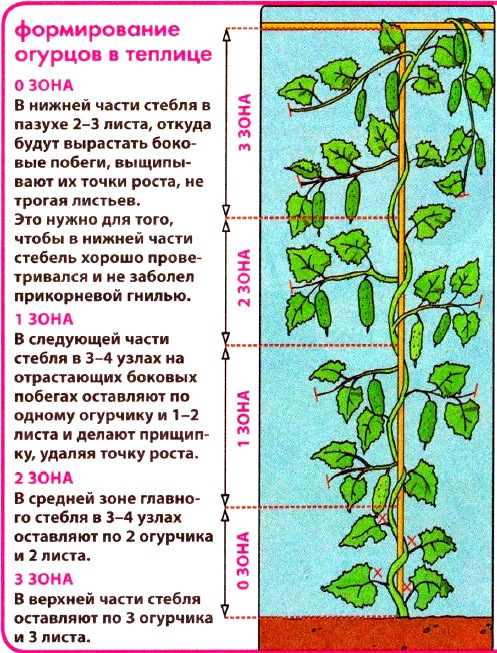
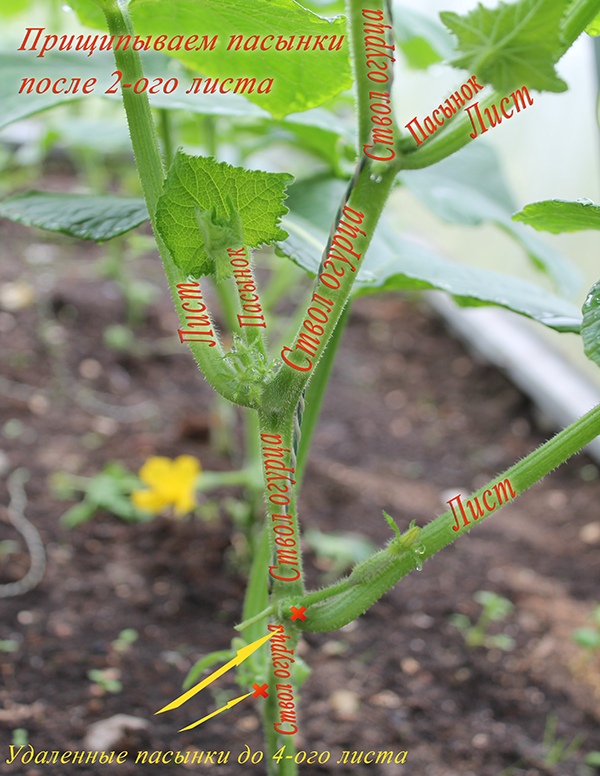
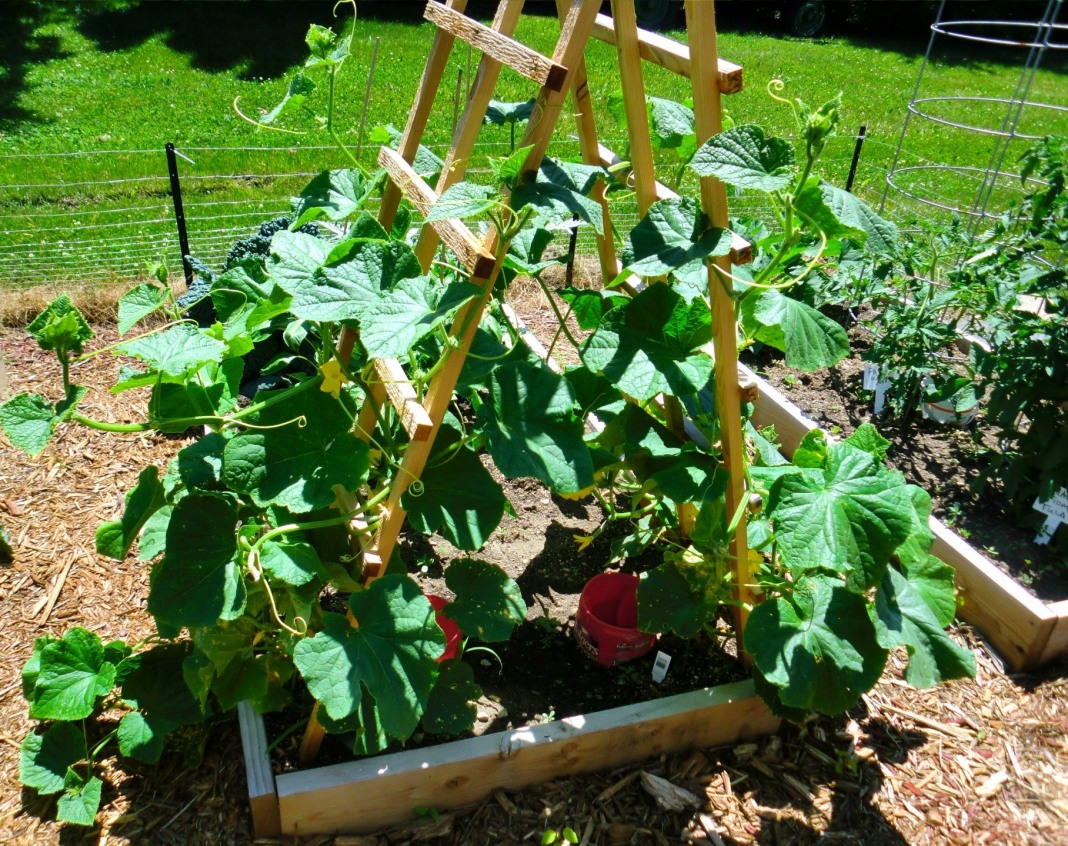
When pinching a plant, you should take into account the cucumber variety, as hybrids and insect-pollinated species have their own differences in care.
The most common method of bush formation includes several stages:
- a few weeks after planting, the young plant is tied to the trellis using twine, wrapping the stem with a loose loop;
- the formation of each plant is carried out into one main stem, preserving the lateral branches, carefully plucking flowers or shoots in the axils of the first four true leaves;
- the next 5-6 lateral shoots are left, but the top is pinched, keeping the length at about 20 cm;
- then shoots up to 30–40 cm long are left on the bush, pinching their tops;
- the topmost lateral shoots should be no more than 50 cm, they are carefully fixed with twine to the support;
- The main shoot, having reached 60–70 cm, is placed over the trellis and pinched.
There is no need to form early ripening varieties, but for mid-season and late ripening cucumbers this is a mandatory measure.
Video: "Growing Cucumbers. Forming Bushes"
The video's author explains and demonstrates how to grow cucumbers outdoors. Shade netting, trellis, pinching off side shoots, fertilizing, and preventative spraying are all involved.
Collection
Regular fruit picking, at least two to three times a week, promotes the active formation of new ovaries and a bountiful harvest in your home.
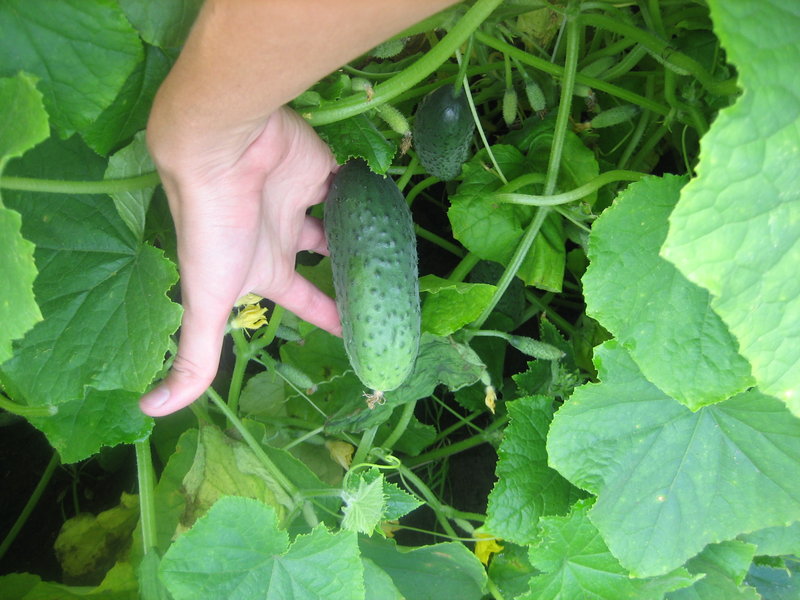
Depending on their purpose, the cucumbers are harvested in the following manner:
- the optimal size of cucumbers for canning is 8 – 10 cm;
- fruits for pickling should not exceed 8 – 18 cm;
- It is better to harvest salad varieties at a size of 12 cm.
If a cucumber becomes overgrown, it will begin to turn yellow and interfere with the growth of other fruits. It's also not recommended to leave deformed cucumbers with spots or scratches on the bush, as this could indicate pest or virus infestation.
Gardeners have noted an interesting fact about the most common species: frequent harvesting results in the formation of fruits for canning, while less frequent harvesting produces cucumbers for pickling or salad.
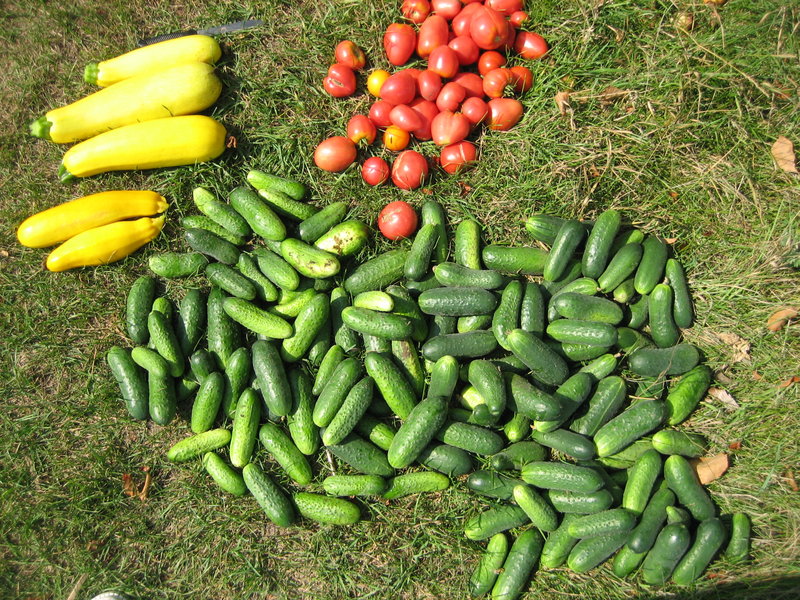
It's important to properly separate the cucumbers from the stems, cutting them with a knife without twisting the vines. This procedure is best performed in the morning or evening.
At home, the harvested crop is stored in a cool, dark place.
Video: Growing Cucumbers on a Trellis
A video about the benefits of growing cucumbers on a trellis, as well as how to properly shape cucumbers.