
How to choose fertilizer for cucumbers
Content
Fertilizing methods
The first feeding should be carried out according to the instructions, approximately 15-20 days after planting, the second – when the cucumber blooms, and the third – when it begins to bear fruit. The fourth and subsequent feedings are aimed at prolonging the life of the cucumbers as much as possible. Remember, if the cucumbers are growing well on their own, don't rush with feeding – it can be postponed! However, if the cucumbers are relatively weak, they should still be fed.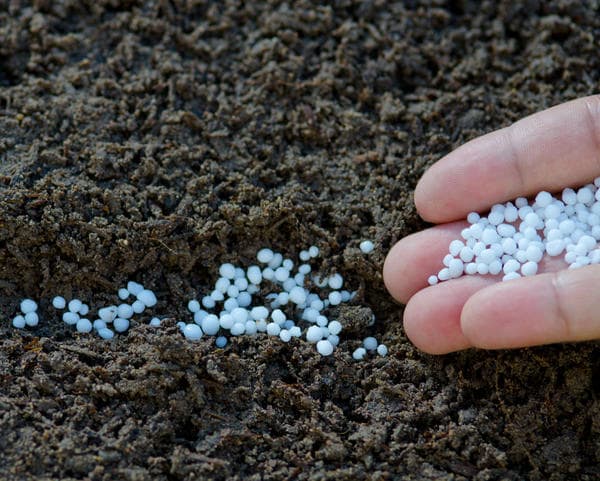
There are many ways to apply the first fertilizer. These include nitrogen-containing and complex fertilizers. You can use various organic fertilizers, but the main rule is that they should be rich in nitrogen.
The main requirement for the second feeding is that the fertilizer should be potassium and phosphorus-based (for example, potassium sulfate). This is done to ensure the cucumber extracts all the nutrients from the soil and continues to grow.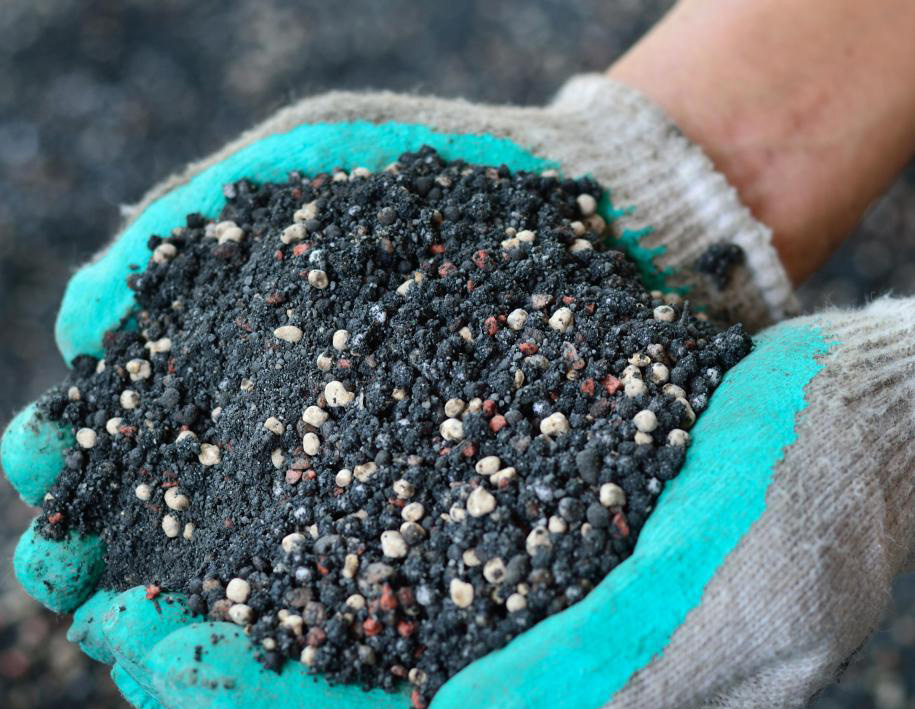
First feeding
- Watering. For 20 liters of water, add 2 tablespoons of urea and 120 grams of superphosphate.
- Also watering, but 10 grams of ammophos are scattered over 2 square meters of soil and then incorporated during loosening.
Second
- Watering. In 20 liters of water, dilute 60 grams of ammonium nitrate, 50 grams of potassium nitrate, and 80 grams of superphosphate.
- Spraying. Dilute a shot of superphosphate in 25 liters of water.
- Watering. Add 20 grams of potassium magnesium sulfate and an extract of 80 grams of superphosphate to 20 liters of water. It's very easy to prepare. Pour boiling water over the superphosphate and stir. Keep it in a secluded place for 24 hours. Now you have an extract and sediment. Use the extract and simply throw away the sediment.
- Watering: Dilute a spoonful of boric acid and a little potassium permanganate in two liters of water.
Third
- Watering. 100 grams of urea per half a bucket of water.
- Spraying. Half a shot glass of urea per half a bucket of water.
- Watering. Half a shot glass of potassium nitrate per half a bucket of water.
Fourth
- Watering. Half a shot of baking soda per half a bucket of water.
- Spraying. 40 grams of urea per half a bucket of water.
- Spraying with nitrogen fertilizers will help rejuvenate the leaves, prevent yellowing, and improve metabolic processes. Combining urea watering with soil-loosening agents can extend the fruiting period.
Method of application of organic fertilizers
First feeding
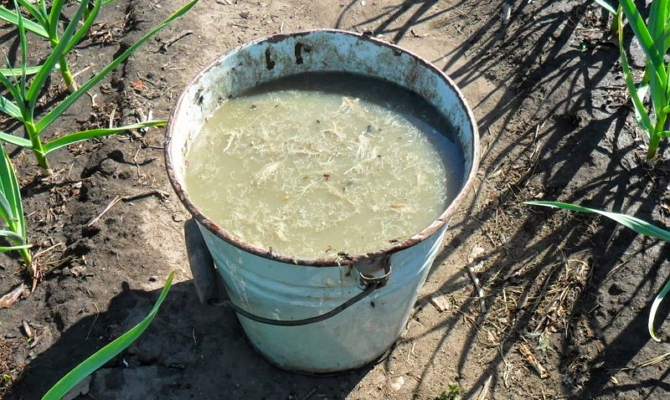
- Watering. Slurry with water in a ratio of 1:8.
- Watering. Mix water with chicken manure in a ratio of 15:1. Yes, chicken manure works great as a fertilizer for cucumbers.
Second
- Watering. Two glasses of ash per bucket of water.
- Root feeding. This involves dusting the soil beneath the cucumbers with ash or crushed charcoal. The latter should be applied at a rate of one cup per square meter.
Third
- Watering. Infusion of herbs in a ratio of 1:5.
- Watering. Half a shot of Gumi or Kristalon Cucumber per bucket of water.
Fourth
Fill the hay with water and let it sit for a couple of days. This fertilizer will protect the cucumbers from powdery mildew. Also, remember that you can alternate fertilizers, and remember to only fertilize cucumbers on cloudy days or in the evening. To avoid burning the leaves, water directly into the holes or between the rows.
If the leaves develop a purple tint, it means they're lacking phosphorus. To save them, you need to make a superphosphate extract and water the area with it. We described how to make the extract above.
To ensure delicious cucumbers, use potassium sulfate (also known as potassium nitrate). Potassium has a great effect on the flavor of food because it can convert glucose into sugar and leave it in the plant.
Yeast can also be used as a fertilizer, as it contains many beneficial substances that are easily digested. To make the fertilizer, take 10 grams of dry yeast and 10 liters of water. Let it sit for several hours and then dilute it again in two buckets of water. Now water the cucumbers with this "slurry."
Video: How to Fertilize Cucumbers
This video will tell you how to feed and fertilize cucumbers.
Types of fertilizers
Nitrogen
Nitrogen is the essential element for healthy growth. Others are also necessary, but this one is paramount. Without it, no vegetation will survive, and that's why nitrogen fertilizers are applied first.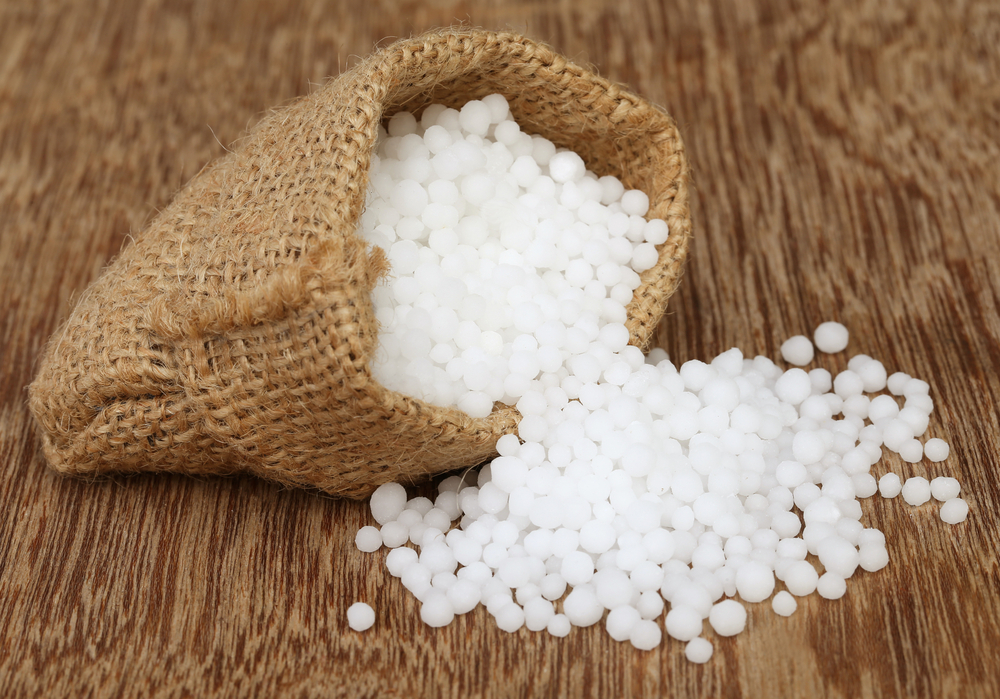
If there's not enough nitrogen, cucumbers won't grow. You'll notice this immediately. This phenomenon can be observed in the poorest soils, such as sandy loam or loamy soils that have been used for years. A less obvious sign of nitrogen deficiency is yellowing of the leaves. This symptom also points to a potassium deficiency, and to address it, we need to fertilize with potassium sulfate. However, that's not the point here; we're talking about nitrogen. A nitrogen deficiency will cause yellowing along the veins, while a potassium deficiency will affect the leaf edges. This is how you can easily distinguish between the two. The fruits also become small and thick. That's why we need molybdenum, iron, and nitrogen to convert nitrates into their ammonium form, which will prevent accumulation of nitrates and sulfuric acid.
Potassium
A deficiency significantly reduces yield, and cucumbers lose their marketable appearance, becoming like pitchers. This happens because potassium doesn't reach all the tissues, causing the cucumber to shrink. This causes the cucumber to become tough, bitter, and tasteless, losing almost all its juice. You can tell that cucumbers are potassium deficient by the yellowing and browning of the leaves. Yellowing begins at the edges of the leaf and progresses to the center. If the plant does receive even a little potassium, it goes to the cucumbers, not the leaves. It's best to apply potassium fertilizers before planting, while tilling the soil. Potassium sulfate is ideal. It helps combat various diseases, strengthens the plant's immune system, and improves the yield and flavor of cucumbers. Potassium sulfate is completely water-soluble and ideal for irrigation.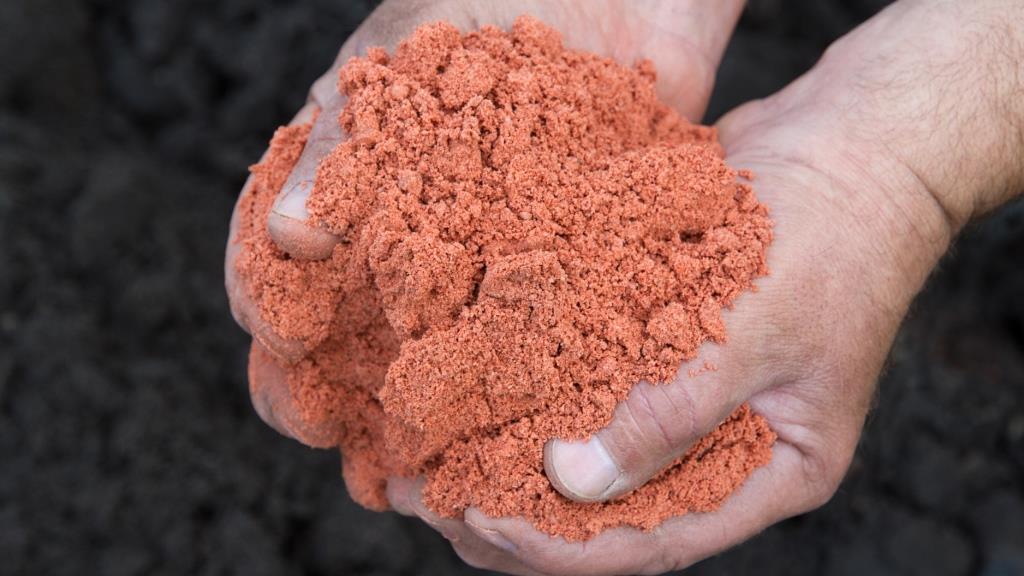
Calcium
A calcium deficiency weakens the plant's immunity. It's needed to form walls and membranes. If there's not enough calcium, the harvest will be poor. The ovaries will die, and the flowers will dry up before they open. The fruits will lose their flavor and appearance. To increase calcium levels, you can spray the leaves with a calcium fertilizer solution before the cucumbers bloom. You can also add crushed eggshells to the soil before planting, and you'll no longer have to worry about calcium deficiency.
Honey dressing
We often encounter the problem of poor pollination. This can be solved with special fertilizers. Dissolve a few spoons of honey in 3 liters of hot water, wait for it to cool, and spray this "liquid" onto the leaves using a spray bottle. This can be used from mid-spring to late summer.
To determine what fertilizers are needed for cucumbers in a greenhouse, we need to understand which microelements we are deficient in and which we have in excess.
Shrinking leaves and shortened fruits indicate a lack of nitrogen. Thick, overly strong, irregularly shaped cucumber stems and dark green leaves indicate an overabundance of nitrogen fertilizer.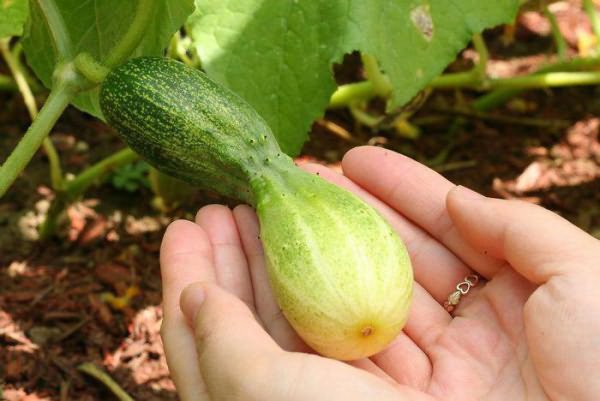
If the plant has stopped growing and the young leaves have turned bluish-gray, it could be a phosphorus deficiency. If the plant has turned yellow and the leaves have started to fall, there's an excess of phosphorus in the soil.
Slow growth, the appearance of a light green border, or leaflets curling inward indicate a potassium deficiency. Mosaic spots, a yellow border that eventually turns brown, or fused internodes indicate a potassium excess.
Fertilizer in a greenhouse
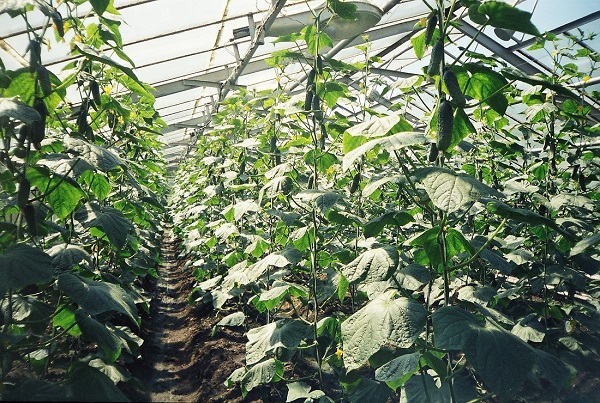
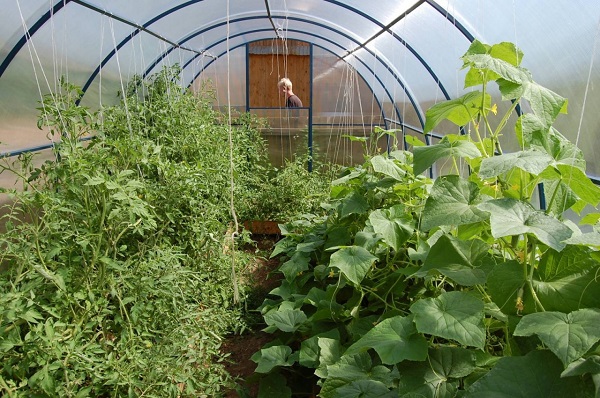
It's important to remember that organic matter should only be added to a greenhouse in small, literally tiny amounts. This is necessary to avoid damaging the plant. Fertilize cucumbers with organic fertilizer first, and then move on to mineral fertilizers. You can also prepare the soil in advance, which should consist of manure and turf. This mixture is very simple to prepare: a 20-cm layer of grain mixed with 35-40 cm of manure and sprinkled with rock phosphate. Plants planted in this soil will grow faster, as they will have all the necessary nutrients.
There are several "old-fashioned" methods that will help you achieve an incredible harvest in a greenhouse.
Place pre-steamed peas in the holes. The idea is that the beans elevate the soil quality and help other crop seeds grow more easily and quickly.
Nitrogen-rich organic fertilizers will also help. If you have a cow, that's fantastic! Take the cow dung, place it in a bucket, add water, and stir until the mixture is smooth. Then dilute it 1:10 and add a liter under each bush. Finish by watering each root. Apply cow dung at least 2-3 times a day.
Place the shells in a large jar, adding hot water occasionally. Before watering, shake the jar well and spoon the mixture into the seedlings. The stems will be strong and healthy. However, this mixture has a strong, distinctive scent that not everyone can tolerate.
Video: "Useful Tips for Fertilizing Cucumbers"
This video will show you the most useful and effective tips for fertilizing cucumbers.