
Technology for growing cucumbers on a windowsill
Content
Preparing for landing
It's entirely possible to create a small cucumber garden on your windowsill. But it requires proper preparation.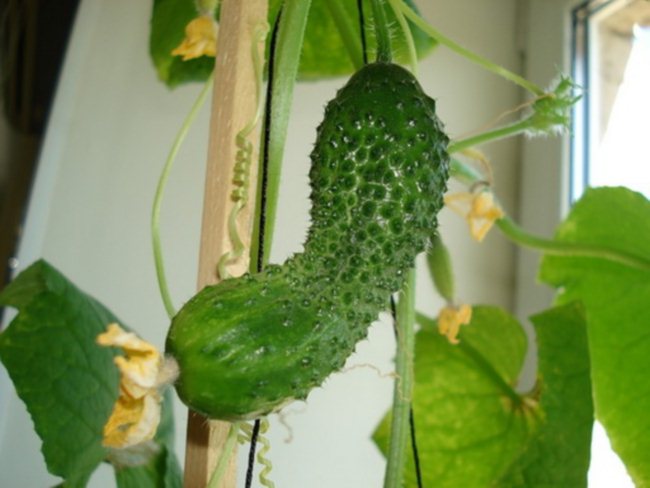
This procedure includes the following points:
- selection of good planting material;
- preparation of high-quality substrate;
- selection of container for planting;
- choosing a place for growing (the windowsill should be well lit, since cucumbers require at least 3-4 hours of light per day).
Remember that the subsequent growth and development of cucumber plants directly depends on how well the preparatory stage was performed. In this case, the first harvest can be harvested just 1-1.5 months after the first shoots emerge.
The answer to the question of how to grow cucumbers at home on a windowsill in winter always begins with choosing the right planting material. In this case, it's best to choose early-ripening and bush varieties. These are the best varieties for producing a good, tasty harvest. It's recommended to use only self-pollinating hybrids. Otherwise, without bees, which are unthinkable in an apartment during winter, it will be impossible to get a harvest.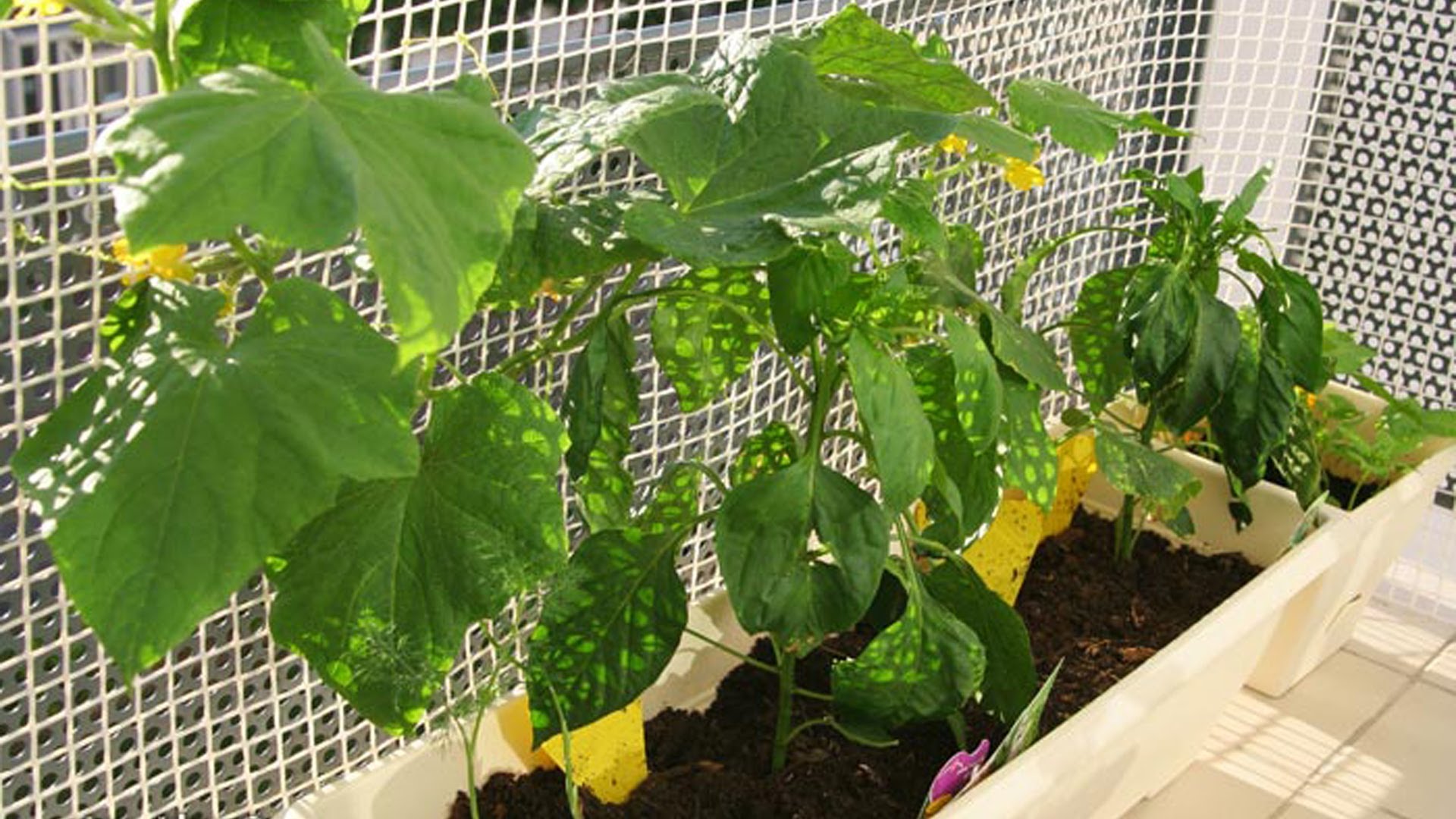
The second, no less important, step in the preparatory phase is choosing a high-quality substrate. It can be purchased at a specialty store, but many gardeners recommend preparing the soil themselves. To do this, mix 2/3 coconut fiber and 1/3 vermicompost. Both components are readily available. The result is the ideal substrate for growing cucumbers indoors during the winter.
Growing cucumbers on a windowsill in winter is done in flower pots. The container can be any size, but the main requirement is a minimum capacity of three liters.
It's also recommended to use a container made of food-grade plastic. It will definitely not release harmful substances into the soil during use. The bottom of the pot should have drainage holes to effectively remove excess moisture. Without these holes, there's a high risk of root rot.
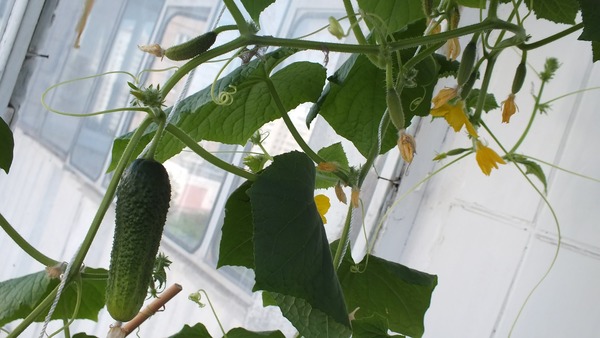

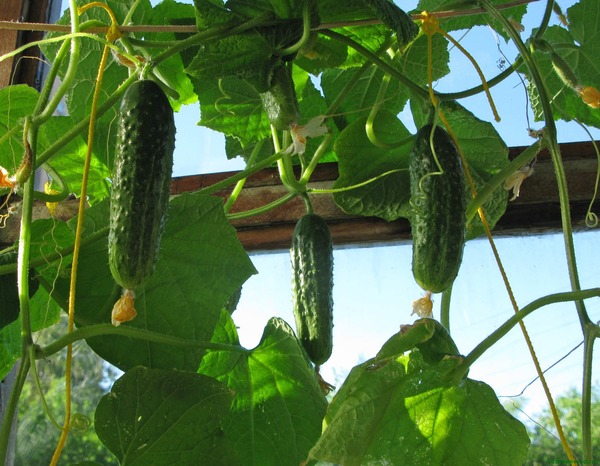
After selecting the planting material and preparing the soil and pot, the next step is to prepare the seeds for planting. This is how to prepare them for planting:
- The seeds should be placed in a plate and covered with a warm, weak solution of potassium permanganate. They should remain in this solution for several hours;
- During this time, some of the seeds will float to the surface. These should be removed, as they will definitely not germinate;
- The seeds that remain in the solution are ready for planting.
Now you can proceed to the actual planting.
Video: "How to Grow Cucumbers at Home"
In this video, you will learn all the secrets of growing cucumbers on a windowsill.
Planting technology
To grow cucumbers on your windowsill, a special growing technology is used, which is carried out in two ways:
- The classic way. This method is quite simple to implement, but doesn't yield many results;
- By picking. This requires transplanting and is therefore considered quite labor-intensive. However, it allows for a better and more abundant harvest than the traditional growing method.
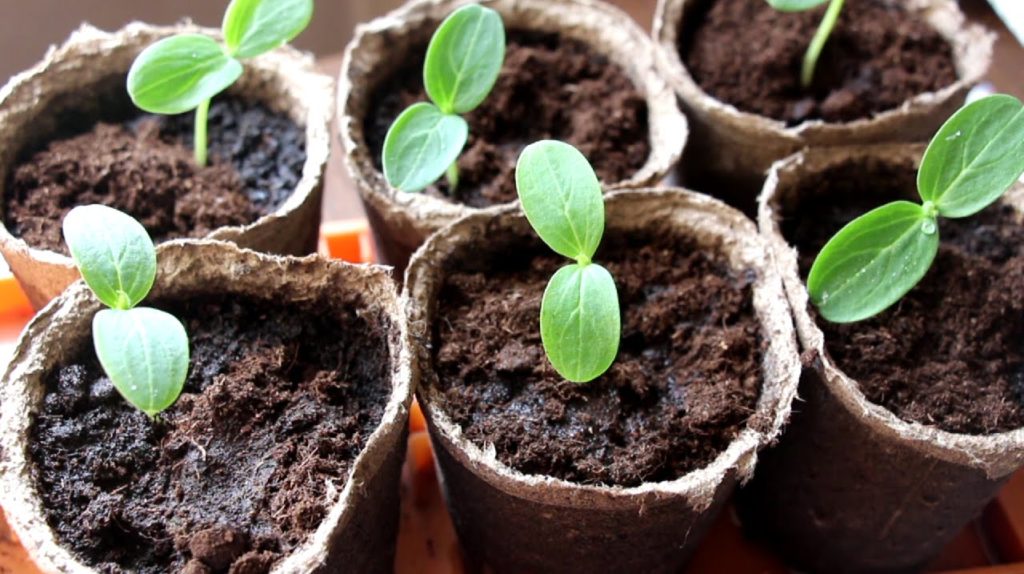
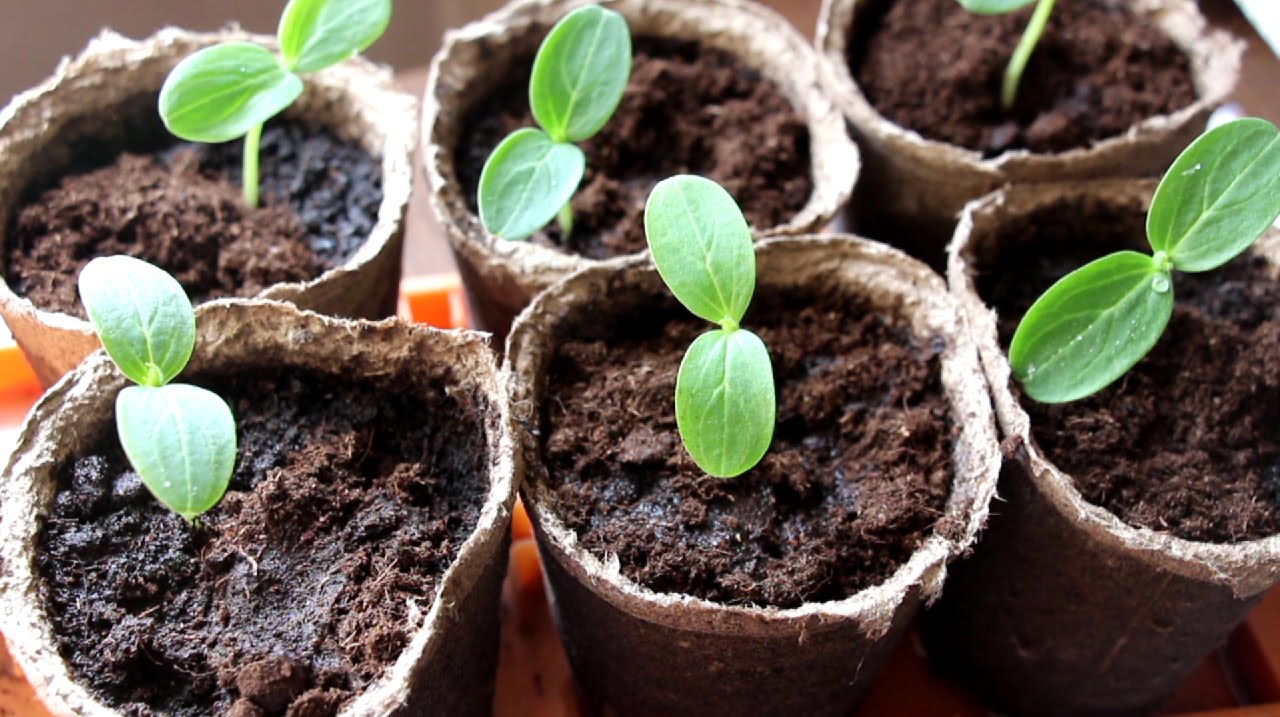
The classic technology for planting cucumbers at home is as follows:
- fill the prepared container halfway with soil;
- we place the seeds in the soil and sprinkle them with a layer of soil (1-2 cm) on top;
- After the first shoots appear, add soil to the pot. It shouldn't reach the edges by about 2-3 mm. Otherwise, watering the seedlings will be difficult.
- Due to the addition of soil, not all sprouts will be able to break through it again.
After the seedlings emerge, plant care must be carried out correctly to obtain a good harvest.
The technology for growing bushes in winter at home through picking is carried out as follows:
- First, sow the seeds in small cups (approximately 100 ml). It is preferable that they be made of cardboard;
- You need to sow twice as many seeds, based on the calculation that each cup should yield 4-5 seeds. Only a portion of these will sprout;
- Pricking out is done after the first sprouts appear in the cups. Weak seedlings should be removed. After pricking out, only one strongest and tallest sprout should remain in the cup.
- Two weeks after transplanting, the strengthened seedlings should be transplanted. To avoid damaging the seedlings, moisten the soil in the cup with water before transplanting, then carefully turn the container over onto your palm. The seedling should be held between your fingers. After this, transplant the young plant, along with the root ball, into a flowerpot.
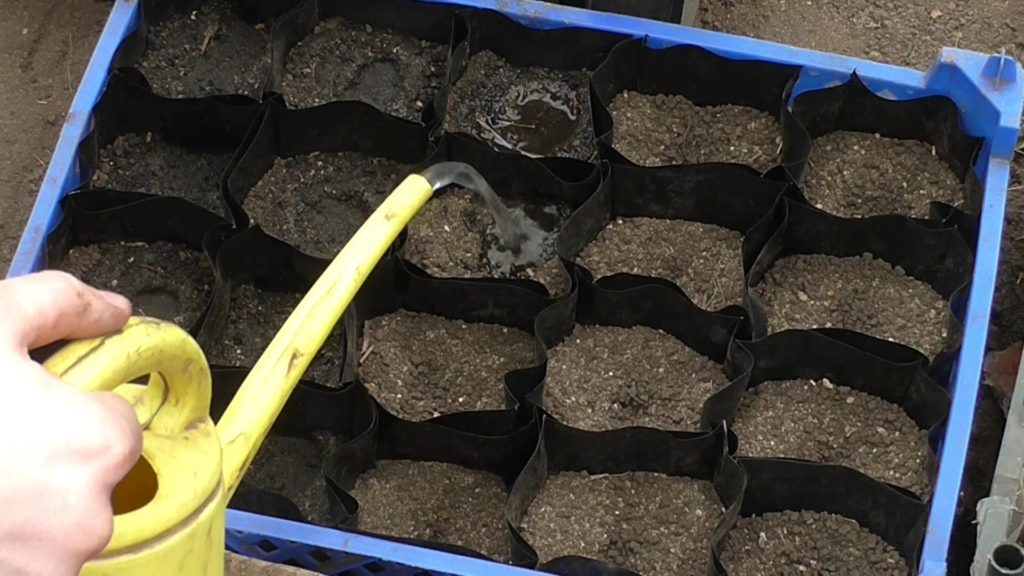
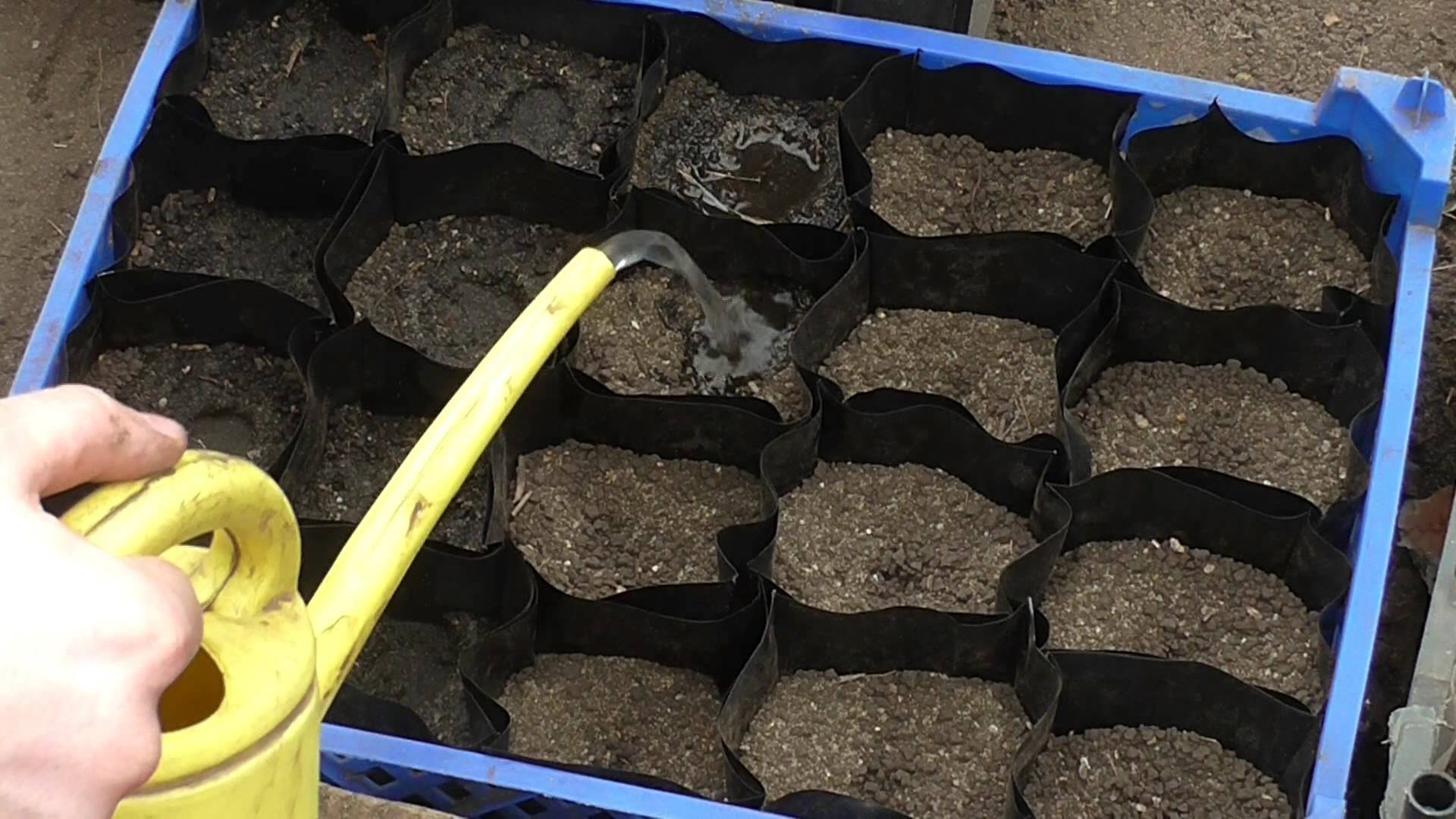
Regardless of the method used to grow cucumbers in the winter at home, the emerging seedlings require proper care.
Subtleties of care
Cucumbers are quite moisture-loving crops. Therefore, it's not always possible to get a good harvest outdoors, let alone indoors. Cucumbers grown on a windowsill need to be watered very carefully to avoid overwatering. Watering should be adjusted to the season and the plant's developmental stages. During the first month after germination, water frequently, but in small amounts. Remember that excess moisture in the soil can lead to root rot and even encourage the growth of pathogenic microflora or parasitic insects.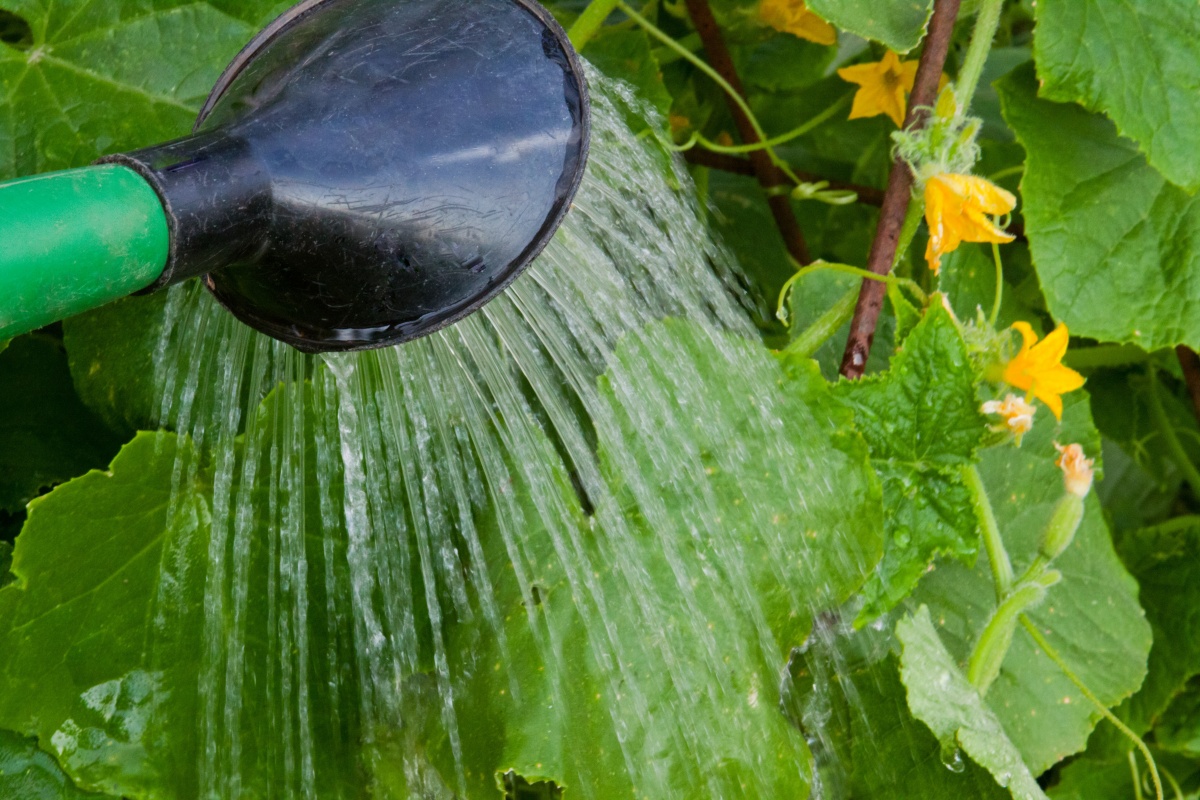
In winter, reduce watering for cucumbers. This is due to the short daylight hours. Therefore, overwatering is especially dangerous for the plants in winter. It's better to underwater than to overwater and lose a harvest. With the arrival of spring (late March), gradually increase watering intensity. During the summer, when the bushes are bearing fruit, avoid allowing the soil in the pot to dry out. During this period, water evaporates quite quickly due to the formation of ovaries and fruits. Therefore, in summer, it is considered that overdried soil is more harmful to cucumbers than overwatered soil. Water daily with room-temperature water. Regular misting is also recommended.
Another important aspect of growing this vegetable crop on a windowsill is creating the optimal light conditions for the plants. Remember that plants on a windowsill should be evenly heated while receiving the optimal amount of light.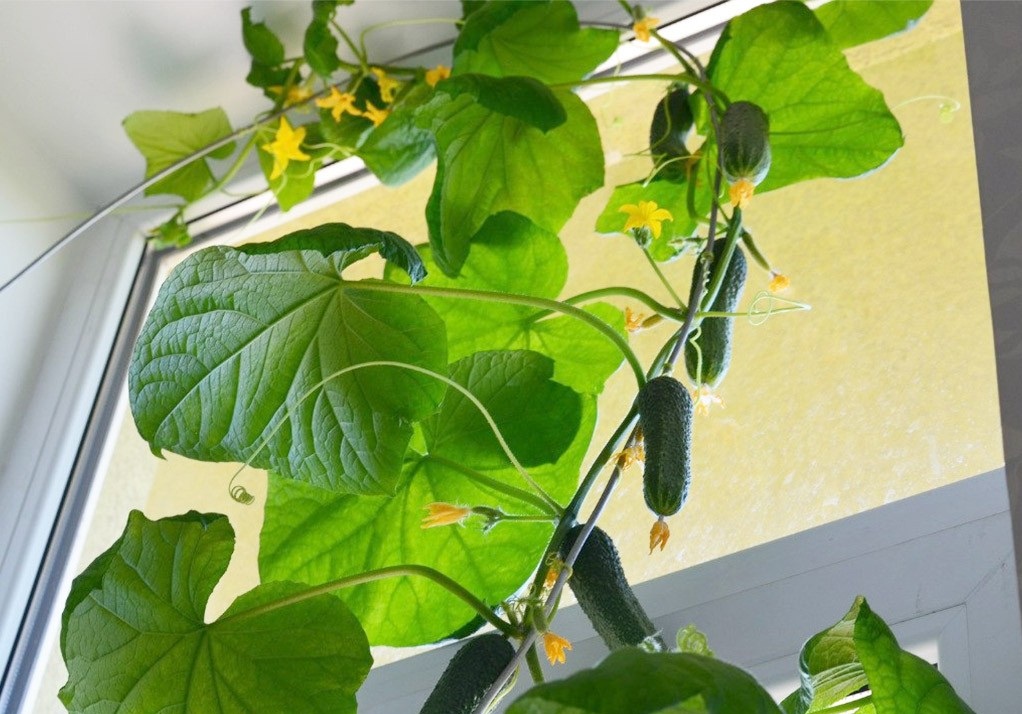
To do this, the plant pot must be rotated 180 degrees every day. The optimal time for this rotation is midday. This procedure should be performed daily at the same time. Otherwise, the shoots will begin to stretch excessively, becoming unsightly and crooked.
Features of cultivation
In addition to watering, caring for cucumbers grown at home should include the following equally important points:
- Support. Cucumber bushes must be tied up indoors, as they have weak stems. The support should be at least 70 cm high. At this height, the support will be able to compensate for the weakness of the shoot and provide it with reliable support;
- When five true leaves appear on the sprout, pinch it off. To do this, carefully trim off the top of the bush. This will result in a much fuller and denser plant.
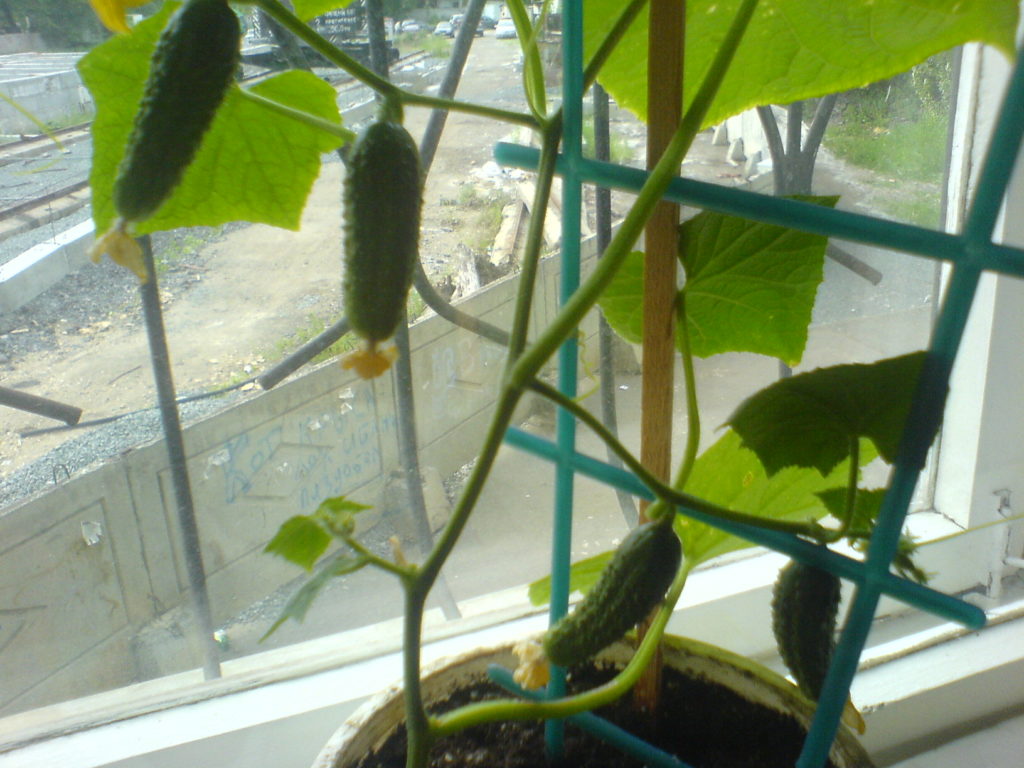
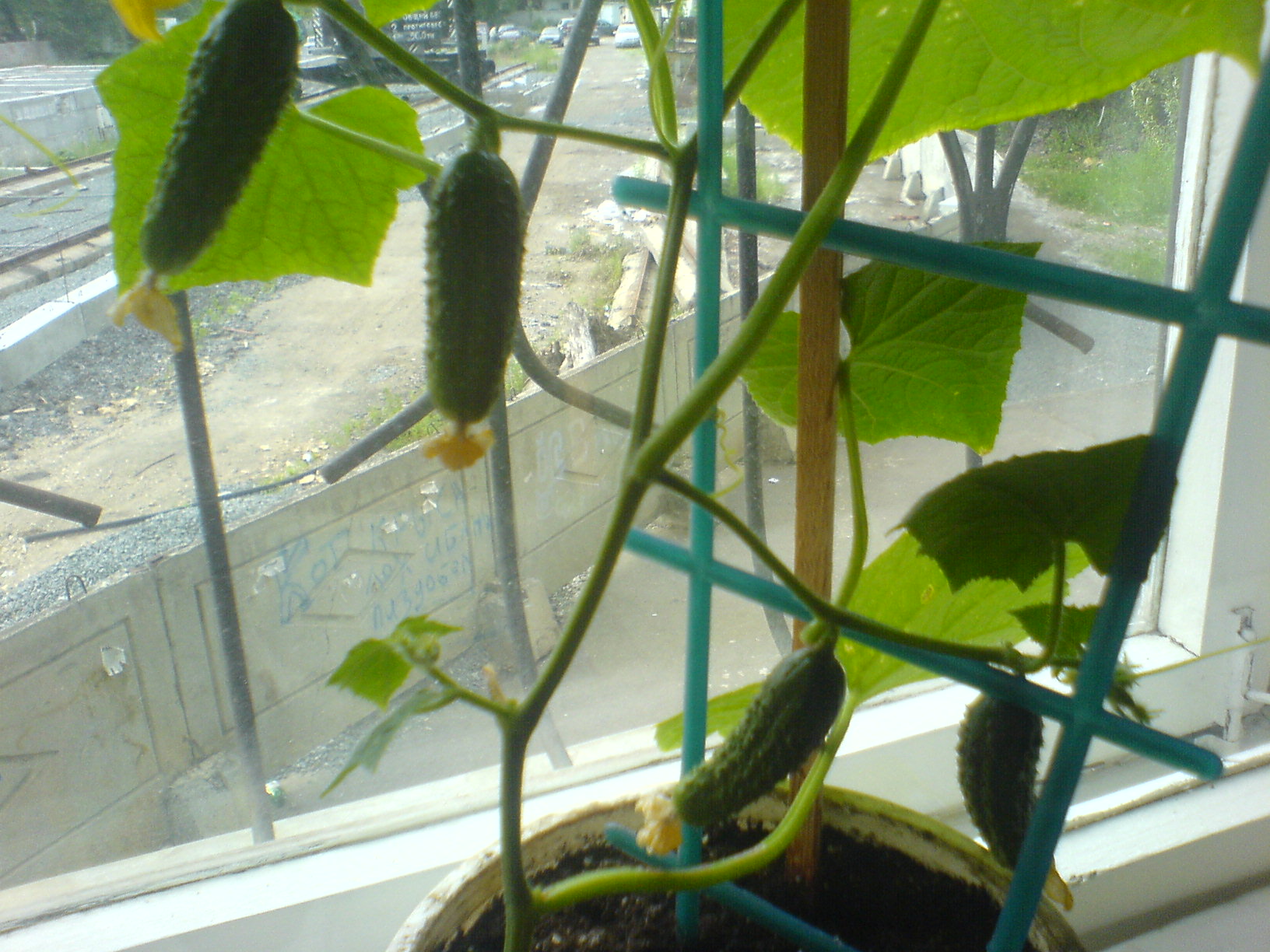
If you want a good harvest, it's essential to fertilize the pot. It's recommended to add vermicompost to the soil monthly. You can also use various specialized fertilizers (such as "Rost" and "Agrolayfa"). Seedlings should be fertilized every two weeks. Once a seedling appears, another feeding should be done a week later. For watering, prepare a special solution: dissolve 1 tablespoon of urea in 6 liters of water. Use 1 cup of this solution per seedling. Fertilize the plants with mineral fertilizers once every 10 days.
If your indoor cucumber plantings have been properly and thoroughly cared for, the first harvest will appear within 1-1.5 months. Young cucumbers should be picked daily to ensure a continuous harvest.
Diseases and pests
To ensure a grown cucumber plant remains disease-free and produces fruit well, it requires proper care. However, if this care is not maintained properly, the plant may become diseased or the pot may become infested with pests.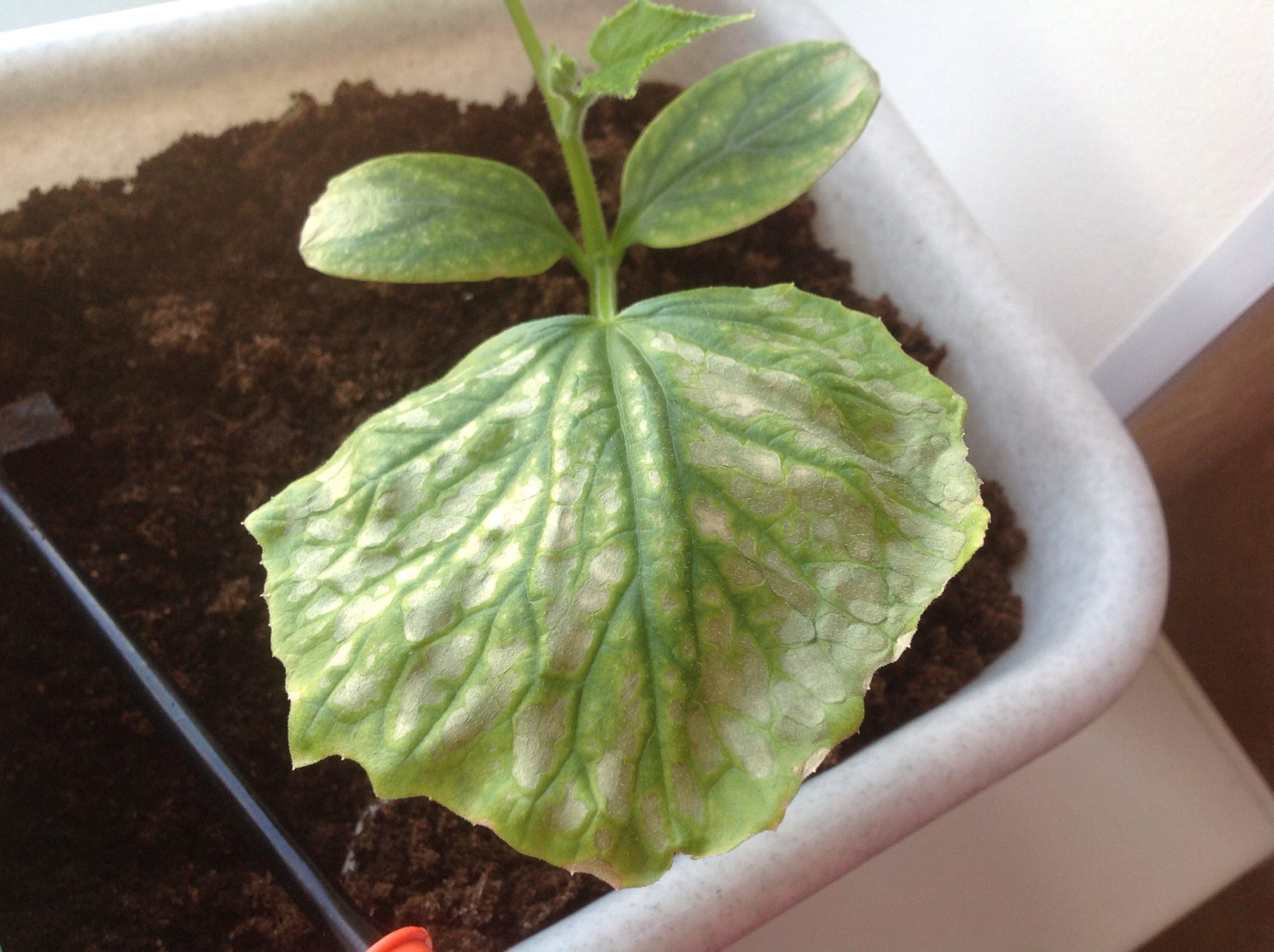
At home, cucumbers can suffer from the following diseases:
- Powdery mildew. This disease is caused by a fungus. It appears as a white coating on the leaves. If this is detected, immediate action is required to combat it, otherwise the plant may die.
- Anthracnose, or copperhead. Here, too, a fungus acts as the causative agent. However, it attacks not only the leaves but also the fruit. On the fruit, the fungus appears as brown spots;
- Root rot. This disease is difficult to diagnose because it affects the underground part of the plant;
- Sclerotinia, or "white rot," appears as a white coating on leaves, stems, and fruits.
Besides diseases, indoor cucumbers often suffer from attacks by spider mites, whiteflies, and aphids. Insecticides should be used to control these pests.
As you can see, growing cucumbers at home isn't all that difficult. The key is to choose the right planting material and care for the plants, and they'll reward you with a delicious and bountiful harvest.
Video: "Cucumber Care"
In this video, experienced gardeners will share secrets on how to choose the right seeds and how to care for them.