
A cucumber trellis is the secret to a rich harvest.
Content
Advantages of growing on a trellis
Cucumbers are native to warm climates and require plenty of sun and moisture to thrive. Sprawling along the ground, they create their own shade and are often susceptible to diseases, the pathogens of which easily migrate from the soil to the leaves and shoots. Powdery mildew, an almost inevitable affliction when cucumber vines touch the ground, is a major problem for gardeners. Trellis allow the entire plant to be arranged so that leaves, branches, and fruits receive maximum sunlight and warmth, have unlimited access to fresh air, and do not interfere with one another. This minimizes the risk of disease.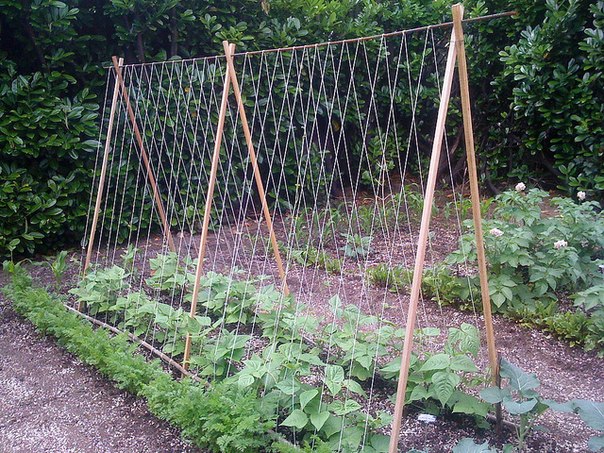
Cucumbers have a genetic ability to climb and twine, as evidenced by the formation of tendrils. A cucumber trellis creates optimal conditions for the development of this natural growth pattern, as evidenced by the results of cultivation: with vertical growth, yields increase quantitatively, are extended over time, and ensure the plant's healthy growth.
This method of cultivation is convenient for the owner. When tending to the vegetables, there's no need to bend your back or constantly lift cucumber vines, risking damage, to weed or loosen the soil underneath. Harvesting cucumbers, beautifully hanging from the net, clean, and practically uniform in size, is a pure pleasure, without any inconvenience.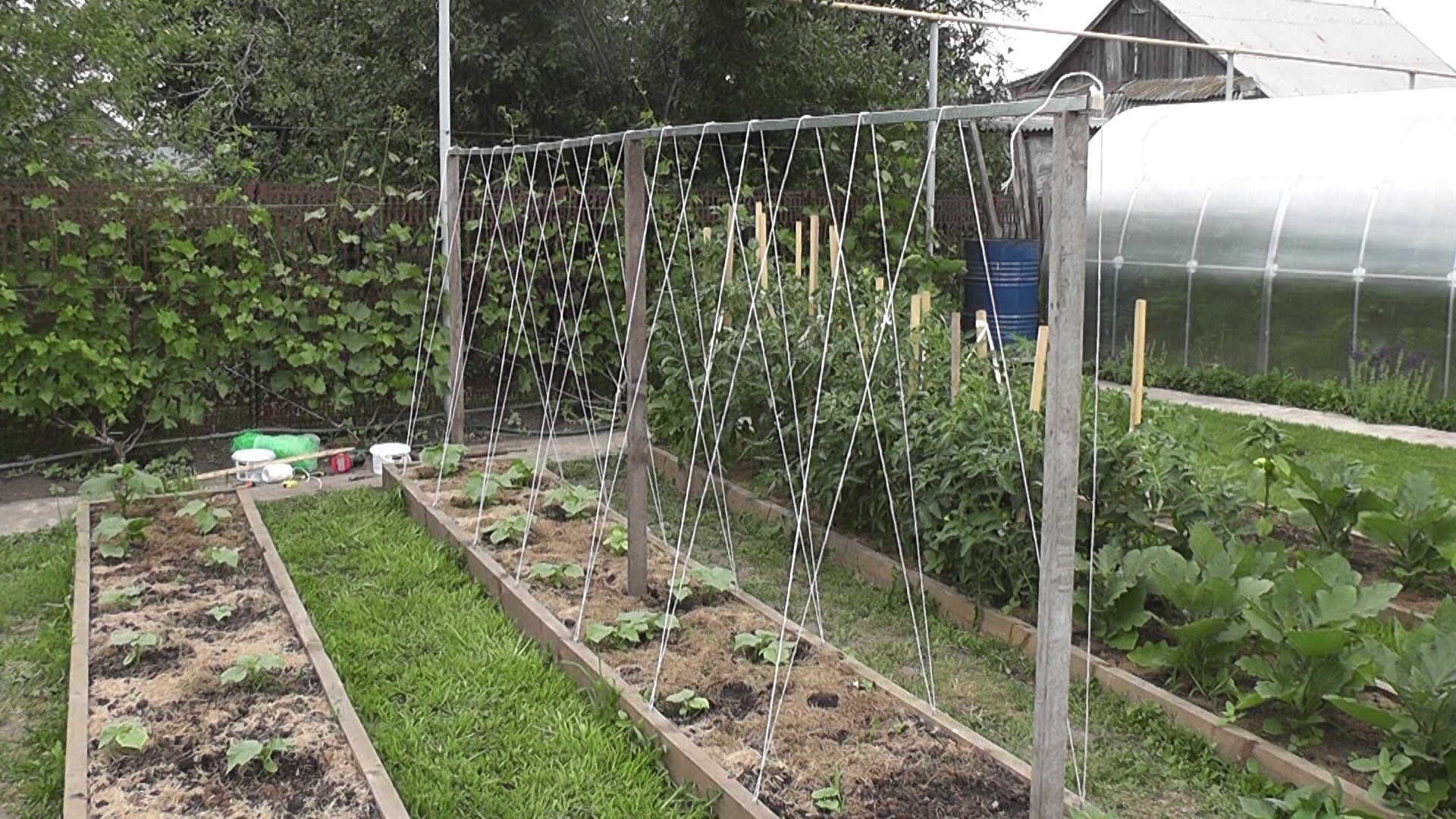
Watering and fertilizing vegetables is easy, as recommended, right at the roots, preventing water from getting on the leaves. A drip irrigation system can be installed, making cucumber care even easier. Saving space in small garden plots is also a significant advantage. A beautifully crafted trellis can look very decorative. This type of cultivation allows you to easily rotate the cucumbers' location every year or two, as required by crop rotation.
Video: Growing on a Trellis
This video will show you how to properly grow cucumbers on a trellis.
Preparatory stage
It's best to select and prepare a site for growing cucumbers in the fall, immediately after the previous crop has been harvested. The soil should be non-acidic (or slightly acidic), light, loose, and nutritious; sandy loam or loamy soil rich in humus are ideal. Cucumbers can be grown in the same spot for no more than two years in a row; they can be returned to the same spot only after two years. They shouldn't be planted after other types of melons, as they are too closely related to cucumbers; they share the same risk of disease, and their roots draw nutrients from the same soil level. Cucumbers should be planted after cabbage, tomatoes, eggplant, potatoes, onions, garlic, or legumes. The selection is wide enough that you can change the location frequently.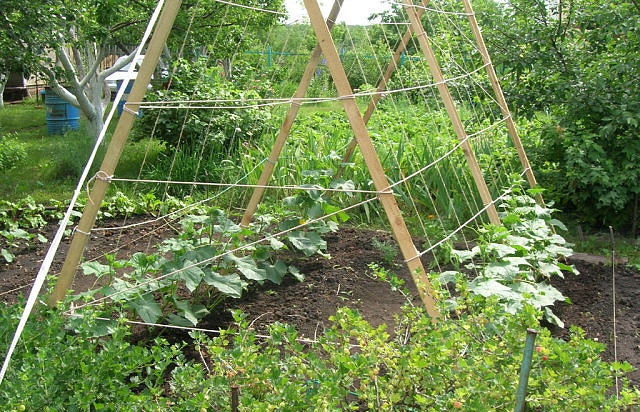
Immediately after clearing the bed, the soil needs to be thoroughly dug up, humus added (5 to 8 kg per square meter), it wouldn’t hurt to add a tablespoon of superphosphate, a glass of wood ash or dolomite flour. If the soil is heavy, it should also be amended in the fall—add peat, sawdust, or simply clean river sand to make it more permeable to water and air. By spring, it will have time to moisten and settle, and all the new components will be perfectly distributed throughout the fertile soil layer.
In the spring, before planting, water the area with a hot solution of potassium permanganate; this will help warm the soil and disinfect it. Some gardeners add manure or bird droppings to the holes just below the seed level; the decomposition of the organic matter will provide a prolonged release of heat, a sort of spring warming. Cucumbers, like all squash, thrive in temperatures between 22 and 28 degrees Celsius (72 to 82 degrees Fahrenheit), with nighttime temperatures not dropping below 18 degrees Celsius (64 degrees Fahrenheit). Cucumbers stop growing at temperatures above 10 degrees Celsius, and die at lower temperatures. Therefore, the soil must be well warmed before sowing or planting seedlings. Seedlings allow for earlier harvests, so many gardeners prefer to avoid the hassle of growing them.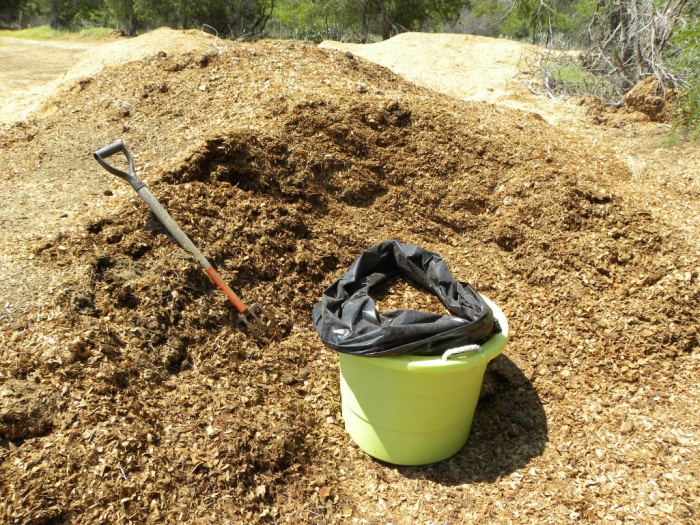
Seeds are believed to retain their viability for up to eight years, but from the third year onward, their viability declines steadily. Last year's seeds germinate well, but produce many barren flowers, so it's best to sow two- or three-year-old seeds. First, they are prepared by soaking them in growth stimulants for up to 12 hours. You can buy a ready-made mixture and dilute 20 ml of humate in a liter of water, or prepare the following solution: add half a gram of potassium permanganate and ammonium molybdate to one liter of water, add boric acid (0.2 g), and copper sulfate (0.01 g). This mixture will immediately enrich the seeds with essential elements and disinfect them. After soaking, they should be dried until free-flowing.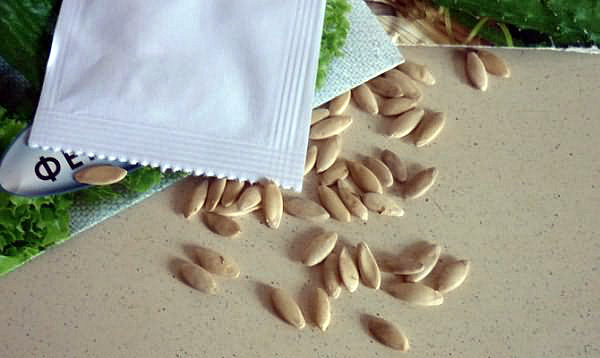
Specialty stores sell pre-prepared, pelleted seeds that can be simply placed in the substrate without any additional preparation. They are usually coated with a special coating, giving them an unnatural color.
Making trellises
Trellis of various sizes, types, and designs can be purchased in stores, or you can make your own, using literally anything you have on hand. The supports should be sturdy, driven half a meter into the ground, and one to two meters high. They are made from plastic pipes, metal stakes, or wooden beams. Wire (necessarily covered with an insulating layer to prevent damage to the plants), rope, or twine are stretched between them. It's best to install a wooden or metal horizontal beam between the supports to prevent it from sagging under the weight of the plants, which will be tied to it vertically with rope. If the structure is long, intermediate supports should be installed every 1.5 to 2 meters.
Trellis can be straight, inclined, or set in a tent-like pattern. Netting can be stretched between the supports or a neat lattice made of pickets can be created.
A simple wooden trellis can be made like this: Dig support posts into the garden bed at intervals of 2.5 meters, attach a crossbar up to 80 cm long to each, and secure a spacer bar between them. Nails are driven into the crossbars, 25 cm from the central spacer bar, to secure the wire, or two more bars are installed instead of the wire. Ropes tied to the cucumber stems will be slung over these bars.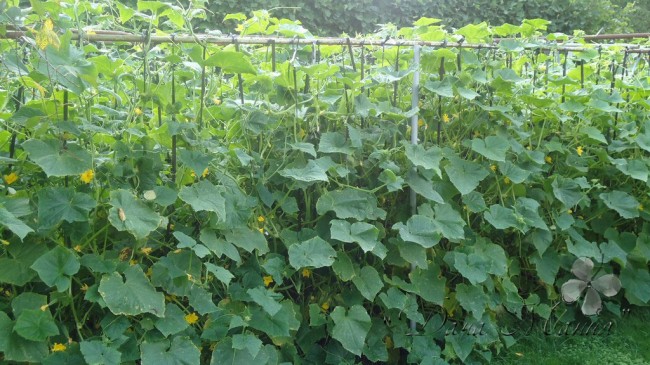
You can install a U-shaped wooden structure and stretch netting inside it. You can also take sturdy branches of equal length, arrange them like a tent, tie the tops together, or, better yet, attach a horizontal bar to provide stability. There are many options, but the key is to install a strong, stable support frame and string the cucumber vines up.
Planting methods and shaping options
Outdoor cucumber beds are created on a level surface, raised on a ridge, or lowered below the path. Each method has its advantages and disadvantages compared to the others. When using trellises, raised bed cultivation has recently become particularly popular. The beds are raised 15-20 cm above the garden level, the supports are firmly installed, and the cucumber vines are tied up once they reach 30 cm in length. They quickly learn to climb, and the tendrils find support.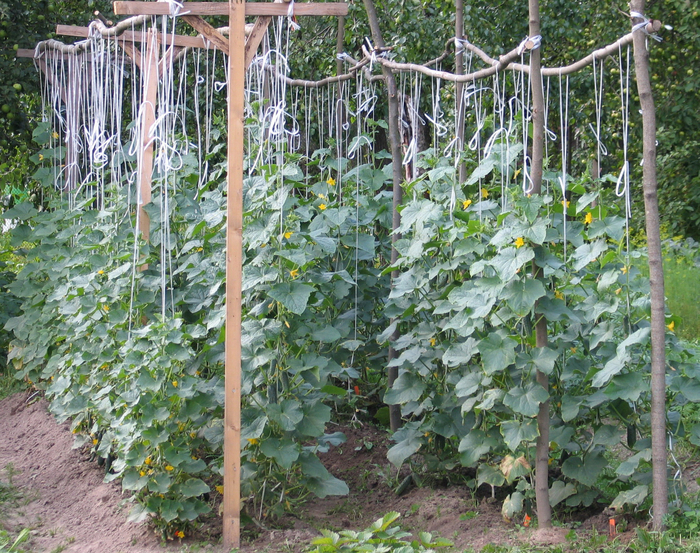
After waiting for suitable weather conditions and warming of the soil and air, the gardener places the seeds (or seedlings) in the garden bed. Leave at least 1.5 meters between rows and 25 cm between plants. The seeds are planted 2-3 cm deep, then covered with another 3 cm of mulch (peat, sawdust, or hay). The seedlings are covered with plastic for a while. The trellis is installed immediately or after the sprouts emerge, when it is clear how they will climb.
If the support is shaped like a hut, vegetables are planted on both outer sides, then tied and trained to climb up the inclined plane of the trellis. Cucumbers can be tied to one side or both sides of a single vertical trellis. In the latter case, they are planted in a staggered pattern (for which a special scheme is developed) so that at least 120 cm is left between plants on one side, and then another plant can be placed between them on the other side of the trellis. Each planted vegetable will have enough space to develop.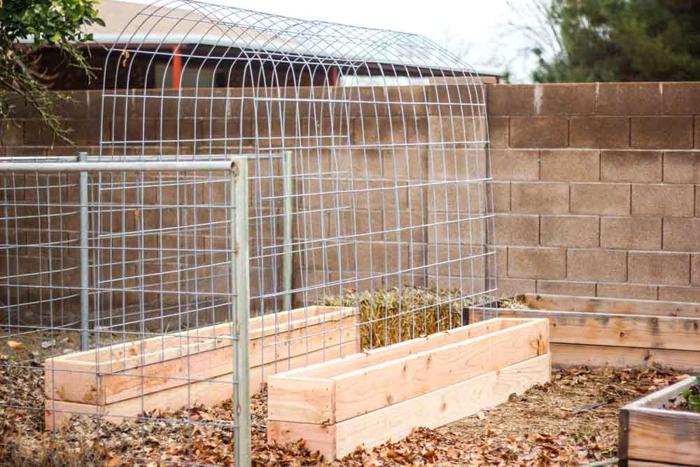
Conventional cucumber varieties are trained to encourage the development of lateral shoots, as these are where the bulk of the fruit is formed (where most female flowers are produced). This is achieved by pinching back the main shoot, allowing the lateral shoots to develop. Hybrid varieties are often grown on trellises, with the most popular being "Asterix F1," "Vocal F1," "Motiva F1," and "Opera F1." Their distinctive feature is that female flowers form on the main stem. When training these plants, the lateral shoots are pinched back after the first or second leaf, allowing the main stem to grow vigorously.
Typically, all flowers or shoots up to the sixth leaf are ruthlessly removed, as they slow the development of the entire plant. Allowing the first cucumber to grow below the sixth leaf can delay the formation of other fruits, and if this first ovary is removed in time, the harvest will be delayed by perhaps a week or two, but then the harvest will be abundant.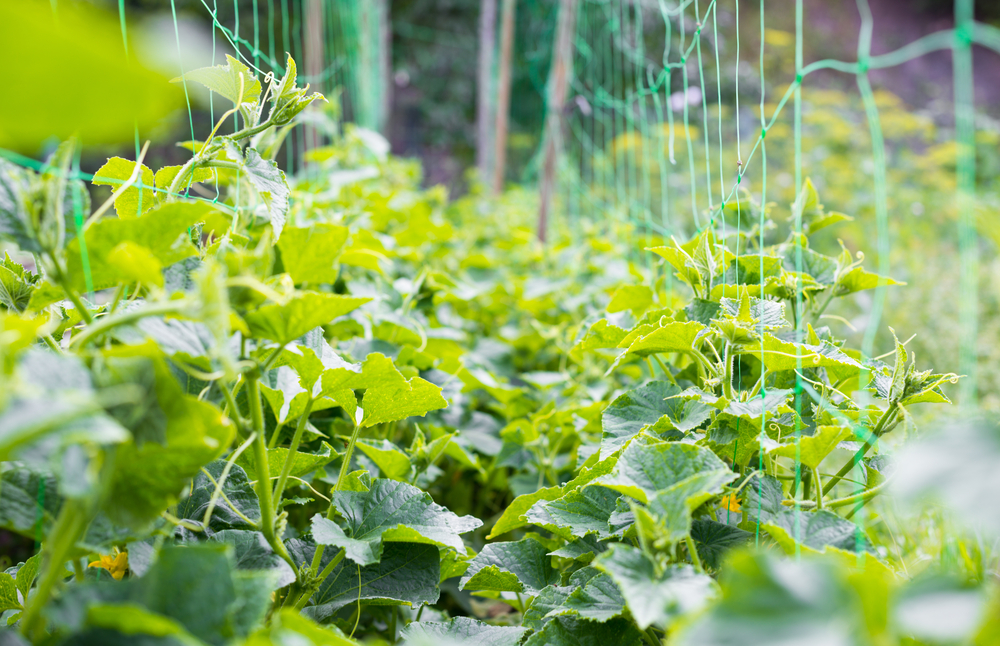
The cucumber bed is tended as usual: watered regularly (otherwise the cucumbers will become bitter), fertilized periodically, alternating organic and inorganic fertilizers, and harvested regularly. Watering and root feeding should be done so as not to allow moisture to reach the leaves, which is easy to do when using a trellis. If the leaves and stems noticeably turn pale (indicating a nitrogen deficiency), foliar feeding should be performed by spraying the plants with a urea solution. This is best done in the evening just before sunset. Drying leaves, damaged fruits, or other plant parts should be removed promptly; it's best to cut them off with pruning shears early in the morning so the wounds have time to dry before evening, which will help them heal more easily.
Harvesting and end-of-season work
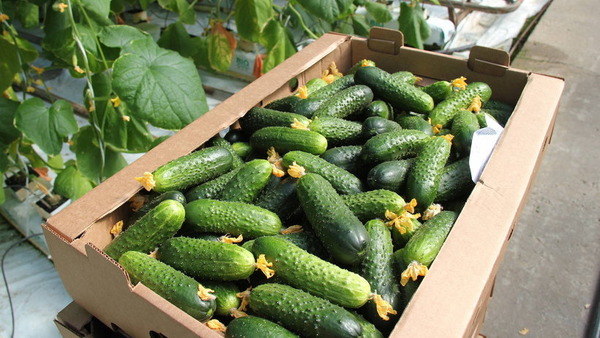
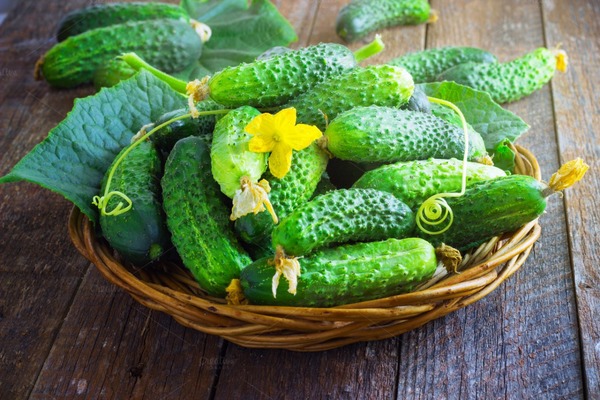
A month and a half after planting the seedlings, the fruits begin to ripen en masse. They need to be picked regularly, as this promotes the formation of new ones. For example, green cucumbers (8- to 12-day-old cucumbers) are picked every other day, while pickles (2- to 3-day-old) and gherkins (4- to 5-day-old) are picked daily. The harvest is usually collected in the morning or evening. If harvesting is interrupted for any period, fruit set will decrease sharply, and after a long break, it may stop altogether.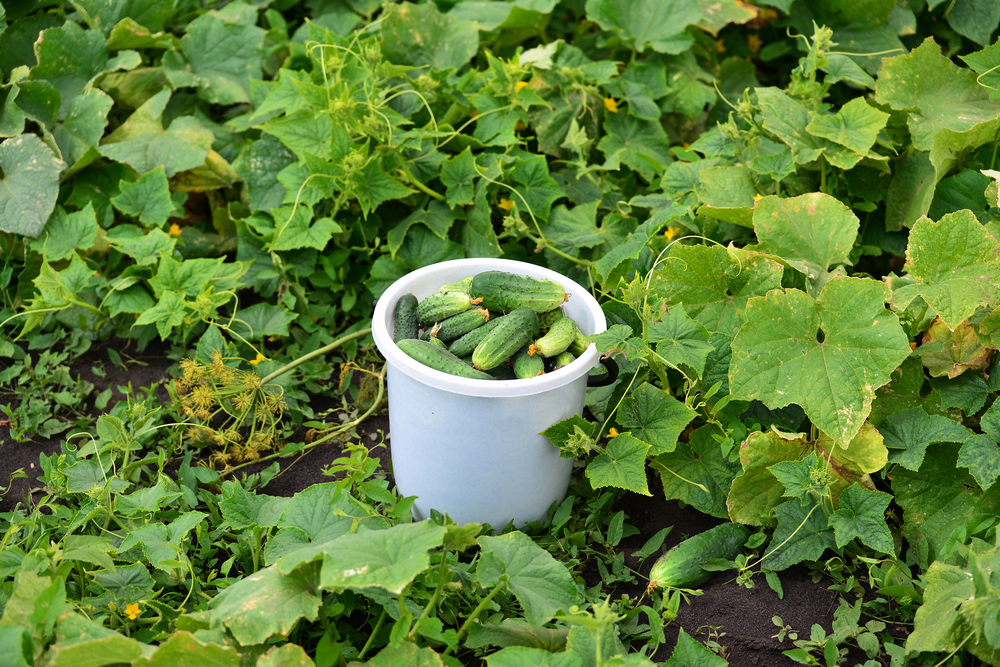
By the end of the season, when fruiting has ceased completely, the harvest will be collected and processed, and all cucumber tops should be removed from the trellises. The greens are usually composted, provided they show no signs of disease. Nets, wire, twine, and anything else used to support the cucumber vines are removed from their supports, cleared of plant debris, and stored. All wooden parts (support posts, stakes, and props) are removed, washed, and dried. They are then wrapped in natural fabric and stored until next year.
The area is dug up, roots and other plant debris are removed, and it is prepared for the next planting.
Growing cucumbers in open ground on a trellis is more efficient, profitable, and simply a pleasant method compared to the traditional, but now outdated, "spreading" method.
Video: DIY Trellis
This video will show you how to make a trellis yourself.