
Cucumber netting: types and growing methods
Content
Growing on a net in a greenhouse
Vegetable netting is very popular among gardeners today. It can be used to support not only cucumbers but also other annuals, such as zucchini, squash, beans, and peas, not only in the garden but also in the greenhouse. Netting is an excellent alternative to bulky trellises and offers many advantages:
- makes the bed compact, saving useful space in the greenhouse;
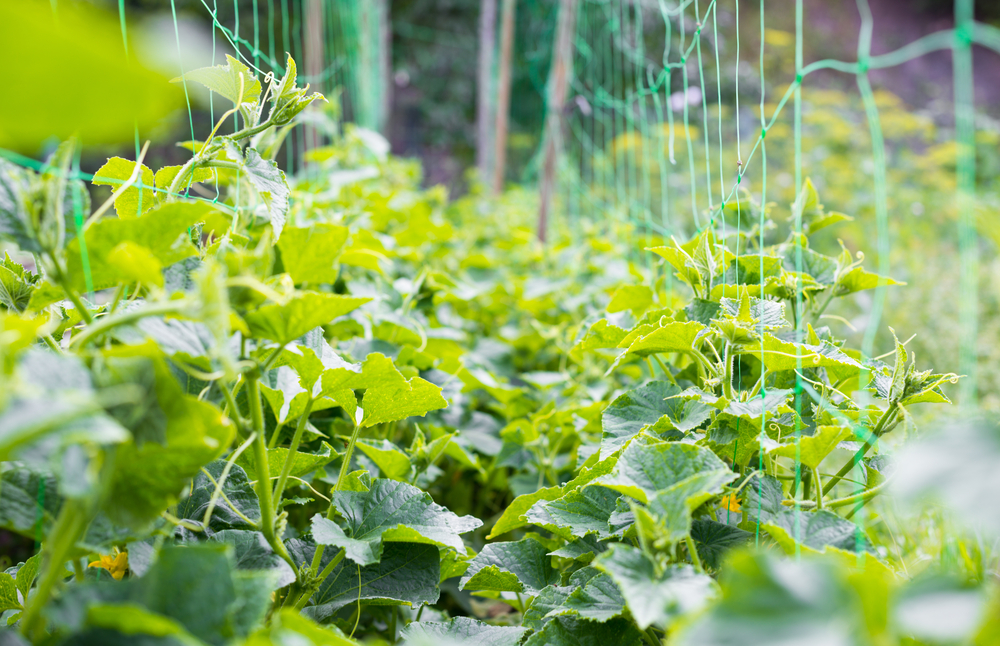
- looks much more attractive than other trellis structures;
- easy to install and dismantle, does not deteriorate, can be used repeatedly;
- when folded it takes up little space;
- creates comfortable conditions for the development of cucumbers - on a net, the cucumber bush is better illuminated and ventilated, blooms earlier, and is less prone to diseases, since the leaves do not touch the soil;
- simplifies the process of weeding, watering and fertilizing plants;
- makes harvesting easier - picking cucumbers from a vertical support is much easier than searching through the thickets, and the fruits always remain clean and dry;
- due to the fact that the fruits do not spoil and ripen faster, the yield increases;
- makes it possible to monitor the ripening process of cucumbers in a timely manner and prevent over-ripening.
Trellis netting is very easy to use. It's a mesh fabric made of large rectangular cells, mostly green. When placed vertically, it makes an ideal support for cucumber beds. Simply train each vine along a separate path, and the plants will then automatically grasp the mesh and grow upward.
Using netting in a greenhouse is especially convenient during the fruiting season, when intense mass ripening of fruits begins. The netting material is highly durable and, when properly installed, can withstand heavy loads. So, during the most crucial period – harvesting – the net will keep the fruit healthy and make the process of picking cucumbers easy and enjoyable.
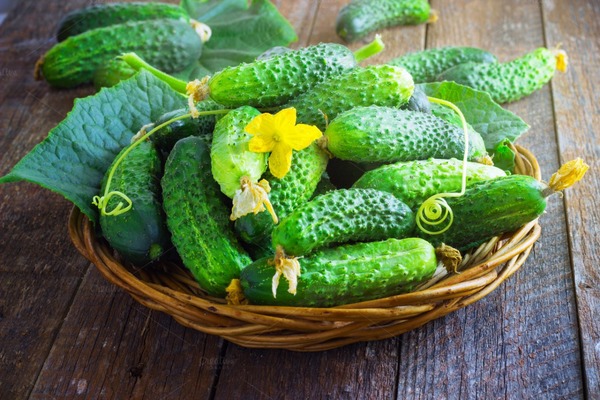
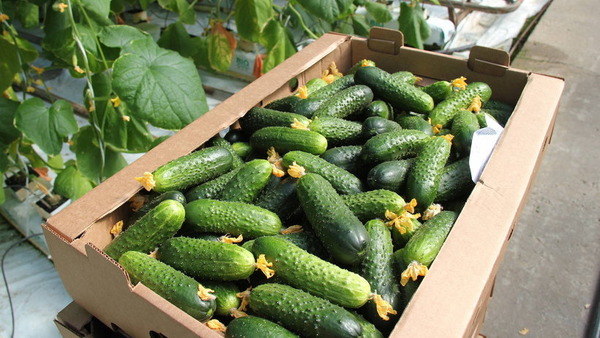
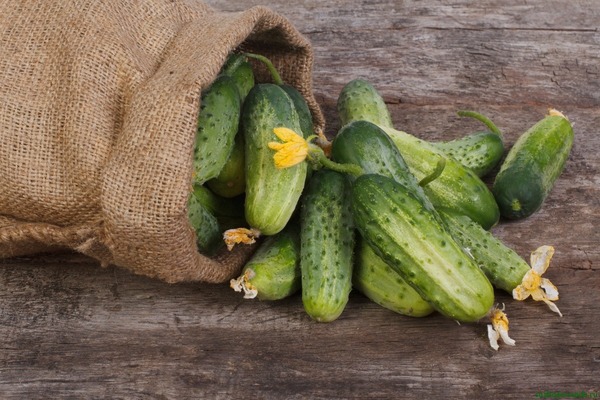
When growing greenhouse cucumbers on netting, stem formation should begin as soon as tendrils begin to appear on the vines. The first stem should be carefully tied, and then the growth of the bush should be monitored. As lateral shoots form, they should also be trained so that they do not interfere with each other. With timely watering and fertilizing, greenhouse cucumbers can be harvested not only during the warm season but also in winter.
Video: Growing on a Trellis
This video will show you how to properly grow cucumbers on a trellis.
Types of nets for garters
The selection of nets for growing crops is vast today. Specialty stores offer industrial nets with a variety of mesh sizes, designed for both delicate and robust plants, and made from threads of varying thickness and quality.
The material used to make the mesh can be synthetic (polymer) or natural. It's important to understand that "naturalness" is irrelevant in this case, and synthetic materials are stronger and more moisture-resistant, making mesh made from them more durable. Regarding mesh size, mesh widths of 10 cm are preferred for growing cucumbers.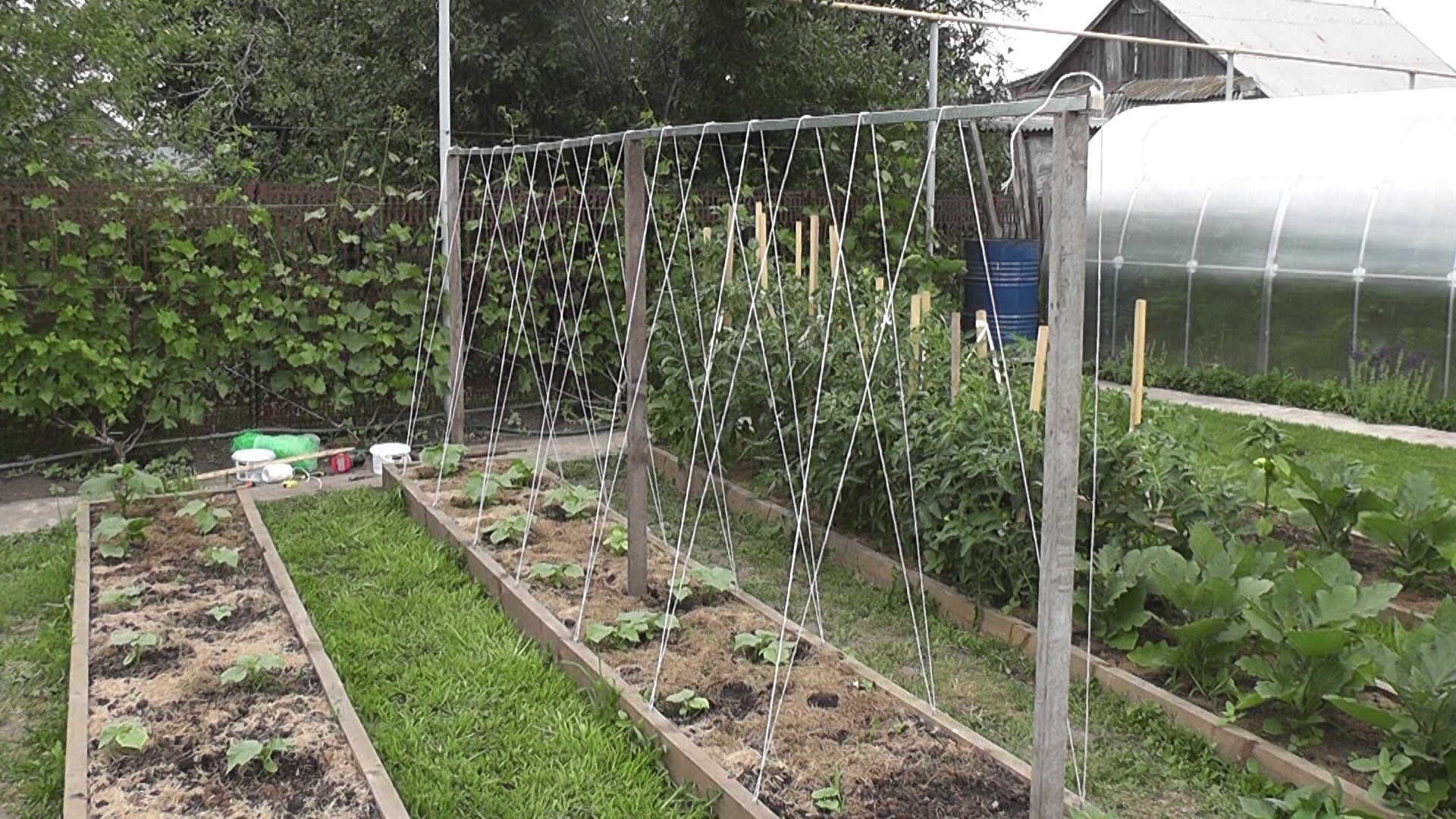
A trellis structure can serve not only a functional purpose but also an aesthetic one, referring to the shape of the frame for attaching the fabric. The following types and shapes can be used for cucumbers:
- Vertical. These structures are standard and the simplest to build. Wood, metal profiles, or pipes can be used as the frame. The frame is installed as a frame or posts.
- Inclined. The frame for attaching the net is positioned at an angle. Crossbars are attached across the entire width to provide stability. If the net is inclined at an angle greater than 35°, low-growing crops can be planted underneath it.
- A-frame. The structure is shaped like the letter "A," with plants planted along both sides. This type of frame is very stable and wind-resistant, making it ideal for open areas.
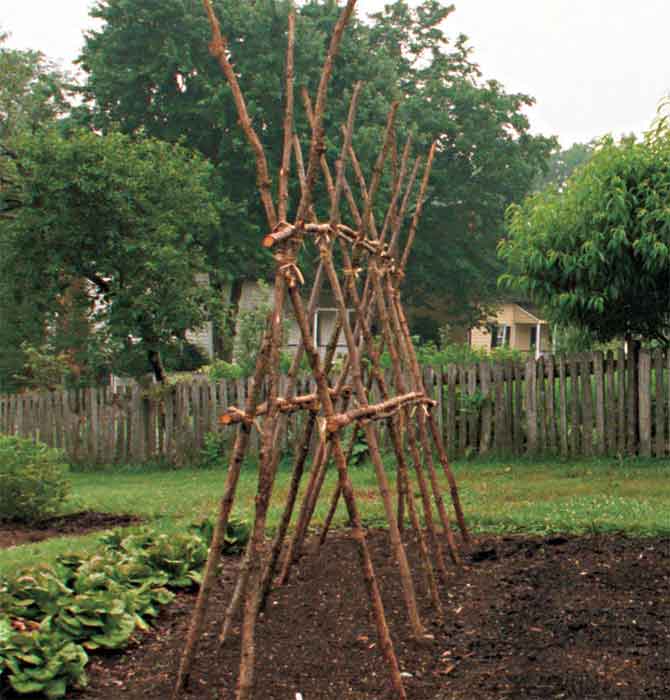
- Arched. This type of structure is suitable for aesthetes. Construction of this type of mesh is more labor-intensive, but it will have a presentable appearance and will beautify the area.
How to install
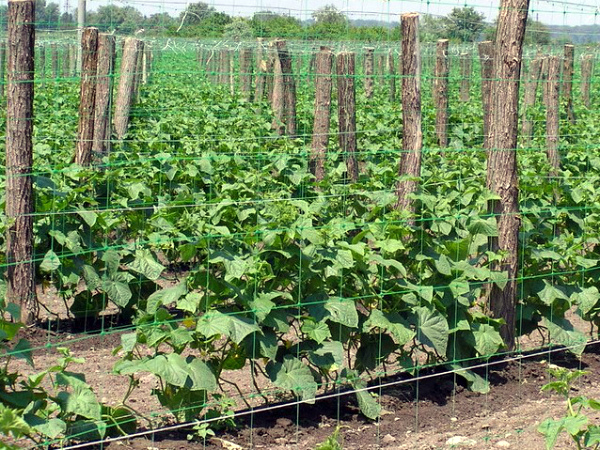
Installing a trellis net in a garden or greenhouse is easy. First, you need to install the support posts to which the net will be attached. If the net is small, two supporting posts are sufficient, but if the structure is long, it should be reinforced in the middle with thinner posts. The supports should be at least 1.2 m high, so the total height of the trellis should be 80 cm, with 30-40 cm of ground depth.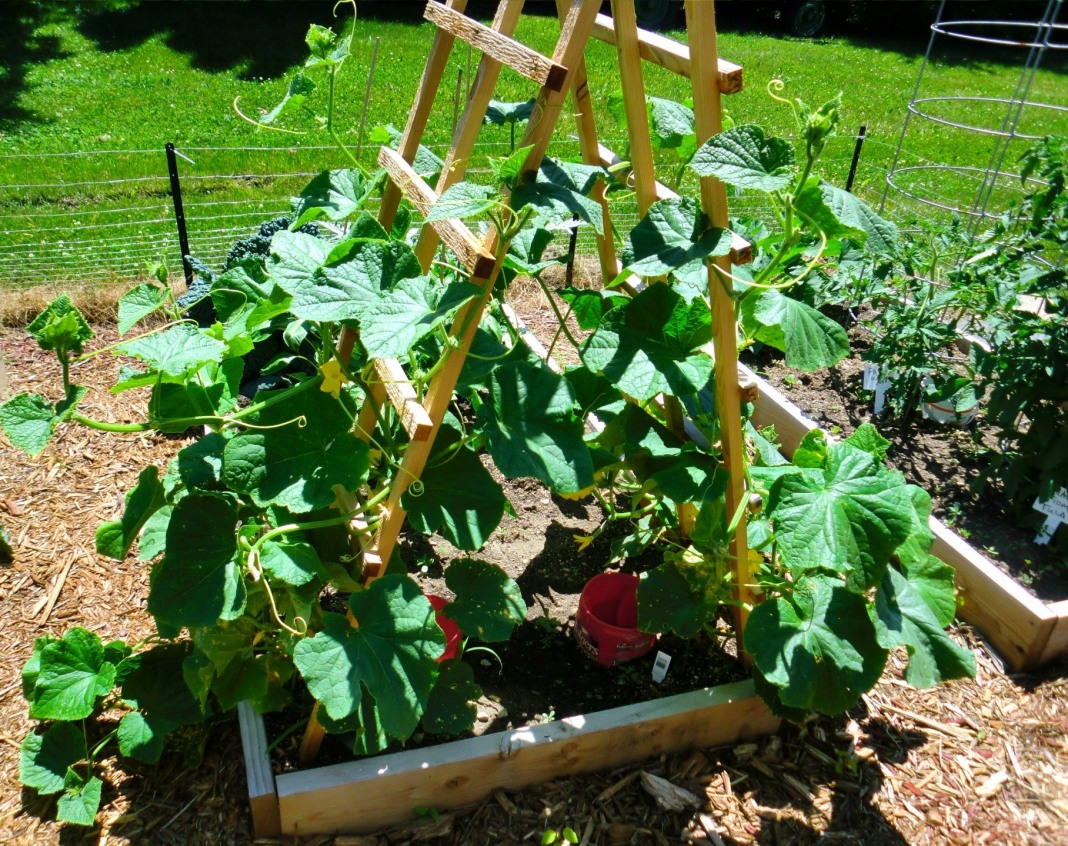
The mesh is installed as follows:
- support posts are dug into the ground to a depth of 30-40 cm and well compacted;
- a mesh of the required size is placed between the posts so that the fabric covers the entire space;
- Next, the fabric is stretched and, starting from the bottom, secured at the edges with rope.
The most reliable fixation should be provided in the center of the trellis, since the mesh in this part will experience the maximum load.
How to tie up
Growing cucumbers on a net involves shaping and tying up the shoots. Cucumber vines naturally seek vertical support, but if they aren't tied up in a timely manner, they will unravel along the ground, making further growth impossible.
Young plants need to be monitored at every stage of their growth. The first row of leaves should be secured to the netting when the seedlings reach a height of 15 cm. Subsequently, the leaves are secured as they grow, and when the stem reaches the height of the trellis, its tip is pinched.
After pinching, the main shoot will stop growing, and the bush will begin to branch and form lateral shoots. At this stage, the plant can no longer be tied; the tendrils will allow the shoots to grow up the trellis on their own. Now all that's left to do is ensure the bed is well-maintained and wait for the harvest.
Video: Growing on a Net
This video will show you how to grow cucumbers on a net.