
Effective fertilizing of cucumbers during flowering and fruiting
Content
What to feed
Cucumbers are fertilized with organic and mineral fertilizers, and these can be applied in combination. To ensure vigorous growth and proper development, the vegetable crop requires a variety of nutrients, but the following micronutrients are essential:
- Nitrogen accelerates plant growth, promotes shoot formation, and determines the quantity and quality of foliage.
- Phosphorus – improves the development of the root system, helps the plant to anchor in the soil, and accelerates flowering.
- Calcium – participates in the formation of cells, increases plant immunity.
- Potassium – promotes the uniform distribution of nutrients in the plant, which is very important during the period of fruit formation.
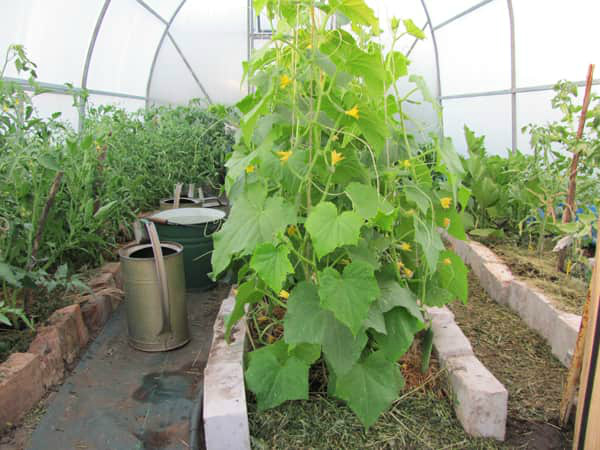
No less important for cucumbers are microelements such as copper, iron, manganese, and magnesium.
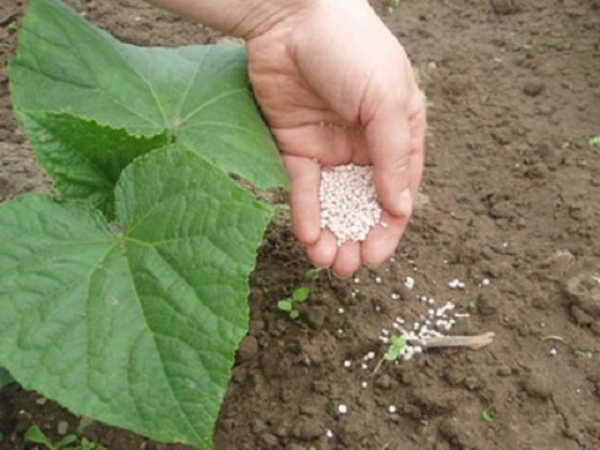
To provide plants with all the necessary substances, it is better to use complex mineral mixtures for feeding, containing a full set of components, or at least most of them.
These fertilizers include:
- superphosphate;
- ammonium nitrate;
- nitrophoska;
- potassium nitrate.
When choosing potassium mixtures, pay attention to the chlorine content, as cucumbers are very sensitive to this component.
Organic enthusiasts and those looking to save money on ready-made mixtures can prepare highly effective organic fertilizers.
Yeast feeding
Yeast is rich in vitamins and proteins. Yeast-based fertilizers make plants stronger and more resilient, promote the development of a strong root system, and accelerate fruit development and formation. Yeast-based fertilizers can be prepared using not only yeast but also chicken manure, mown plants, and rotted plants.
The following recipe is suitable for fertilizing cucumbers: for a bucket (8-10 liters) of water, add a small packet (10 g) of dry yeast and some grass clippings. Mix all ingredients and let them sit for several hours, then use for watering.
This fertilizer is universal – it can be used to feed cucumbers at any time and applied not only in the garden, but also in the greenhouse.
Bread feeding
Stale bread is a good alternative to yeast and a good use for unusable leftovers.
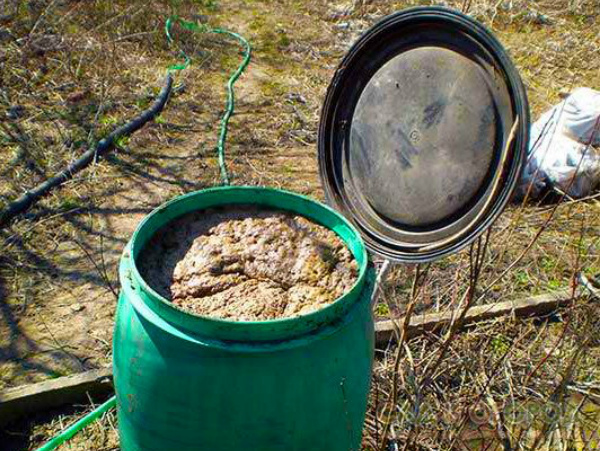
Preparing the infusion is very simple: fill a bucket one-third full with bread, top it up with water, and let it sit for several days until fermentation begins. Next, strain the fertilizer, dilute the liquid with water at a ratio of 2 liters per bucket, and use it for watering.
Ash top dressing
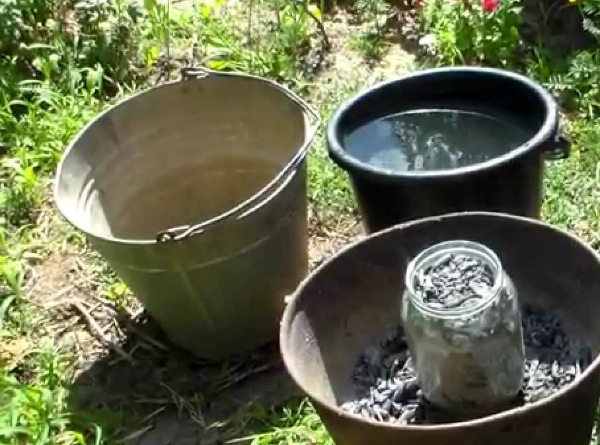
Stove ash is very beneficial for cucumbers, as it contains large amounts of iron, phosphorus, copper, magnesium, calcium, and other essential micronutrients. Ash can be used repeatedly throughout the season, and cucumbers will only benefit from it.
To prepare the solution, simply dissolve ash (1 cup) in a bucket of water and then use it for watering. A solution of ash and laundry soap is effective for preserving the green color of cucumbers; spray it on the leaves when they begin to turn yellow and dry out.
Iodine supplementation
An iodine solution not only nourishes cucumbers but also effectively protects against diseases. To prepare it, you'll need: 1 bucket of water, 1 liter of milk, and 30 drops of iodine. Mix all the ingredients and spray the mixture on the beds every 10-14 days.
Whey supplementation
This is a very effective way to protect plants from diseases and insects. Pour pure serum into a spray bottle and use it to spray greenery, as well as to apply fertilizer to the roots. For greater effectiveness, you can add a few drops of iodine to the serum.
It should be said that folk remedies have some advantages over mineral fertilizers. All of these fertilizers, made exclusively from organic products, are universal – they can be used at any stage of a plant's life, and their quantity is not strictly limited. Moreover, their use is equally effective for cucumbers grown in the garden and in the greenhouse.
When to apply
During the entire cucumber growth period, from planting seeds to fruiting, cucumber beds need to be fertilized at least 4 times:
- at the seedling germination stage, when the plants have 1-2 true leaves;
- during flowering and formation of ovaries;
- during the period of active fruit growth;
- during mass fruiting.
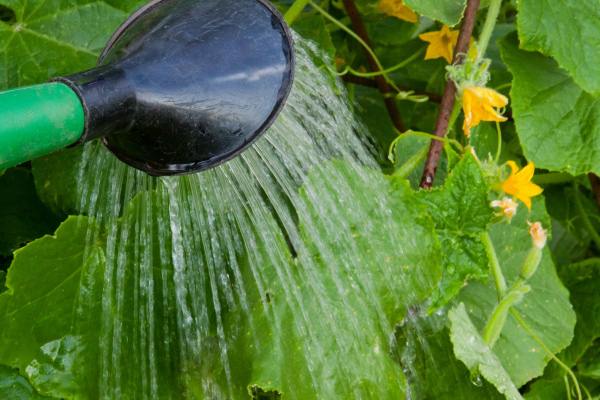
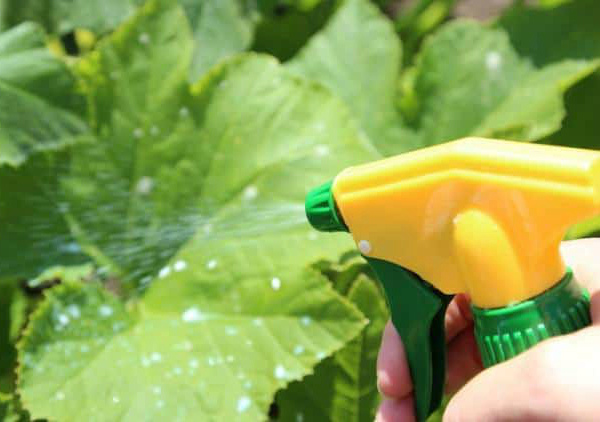
The method of fertilizing depends on weather conditions. If the weather is hot, it's best to apply fertilizer by watering the plants at the roots; if it's cloudy and cool, it's better to spray the plants.
The first feeding is done when the plants reach the stage of their first two true leaves. With proper seed preparation and sowing in warm soil, this typically occurs 1.5–2 weeks after planting, but in a greenhouse, it can be earlier. The following solutions are used for feeding: ammonium nitrate at 7–10 g/10 l of water, superphosphate at 15 g/10 l of water, and potassium sulfate with the addition of mullein at a ratio of 8 g/10 l of water plus 1 liter of liquid mullein.
The next feeding is carried out during flowering, approximately two weeks after the first. Mineral fertilizers containing potassium and phosphorus (superphosphate, potassium salt) are applied, along with manganese and boron (these micronutrients accelerate plant growth and prevent disease). The micronutrients are added to the mineral mixture at a rate of 0.5 g of boric acid and 0.3 g of manganese sulfate.
You can also spray greens with a boric acid solution at a concentration of 0.5 teaspoon per bucket of warm water. After two weeks, cucumbers in the garden should be treated with the solution again. For cucumbers grown in a greenhouse, one treatment with boron and manganese is sufficient.
During the period of active fruit formation and growth, cucumbers need potassium, magnesium, and a small amount of nitrogen. As soon as the first cucumbers begin to appear, the plants should be fed with potassium sulfate at a rate of 30 g per 10 l of water and nitrophoska at a rate of 1 tablespoon per 1 bucket of water. For garden plants, it's best to use a urea solution at a rate of 50 g per 10 l of water and ash – these fertilizers will prolong the flowering period of cucumbers.
Another feeding should be done 1.5–2 weeks later, during the period of mass fruiting. Now, focus on the condition of the plants. If ovaries are not forming sufficiently, apply a higher concentration of urea: 1 liter per 10 liters of water. If the fruits are abundant, well-shaped, and have a good flavor, applying a solution of ash, mullein, or fermented grass infusion will be sufficient.
When growing cucumbers in a polycarbonate greenhouse, fertilizer application should be done with caution to avoid overdosing. This is because the plants in such a greenhouse experience a constant temperature and grow very rapidly, which can negatively impact fruit production. During active growth, it's best to use nitrogen-rich fertilizers containing phosphorus for greenhouse cucumbers. Once the fruit begins to ripen, focus on potassium-rich fertilizers containing magnesium, manganese, and other micronutrients.
Video: "Folk Fertilizer Recipes for Cucumbers"
This video discusses the types and schedules of fertilizers needed for cucumbers during the summer season, as well as popular organic fertilizer recipes that are easy to make from readily available materials.