
Secrets of fertilizing cucumbers in open ground
Content
Why do you need to fertilize?
Many beginning gardeners believe that cucumbers don't need fertilizing because they're easy-to-grow crops. It's commonly believed that proper crop rotation is sufficient to ensure a good harvest. This is especially common among beginning vegetable growers. However, this misconception has cost many their harvests.
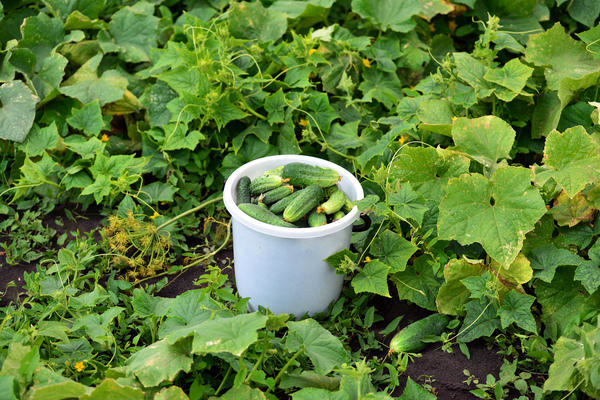
To get a good harvest of any vegetable, including cucumbers, you need not only timely fertilizing but also proper care. This is because proper care will create favorable conditions for plant growth and development, and the fertilizers applied will maintain the mineral and organic composition of the soil at the desired level. Only then will large harvests and excellent taste be possible.
Cucumbers are plants that require very little feeding. They especially need organic fertilizers. Therefore, they should be fed immediately after planting outdoors. Therefore, properly fertilizing cucumbers, both outdoors and indoors (for example, in a greenhouse), is a crucial aspect of growing this vegetable crop. To achieve success, it's important to follow certain rules and fertilizing guidelines, as well as know the types of fertilizers suitable for this crop.
Fertilizing cucumbers has the following positive aspects:
- allows for increased plant growth and development processes, which leads to earlier flowering;
- helps to extend the fruiting period (the more correctly the fertilizing is carried out, the better and longer the fruiting of the plantings will be);
- improves the taste of fruits;
- increases protection of crops from diseases (plants become more resistant to pathogenic microflora).
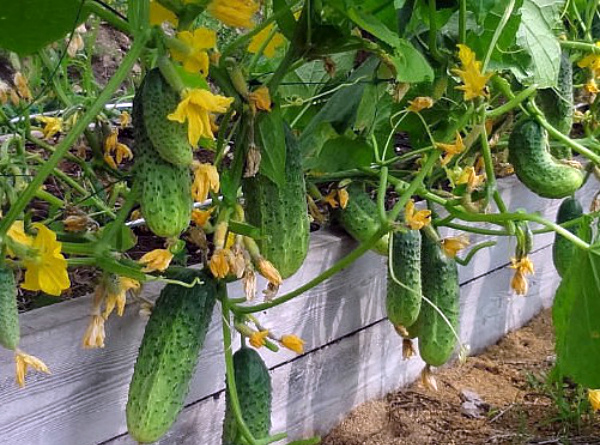
For cucumbers grown in open ground, the last aspect is the most important and relevant.
It's worth noting that when planting cucumbers outdoors, it's important not to overdo it with fertilization. If you're growing them in fertile soil, overfertilizing can lead to reduced yields and diminished flavor. However, this is the exception rather than the rule. Therefore, fertilizing cucumbers should be done strictly according to established guidelines, taking into account the nutritional needs of your garden's soil. This is the only way to ensure a bountiful harvest, even from a small planting area.
Feeding schedule
The most difficult part of fertilizing cucumbers is sticking to a specific schedule. First and foremost, it's important to consider the timing of the first application of fertilizer. It's generally accepted that the first application always occurs after the first shoots emerge. This applies to any type of cultivation (from seeds or transplants). Note that the timing of the first application is independent of the growing location (outdoors or indoors).
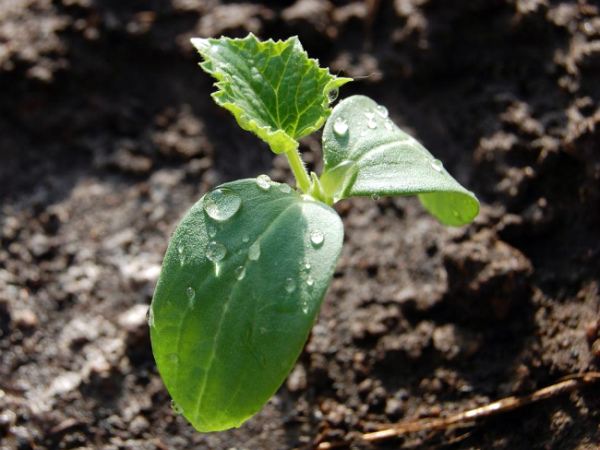
The first feeding, which is applied after the emergence of seedlings, has the following subtleties:
- To increase yields, the soil is also fertilized before planting. This is especially important for seedlings planted outdoors.
- When planting seeds (in a greenhouse or outdoors), fertilize after the seedlings develop their first two strong leaves. This fertilizing regimen also applies to plants grown indoors in pots.
The timing of the initial fertilizer application determines the entire subsequent fertilizing schedule. After this point, fertilizing, as part of the care routine, is applied regularly (every 15-20 days).
Further care of the plantings should also include timely watering.
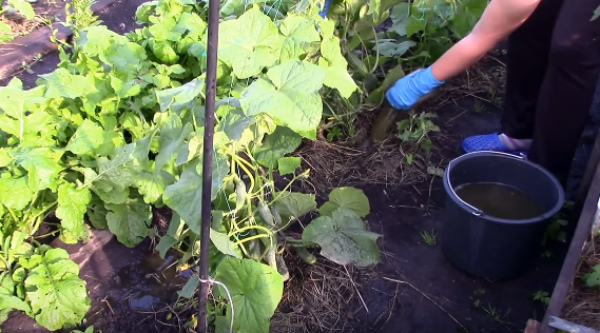
Additionally, cucumbers can be fertilized throughout the seasons. The schedule in this case would look like this:
- Autumn. At this time, the soil should be fertilized after the entire harvest has been collected. This procedure allows for effective and efficient soil preparation for spring planting. It's important to determine a new location for growing cucumbers in advance. Before applying fertilizer (such as a mullein solution or other organic fertilizers), the soil should be thoroughly dug over and the beds marked out. Afterward, the beds are fertilized and "insulated" for the winter.
- Spring. In this case, the beds are prepared for planting. Fertilize the beds in the spring a few weeks before planting. The soil should be treated with a copper sulfate solution. After this, it's best to remove 20-25 cm of soil. Place straw and pine needles into the resulting beds and fill them with a solution of ash, bird droppings, and warm water. Cover the prepared beds with plastic wrap until planting. Just before planting, water the soil in the beds with hot water.
- Applying mineral fertilizers before planting. This procedure can be carried out several weeks before planting the cucumbers. However, it is considered best to do it three days before planting. At this point, phosphorus should be added to the soil (10–15 g per 1 m).2), as well as potassium (10–15 g per 1 m2) and nitrogen (no more than 10 g per 1 m2).
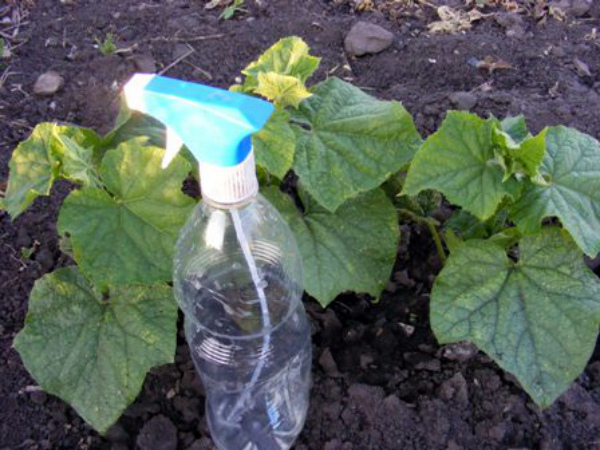
There are other fertilizing schemes. According to one, cucumber fertilizing methods are divided into two types:
- Root application. This involves applying fertilizer as close to the root system as possible. Fertilizers are typically dissolved in water and applied to the soil through irrigation. Remember to apply fertilizer so that it doesn't come into contact with the leaves. This ensures proper feeding and care. Otherwise, the leaves will burn, and no amount of care will save a severely damaged plant.
- Foliar feeding. This is applied to vines and leaves, and sometimes even to fruit, but only in rare cases (due to disease or pest infestation). This type of feeding is done by spraying the planting. Therefore, unlike root feeding, a less concentrated fertilizer solution is prepared.
If necessary, different schemes can be combined. This is especially important when the soil was initially poor in nutrients. This regular care will allow you to achieve good plant growth and reap an excellent harvest.
Selecting a Fertilizer
After we've determined when to fertilize cucumbers, only one unanswered question remains: what fertilizer to use. A key aspect of any fertilization, at any time, is choosing the correct fertilizer proportions and timing.
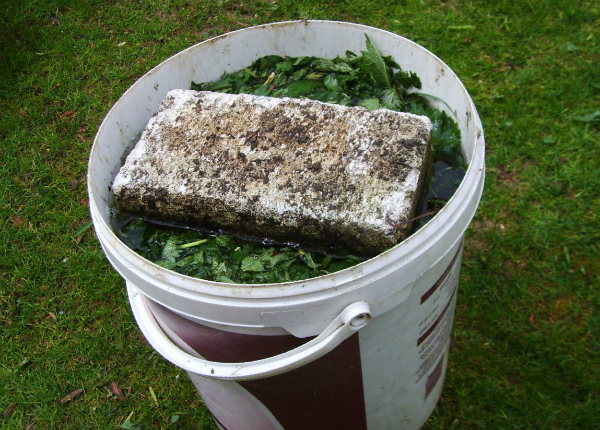
Today, a wide variety of fertilizers are available at any gardening store. However, many gardeners believe that traditional methods are the best way to fertilize their plants.
Today, mullein is considered the best organic fertilizer for cucumbers. It is used not only for open-ground crops but also for greenhouse crops.
Mullein is rich in nutrients essential for the healthy growth and development of cucumbers. It can serve as a complete fertilizer, completely eliminating the need for additional fertilizers. Mullein for cucumbers is prepared at a ratio of 1:10. This means 1 liter of fertilizer per 10 liters of water. Approximately 1 liter of the prepared solution is needed per plant.
Please note that some gardeners use horse manure as a fertilizer. However, it is contraindicated for cucumbers due to its high ammonia content. When it decomposes in the soil, dangerous nitrates form, which penetrate the fruit. These cucumbers can cause serious health problems.
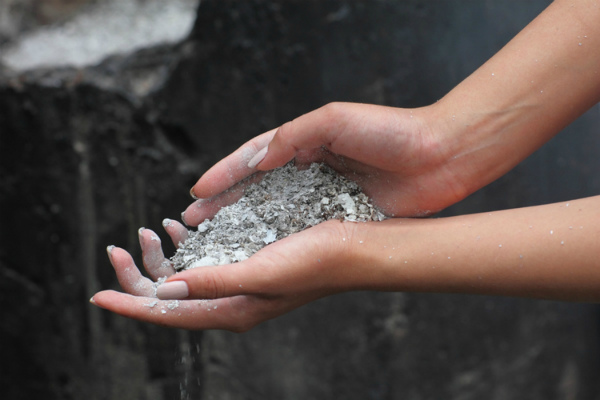
Another excellent fertilizer for cucumbers is a solution containing bird droppings. Chicken droppings are most often used for this purpose, and they're readily available in dried form, either from neighbors or at the grocery store. To prepare the fertilizer, mix 10 liters of water with 1 liter of droppings. Add 2 cups of ash to the resulting solution. The same fertilizing method is used here: 1 liter of solution per plant.
In addition to the folk remedies described above, you can also use ready-made mixtures available in stores. The instructions for preparing these solutions are included on the packaging. The most commonly used of these preparations are mineral fertilizers rich in phosphorus, nitrogen, and potassium. These solutions can be used both as a spray and as a root dressing for cucumbers.
Mineral fertilizers are especially important for high-quality and long-lasting fruiting. However, if they are used in excess, cucumbers begin to dry out and turn yellow.
Proper care, including choosing the right fertilizer type, application schedule, and proportions, will help you get an excellent and tasty cucumber harvest from any garden.
Video: "Fertilizing Cucumber Plants in Open Ground"
The author of this video recommends feeding cucumbers after a cold snap with a complex fertilizer based on an herbal infusion with the addition of NV-101.