
Recipes for feeding cucumbers with yeast
Content
Benefits of yeast
Fertilizing plants with yeast has a beneficial effect on them in several ways.
Firstly, they stimulate the vegetative processes of cucumber seedlings and young saplings. The effectiveness of the fertilizer is noticeable within the first few days after application – cucumber leaves and stems acquire a more vibrant color, lose wilting and yellowing, and become juicier and stronger. In the long term, the seedlings appear stronger and healthier than their counterparts without yeast fertilizer.
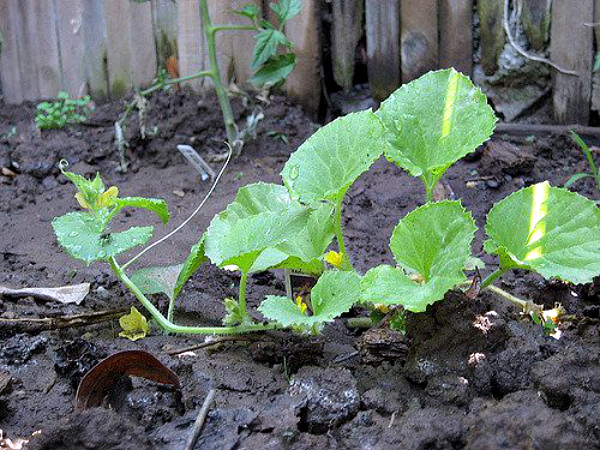
Secondly, yeast contains a rich array of beneficial substances, both on its own and through subsequent chemical reactions with the soil. Fertilizer provides the plant with proteins, carbohydrates, amino acids, vitamin B, and minerals (organic iron, nitrogen, and phosphorus). It's worth noting that the fermentation process is associated with potassium absorption, so it's important to balance this amount with additional fertilizer such as wood ash.
Thirdly, this type of feeding stimulates the growth and strengthening of the cucumber root system, and also acts as a preventative measure against fungal diseases, strengthening the plant's immunity.
Thus, yeast fertilizer undoubtedly has a positive effect on the growth and subsequent fruiting of cucumbers.
Mixture recipes
There are a large number of yeast feeding recipes, mainly because you can add a wide variety of ingredients to the mixture, which you always have on hand. Let's look at the simplest recipes, gradually moving on to more complex ones that require more time to prepare.
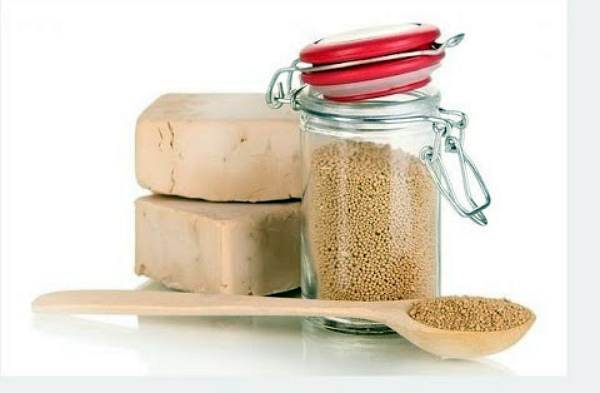
For preparation, both dry and raw, “live” yeast are used.
You'll need a 10-liter bucket or saucepan, 10 grams of dry powder, and 5 tablespoons of sugar. Mix the sugar and yeast in warm water and set aside in a warm place for 4-5 hours. Once the mixture begins to ferment, dilute it tenfold before watering.
Pour warm water into a 5-liter container and mix 2 tablespoons of sugar, 2 g of ascorbic acid, and 1 tablespoon of dry yeast. Let the resulting solution sit for 24 hours, stirring occasionally. Before watering, dilute the mixture with water 1:10.
Dissolve 100 g of live yeast in 5 liters of warm water and let it ferment for 6 hours. Watering with this solution should be done after diluting the mixture 1:5.
In a 10-liter bucket, mix 50 g of mushroom powder, 0.5 l of chicken manure infusion, 0.5 l of wood ash, and 5 tablespoons of sugar. Let the mixture sit for 24 hours, stirring regularly. Dilute the mixture 1:10 before use.
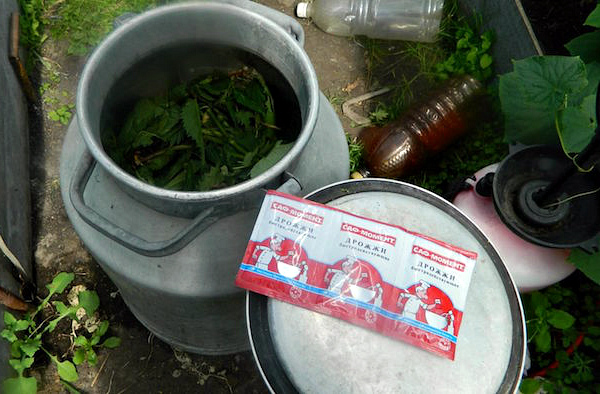
Add 50 liters of warm water to one bucket of mown grass (potato tops, leaves, bushes, hops), 500 g of bread crumbs (or bread crusts), and 500 g of dry yeast. Let the mixture sit for 3 days. It's important to stir it well.
Mix 500 g of bread (crusts or crumb) and 500 g of breadcrumbs, add 500 g of herbs and dry yeast, pour in 10 liters of warm water, and let sit for 48 hours. Before watering, be sure to strain and dilute the solution 1:10.
How to fertilize
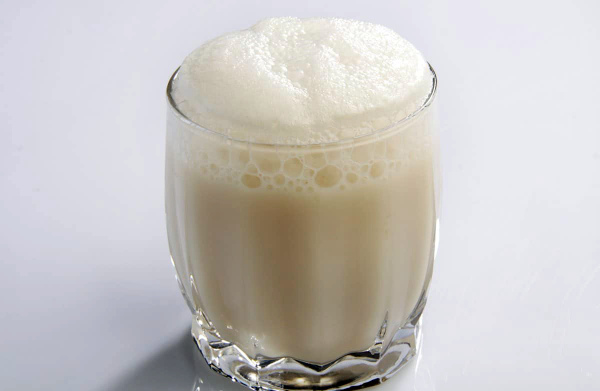
In open ground, yeast fertilizing mixtures with more ingredients can be done twice per season. Simpler recipes, including only yeast and sugar, can be applied 3-4 times per season. As with any fertilizer, an overabundance in the soil will lead to uncontrolled growth of foliage, so by the time your cucumbers bloom, you'll end up with giant bushes with minimal inflorescences, and later, with few fruits.
Before planting outdoors, you can lightly fertilize the growing seedlings. In this case, there's no need to feed them with yeast during transplanting.
The first feeding of the beds should be done at the end of the first week of life, preferably after nitrogen fertilization. The second time, cucumbers can be watered with the mixture before flowering and fertilized with potassium.
This way, you will encourage the cucumbers to form fruitful inflorescences.
Fertilizing plants is beneficial against fungal diseases (powdery mildew, downy mildew, anthracnose). This provides the plant with micronutrients that will help it overcome the disease and fully recover.
Video: "Excellent Yeast Fertilizer for Vegetables"
This short video will teach you how to make your own yeast fertilizer for cucumbers.