
Why cucumber ovaries fall off – reasons
Content
- 1 Violation of the light regime
- 2 Video: "Why do ovaries turn yellow and fail to grow?"
- 3 Violation of the temperature regime of soil and air
- 4 Mineral malnutrition
- 5 High yield of hybrids
- 6 Deficiency or excess of moisture in the soil
- 7 Poor performance of bees due to unfavorable weather conditions
- 8 Video: "Growing Mistakes"
Violation of the light regime
Almost always, the cause of ovary drop on cucumber plants is some kind of poor plant care. And most often, the problem stems from improper light conditions. Plants are known to be very sensitive to light, which is necessary for photosynthesis. Photosynthesis provides plants with the energy they need for growth and development. Therefore, if there's insufficient light, plants immediately react to the situation. In cucumbers, this manifests itself in ovary drop.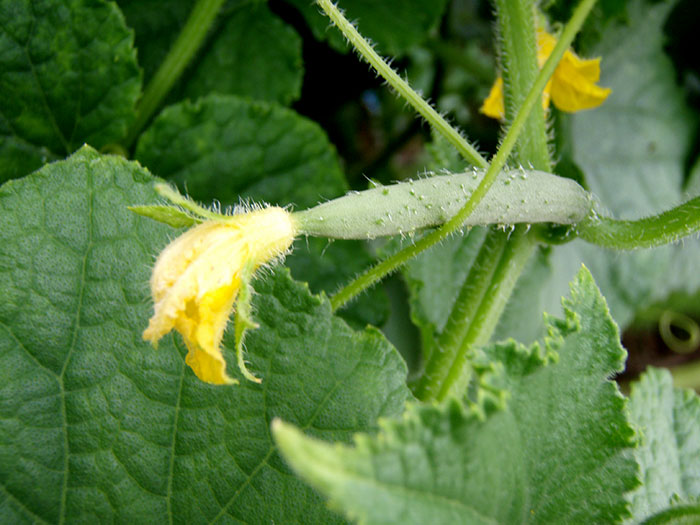
Lighting conditions for cucumbers must be considered regardless of how they are grown (indoors, outdoors, or in a greenhouse). For each cucumber variety, the optimal growing location must be selected to ensure the daylength matches the plant's needs. Indoors, insufficient light can be remedied with supplemental lighting—growth lamps.
Cucumbers prefer well-lit areas that receive full daylight. However, it's important to consider the possibility of shade from greenery. This can be created by fruit trees, tall bushes, and other vegetation. This situation is especially common when growing vegetables in greenhouses. Space is limited, so it's difficult to ensure adequate daylight throughout the day. In a greenhouse, don't overdo it with the number of plants. A small number can easily be offset by an excellent harvest, which is possible with proper care and adherence to all agricultural practices. Therefore, when planning to plant cucumbers in a greenhouse, first calculate the optimal number of plants for the existing structure. Also, add 10% to the required number of plants as a safety net. Some seedlings might not thrive.
When planting this crop, it's important to keep the plants' vegetative system in mind. This recommendation is especially relevant for parthenocarpic hybrids. Their planting should be done taking into account the feeding area of each bush. Parthenocarpic hybrids should be planted one (sometimes two) plants per square meter. Bee-pollinated varieties, on the other hand, should be planted with two to three bushes per square meter.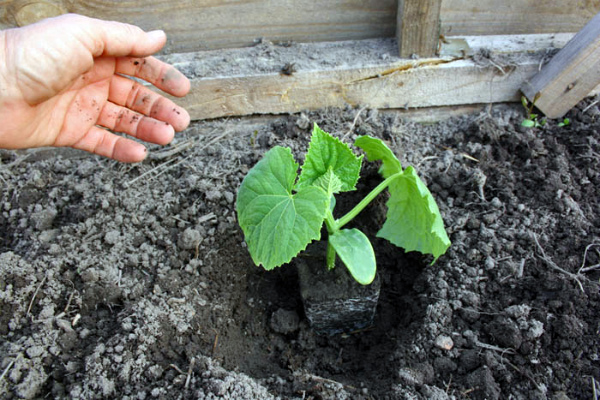
If you do not follow these recommendations, then as young cucumber bushes grow, they will begin to shade each other, which will lead to the ovaries falling off.It's worth noting that ovaries can dry out before falling. This often occurs due to a lack of pinching. Without pinching, it's impossible to properly shape the bush and encourage abundant fruiting.
If pinching is not performed, the side shoots will begin to grow rapidly, shading neighboring bushes. Therefore, it is necessary to periodically pinch the upper part of the shoot. Its length should not exceed 20-25 cm. Stems longer than 25 cm weaken the plants, resulting in fruit drop.
As we can see, it's crucial not only to provide the right light conditions for cucumbers but also to properly shape the bushes. Bush formation for this vegetable crop always begins with the "blinding" of the leaf axils. These axils contain the beginnings of flowers, tendrils, and lateral shoots. As they grow, they begin to require increasing amounts of nutrients. This weakens the parent bush. Therefore, timely removal of these rudimentary elements will optimize the plant's resource use, develop a strong vegetative system, and increase fruiting.
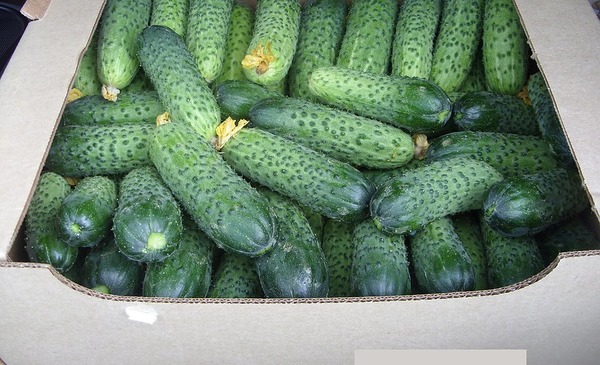
It's important to remember that the bush needs to be shaped based on its species. This parameter directly affects the number of "blinded" axils.
Video: "Why do ovaries turn yellow and fail to grow?"
From this video you will learn why yellowing of the ovary occurs in cucumbers.
Violation of the temperature regime of soil and air
The second important factor that can lead to ovary drop is temperature imbalance. It should be as follows:
- For parthenocarpic cucumbers, the optimal air temperature for abundant fruiting is 22-24 degrees Celsius (clear weather). In cloudy weather, the air temperature can drop to 20-22 degrees Celsius. At night, the temperature should be between 17-18 degrees Celsius. During the fruiting period, the air temperature should be between 23-26 degrees Celsius, 21-23 degrees Celsius, and 18-20 degrees Celsius.
- For bee-pollinated varieties, the above temperature indicators should be increased by approximately 1-3 degrees for each phase of the plant life cycle.
As for the soil, for cucumbers to bear fruit, the soil must warm up to 22-24°C. However, the critical temperature range for the plants is 13-15°C. If the soil temperature drops to this level, the ovaries on the bushes will turn yellow. If the situation continues, they may fall off.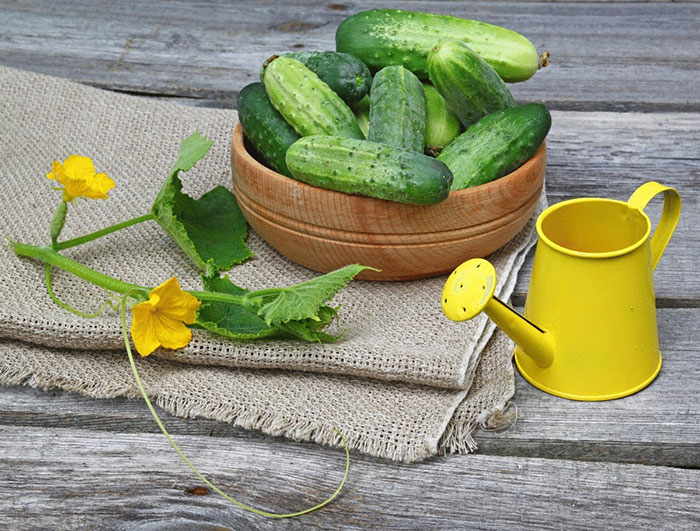
Temperature control is crucial when growing cucumbers in plastic greenhouses. Most often, fruit drop occurs due to overheating and sudden temperature fluctuations caused by the heat leaking through the polyethylene covering. Therefore, in hot weather, the space inside the greenhouse can reach temperatures as high as 40 degrees Celsius. At night, the temperature inside the greenhouse drops significantly, leading to sudden temperature fluctuations. The plants respond to this by dropping their fruit.
Mineral malnutrition
Another reason why cucumber flowers may drop is a mineral deficiency. This nutritional deficiency can manifest itself not only in a deficiency of specific micronutrients, but also in an improper combination of them.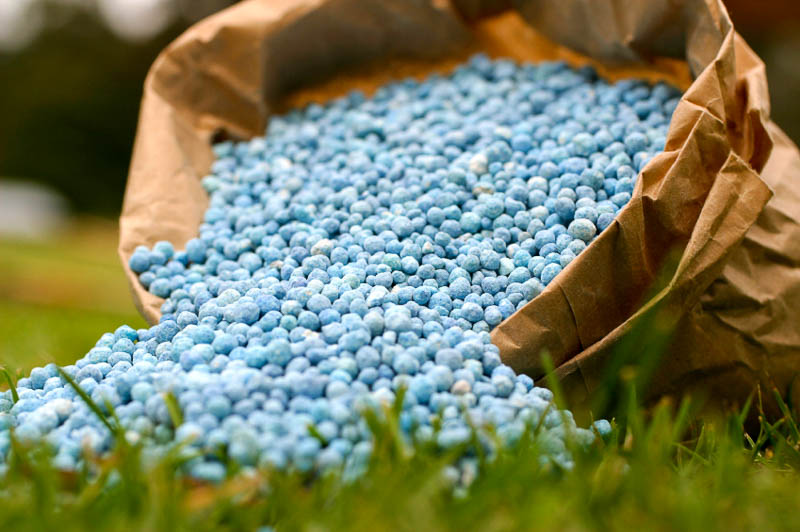
It's worth noting that temperature fluctuations, improper water intake, etc. can lead to mineral deficiencies.
Hybrids, as well as parthenocarpic varieties, rely heavily on mineral nutrition, as they have a robust vegetative system. They also require proper watering.
If the water regime is disrupted, beneficial micronutrients such as nitrogen and potassium can begin to leach out of the soil. If these elements are severely deficient, cucumber plants will begin to dry out, turn yellow, and drop fruit.
To avoid micronutrient deficiencies, you simply need to fertilize your plants with nitrogen and potassium fertilizers in a timely manner.
High yield of hybrids
Interestingly, high yields of hybrid cucumber plants can cause flower drop. This is especially true for parthenocarpic varieties. These plants have an ovary (or, in rare cases, several) in their axils. 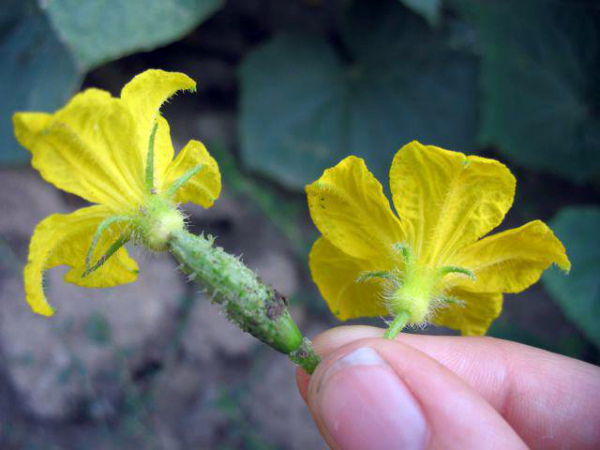
Therefore, to ensure full fruit development, the plant will relieve excess stress by redirecting its available resources. To help this, some of the fruit should be removed.
Deficiency or excess of moisture in the soil
Often, flower drop is caused by too much or too little water. When growing cucumbers in your garden, remember that the soil should be well-moistened during the fruiting stage. Water generously during the ripening stage. The soil should remain slightly moist at all other times.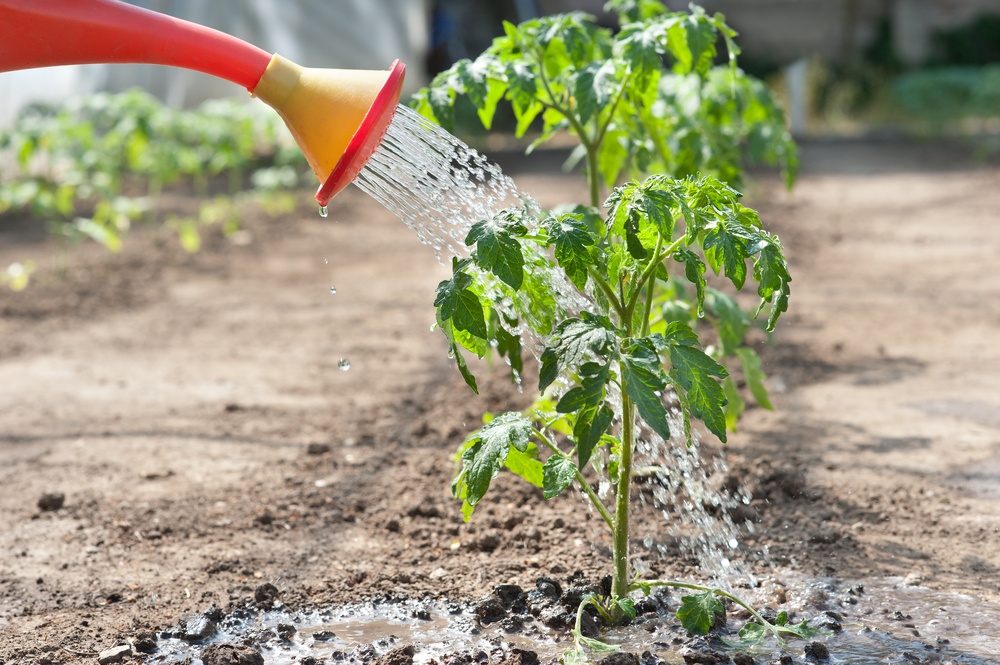
It's important to remember that cucumber plants should only be watered with warm water. If cold water (10-15 degrees Celsius) is used, the plants will begin to shed their flowers en masse.
Some experts claim that to increase the number of female flowers, the planting should not be watered for several days.
Poor performance of bees due to unfavorable weather conditions
Another reason cucumber ovaries drop is because bees don't do their job. These insects don't fly in cloudy or extremely hot weather. They're especially rare in a heated greenhouse. Moreover, if bees do fly into the garden, the pollen becomes sterile at temperatures above 35 degrees Celsius. As a result, fertilization fails, and the ovaries drop.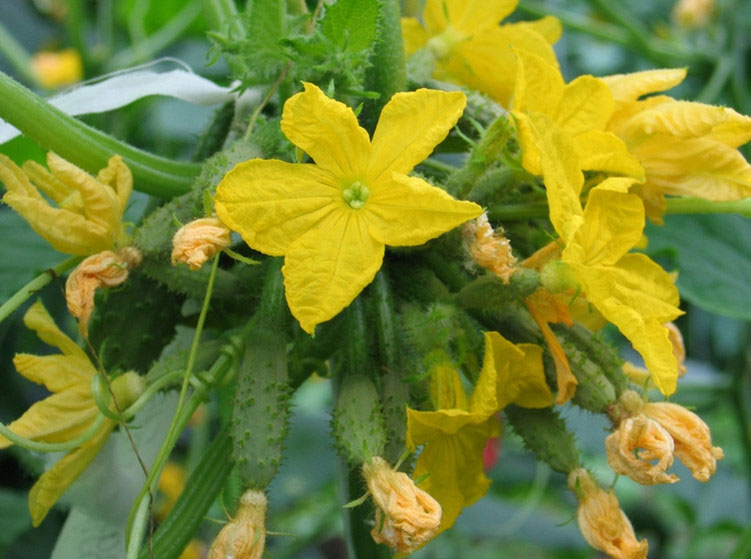
By properly caring for the plantings, you can avoid the ovaries falling off the bushes.
Video: "Growing Mistakes"
This video will show you the most common mistakes gardeners make when growing cucumbers.