
Cucumbers are hollow inside: what is the reason?
Content
Reasons
There are several reasons why cucumbers may appear hollow after ripening in a greenhouse. This can occur if a gardener has chosen the wrong variety for growing in a given environment.
Cucumbers can appear hollow inside due to abnormal growth of the placenta, where the seed rudiments are located. Since the placenta supplies the seeds with nutrients and continues to develop, disrupted growth can cause abnormalities within the entire fetus.
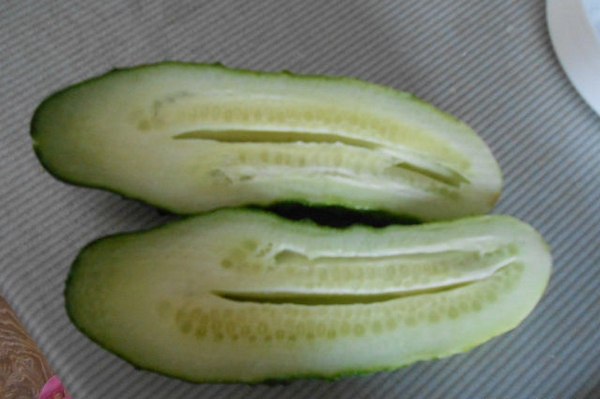
In order for cucumbers to grow normally, it is necessary to provide stable conditions for the crop's development and a balanced diet.
Here are several factors that can significantly affect the formation of full-fledged fruits in a greenhouse.
Cucumbers often become hollow inside due to insufficient watering or excessive moisture getting under the roots. Furthermore, it's worth noting that improper application of fertilizers or nutrients to the soil can damage the fruit. The soil in which cucumbers are grown requires special attention. Let's take a closer look at each of these factors.
Poor or too much watering
The most common reason why cucumbers become hollow inside is a lack or excess of water in the soil.
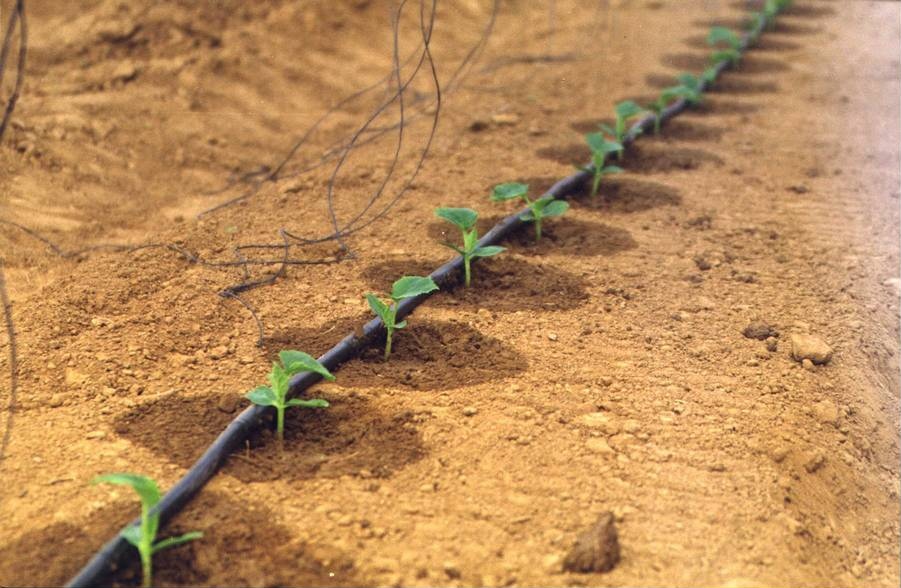
Gardeners know that cucumbers thrive on moisture, so regular watering is essential. Without enough water, the root system will not be able to absorb the required amount of moisture and micronutrients from the soil, leading to deterioration of the plant and, ultimately, the fruit.
Once fully ripe, cucumbers are 80% moisture, juice, and other enzymes, which are acquired through timely and adequate watering. Insufficient or inconsistent watering can affect the growth process.
A lack of water leads to the formation of voids inside the fruit. And if the soil is oversaturated with moisture, cucumbers will continue to absorb more than they need. As a result, the fruit will begin to crack and dry out. Tissue rupture on the fruit and stems often causes cucumbers to lose 30-40% of their weight.
When growing this vegetable crop in a greenhouse, watering can be more uniform. To simplify this task, it is recommended to install a drip irrigation system, which delivers targeted watering directly to the seedlings' roots.
Video: How to Water Cucumbers
This video explains in detail and clearly how to properly water cucumbers.
Poor nutrition
Another reason why cucumber fruits cannot form normally is improper plant nutrition.
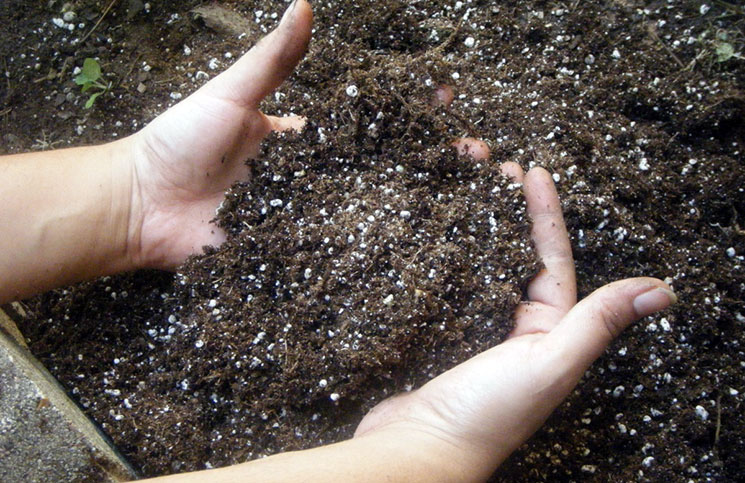
First of all, it's important to know that excessive nitrogen levels in the soil relative to potassium, calcium, and phosphorus can impact growth quality. A deficiency in these essential nutrients will definitely lead to a decline in cucumber quality. They may appear hollow, loose, wrinkled, and yellowish.
To prevent this problem, add organic fertilizer to the soil. If you use compost, overdosing is unlikely, but when using animal manure, be sure to maintain the appropriate amount to avoid harming the seedlings.
Soil can lose its beneficial properties if manure and urea are applied in large quantities. This will ultimately impact the quality of the harvest. Soil fertilization is essential to improve its properties.
Because of this, it is very important to maintain a balanced supply of nutrients for cucumbers so that they can grow normally.
Problematic soil
The soil in which cucumbers are grown is a crucial source of micronutrients and other nutrients necessary for normal fruit growth. Therefore, gardeners must ensure that the soil contains a balanced amount of all the necessary nutrients and components required for a healthy cucumber harvest.
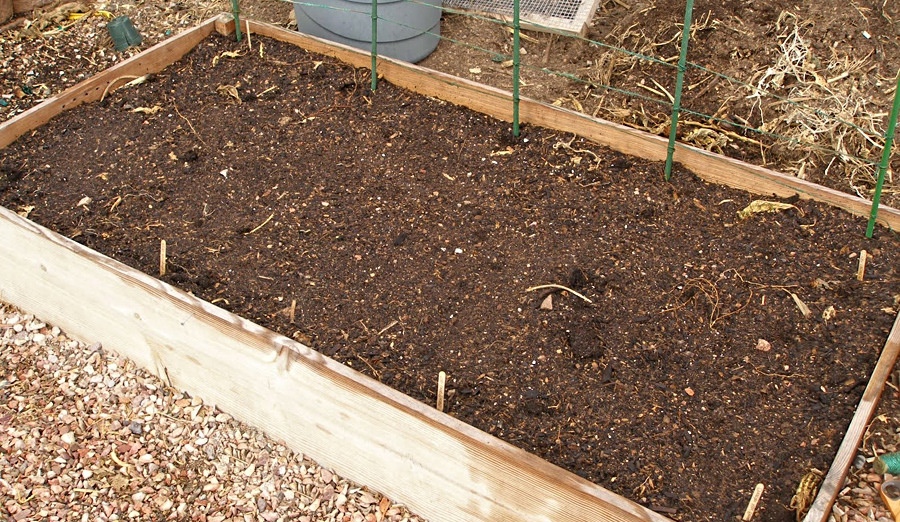
Furthermore, the soil may contain various pathogenic microorganisms that can cause cucumber diseases. Viral diseases can disrupt vascular function in young tissues, leading to impaired fruit growth. These problems typically manifest more rapidly in hot weather, when all growth processes accelerate.
When growing cucumbers in a greenhouse, the soil should be thoroughly cultivated before planting. It's best to use commercial soil that has been freed of harmful and pathogenic organisms.
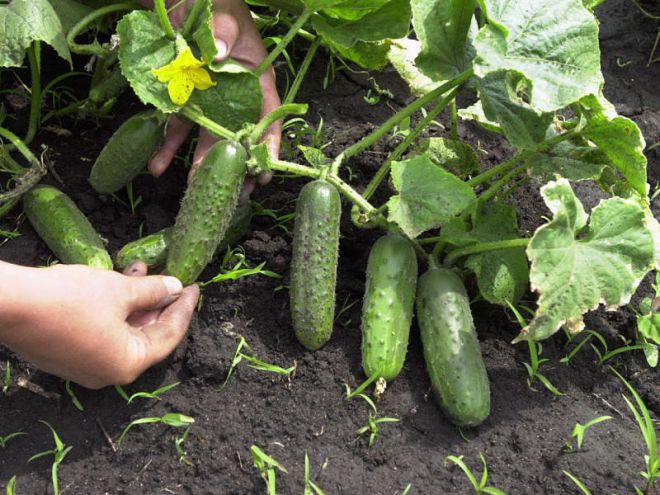
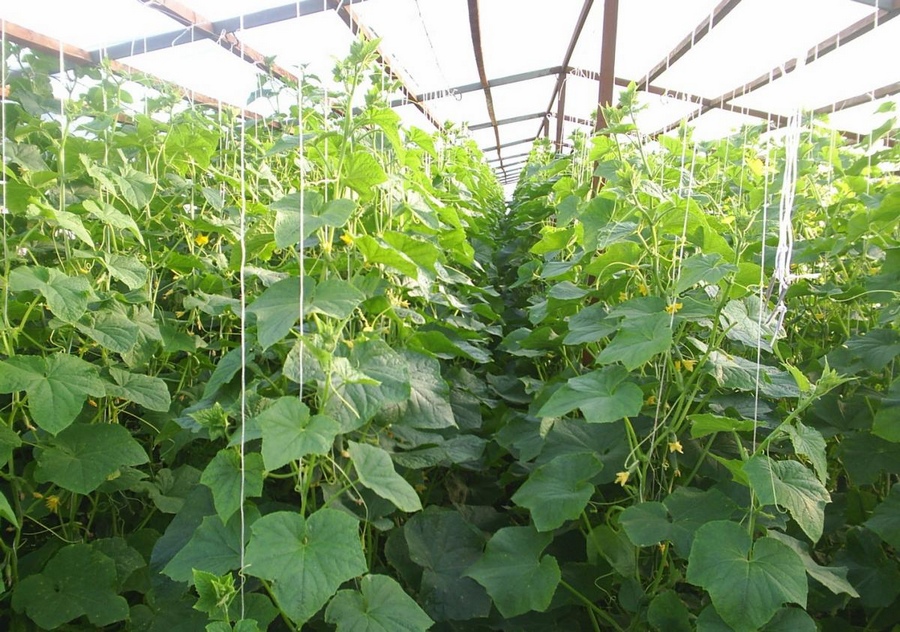
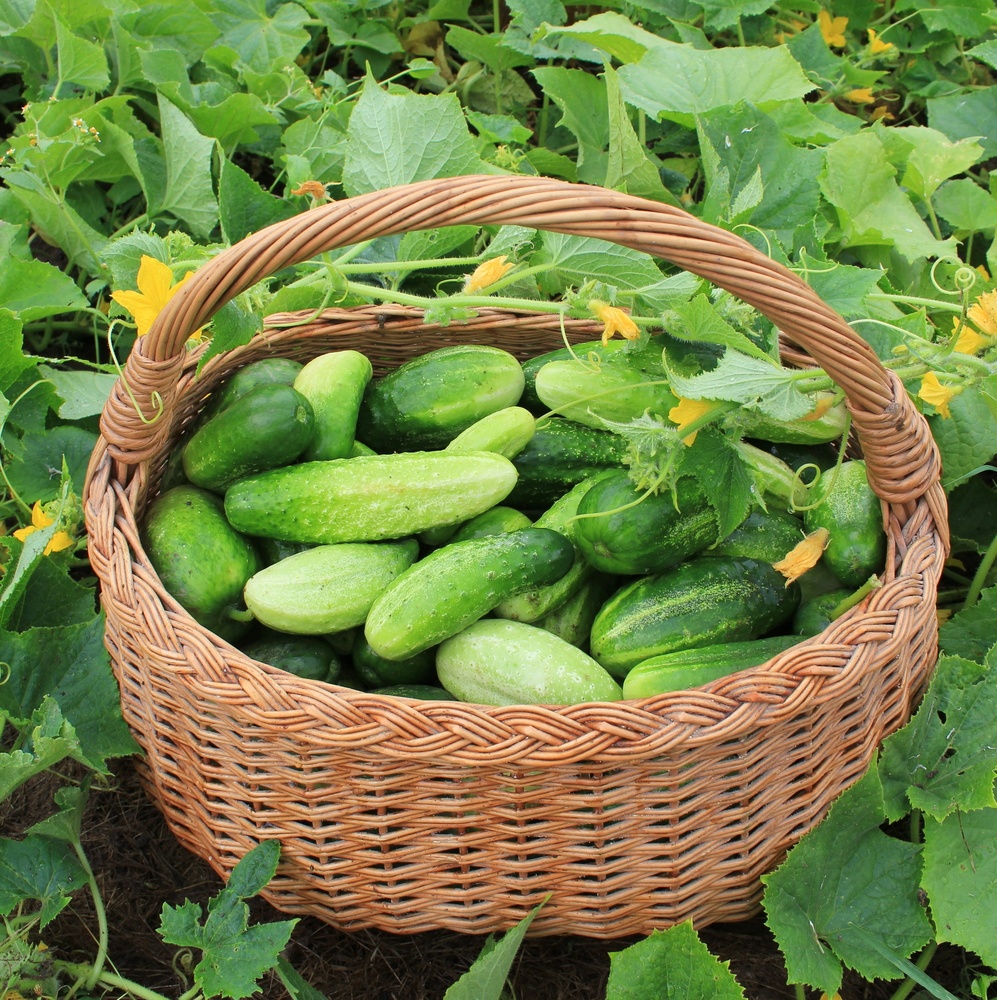
The soil should also be loosened periodically to improve air circulation and reach the root system. This procedure will also facilitate water penetration and improve soil moisture.
Temperature difference
In addition to the main and most common causes of hollow cucumbers, another one should be noted: sudden temperature fluctuations. This problem most often occurs when the air temperature is high during the day and then drops sharply to lower at night. Regular fluctuations of more than 30 degrees Celsius can cause cucumbers to develop abnormally. Ultimately, this can lead to hollow cucumbers with virtually no seeds.
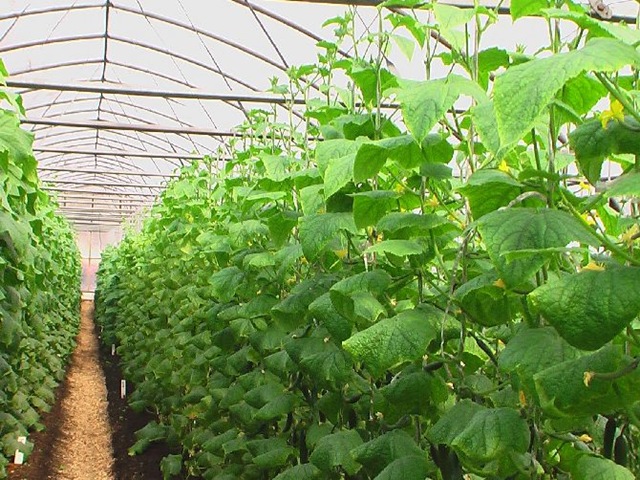
When growing crops in southern regions, fluctuations in air temperature rarely affect their growth. In other situations, a greenhouse can be installed on the plot, where it's much easier to maintain a stable temperature.
Here's a comprehensive list of factors that will fully answer the question: "Why do cucumber fruits become hollow?" By preventing their impact on the harvest, you can completely prevent this problem.
Video: "Growing Cucumbers. Forming Bushes"
The video's author explains in detail his own technology for growing and caring for cucumbers.