
Why aren't cucumber ovaries growing in a greenhouse and how can this be addressed?
Content
Common mistakes when growing
First, check for any improper growing conditions in the greenhouse. Oddly enough, even experienced gardeners often forget that cucumbers thrive in warmth and abundant light, but they don't tolerate heat combined with high humidity or scorching sunlight. Sometimes cucumbers grow haphazardly, creating a veritable tropical jungle that not only prevents flowering but also makes life difficult. The first mistake is over-planting. Be sure to pinch and remove side shoots to maintain healthy growth, so that fruit buds form naturally and in abundance.
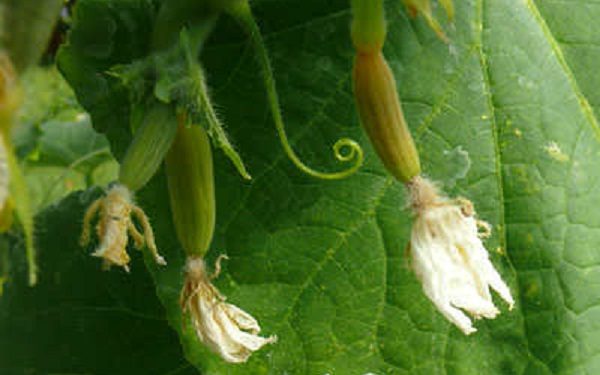
Excessively high temperatures burn the plants. Under such conditions, cucumbers fail to bloom, and even their leaves and sparse flowers fall off. If it's not possible to regulate the temperature to a comfortable 23°C (73°F), ventilate the greenhouse more frequently and leave buckets of cold water overnight to cool the air.
It's not uncommon for the saying "cucumbers need a lot of water to grow" to be taken too literally, leading to them being overwatered, turning the beds into something resembling Venice. This shouldn't be done, as too much moisture leads to root rot, which is understandable, as they don't thrive. Another common mistake is watering with cold water. There's no point in torturing the plant this way—it creates favorable conditions for the development of fungal microflora. Overcooling is one of the key factors in a plant's failure to set fruit. To avoid asking yourself, "Why aren't they growing? What should I do? Why am I doing this?", create a dry period in the greenhouse for a few days to allow the moisture to evaporate from the soil.
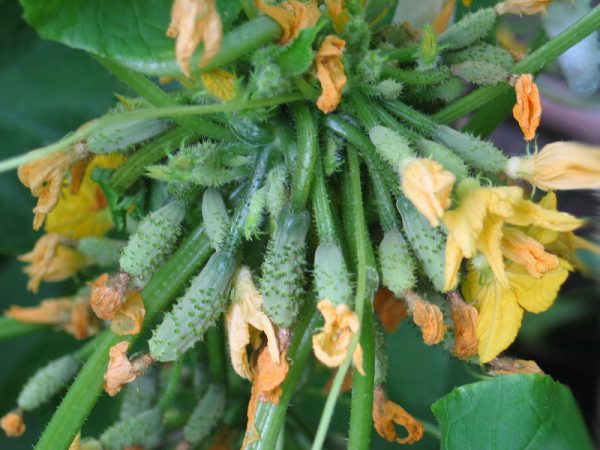
Incidentally, fungal diseases, if they appear in a greenhouse, will disrupt the idyllic picture of fruit set. Why do cucumbers fail to set when affected by powdery mildew, downy mildew, white rot, gray rot, root rot, white and green mosaic, and copperhead? Fungal microflora inhibits vegetative processes and disrupts metabolism, leading to the depletion and death of once-healthy tissue. Moreover, there's a high risk that the plant itself will die if it isn't treated promptly with a fungicide.
Video: "Reasons for Poor Cucumber Fruit Growth"
An informational video that provides answers to the most frequently asked questions about why cucumber ovaries are not growing well.
Why else are cucumbers failing to set fruit? Excess nitrogen in the soil causes the plant to continue to grow foliage but lack the resources to form fruit. Shortly before flowering, a phosphorus-potassium fertilizer complex should be added to the soil to, firstly, balance the amount of nitrogen microelements, and, secondly, encourage the crop to bloom abundantly and form fruits.
The quality of the seeds shouldn't be overlooked. If you used fresh seeds that are a year old or even younger, there's nothing you can do about it—you'll have an abundance of male flowers and a paucity of female flowers. Vegetables grow best from seeds that are at least two years old, as they will produce predominantly female flowers. If you only have young seeds, warm them up and soak them thoroughly in a potassium permanganate solution before planting them in the greenhouse.
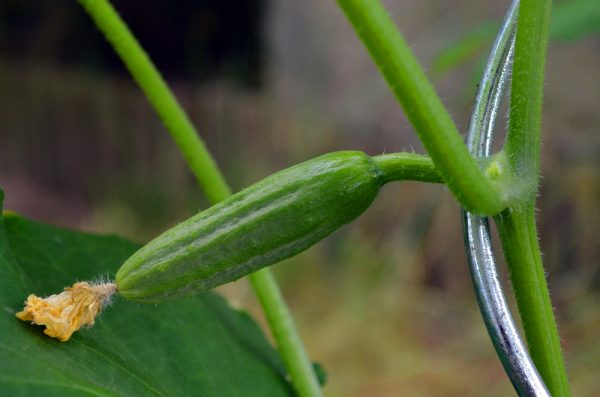
Some gardeners, noticing a large number of male buds, pluck them off. This should never be done, as it will cause significant damage to the plant and prevent it from producing additional buds. It's better to pinch off the side shoots to stimulate the growth of female buds, which will inevitably appear within a few weeks. For comprehensive greenhouse support, you can use the product "Zircon," which enhances the resilience of cucumber plants to environmental conditions. With this support, they grow healthy, strong, stress-resistant, and, most importantly, produce a sufficient number of buds.
Video "Recommendations for Gardeners and Vegetable Growers"
An informational video that will help you avoid problems with poor cucumber growth.