
Irregularly shaped cucumbers: what are they missing and how to treat them?
Content
Possible reasons
Since crooked fruits create some difficulties during processing, many gardeners want to understand what their cucumbers lack.
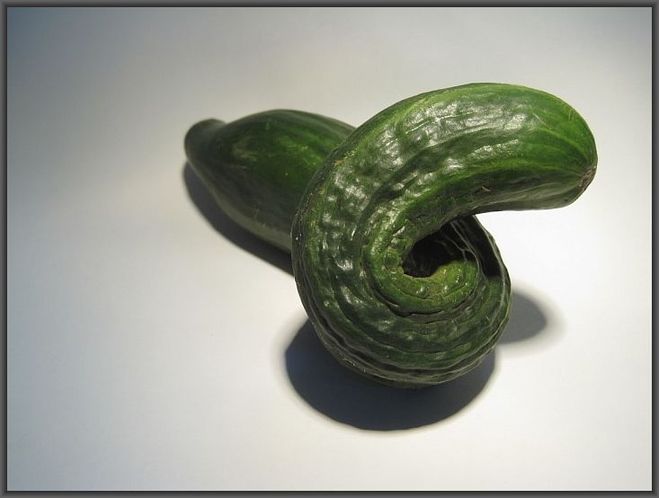
Typically, undesirable changes manifest as disproportionate fruit, characteristic distortions, or the appearance of paired cucumbers. There are many possible causes of crooked cucumbers: failure to follow crop rotation rules, incorrect variety selection and subsequent planting, inadequate watering frequency, changes in air temperature, untimely harvesting, and improper seedling fertilization. Let's look at each of these factors in more detail.
Violation of crop rotation
If gardeners don't follow crop rotation rules, cucumbers often develop a crooked shape after ripening. This is because the soil may not contain the necessary micronutrients for the plant. In addition to the imbalanced micronutrient levels, toxins that accumulate in the soil are also dangerous.
Once the seedlings have established themselves, they gradually begin to accumulate in the root system and be transmitted to the developing fruits. These factors can lead to negative results. It's not that cucumbers are more vulnerable to toxins than other crops.
But when grown in the same area every season, the risk of increased concentrations of toxins and other harmful substances increases significantly. Consequently, the fruits begin to undergo changes during growth. And changing their shape isn't the worst thing that could happen.
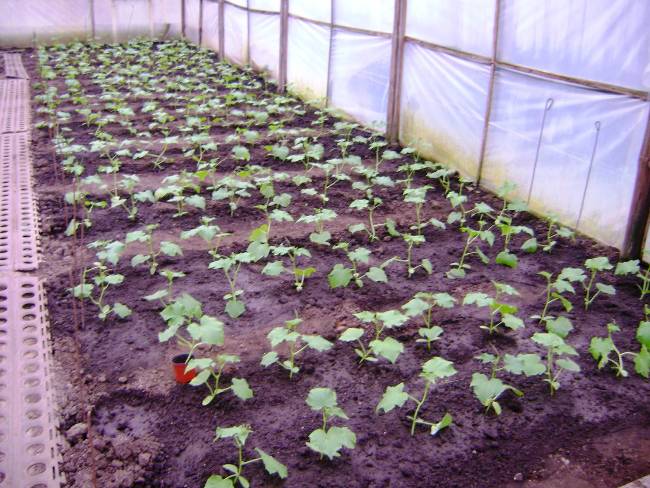
It's best to plant this vegetable after pumpkins, which have similar micronutrient requirements. Also, poor soil increases the risk of crooked cucumbers.
Incorrect choice of variety and planting
Another major cause of crooked cucumbers after harvest is the incorrect selection of varieties. When examining this issue in detail, it's always important to pay attention to any errors in preparation and planting techniques.
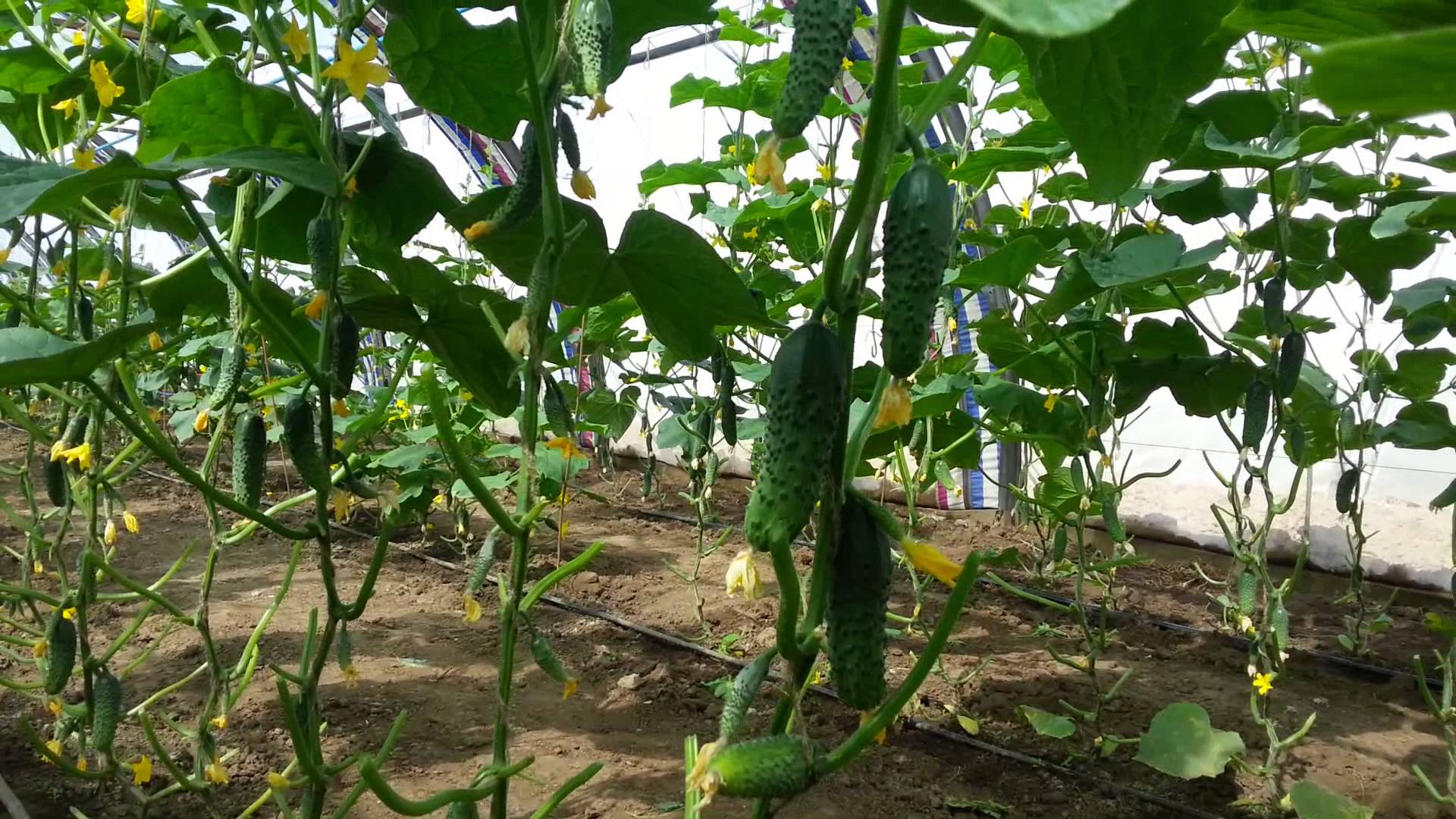
This primarily concerns the layout of different cucumber varieties in the plot relative to one another. For example, some parthenocarpic varieties and those pollinated by bees were planted too close together. Parthenocarpic varieties do not require pollination at all to set fruit. As a result, bees partially pollinate these cucumbers, which can lead to changes in fruit shape, typically becoming crooked.
Violations of the irrigation regime
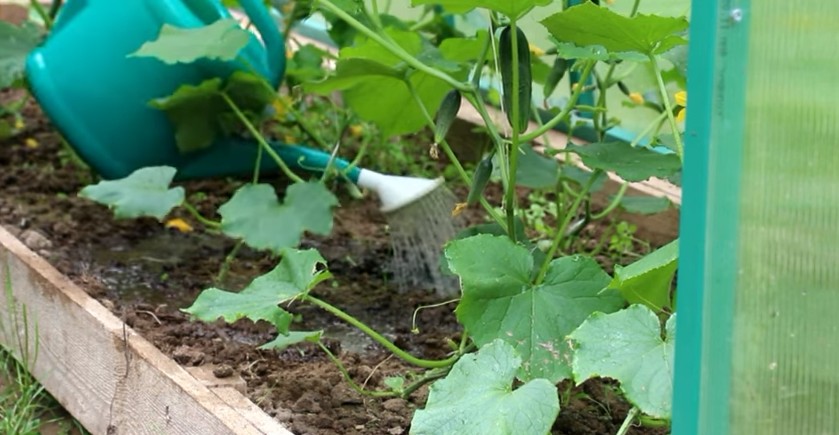
Cucumbers are a moisture-loving crop. Proper and regular watering is essential if gardeners want a good, healthy harvest. Insufficient soil moisture often results in crooked fruits.
A critical water shortage can be reflected in the condition of the bush's leaves. These can indicate that the plant needs more intensive watering. The leaves begin to dry out at the edges and curl. As soon as gardeners notice this sign, they should water the seedlings immediately. Failure to do so promptly can result in not only malformed fruits but also a significant reduction in yield.
Temperature change
Another common cause is the plant's vulnerability to extreme temperature fluctuations. Periodic seasonal cold spells can reduce the vegetable crop's growth rate. Naturally, this immediately impacts the formation of ovaries and ripening fruits.
When temperature changes, the plant's absorption of microelements slows down.
Violation of feeding technology
Another significant factor that causes cucumbers to change shape is potassium deficiency. Potassium is essential for the growth of this vegetable crop, so it's important to apply fertilizer to the soil in a timely manner.
Potassium can be added to the soil using enriched saltpeter. Besides potassium, cucumbers need nitrogen for normal growth. Chicken manure, animal manure, and wood ash can be used to replenish the nitrogen balance in the soil. These components are available almost everywhere.
It is important to remember that high levels of nitrogen in the soil with low levels of potassium and phosphorus cause the ovaries on cucumber bushes to fall off.
Untimely harvesting of fruits
This cause is rare. Typically, if gardeners harvest irregularly, the fruits begin to change shape as they ripen. This is because the entire crop isn't harvested at once, and only the ripest vegetables are picked. This causes nutrients to be distributed improperly, leading to some fruits receiving more nutrients than others.
Overripe cucumbers often delay the ripening of new ones. They typically ripen every 2-3 days. Harvesting less frequently can affect not only the cucumbers' shape but also their flavor.
Video: "Why Cucumbers Grow Crooked"
The author of the video clearly explains the reasons for the irregular shape of cucumbers.
How to deal with this
To combat this type of cucumber shape change, pay attention to how the seedlings are growing. It's important to avoid overcrowding and ensure adequate sunlight access for all seedlings.
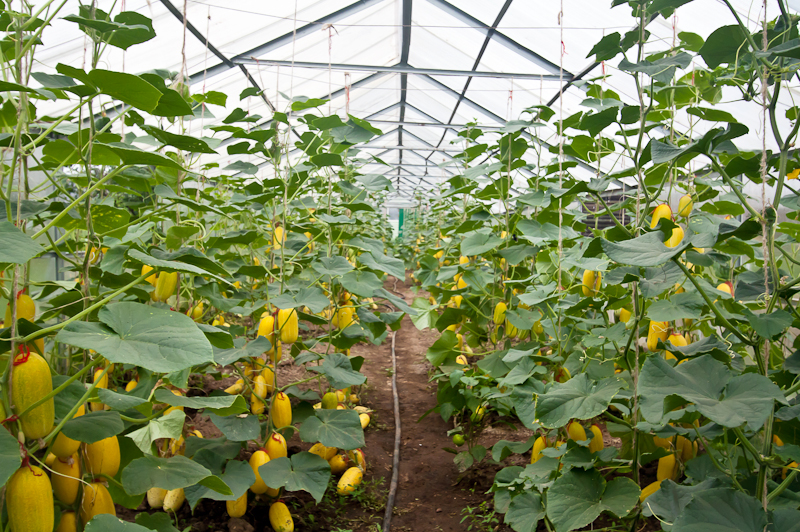
Growing crops in greenhouses allows you to protect them from wind and temperature fluctuations, and maintain an optimal level of humidity indoors.
When watering plants, it is desirable that the water temperature is not too low.
The optimal temperature is considered to be 18-20 degrees Celsius. Of course, no one would heat water on the stove or in a boiler specifically to water cucumbers. It's enough to expose the water to daylight and water it in the evening.
By correctly and strictly following the recommendations for growing the crop, it is possible to prevent changes in the shape of the fruit.
Before fruit set, phosphorus can be added to the soil to try to prevent these characteristic changes. Without the right conditions, effective control will be impossible.
How to treat
There are no reliable treatments for cucumber shape changes. It's not considered a disease, as there's no external irritant causing these consequences. You can only try to prevent cucumber shape changes by taking all necessary measures to ensure a healthy harvest.
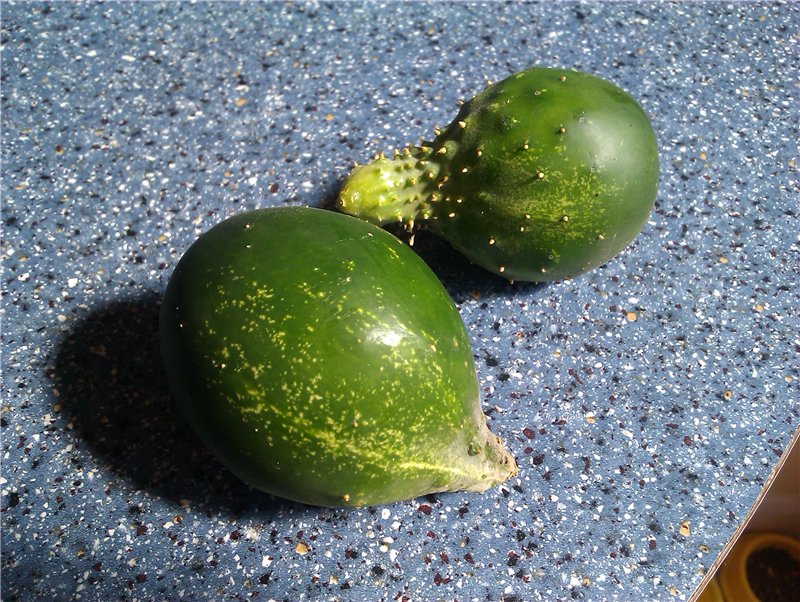
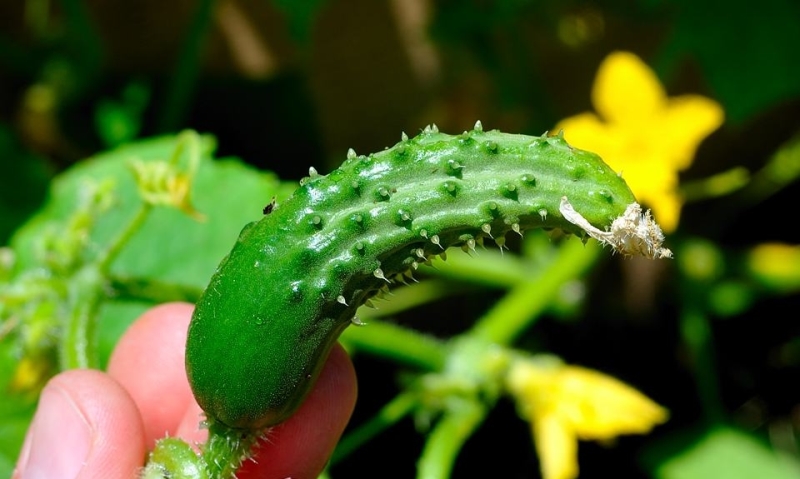
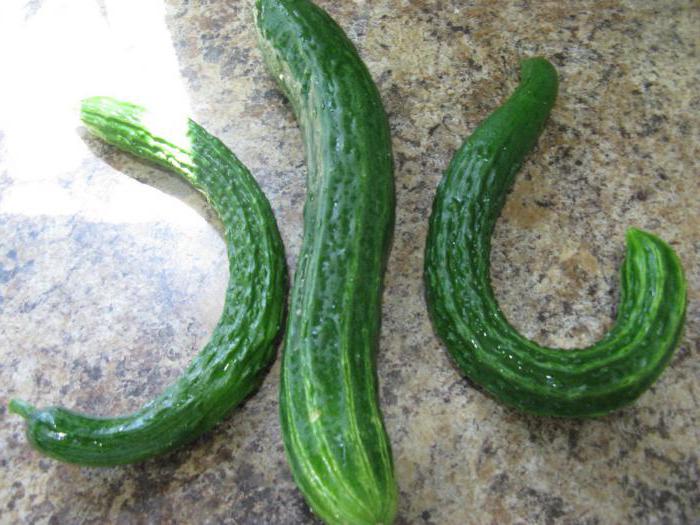
No treatments can change the shape of cucumbers, as they've already formed and continue to gain weight. If a problem has already been detected, the only option is to try to reduce its severity.
Video: "Types, Forms, and Fertilizing Regimes for Cucumbers. Traditional Recipes"
In this video, you'll learn about the types, forms, and modes of fertilizing that cucumbers need throughout the summer season.