
Growing cucumbers in a greenhouse in winter: seed preparation and yield
Content
Popular varieties
Before growing cucumbers in a greenhouse over the winter, it's important to choose the right variety, as the yield largely depends on it. When choosing, focus on self-pollinating hybrids that are less demanding. Self-pollination is a crucial quality for greenhouse cucumbers, as manual pollination is too labor-intensive, and attracting insects into the greenhouse is difficult—especially in winter.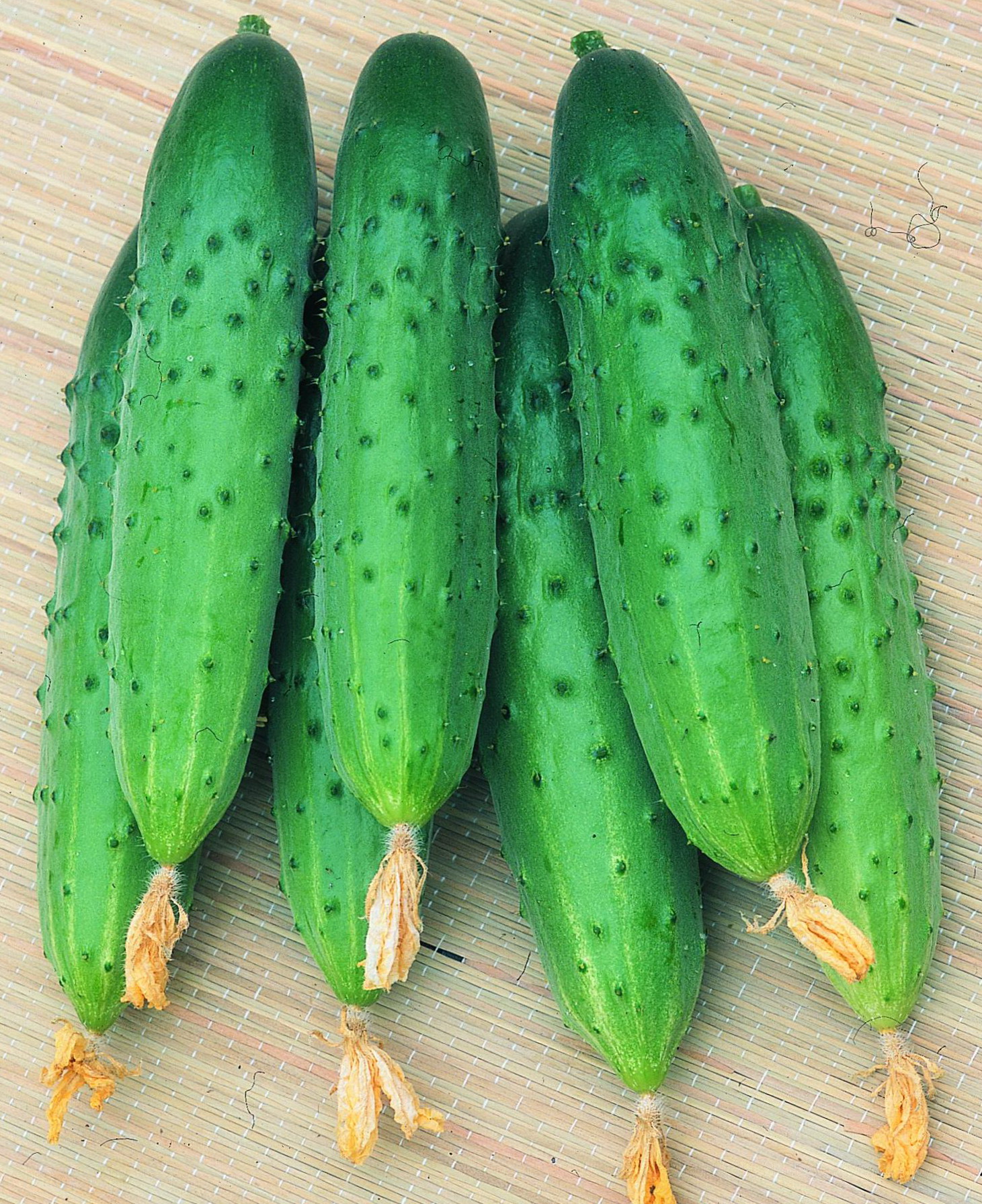
Among self-pollinating hybrids, it is advisable to give preference to the most productive ones, which are: Talisman F1, Kolibri F1, Zozulya F1, Picnic F1, Buratino F1, Emelya F1, Dachnik F1, Hercules F1, Dynamite F1 and many others. A good yield can also be achieved by growing pollinated varieties in greenhouses, provided you don't mind the process of artificial pollination. These include Estafeta, Zarya, Mayskiy, Izumrud, Sharzh, Surprise, and Pogrebok F1.
Video "Best Varieties"
From the video you will learn about the best varieties of cucumbers.
Selection and preparation of seeds
Seed preparation involves calibration and disinfection. For greenhouse conditions, it's best to use 2- or 3-year-old seeds—they're believed to produce stronger seedlings and, therefore, a better yield. However, since seeds dry out and deteriorate over time, it's important to select the highest-quality ones first. If it's difficult to visually identify empty seeds, you can soak them in warm water for a few hours. After a while, healthy seeds will sink to the bottom, while weak and empty ones will float to the surface, where they'll be easier to select.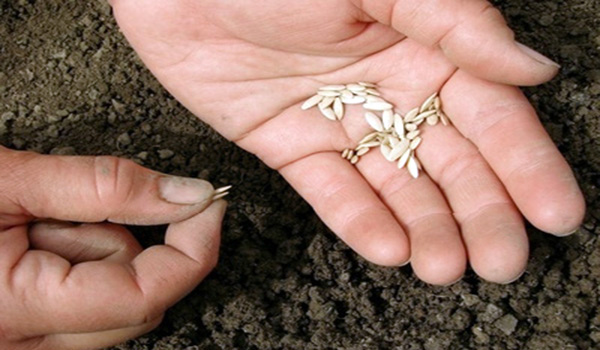
The next step in preparation is disinfection. Many different solutions can be used for this: boric acid, potassium permanganate, copper sulfate, wood ash, and mineral mixtures (nitrophoska). There are also several disinfection methods. The easiest way is to simply soak the seeds in one of the solutions, but you can also wrap them in gauze soaked in a disinfectant solution and leave them for 10-12 hours. Aloe juice or an ash solution are good for this purpose, as both, in addition to their disinfectant properties, also act as natural growth stimulants.
Growing technology
Growing cucumbers in a greenhouse during winter requires creating the most favorable microclimate and implementing a number of care measures. The first thing to consider is heating the greenhouse. For winter cultivation, a permanent greenhouse with hot-water heating is required. Using heaters or stoves is not recommended in winter, as the air is already very dry. Heating the greenhouse should be continued until mid-spring, and then, until the end of May, the heating should be turned on at night, as night frosts are still possible.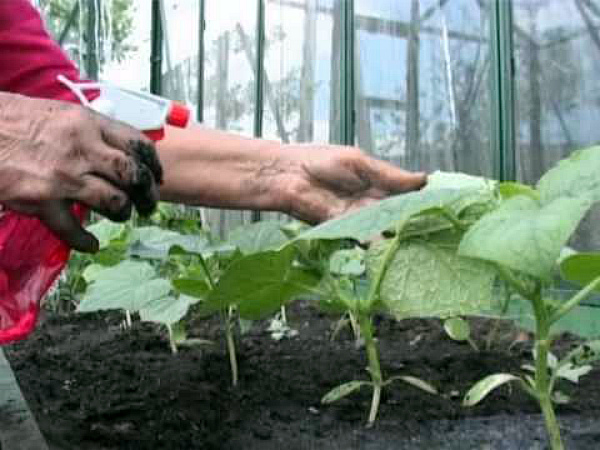
In winter, plants require additional lighting, so the greenhouse should be equipped with high-quality lighting fixtures. Special lamps with red and blue spectra that mimic sunlight have been developed for this purpose, but unfortunately, they consume a lot of energy. If this is unacceptable, then it's best to limit yourself to regular energy-saving long lamps around the perimeter of the greenhouse. When growing cucumbers in large quantities, it's a good idea to install an irrigation system.
The soil for cucumbers should be fertile, rich in organic matter, but not depleted of minerals. Therefore, when preparing the bed, fertilizers should be combined and applied during digging. Organic matter can include humus or compost, ash, sawdust, or coarse sand (these will make the soil looser).
Superphosphate, nitrophoska, or other complex mixtures containing nitrogen, potassium, and phosphorus can be used as mineral fertilizer. The dug and fertilized area should be covered with transparent film for several weeks to allow the soil and fertilizer to come into contact.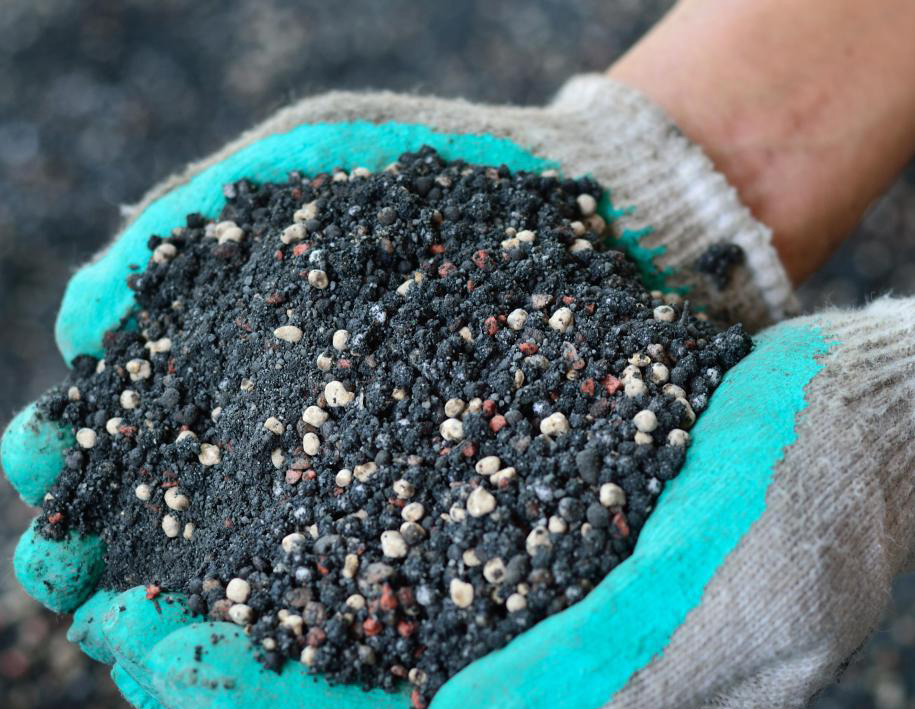
During the warmer months, cucumbers can be planted directly from seeds in a greenhouse, but for winter and fall planting, seedlings should be grown. Seedlings should be at least one month old when transplanted, and if you plan to harvest continuously, sow seeds every 1.5-2 months. Any disposable containers can be used for growing seedlings, but paper cups filled with peat are the most convenient. These seedlings can be planted in the ground along with the cup, thus protecting the young plants from the stress of establishing themselves in a new location.
Care Features
Caring for greenhouse cucumbers involves maintaining the microclimate they need for normal development and fruiting. Cucumbers love moisture, and since greenhouses tend to be dry in winter, watering should be regular and generous. This doesn't mean the bed should be soggy—excessive moisture is also harmful to cucumbers. The soil should always be in a condition that allows for normal evaporation and maintains humidity at 75-80%.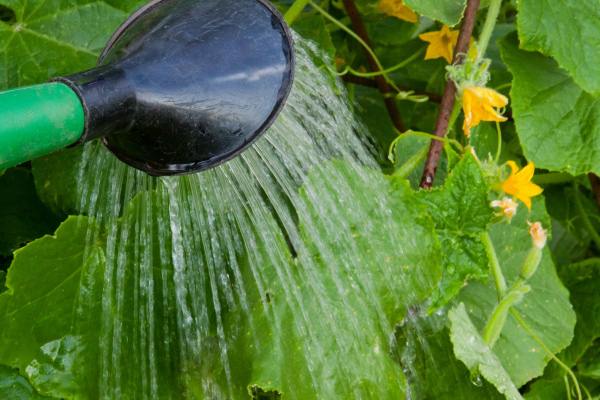
Temperature control is important for cucumbers in greenhouses. For active flowering and fruit set, the average daily temperature should be 22-25°C. Avoid sudden temperature fluctuations, especially at night. In winter, plants require additional lighting. Fertilizer is applied 3-4 times during the season by watering the bushes with organic solutions (manure, mullein). Mineral solutions are not recommended, as they promote nitrate accumulation in the fruit.
Cucumbers have long, sprawling shoots, so trellis support is essential in greenhouses. Support allows the plant to grow vertically, thereby avoiding many problems with diseases, maintenance, and harvesting. Regular staking of shoots is recommended, and if the plants become too overgrown, pinching the tips is recommended.
Greenhouse yield
Growing cucumbers in a greenhouse in winter always presents certain challenges that don't arise during the warmer months. The first thing you'll encounter in winter is insufficient air and soil moisture due to heating. Cucumbers ripen very quickly and, during fruiting, draw a lot of nutrients from the soil, which must always be moist.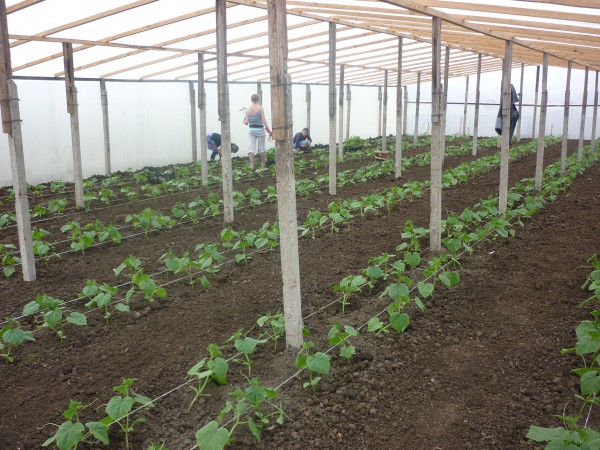
If you want to ensure your harvest yields a healthy harvest, you'll need to pay attention to watering. This will not only moisten the soil but also increase air humidity. If watering alone isn't enough to humidify the air, place containers of water around the greenhouse, water the floor, and mist the plants.
Keep in mind that seedlings develop more slowly in winter, so sowing seeds should be done well in advance. If you plan to grow cucumbers in December or January, sow the seeds for seedlings in late September so they can be transplanted into the greenhouse by early November. Provide supplemental lighting at a distance of 50 cm from the plants. As the cucumbers grow, gradually raise the lamps to a height of 1.5 m.
Greenhouse cucumber varieties require stable growing conditions, and the difference between night and day temperatures in winter can often be significant. Ideally, the greenhouse temperature should be 15-18°C at night, but if this is not possible, ensure the thermometer does not drop below 10°C. If it gets colder, ovaries will stop forming, and root nutrition will be impeded.
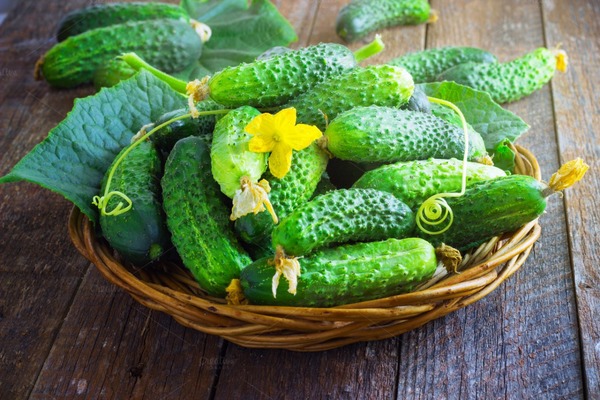
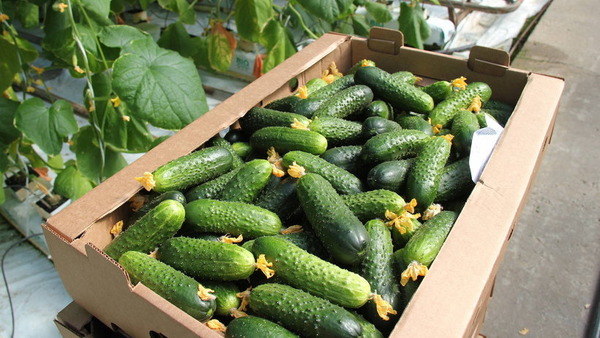
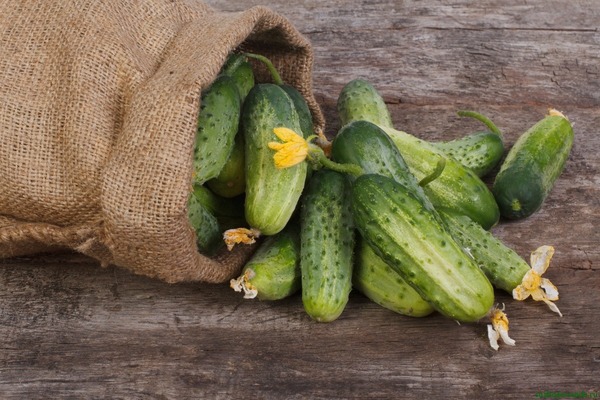
Knowing these simple rules, you can easily grow cucumbers at home for the New Year's table or other winter holidays.
Video "Growing"
This video will show you how to grow cucumbers in a greenhouse.