
Ammonia for cucumbers: nutrition and pest control
Content
Why use
Some fertilizers are very difficult for the substrate to absorb. Therefore, following expert advice, you may apply some fertilizers only during the active flowering period. However, ammonia, a nitrogen compound, disperses very quickly through the soil. 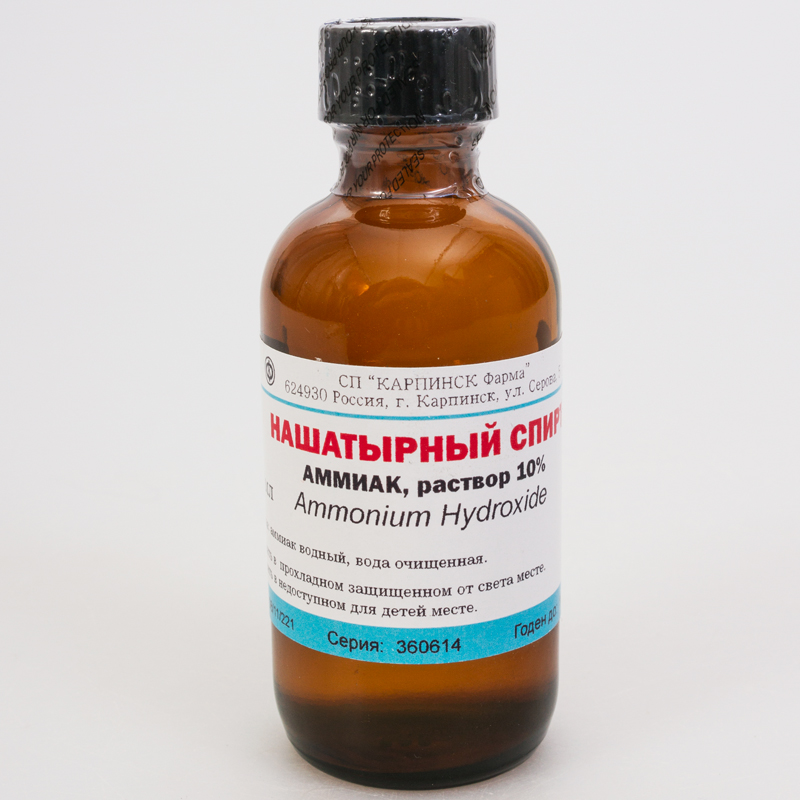 In what cases is it recommended to use such a remedy:
- yellowing has appeared on the lower leaves of seedlings or mature plants;
- small leaf sizes;
- the stem loses its color saturation, becomes fragile and very thin;
- the plant stops growing altogether;
- the flower does not bloom for a long period of time;
- Plants become quite sensitive to frost.
When it comes to fruit trees or vegetable crops, fertilizing their substrate with nitrogen compounds is essential. You don't want a meager harvest, do you? Some farmers seriously consider the importance of this type of fertilization, but others argue that there's plenty of nitrogen in the air, and plants absorb it in vast quantities. However, the truth is, any garden or vegetable plant absorbs nitrogen exclusively in the form of chemical compounds in the soil.
Video: "Using Ammonia"
The video will show you recipes using ammonia that will help protect your garden from pests.
Dosages of the drug
Can you water cucumbers with ammonia? Absolutely, but it's recommended to follow the proper proportions. For indoor plants, the ammonia solution should be weak. To achieve this, add a little less than a tablespoon of ammonia to three liters of water. Spray the soil with the resulting mixture. However, if your seedlings, specifically cucumbers, suffer from a nitrogen deficiency, you should use this solution in slightly different proportions. For example, you'll need at least three tablespoons of ammonia per 10 liters of water.
As soon as you notice cucumber shoots starting to grow vigorously, it's time to fertilize the soil with nitrogen. From now on, fertilize the substrate regularly, at least once a week.Once the seedlings begin to set fruit, the soil fertilization process becomes much more intensive. Cucumbers should be watered once every four days, and the solution should be fairly concentrated (use one teaspoon of ammonia per 1.5 liters of water).
Fertilizing methods
How to use ammonia when growing cucumbers? Experienced gardeners prefer to use this nitrogen-rich mixture as a fertilizer for various garden and vegetable crops—onions, cucumbers, and even flowers.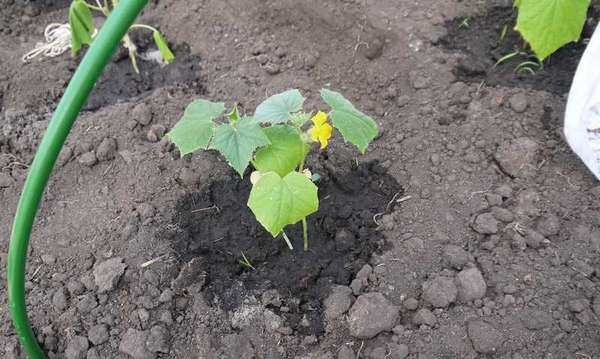
As for cucumbers, they are most often fed with nitrogen in the first half of summer, when the plant is actively growing. However, the methods for using ammonia in the garden don't end there. Nitrogen is not only a high-quality fertilizer but also a good fungicide, meaning it effectively combats a variety of pests, such as aphids.
To prepare this medicinal solution, you'll need 50 grams of ammonia and liquid soap. Spray the plant with the resulting mixture. This will quickly eliminate any aphids present on the leaves and simultaneously provide additional nutrition to the plant's substrate.
Ammonia used in the garden is an optimal fertilizer for various garden and flower plants. The key is to maintain the proper proportions.
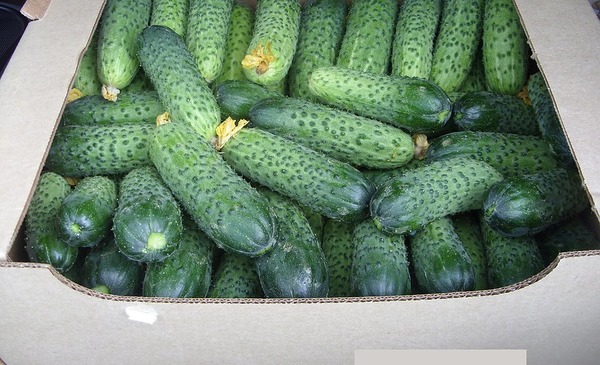
Using ammonia when treating garden plants will preserve their integrity and ensure a worthy harvest in the future.
Video "Protection with Ammonia"
This video will show you how to protect your garden using ammonia.